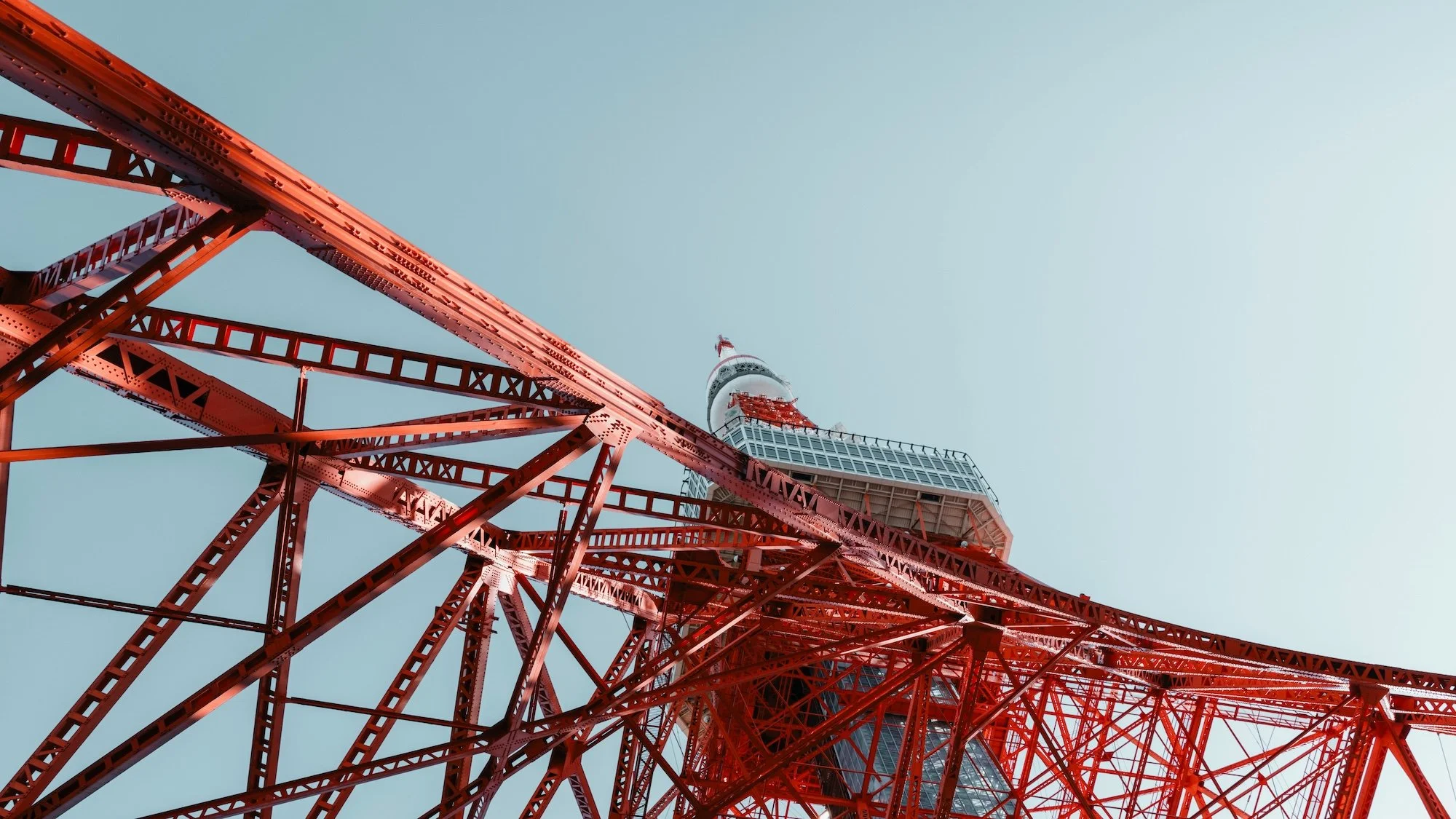
Tokyo
& Central Honshu
Tokyo & Central Honshu.
The most wired city on earth and the quietest mountain onsen an hour outside it. Kanazawa's craft culture and Hakone's volcanic crater and the ramen alley under the train tracks that's been smoky since 1948. Central Honshu doesn't do one thing — it does everything, better than almost anywhere else.
This is the region's edit: where to eat, where to sleep, what to actually do. No filler.
Every Moment, Considered.

Need To Know
-
Late March–early April is cherry blossom season — the most beautiful time to be in Tokyo and the most crowded. Book everything months ahead if you're going then.
October–November is the other peak: cooler temperatures, stunning foliage, and slightly more manageable crowds.
July–August is hot, humid, and punctuated by festivals — worth it if you know what you're going for.
Winter is underrated: clear skies, the best views of Fuji from the city, and Niseko powder season in full swing by January. Plus, lower prices and fewer crowds.
-
Tokyo is enormous — where you stay shapes what you experience.
Shinjuku is central, loud, and puts everything within reach; good for first-timers.
Shibuya is younger, more design-conscious, closer to Shimokitazawa and Daikanyama.
Nihonbashi and Ginza are quieter, more refined, and better located for Tsukiji and the Imperial Palace.
Aoyama and Omotesando are where you want to be if design, food, and shopping are the priority.
For day trips: Hakone and Kamakura are both under 90 minutes from Tokyo and work as overnights if you want to slow down.
Kanazawa is 2.5 hours by Shinkansen — a full overnight stay, not a day trip.
-
A few things that will make the trip work better.
Cash still matters — many smaller restaurants, temples, and rural spots don't take cards; keep ¥10,000–¥20,000 on you.
The IC card (Suica or Pasmo) covers all public transport across the region — load it at any station and tap everywhere.
Tipping is not done and will cause confusion; excellent service is the baseline, not something you pay extra for.
Restaurants in Tokyo often have no English menu and no English spoken — pointing at plastic food models outside or at neighboring tables is completely normal and works fine.
Shoes come off at ryokan, traditional restaurants, and many temples — wear ones that slip off easily.
Hala Hit List
Hand-ground coffee, toast, vinyl records, no Wi-Fi. Tokyo's greatest kissaten hasn't changed in 35 years. Neither should your morning.
Breakfast at Chatei Hatou, Shibuya
Golden Gai after midnight
Two hundred bars the size of closets under a single set of power lines in Shinjuku. Walk in anywhere with a light on. Stay until the trains start again.
Get there before 8am. Eat a tuna hand roll standing up. Buy tamagoyaki from Marutake. This is Tokyo at its most itself and it costs almost nothing.
A morning at Tsukiji Outer Market
A counter seat at Ichiran, Shibuya
Fill out the form. Sit in your solo booth. Lower the bamboo screen. The best bowl of tonkotsu you'll eat, in complete, intentional silence. It's strange and it's perfect.
One night at K5, Nihonbashi
A 1923 bank turned 23-room hotel with a record player, Brooklyn Brewery downstairs, and a calm that's genuinely hard to find in this city.
The Shinkansen to Kanazawa
Two and a half hours from Tokyo Station. A city with better craft culture, better seafood, and a contemporary art museum that rivals anything in Asia. Most people never go. Go.
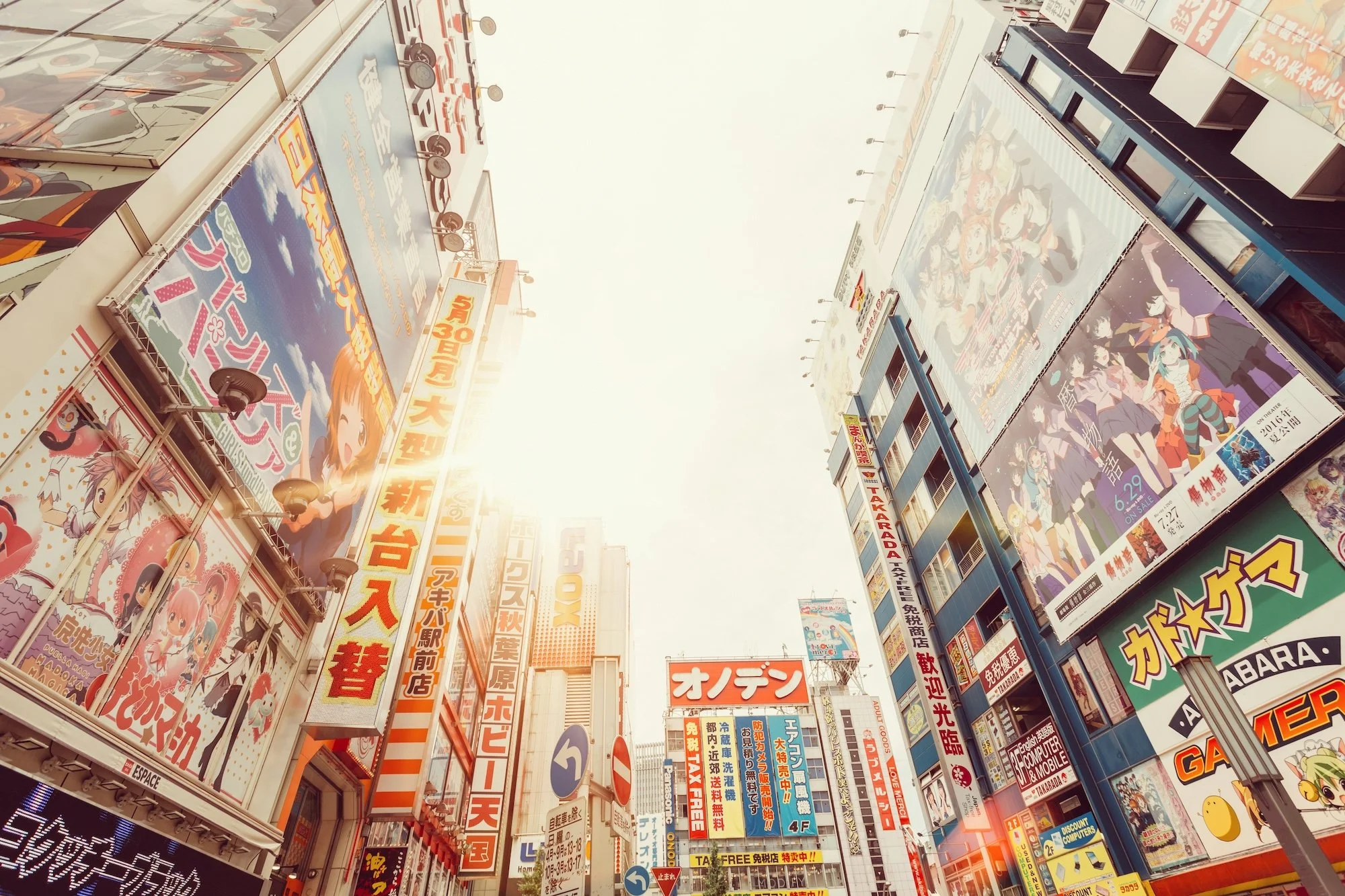
If You Have 48 Hours
START IN TOKYO
Drop bags at Trunk Hotel on Cat Street — borrow one of their bikes, ride down to Nakameguro for coffee at Onibus by the train tracks. Walk the canal back toward Daikanyama, browse Tsutaya Books, do nothing useful. Afternoon at the Nezu Museum in Aoyama — the garden is the reason. Dinner at Den in Jingumae if you called two months ago. If not, The SG Club for cocktails — the bar will sort the rest of the evening.
GO DEEPER
End up in Golden Gai. Pick any alley, walk into anything with a light on, stay until the trains start again. This is not a plan. That's the point.
ESCAPE INTO HONSHU
Up early, hungover or not. Tsukiji Outer Market before 8am — tuna hand roll standing up, tamagoyaki from Marutake. Walk it off through Ginza to Dover Street Market — all seven floors, find the rooftop Shinto shrine. Lunch at Rose Bakery downstairs. Afternoon at teamLab Borderless in Azabudai Hills — book a morning slot in advance, go on a weekday.
END WITH KANAZAWA
Back to Trunk to change. Dinner at Narisawa in Minami-Aoyama if you planned ahead — two Michelin stars, World's 50 Best, worth every reservation attempt. If not, walk into Ichiran in Shibuya, fill out the form, lower the screen, eat in peace. Last drink at Bar Benfiddich on the 9th floor in Shinjuku — no menu, tell him a season. One of the best bars on earth. Go.
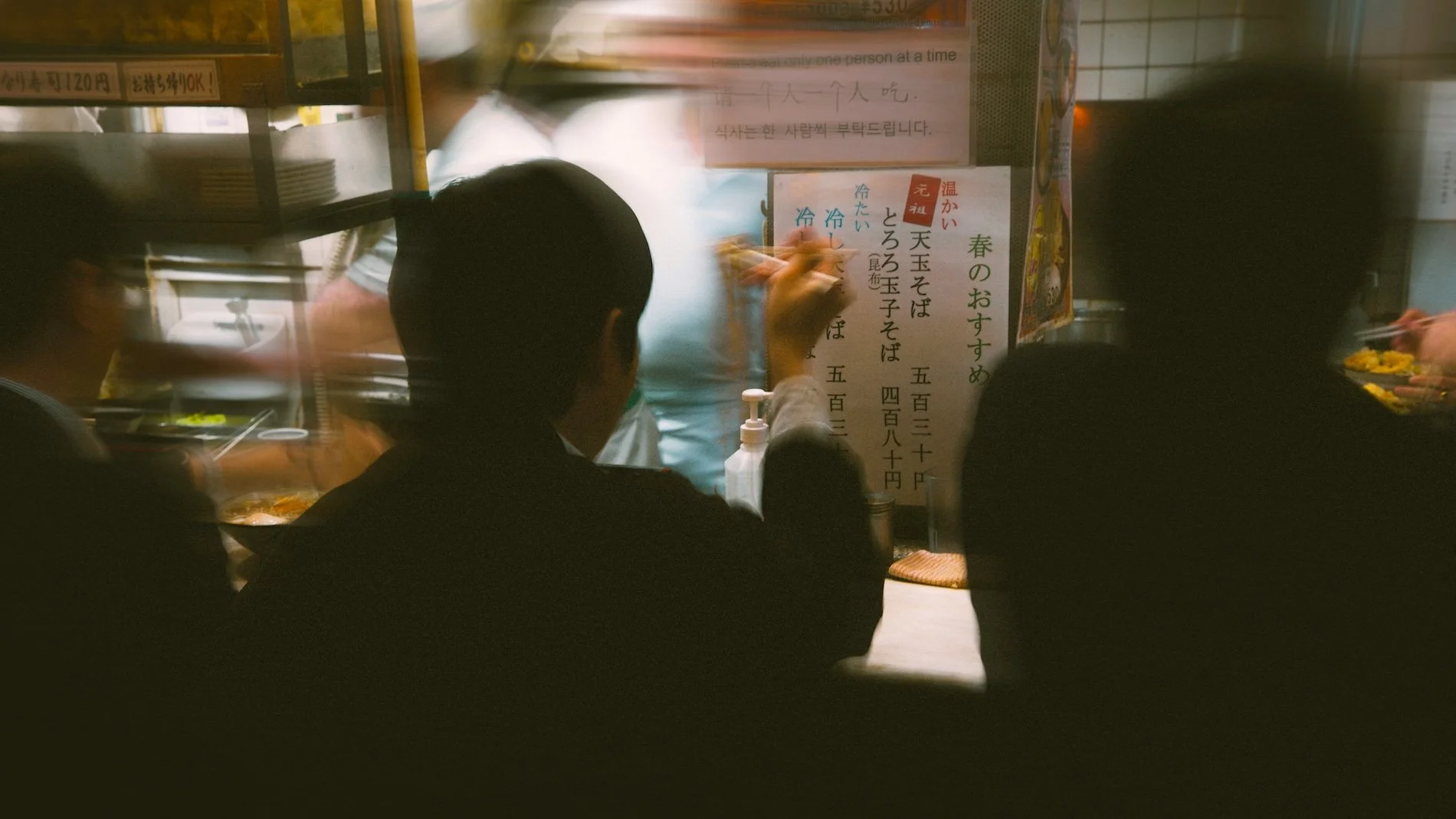
Where We Eat
Our Go To’s
Easy. Casual. Reliable. Delicious.
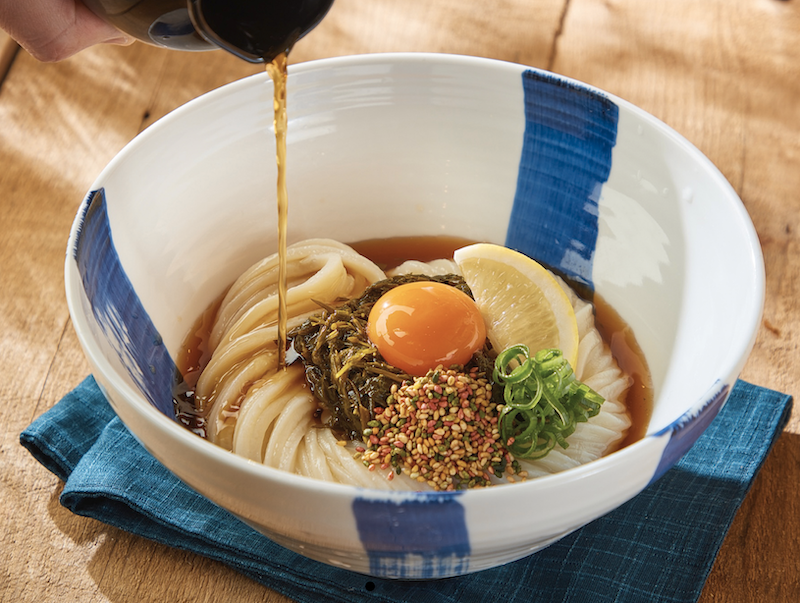
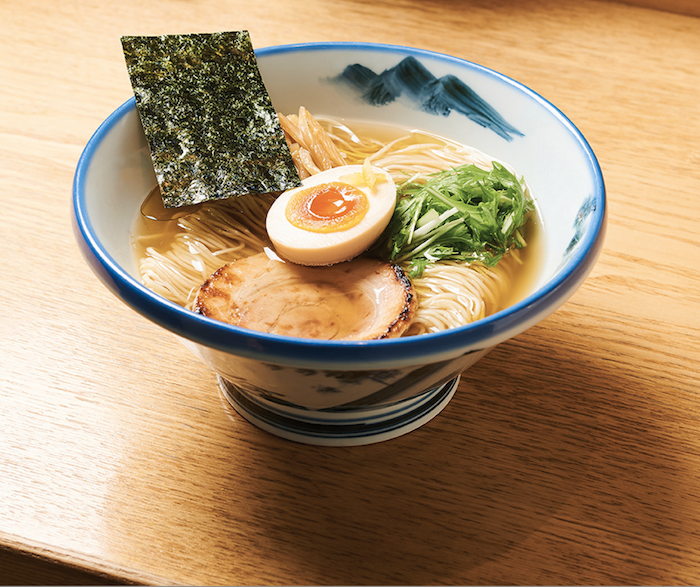
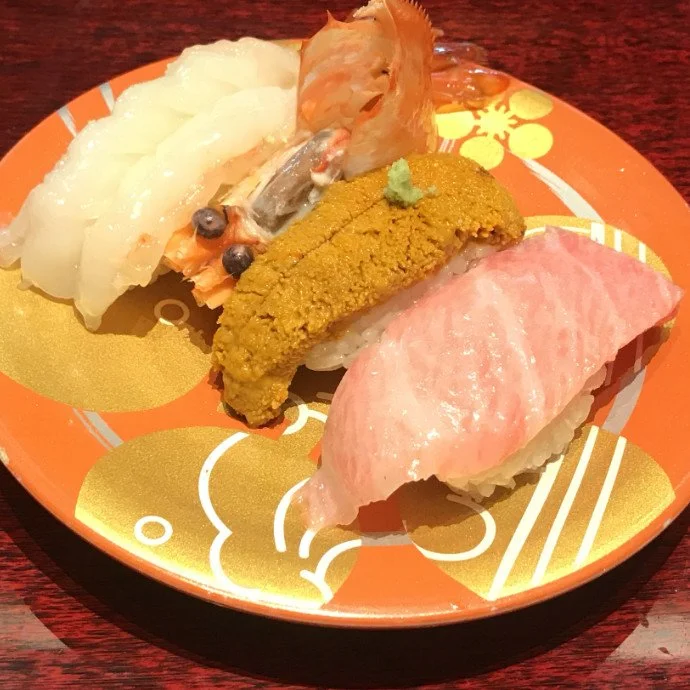
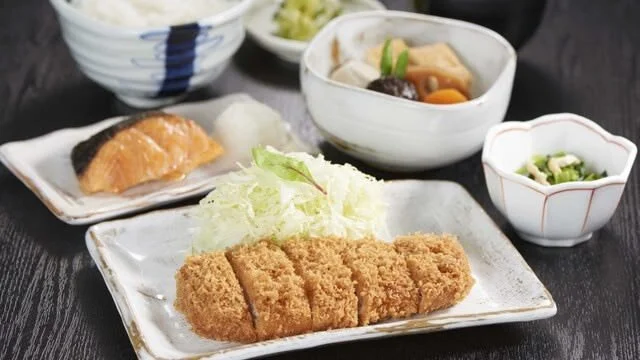
Udon Shin
Udon Shin is the kind of place Tokyo locals line up for without complaint. The focus is narrow and uncompromising: freshly made udon with remarkable texture, served with clean, deeply considered broths. There’s no spectacle here, just craft and consistency. It’s ideal for a low-key lunch or early dinner when you want something comforting, precise, and genuinely excellent — the definition of a Tokyo go-to.
Address: 2-20-16 Yoyogi, Shibuya City, Tokyo
Vibe: Casual, focused, quietly obsessive
Price: $
Must order: Cold udon with dipping sauce; seasonal tempura; any handmade udon served simply
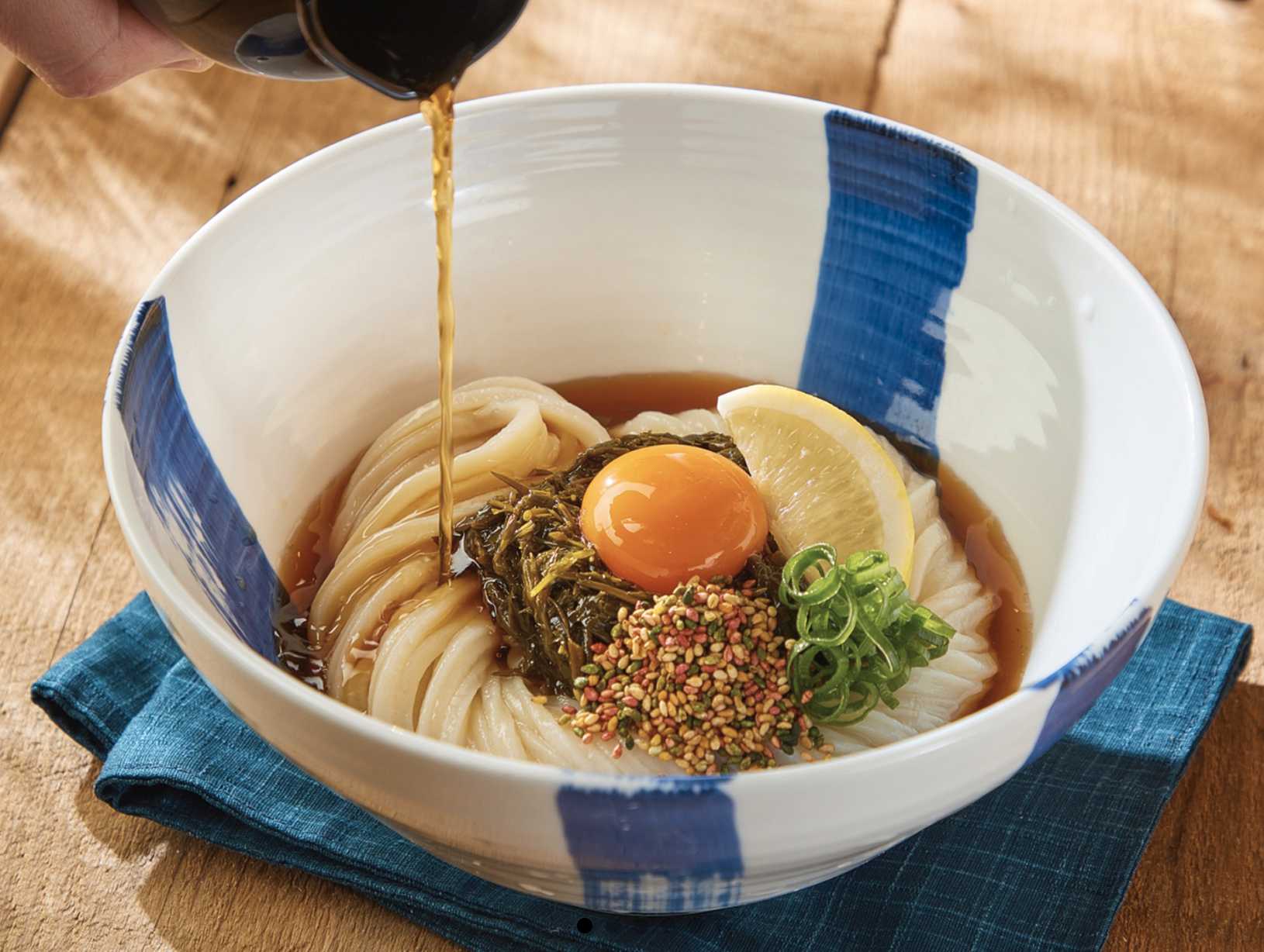
Image courtesy of Udon Shin
Afuri
Address: 1-19-7 Jingumae, Shibuya City, Tokyo (Harajuku flagship; multiple locations citywide)
Vibe: Clean, modern, unfussy
Price: $
Must order: Yuzu Shio Ramen; light-bodied broth with extra yuzu; add-ons kept minimal
Afuri is the rare ramen chain that stays disciplined. The signature yuzu shio broth is clear, aromatic, and refreshing rather than heavy, making it an easy repeat — especially when you want something quick that still feels intentional. It’s reliable across locations, well-run, and consistently satisfying, which is exactly why it earns go-to status in a city full of options.
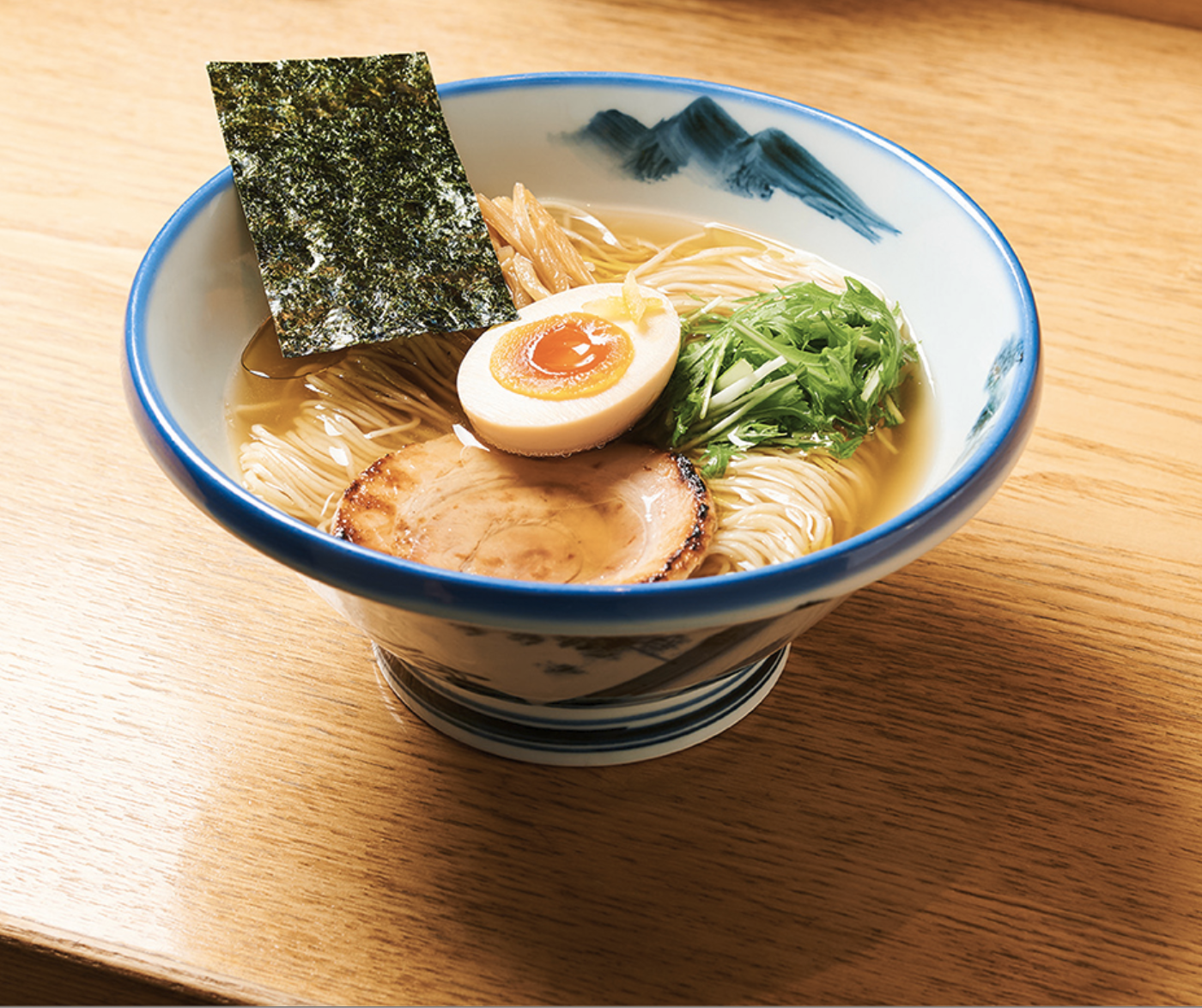
Image courtesy of Afuri
Maisen Aoyama
Address: 4-8-5 Jingumae, Shibuya City, Tokyo
Vibe: Classic, welcoming, quietly old-school
Price: $$
Must order: Hire (pork fillet) tonkatsu set; seasonal specials when available; house-made sauces
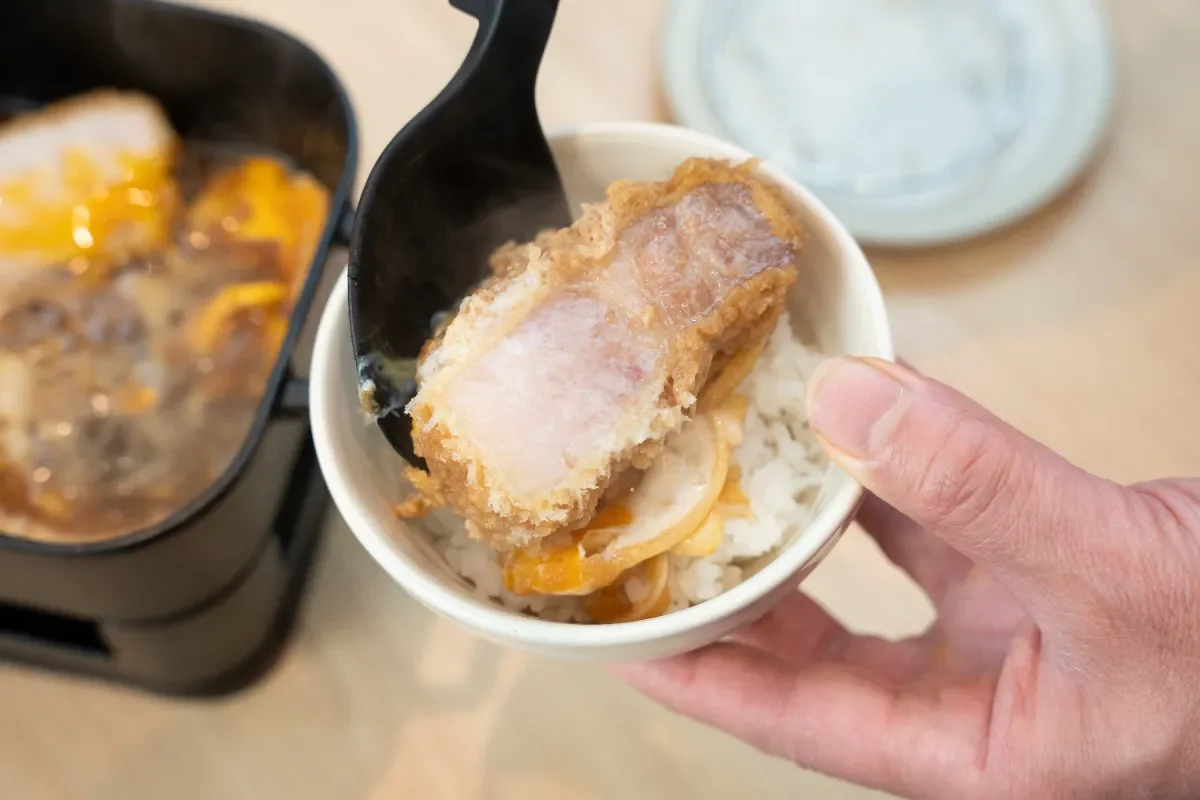
Maisen is a Tokyo institution for a reason. The tonkatsu is impeccably fried — crisp and light on the outside, improbably tender inside — and served in a setting that feels relaxed rather than reverential. It’s the kind of place you return to without overthinking: comforting, dependable, and deeply satisfying. When you want Japanese comfort food done exactly right, this is the move.
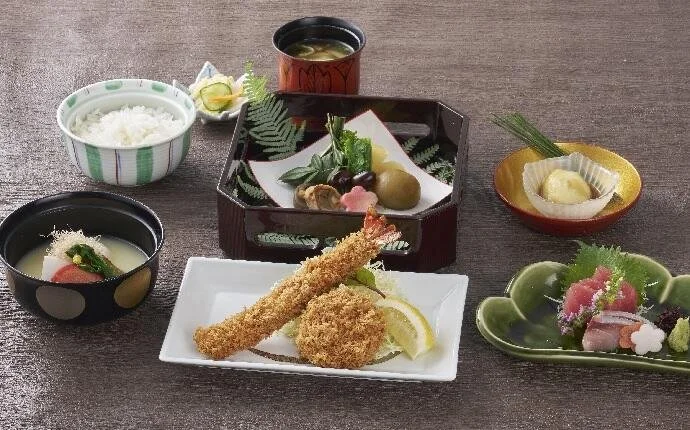
Image courtesy of Maisen Aoyama
MoriMori Sushi
Address: Omicho Market, 50 Kamiomicho, Kanazawa, Ishikawa
Vibe: Bustling, no-frills, market-driven
Price: $
Must order: Anything seasonal from the Sea of Japan; nodoguro (when available); daily specials off the board
MoriMori Sushi is proof that great sushi doesn’t need ceremony. Located inside Kanazawa’s Omicho Market, the fish is ultra-fresh, the turnover is fast, and the quality wildly exceeds expectations for a conveyor-belt setup. It’s casual, energetic, and deeply satisfying — the kind of place you pop into without planning and leave wondering why you ever overthought sushi in the first place.
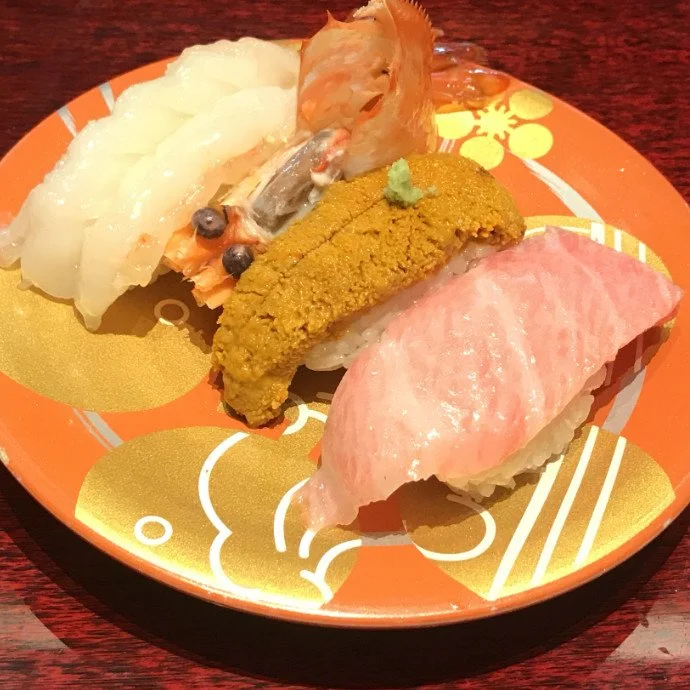
Image courtesy of Forus
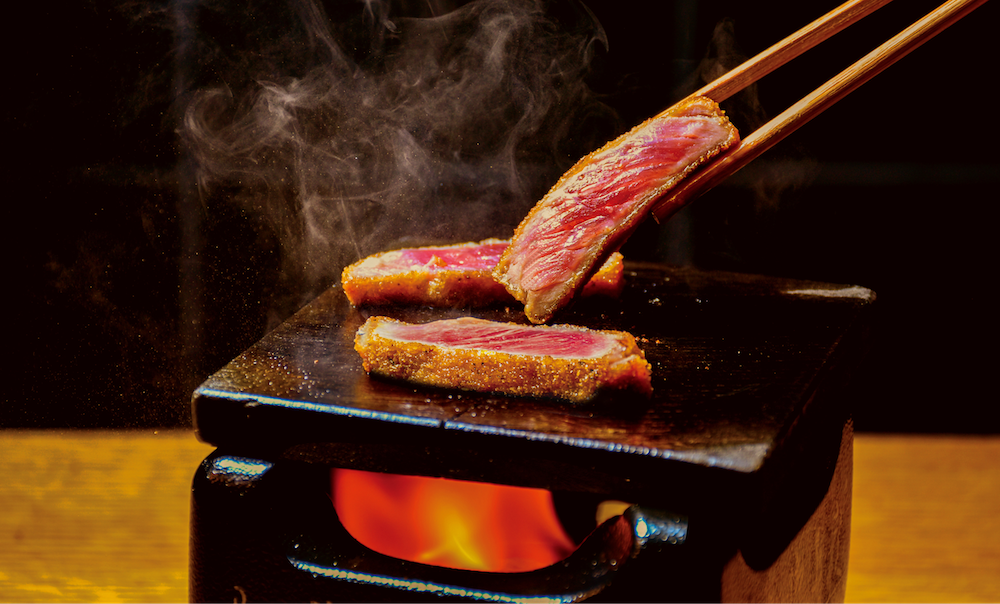
Gyukatsu Motomura
Address: Multiple locations; Shibuya and Shinjuku are the most convenient
Vibe: Casual, energetic, very Tokyo
Price: $$
Must order: Classic gyukatsu set; cook the beef lightly on the tabletop stone
Gyukatsu Motomura does one thing extremely well. The beef is tender, lightly breaded, and meant to be finished to your liking at the table, making the meal feel interactive without being gimmicky. It’s fast, satisfying, and ideal when you want something hearty that still feels distinctly Japanese.
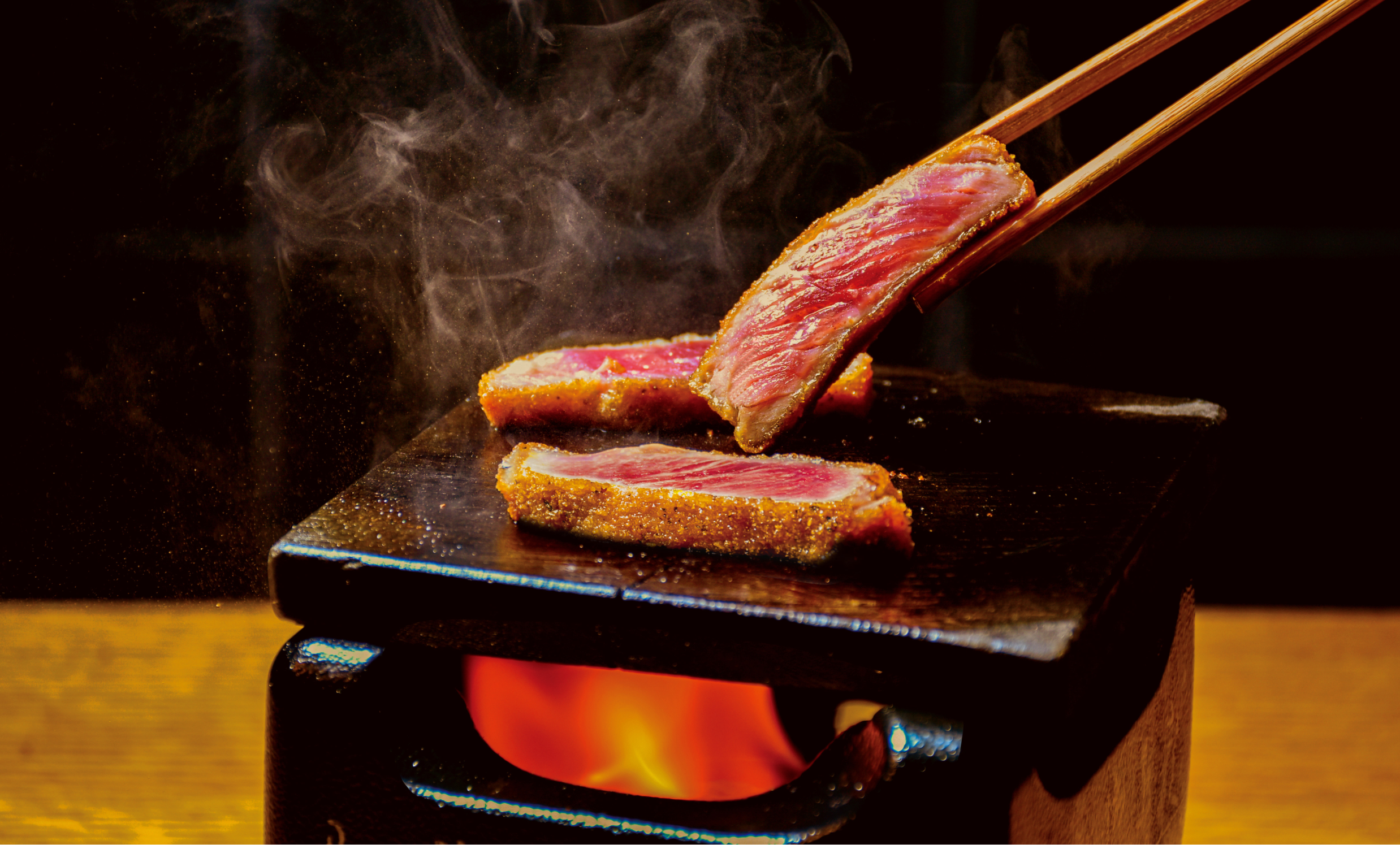
Image courtesy of Gyukatsu Motomura
Ippudo
Address: Multiple locations across Tokyo and central Honshu
Vibe: Polished, reliable, modern classic
Price: $
Must order: Shiromaru Classic; gyoza on the side
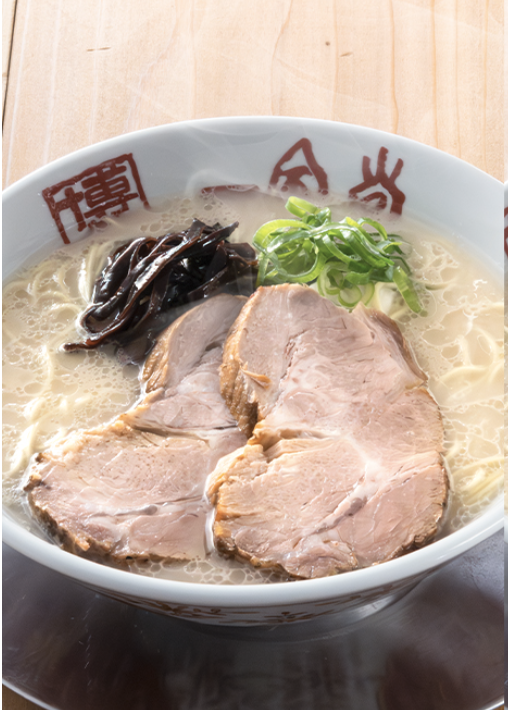
Ippudo is a global name for a reason. The tonkotsu broth is rich but balanced, the noodles are consistently good, and the experience is smooth across locations. It’s a dependable fallback when you want ramen without a wait or guesswork — comforting, familiar, and well executed.
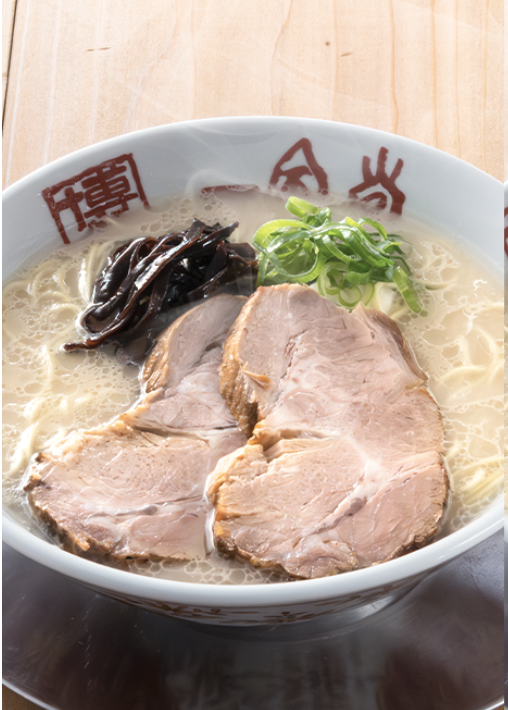
Image courtesy of Ippudo
Ginza Kagari
Address: 4-4-1 Ginza, Chuo City, Tokyo (main location; additional outposts exist)
Vibe: Compact, refined, quietly popular
Price: $
Must order: Chicken paitan ramen; seasonal toppings when available
Ginza Kagari takes ramen in a slightly more polished direction without losing its soul. The chicken-based broth is rich yet clean, the noodles are perfectly judged, and the overall experience feels calm and focused rather than chaotic. It’s an easy go-to in central Tokyo when you want something comforting that still feels considered.
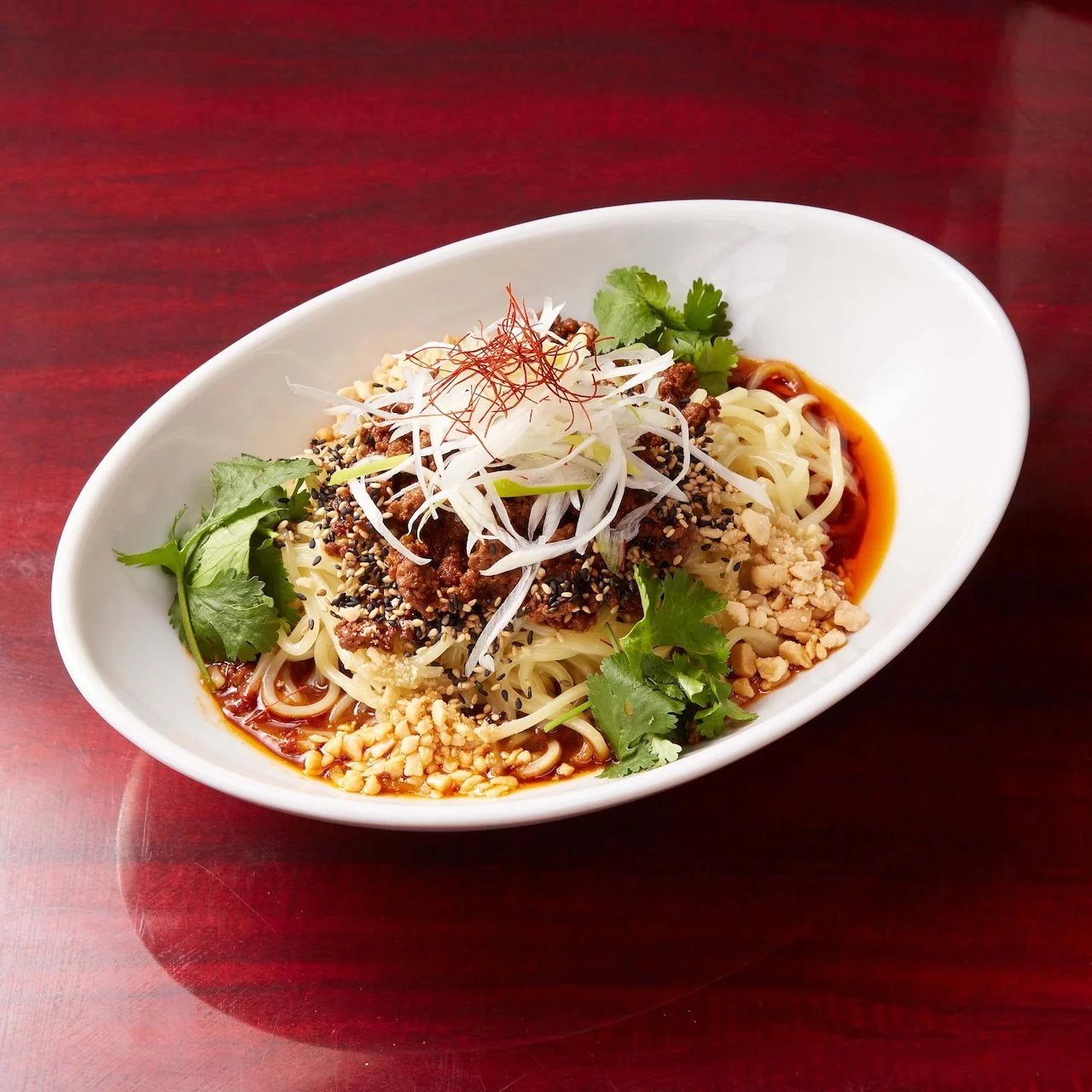
Image courtesy of Ginza Kagari
Tonkatsu Narikura
Address: 1-36-3 Minami-Otsuka, Toshima City, Tokyo
Vibe: Focused, understated, food-first
Price: $$
Must order: Hire tonkatsu; rotating pork cuts
Often cited among the best tonkatsu spots in Japan, Narikura lives up to the reputation without feeling precious. The pork is exceptionally tender, the frying precise, and the setting refreshingly simple. It’s a destination for tonkatsu fans, but still casual enough to feel like a real go-to rather than a production.
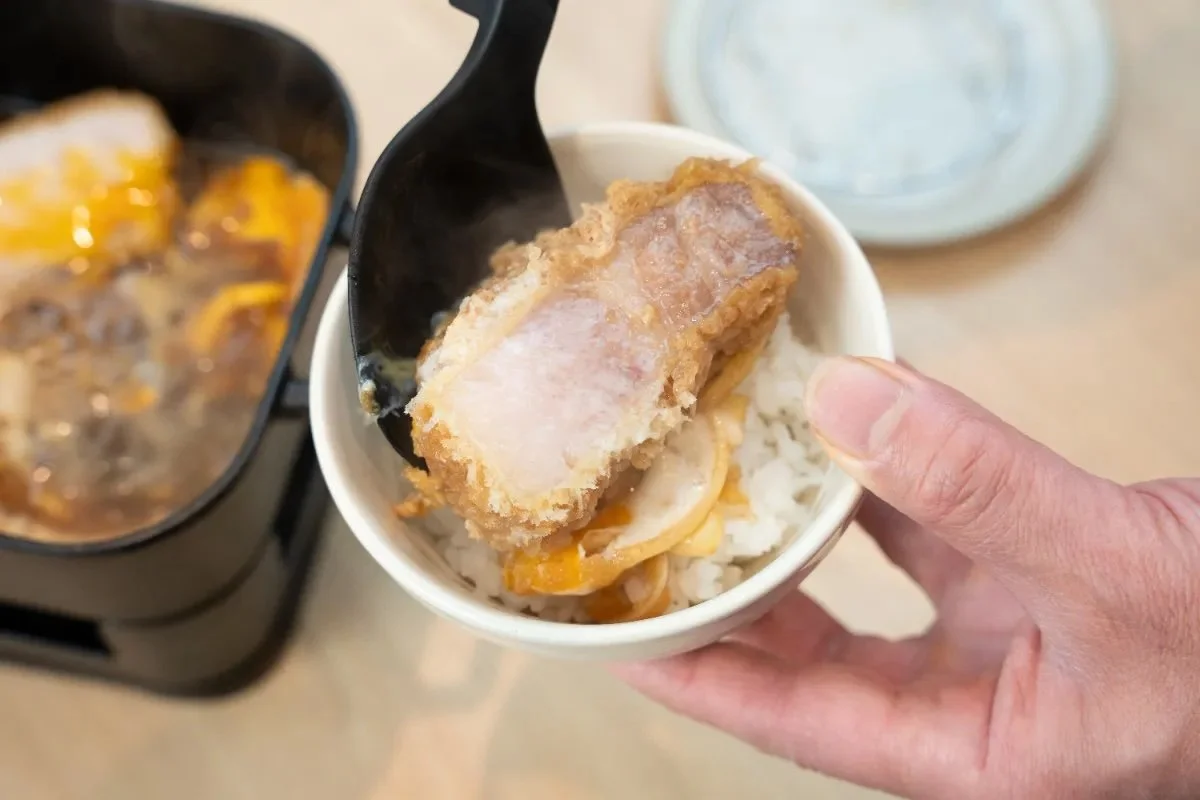
Image courtesy of Tonkatsu Narikura
Splurge
Special places for special occassions.
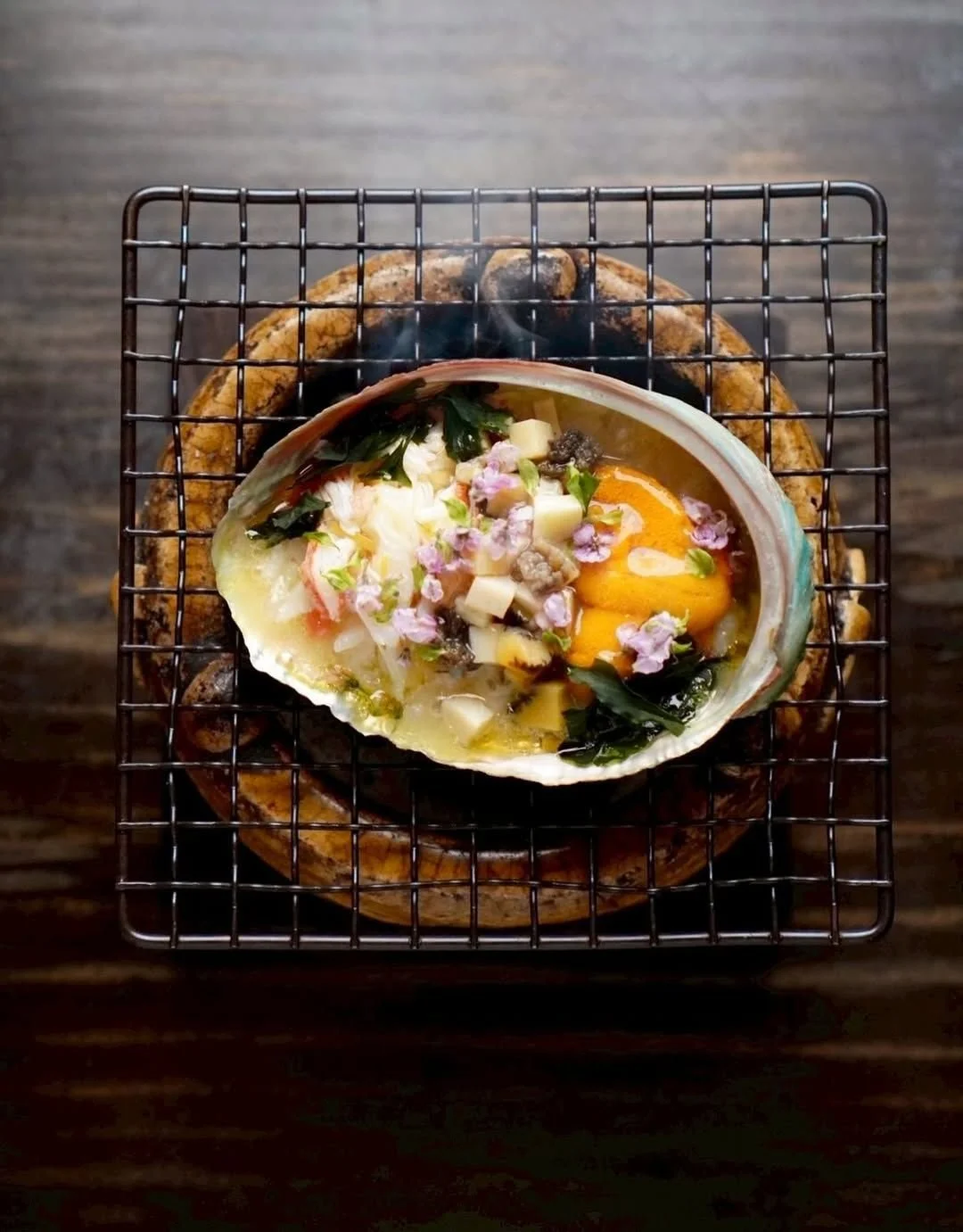
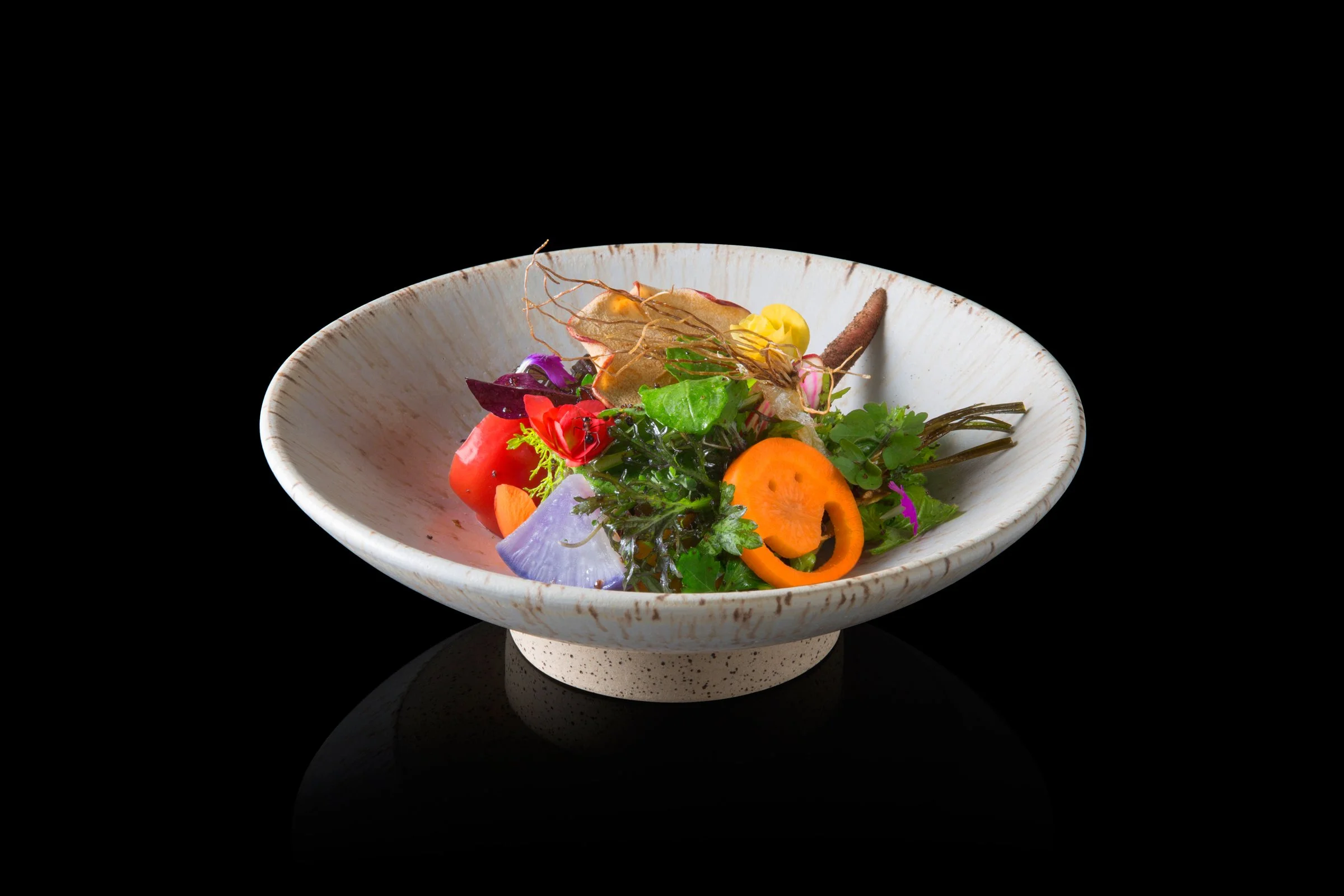
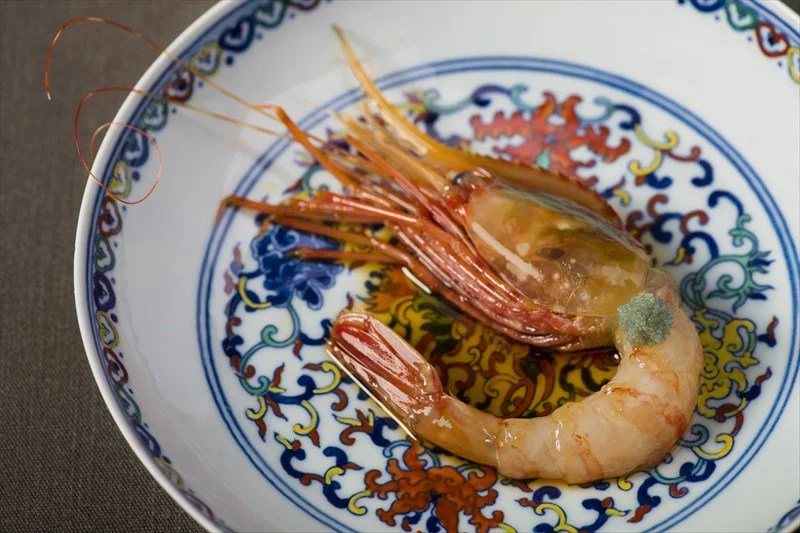
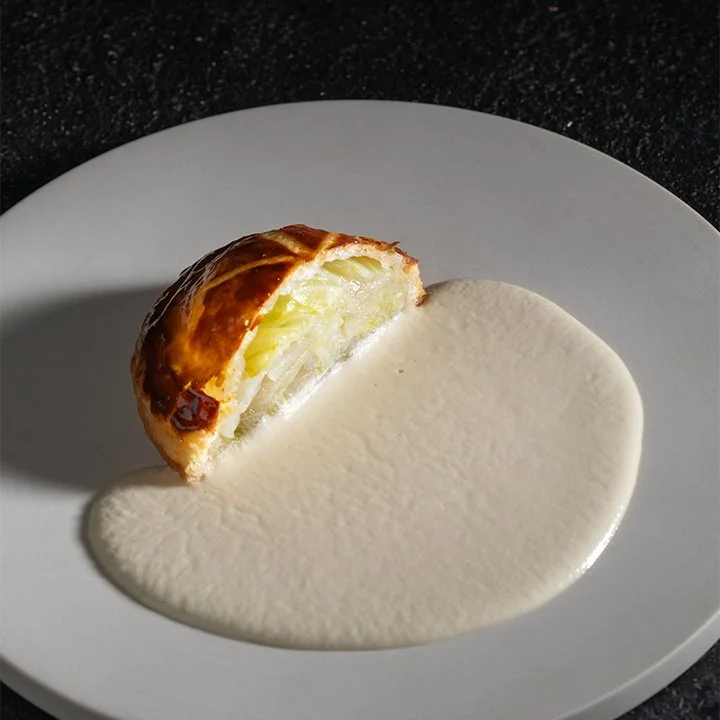
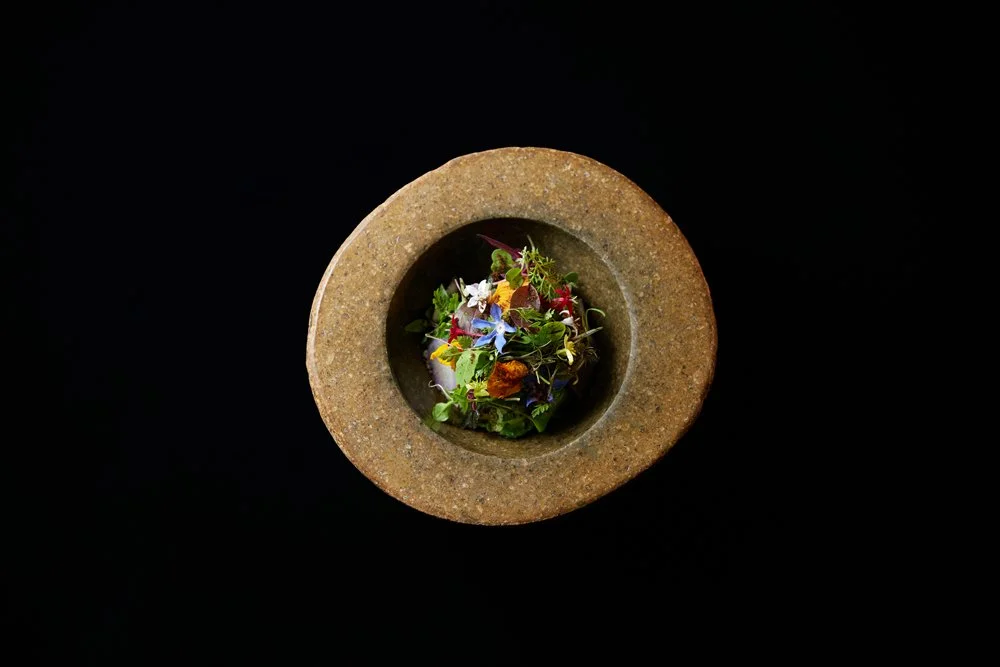
Narisawa
Address: 2-6-15 Minami Aoyama, Minato City, Tokyo
Vibe: Quiet, cerebral, deeply refined
Price: $$$$
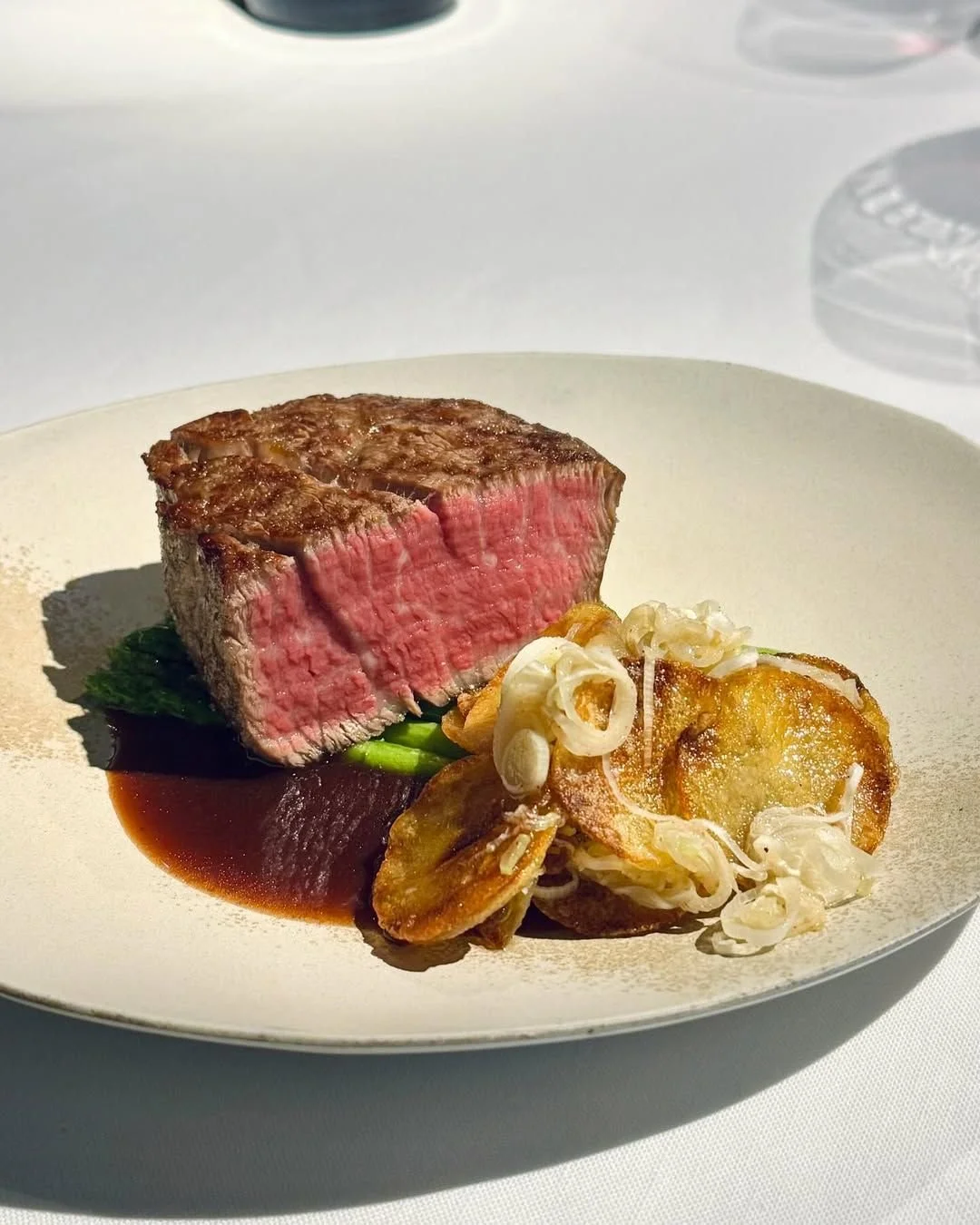
Must order: The full tasting menu
Narisawa is one of the most intellectually serious restaurants in the world, and the experience reflects that gravity without feeling stiff. The cooking draws heavily on Japan’s natural landscapes and seasons, blending French technique with a distinctly Japanese sense of restraint. Every course is deliberate and quietly astonishing, making this a meal you remember not for drama, but for depth. It’s Tokyo fine dining at its most thoughtful.
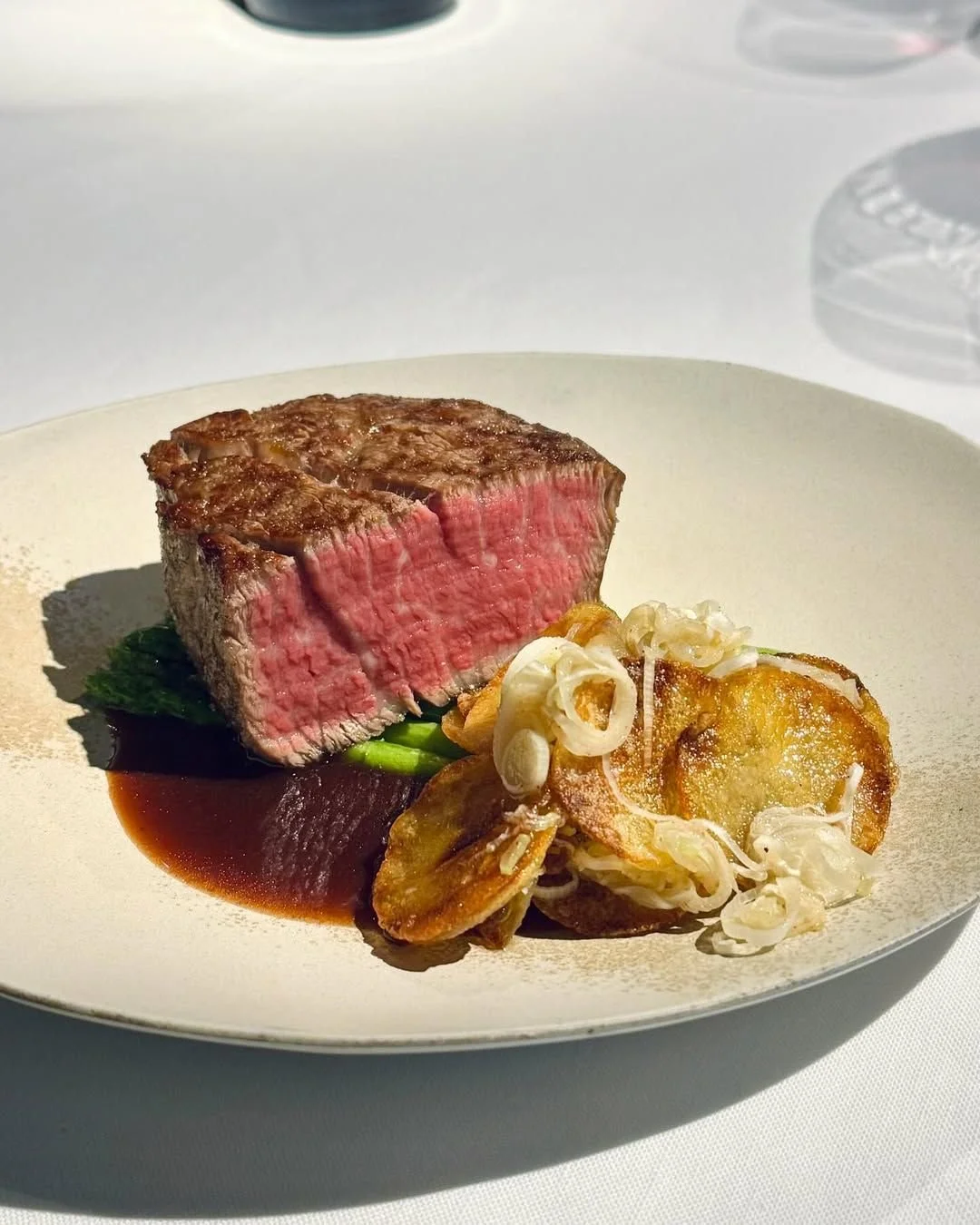
Image courtesy of Narisawa
L’Effervescence
Address: 2-26-4 Nishiazabu, Minato City, Tokyo
Vibe: Warm, elegant, quietly confident
Price: $$$$
Must order: Seasonal tasting menu
L’Effervescence manages something rare at this level: true refinement paired with generosity and ease. The cooking is modern and precise, but the atmosphere remains human and welcoming, never intimidating. Dishes are subtle rather than showy, allowing ingredients and technique to speak for themselves. This is a splurge that feels genuinely pleasurable, not performative.
Image courtesy of L’Effervescence
Den
Address: 2-3-18 Jingumae, Shibuya City, Tokyo
Vibe: Playful, creative, intimate
Price: $$$$
Must order: Chef’s tasting menu
Den breaks nearly every unspoken rule of Japanese fine dining — and does so with total confidence. The food is imaginative and sometimes irreverent, but always technically rigorous and deeply seasonal. The atmosphere is relaxed, almost mischievous, yet the cooking never slips into gimmickry. It’s one of the most memorable splurge meals in Tokyo precisely because it refuses to be precious.
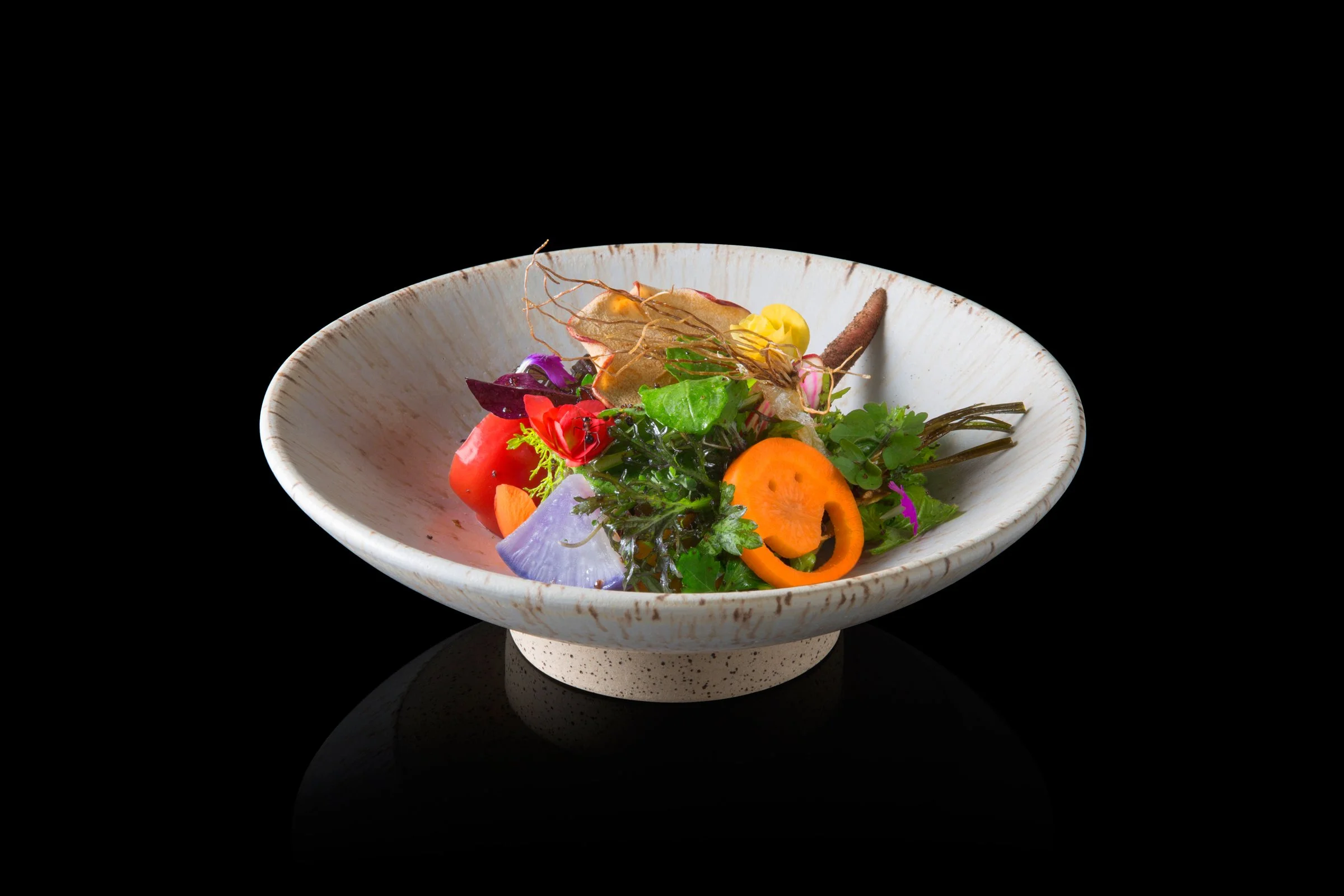
Image courtesy of Den
Sazenka
Address: 2-7-1 Minami Aoyama, Minato City, Tokyo
Vibe: Formal, polished, serene
Price: $$$$
Must order: Multi-course Cantonese tasting menu
Sazenka offers a completely different expression of luxury dining in Tokyo. Rooted in Cantonese cuisine but filtered through Japanese precision, the food is delicate, restrained, and meticulously balanced. The experience feels ceremonial without being rigid, and the flavors linger quietly rather than announce themselves. A splurge for diners who appreciate subtlety and control over spectacle.
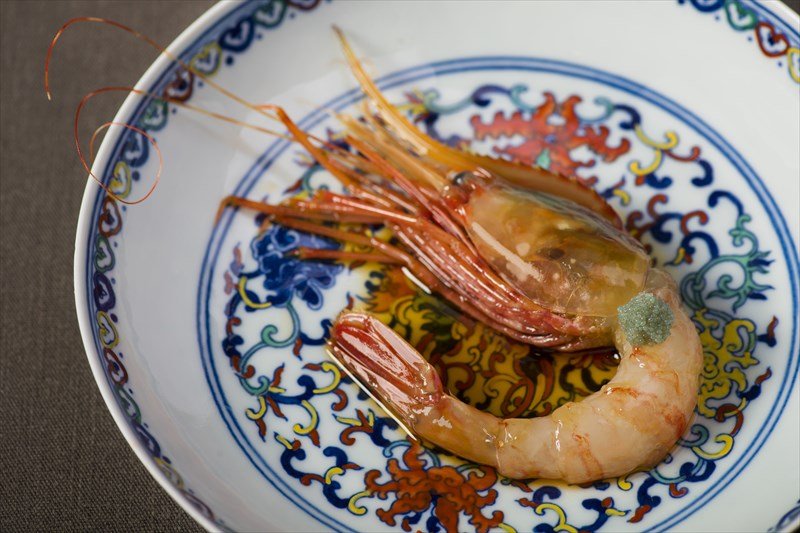
Image courtesy of Sazenka
Sukiyabashi Jiro
Address: Basement, Tsukamoto Sogyo Building, Ginza, Chuo City, Tokyo
Vibe: Intense, disciplined, iconic
Price: $$$$
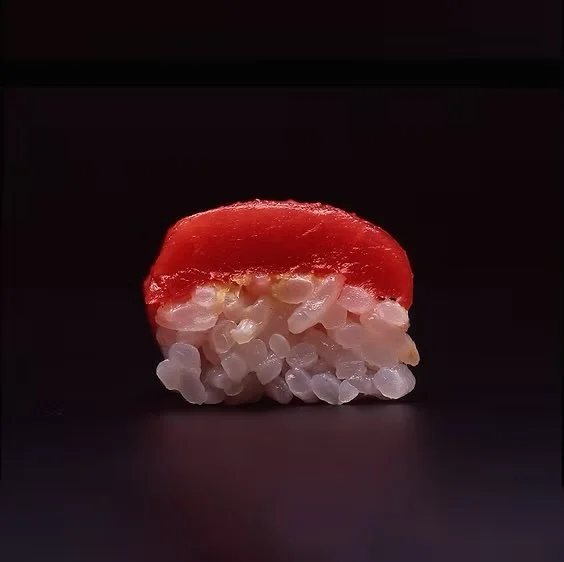
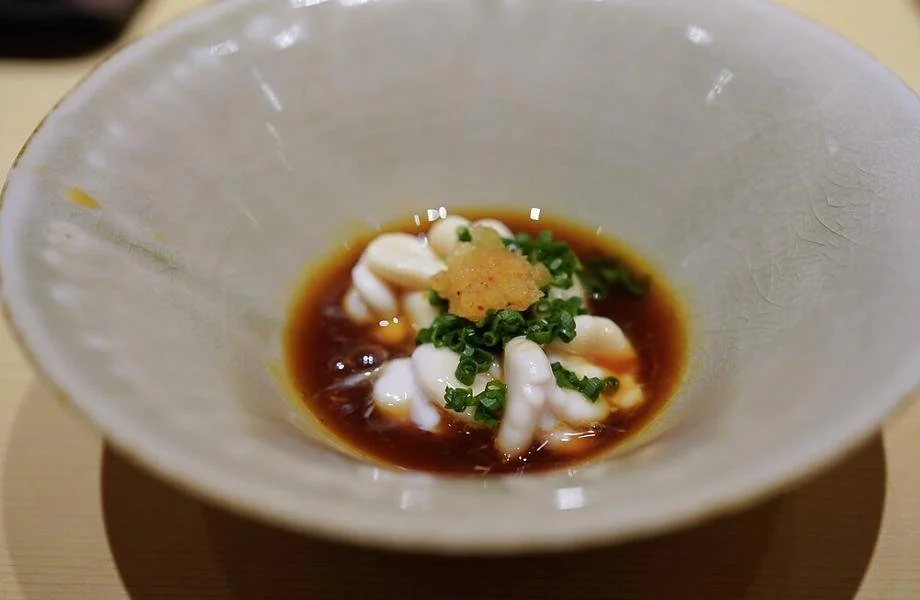
Must order: Omakase only
Dining at Sukiyabashi Jiro is less about comfort and more about witnessing mastery. The meal is short, focused, and uncompromising, with absolute attention paid to temperature, timing, and balance. There is no flexibility and no theatrics — just decades of refinement distilled into a sequence of perfect bites. It’s a splurge that feels almost ceremonial. It’s hard to get a reservation, but completely worth it.
Image courtesy of Sukiyabashi Jiro
Sushi Saito
Address: Japan, 〒106-0032 Tokyo, Minato City, Roppongi, 1 Chome−4−5 1F
Vibe: Ultra-exclusive, precise, serious
Price: $$$$
Must order: Omakase only
Sushi Saito is often spoken about in near-mythical terms, and for good reason. The experience is stripped of distraction, focusing entirely on fish, rice, and the chef’s extraordinary control of both. Reservations are notoriously difficult, but for those who secure a seat, the reward is sushi at its most exacting and pure. This is splurge dining for true devotees.
Image courtesy of World’s 50 Best
Florilège
Address: 2-6-16 Jingumae, Shibuya City, Tokyo
Vibe: Modern, architectural, calm
Price: $$$$
Must order: Seasonal tasting menu
Florilège bridges French technique and Japanese sensibility with remarkable clarity. The open kitchen creates a sense of transparency, but the focus remains on balance and flavor rather than performance. Dishes are contemporary, elegant, and grounded, making this a splurge that feels modern without chasing trends. Thoughtful, precise, and deeply satisfying.
Image courtesy of Florilège
Hommage
Address: 2-17-13 Asakusa, Taito City, Tokyo
Vibe: Intimate, personal, quietly luxurious
Price: $$$$
Must order: Seasonal tasting menu
Tucked away in Asakusa, Hommage offers a more intimate interpretation of high-end dining. The cooking is rooted in French tradition but delivered with warmth and generosity, and the service feels genuinely personal. It’s refined without being formal, making it a wonderful choice for a splurge that still feels relaxed and human.
Image courtesy of Hommage
Where We Wake Up
We take breakfast seriously.
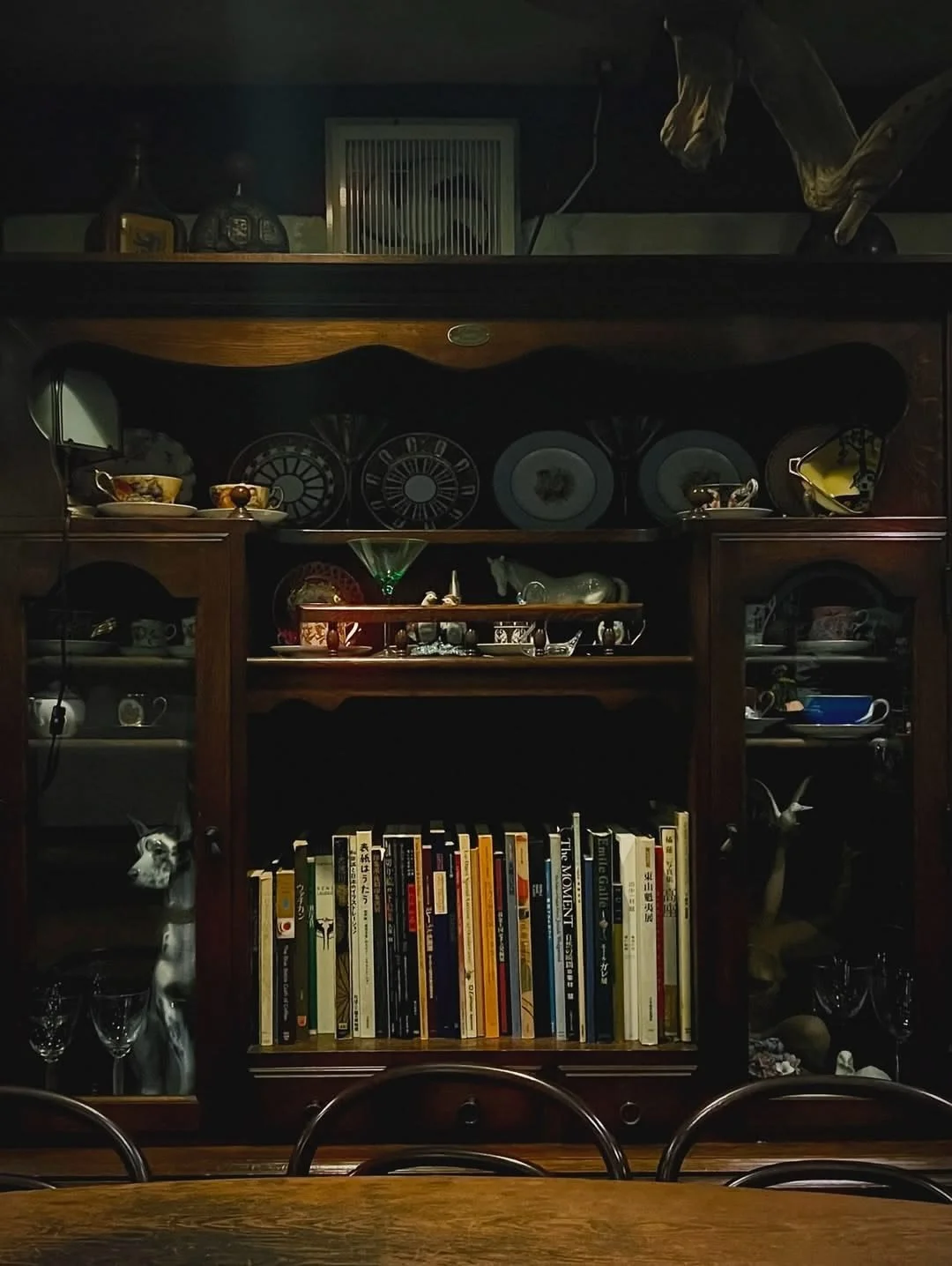
Chatei Hatou
Address: 1-15-19 Shibuya, Shibuya City, Tokyo
Vibe: Old-school, unhurried, deeply serious about coffee
Price: $
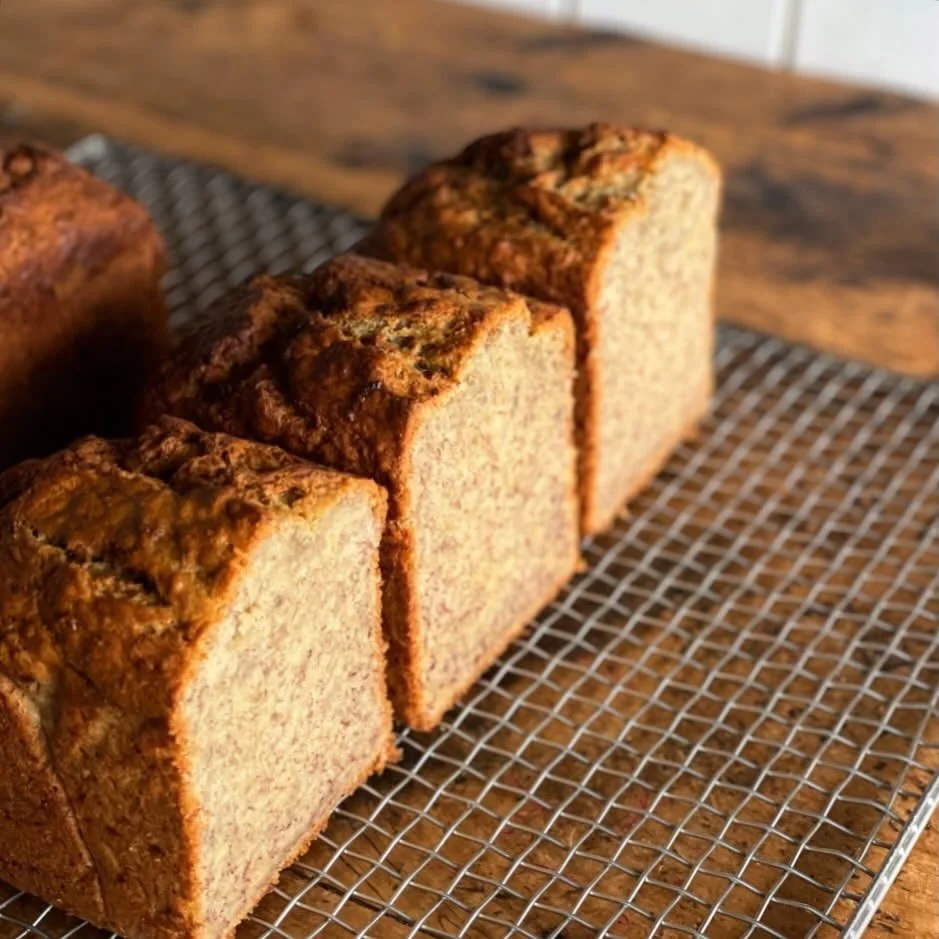
Must-order: Hand-drip single origin; any of the toast sets; the blended coffee if you want to understand what they're capable of
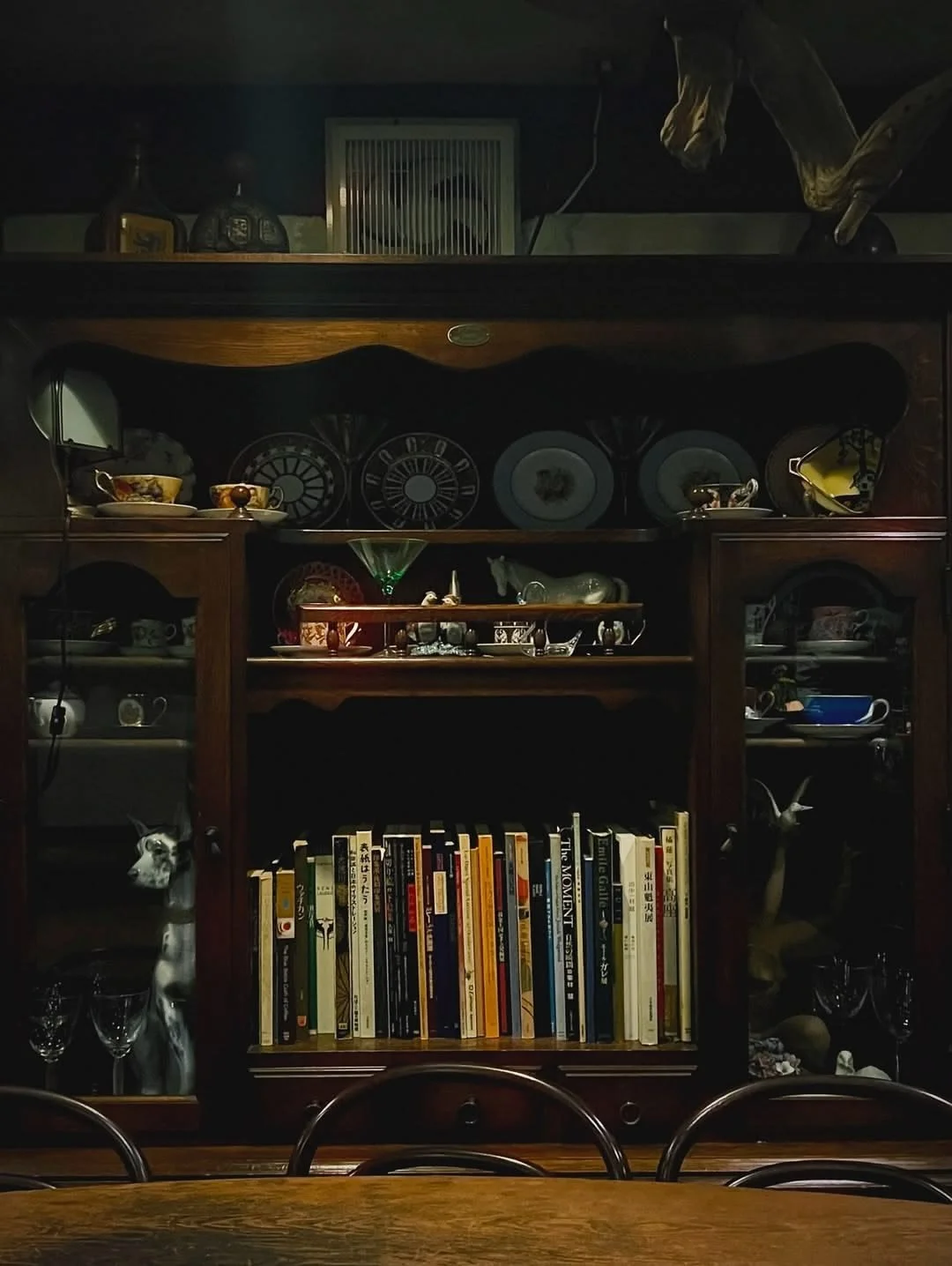
Image courtesy of Chatei Hatou
The kind of kissaten that reminds you why Japan does everything slowly and on purpose. Chatei Hatou has been quietly perfecting coffee since 1989 — hand-ground, siphon-brewed, served at the right temperature by people who treat it as a discipline, not a transaction. The interior is dark wood and vinyl records and morning light through old curtains. There is no Wi-Fi. There is no need for it.
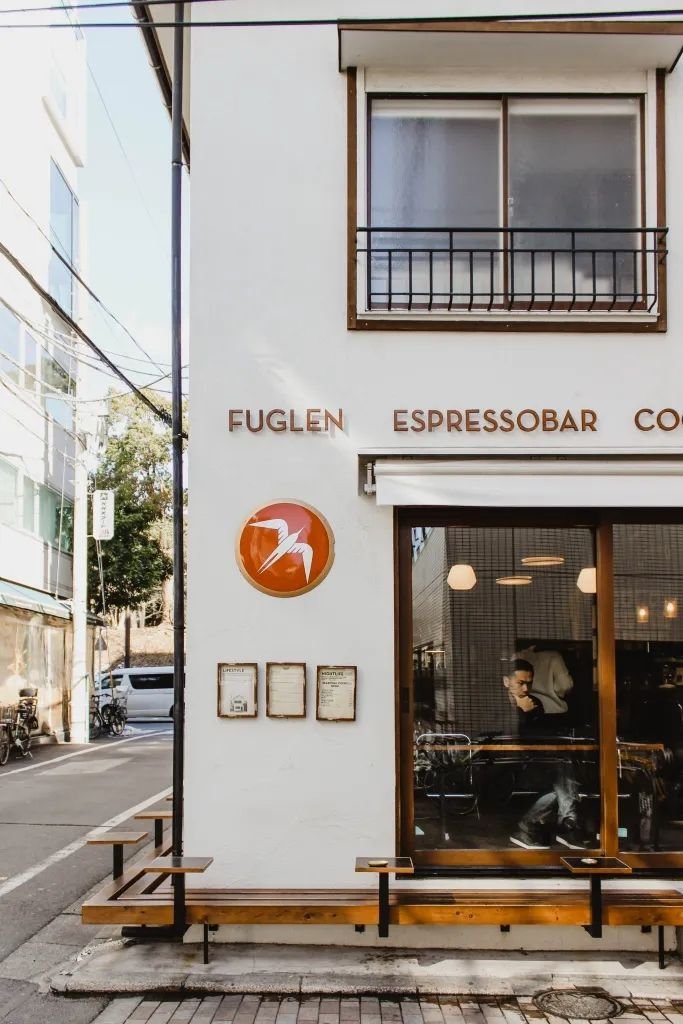
Fuglen Tokyo
Address: 1-16-11 Tomigaya, Shibuya City, Tokyo
Vibe: Nordic-Japanese, unhurried, design-conscious
Price: $$
Must-order: Filter coffee; seasonal single-origin pour-over; cardamom bun when available
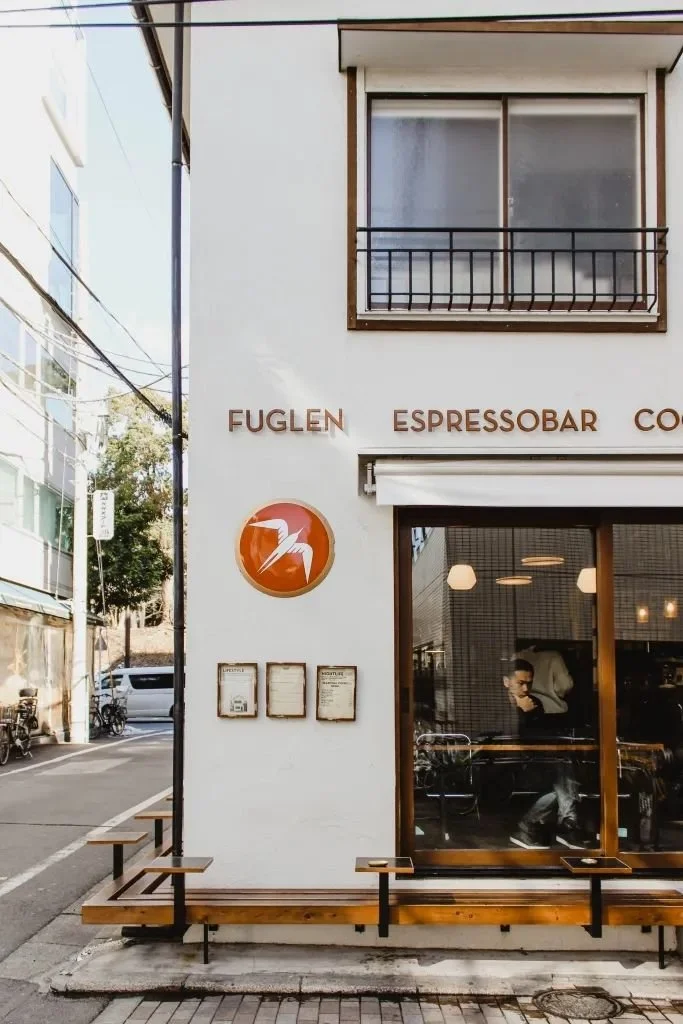
Image courtesy of chdpillar
An Oslo coffee bar that landed in Tomigaya and immediately became a neighborhood institution. The daytime version is all precision pour-overs, clean Scandinavian design, and a terrace that's always slightly too full. By evening, it becomes a cocktail bar. At 8am it's exactly what you want — quiet, excellent, and surrounded by people who also walked here on purpose.
Daily by Long Track Foods
Address: 1 Chome-13-10 Komachi, Kamakura, Kanagawa 248-0006, Japan
Vibe: Casual, food-forward, deceptively simple
Price: $$
Must-order: Ricotta hotcakes; poached eggs on toast; filter coffee from a rotating roster of Japanese roasters
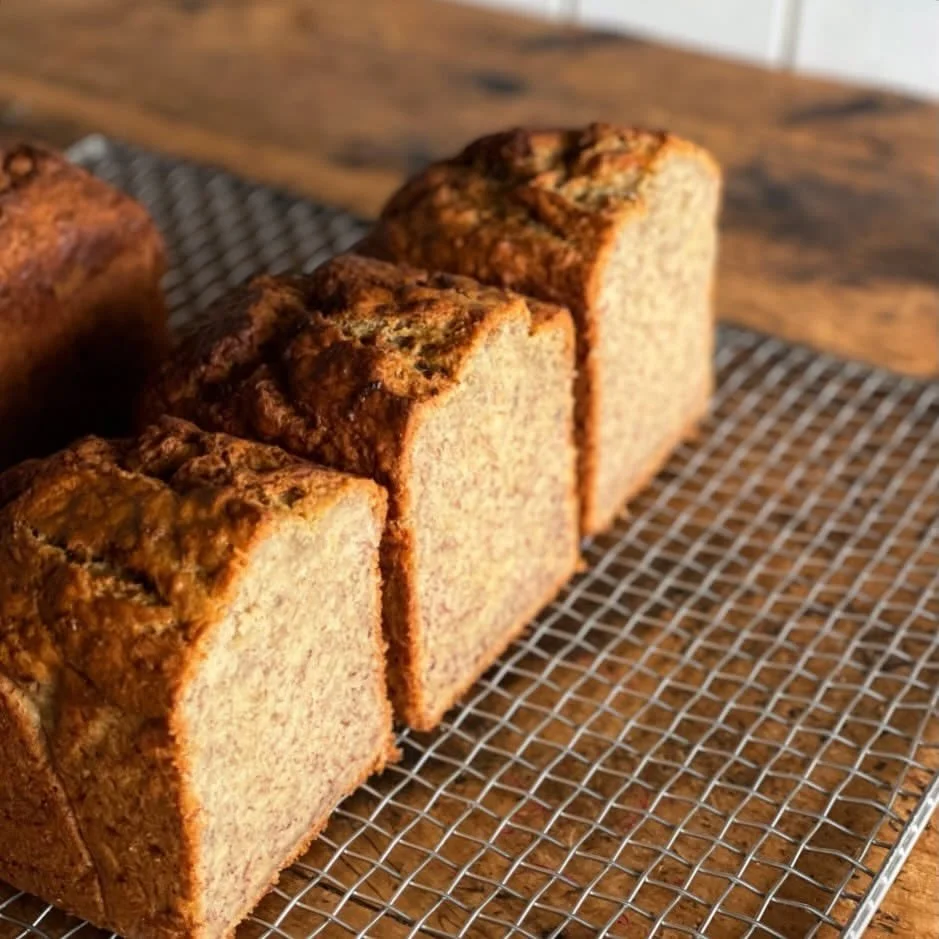
Image courtesy of Long Track Foods
This is the Australian expat breakfast spot that went local and never looked back. Excellent eggs, proper coffee, and the kind of ricotta hotcakes that justify the wait. The room is small and always busy, which is the point — it feels like somewhere people actually want to be rather than somewhere that wants to be seen. Bring cash.
Street Eats
Cheap and legendary.
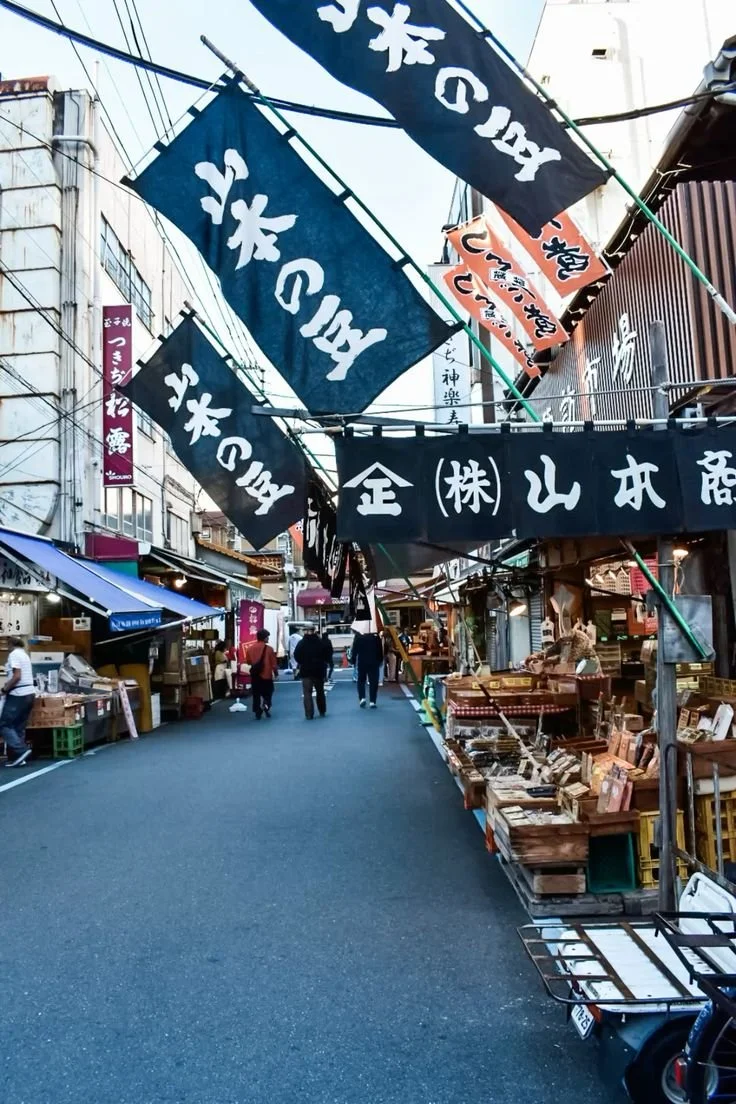
Tsukiji Outer Market
Address: 4-16-2 Tsukiji, Chuo City, Tokyo
Vibe: Market energy, early morning, no seats
Price: $
Must-order: Tuna hand roll from Tsuji-ya; tamagoyaki from Marutake; fresh oysters from any stall with a line; grilled scallop on a stick
Image courtesy of The Long Way Travel
The inner market moved to Toyosu. The outer market stayed, and it's still the right call for a morning in Tokyo. The stalls along Uogashi Yokocho open early — by 6am most of the tamagoyaki, uni, and tuna hand rolls are already going. It's crowded, it's a little chaotic, and the food is as good as anything you'll pay three times as much for elsewhere. Walk slowly, eat standing up, don't plan anything afterward.
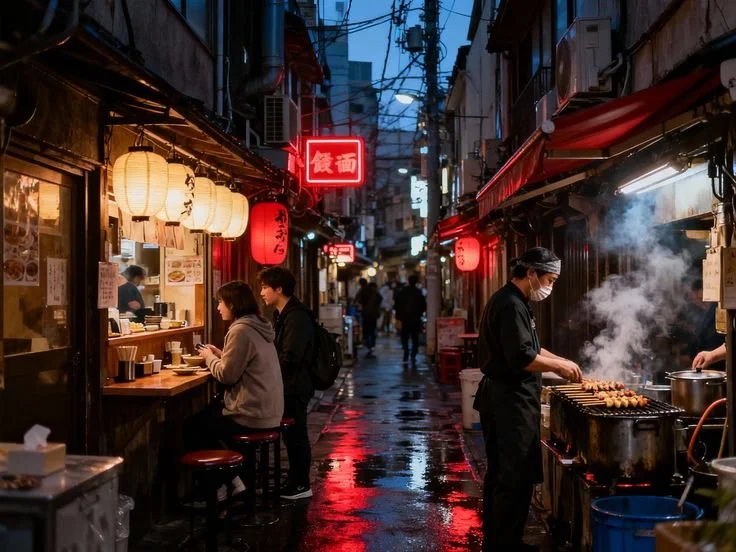
Yurakucho Yakitori Alley
Address: Under the JR tracks between Yurakucho and Shimbashi stations, Chiyoda/Minato, Tokyo
Vibe: Postwar grit, smoke, perfectly casual
Price: $
Must-order: Negima (chicken and spring onion); tsukune (chicken meatball); liver for the brave; cold Sapporo draft
Image courtesy of Explore Japan Daily
Under the train tracks between Yurakucho and Shimbashi stations, a row of tiny yakitori stalls has been running since the postwar era and shows no signs of stopping. Smoke, salarymen, cold beer in plastic cups, skewers of chicken cooked over charcoal. The whole scene costs almost nothing and feels completely irreplaceable. Come after 5pm when the grills are hot and the trains rattle overhead every few minutes.
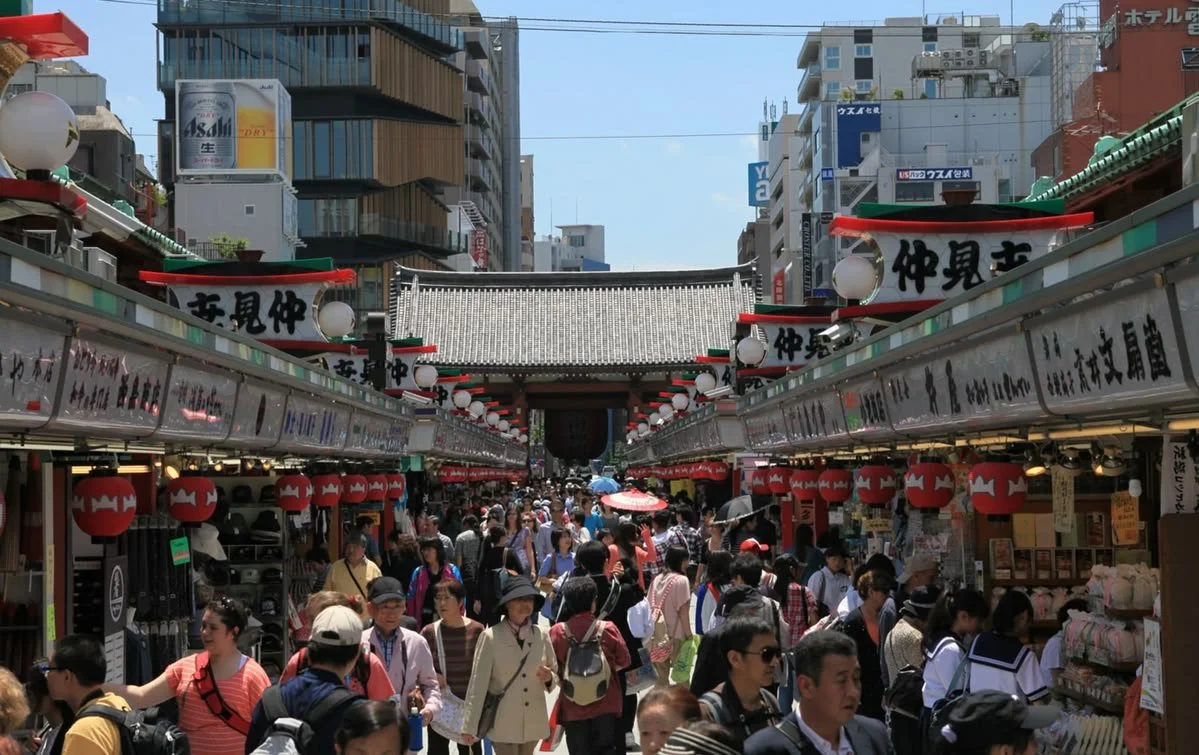
Nakamise-dori
Address: Nakamise-dori, Taito City, Tokyo (leading to Senso-ji Temple)
Vibe: Historic, touristy but forgivable, genuinely delicious in spots
Price: $
Must-order: Fresh ningyo-yaki; age-manju (deep fried red bean bun); melonpan from the side streets
Image courtesy of JNTO
The approach to Senso-ji is lined with snack stalls that have been feeding visitors for centuries, and a few of them are genuinely worth stopping for rather than walking past. Ningyoyaki (small cakes filled with red bean paste molded into shapes) fresh from the mold, melonpan from the bakeries on side streets, ningyo-yaki hot from the iron. Skip the tourist-facing souvenir shops and focus on anything being cooked in front of you.
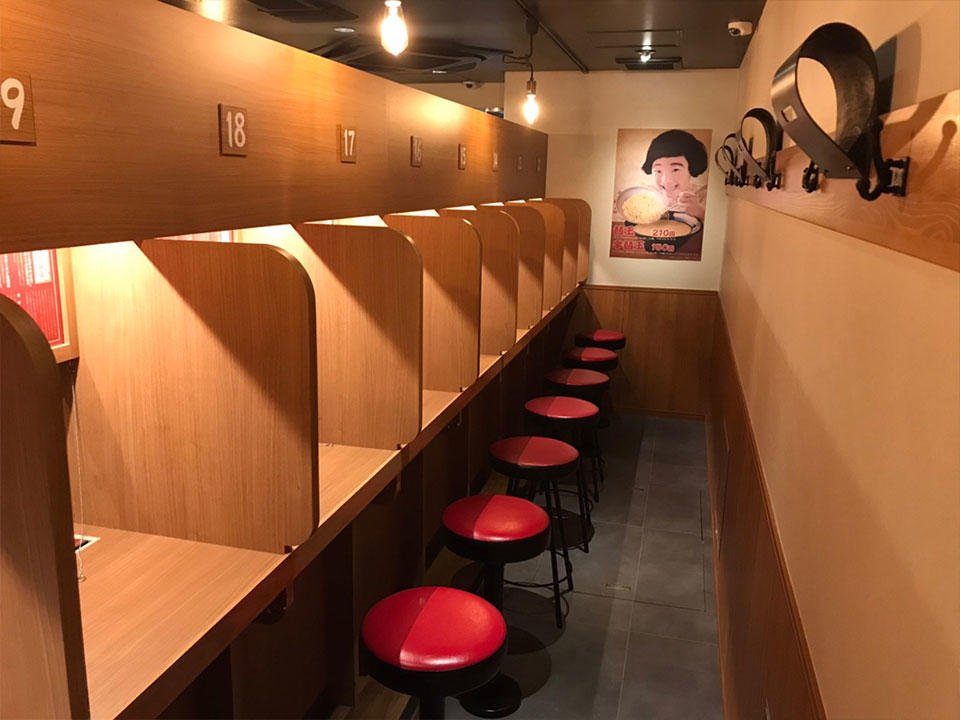
Ichiran Ramen
Address: Multiple locations; Shibuya, Shinjuku, and Harajuku are most convenient
Vibe: Solitary, focused, oddly meditative
Price: $
Must-order: Tonkotsu ramen, fully customized; extra noodles if you want them; nothing else is on the menu
Image courtesy of JNTO
Ichiran is technically a chain. It is also one of the most efficient, intensely focused eating experiences Japan offers. You fill out a form specifying exactly how you want your tonkotsu — spice level, richness, noodle firmness, garlic, green onions — sit in a solo booth, lower a bamboo screen, and eat in complete, uninterrupted concentration. It sounds strange. It is absolutely correct. The ramen is excellent. The silence is a feature.
Sweet Tooth
Desserts and such.
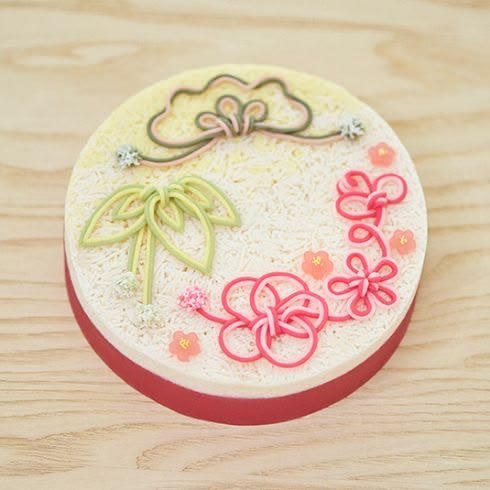
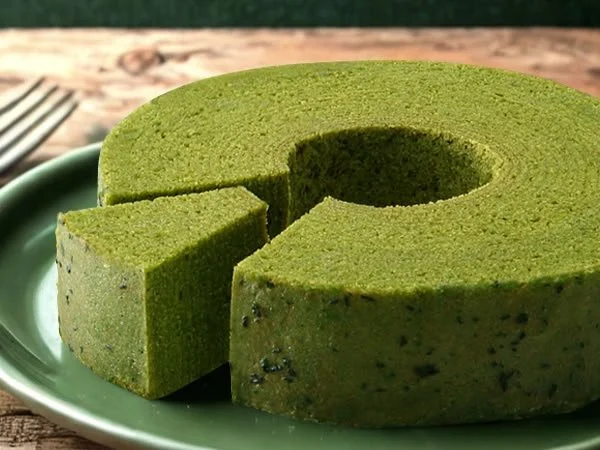
Toraya
Address: Multiple locations; Roppongi Hills branch at 6-12-2 Roppongi, Minato City, Tokyo
Vibe: Historic, precise, quietly imperial
Price: $$
Must-order: Seasonal yokan — the flavor changes quarterly and is always worth it; monaka (wafer filled with bean paste); any seasonal namagashi if available
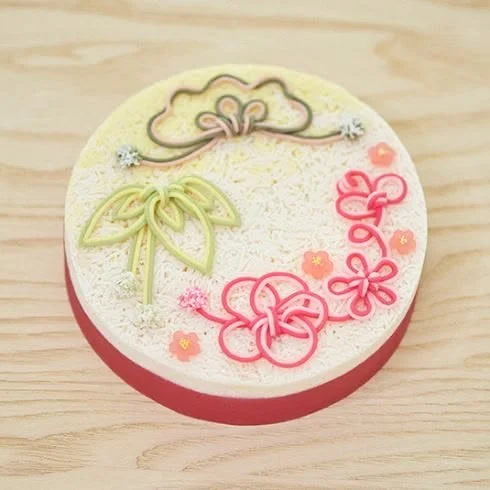
Image courtesy of Toraya
Five hundred years old, originally from Kyoto, supplier to the imperial court, and still the most serious wagashi house in Japan. Toraya's yokan — dense, slow-cooked blocks of sweetened red bean paste — are the benchmark against which everything else is measured. The Roppongi Hills branch has a gallery and a tearoom. The Ginza branch is quieter. Either way, buy something, sit down, order tea, and understand that this is what Japanese sweets are supposed to taste like.
Minamoto Kitchoan
Address: 7-8-14 Ginza, Chuo City, Tokyo
Vibe: Refined, seasonal, gift-worthy
Price: $$
Must-order: Riku no Hoju (whole Muscat grape in soft mochi, when in season); seasonal mochi assortment; any fruit-based wagashi on display
Image courtesy of Minamoto Kitchoan
The more accessible, slightly younger counterpart to Toraya. Kitchoan's strength is seasonal wagashi made with whole fruit — their Muscat of Alexandria wrapped in soft mochi is one of the most beautiful things you can eat in Japan. The Ginza flagship has a café upstairs where you can sit with a selection of sweets and green tea. Buy a gift box, eat one immediately, don't save them — wagashi are always best fresh.
Saryo Suisen
Address: Multiple Tokyo locations; Shibuya branch near scramble crossing
Vibe: Calm, matcha-forward, quietly cult
Price: $$
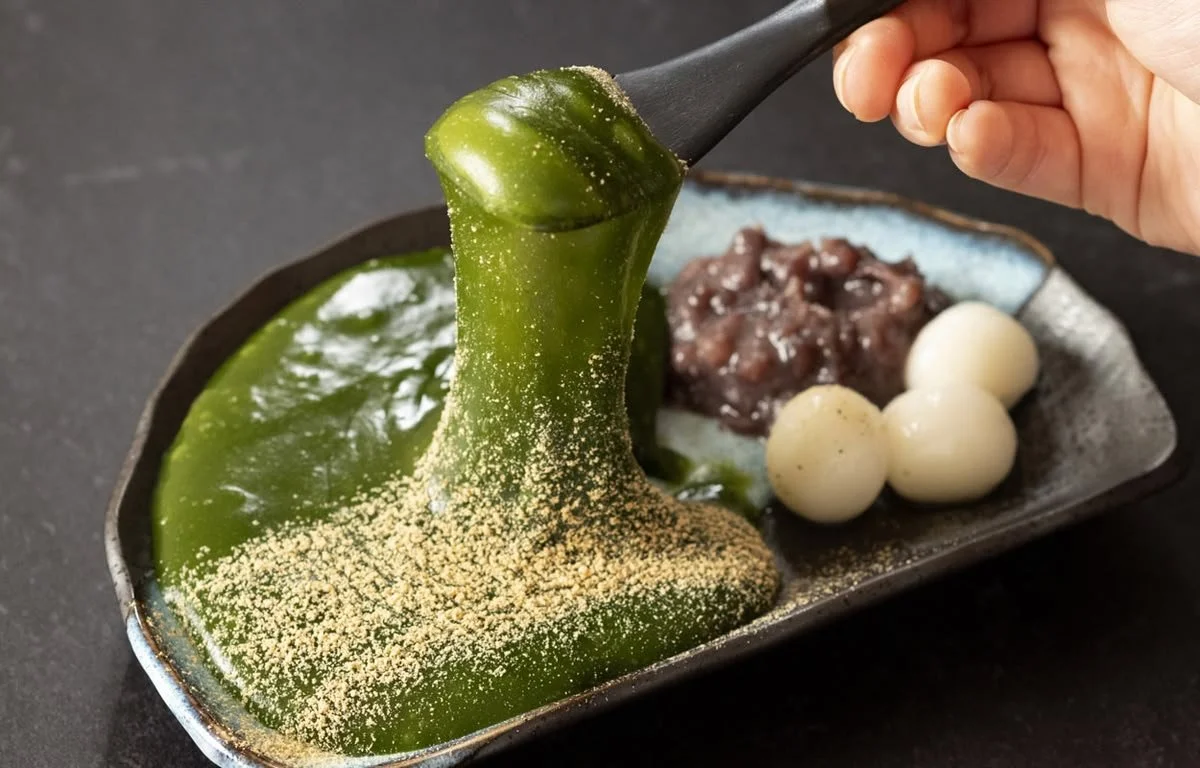
Must-order: Warabimochi with strong matcha; the matcha soft serve with kinako; bitter matcha option if you want to go deep
Image courtesy of Saryo Suisen
A Kyoto matcha café that came to Tokyo and brought its warabimochi with it. The version here — bracken starch jelly, soft and barely sweet, dusted in kinako powder, drizzled with kuromitsu — is served hot or cold with a pot of gyokuro tea. It's not ice cream, it's not a cake, and it is completely addictive. The Shibuya location is easiest to get to; come between lunch and dinner when the line is manageable.
Mizuho
Address: 6-8-7 Jingumae, Shibuya-ku, one minute from Harajuku Station's Takeshita exit, open Tuesday through Saturday 9am–12pm or until sold out
Vibe: Old-school counter, no ceremony, very serious about one thing
Price: $
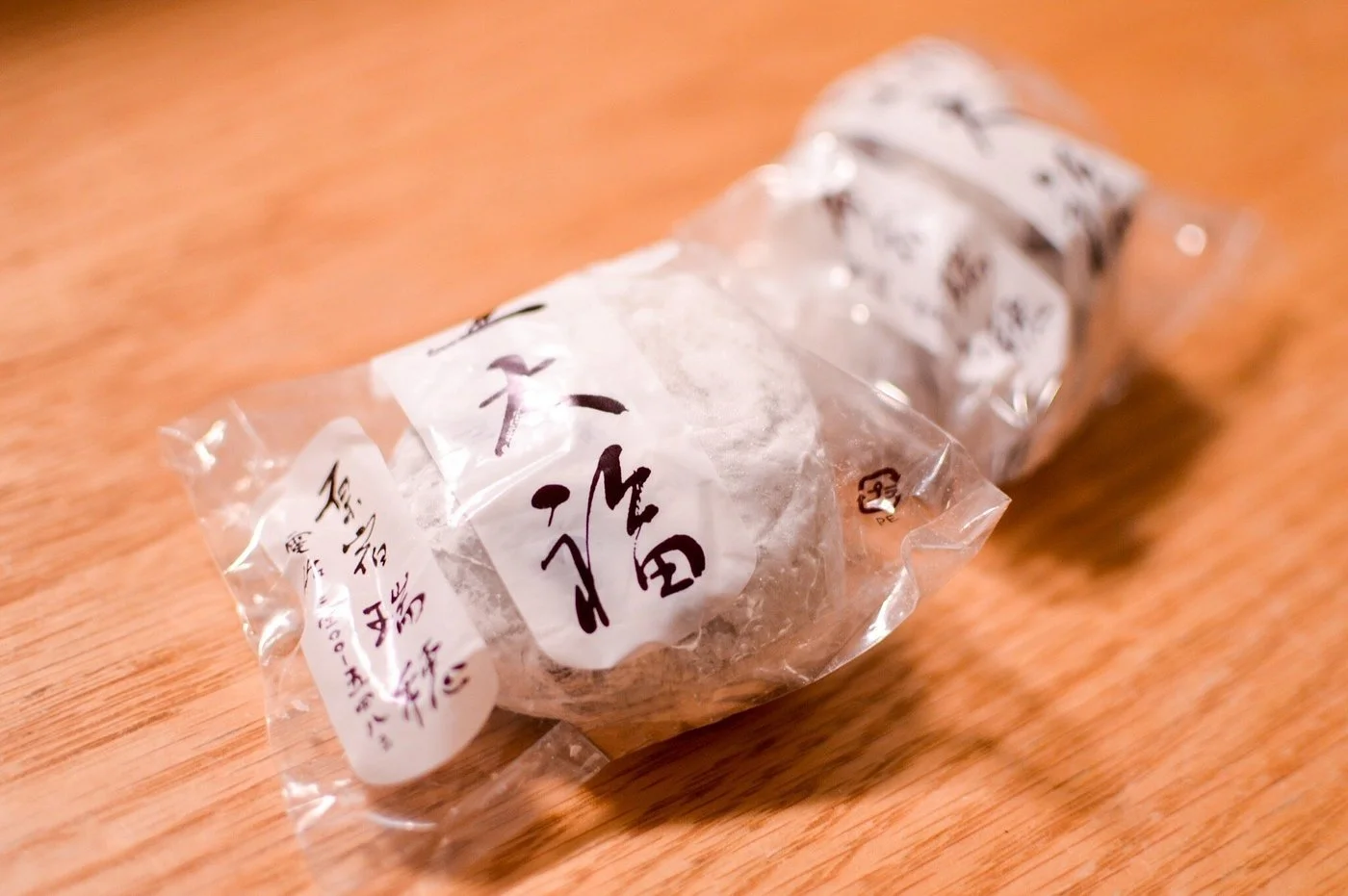
Must-order: Mame daifuku — the only reason to come, and reason enough; buy two, eat one immediately, save one for an hour later when you realize you want another
Image courtesy of Trip Advisor
A ten-minute walk from Harajuku Station, Mizuho has been making mame daifuku since 1981 using a technique inherited from one of Tokyo's most respected wagashi masters. The result is a mochi layer that's noticeably thicker and chewier than anything you'll find at a department store counter — substantial, slightly salty, wrapped around smooth anko with whole edamame beans folded in. No seating, no matcha latte, no story about the founder on a chalkboard. Just a glass case, a short line, and some of the best daifuku in the city.
The Night Starts Here
The best kind of pregame.
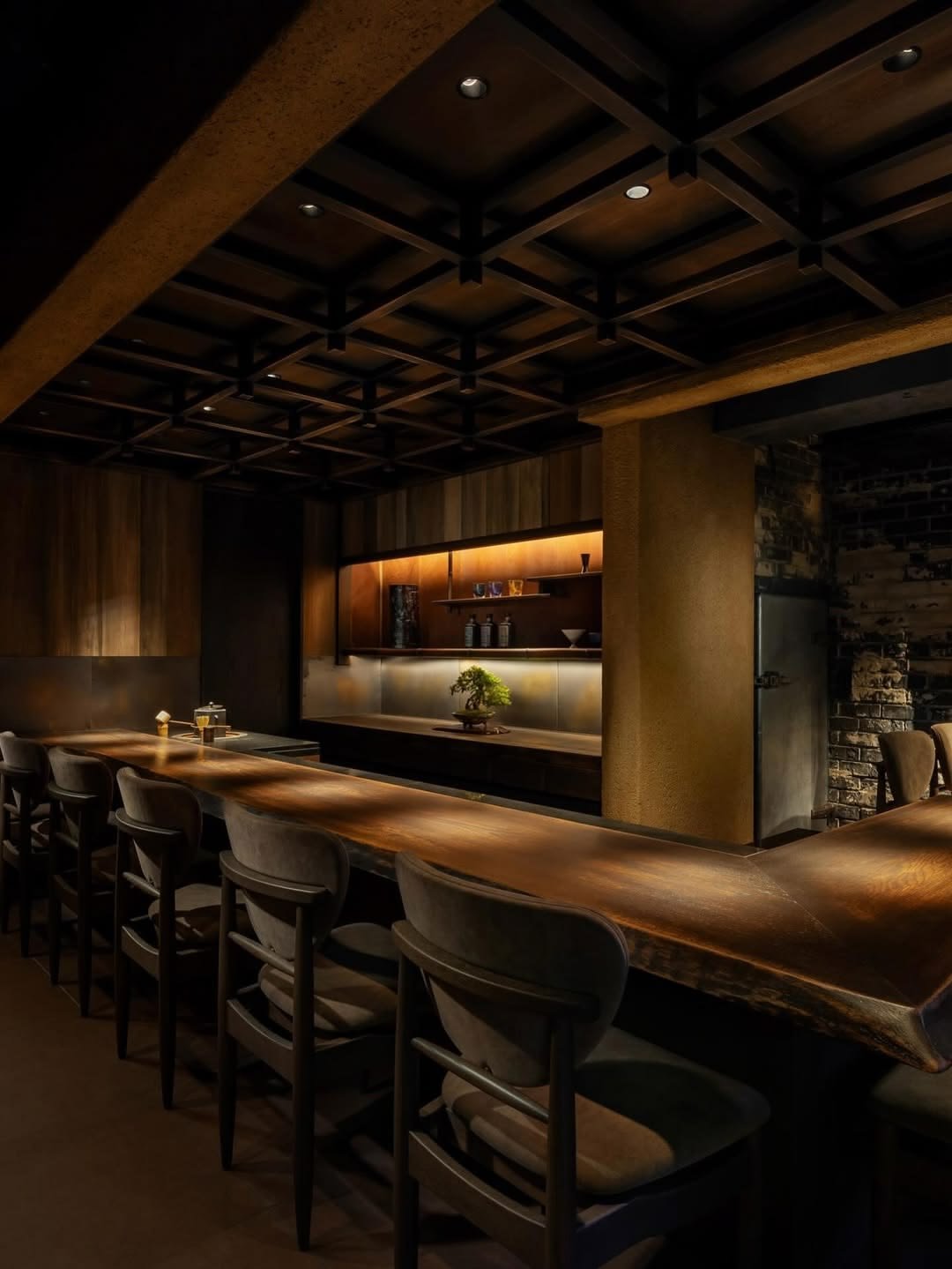
Bar Benfiddich
Address: 9F, 1-13-7 Nishishinjuku, Shinjuku City, Tokyo 160-0023
Phone: 03-6258-0309
Vibe: Apothecary meets alchemy — intimate, focused, unlike anything else
Price: $$$
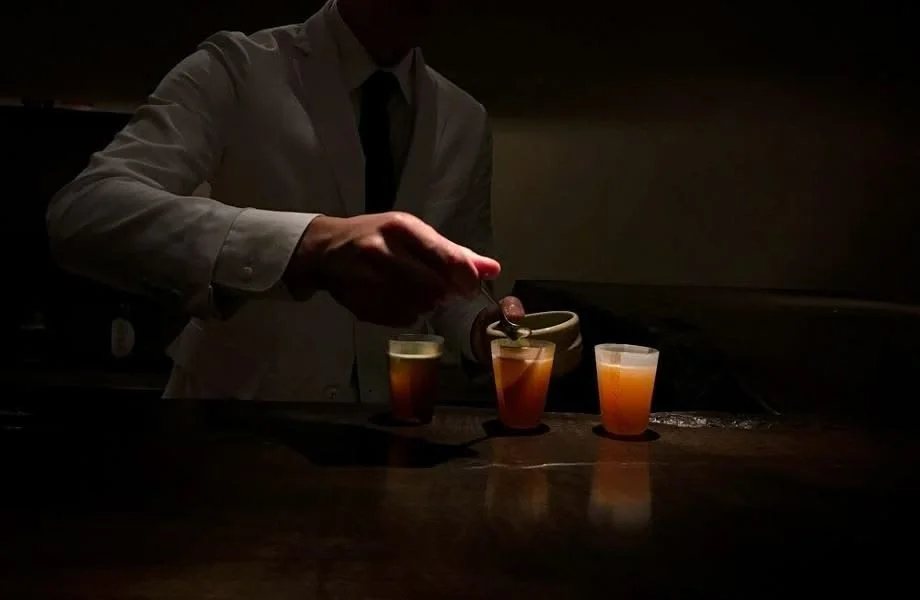
Must-order: Nothing. Tell the bartender a season, a memory, a flavor. Let him work.
Image courtesy of Benfiddich
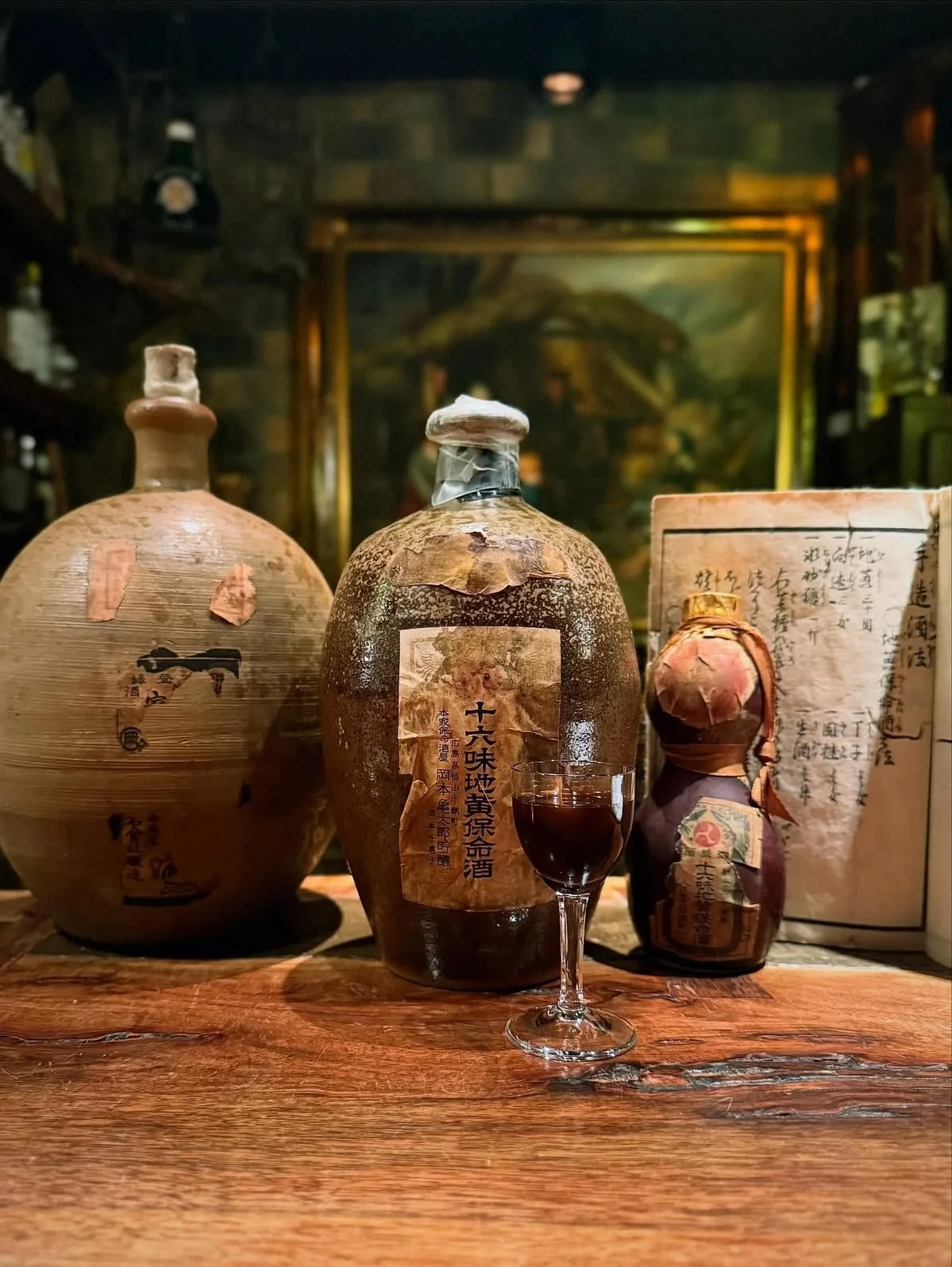
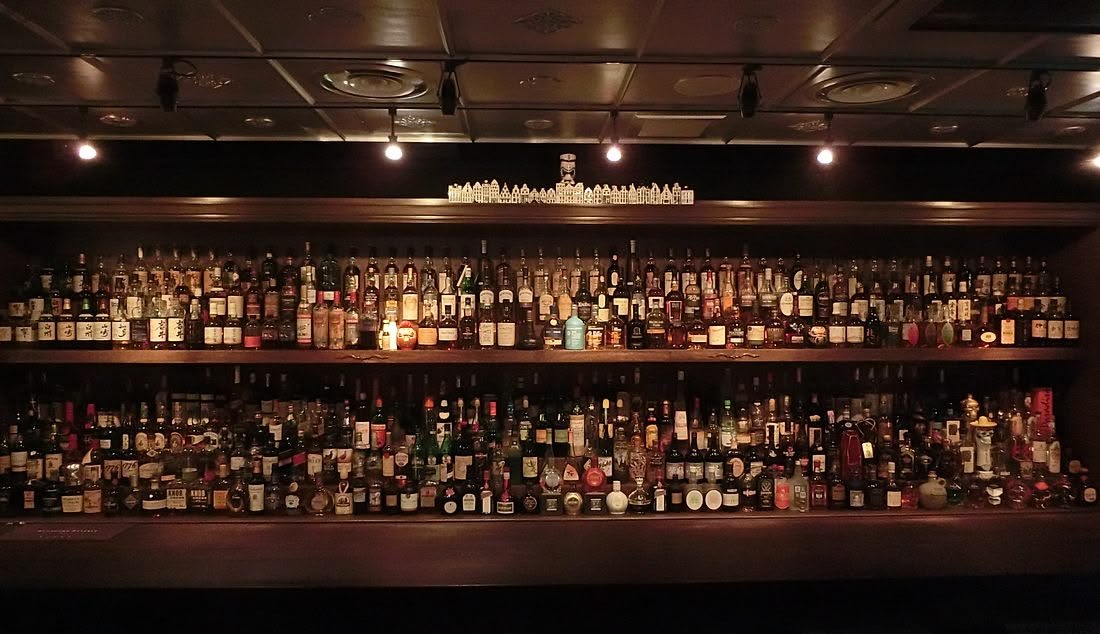
World's 50 Best Bars 2025, ranked #18. Hiroyasu Kayama grows his own herbs on a farm in Chichibu, distills his own absinthe, and has no menu. You sit down, he asks you questions, and what arrives bears no resemblance to anything you've ordered before. The room holds 17 people. The back bar is lined with bottles whose labels fell off decades ago and fresh herbs from that morning. It is one of the most singular bar experiences on the planet and it happens to be on the 9th floor of an office building in Shinjuku.
Book through Tablecheck — three time slots available. Capacity is 17 seats and it fills. Reserve at least a day ahead, more on weekends. This is the one bar in Tokyo that genuinely lives up to every word written about it.
Bar High Five
Address: B1F, Efflore Ginza 5 Bldg, 5-4-15 Ginza, Chuo Ward, Tokyo 104-0061
Vibe: Classical, precise, old-school Ginza in the best possible way
Price: $$$
Must-order: Ask for something classic and watch what happens. The martini is legendary. The old fashioned is better than yours.
Image courtesy of Bar High Five
The other pillar of Tokyo's cocktail world, and in some ways the more approachable one. Hidetsugu Ueno is one of the most respected bartenders alive — precise, classically trained, and completely dedicated to reading the person in front of him. There's no menu here either, but the approach is different from Benfiddich: Ueno asks what you drink, what you feel like, and then makes you the best version of it you've ever had. The basement room in Ginza is small and serious and the service is the definition of omotenashi. No menu, no pressure. Reservations strongly recommended.
Gen Yamamoto
Address: B1F, Efflore Ginza 5 Bldg, 5-4-15 Ginza, Chuo Ward, Tokyo 104-0061
Vibe: Omakase for cocktails — silent, precise, genuinely moving
Price: $$$$
Must-order: The seasonal tasting menu — four or six courses, depending on what's in the ground right now
Image courtesy of World’s 50 Best
Eight seats. One bartender. An omakase cocktail experience built entirely around seasonal Japanese produce — citrus from Ehime, strawberries from Tochigi, stone fruit from Yamagata. Yamamoto trained in New York, came back, and invented something that doesn't exist anywhere else: cocktails that taste like a specific moment in the Japanese agricultural calendar. The 500-year-old Mizunara oak bar was sourced from a single tree. The glasses are chosen for each drink individually. This is not a bar for a casual drink. This is a bar for people who want to understand what cocktails can be when treated with the same seriousness as a tasting menu. Book well in advance. Shows Tuesday through Saturday only.
The SG Club
Address: 1-7-8 Jinnan, Shibuya City, Tokyo 150-0041
Vibe: Two bars in one — casual downstairs, considered upstairs
Price: $$
Must-order: At Sip: the Japanese whisky highball and whatever the seasonal cocktail is. At Guzzle: the house gin and tonic and anything fruit-forward
Image courtesy of The SG Club
Shingo Gokan's multi-floor bar concept in Shibuya is one of the most thought-through drinking experiences in the city. Ground floor is Guzzle — casual, loud, crushable cocktails built for easy drinking. Upstairs is Sip — intimate, serious, the menu reads like a travel journal through Japanese drinking culture. The two rooms share a building and nothing else. Come for Sip if you want craft; come for Guzzle if the night is already underway.
Where We Sleep
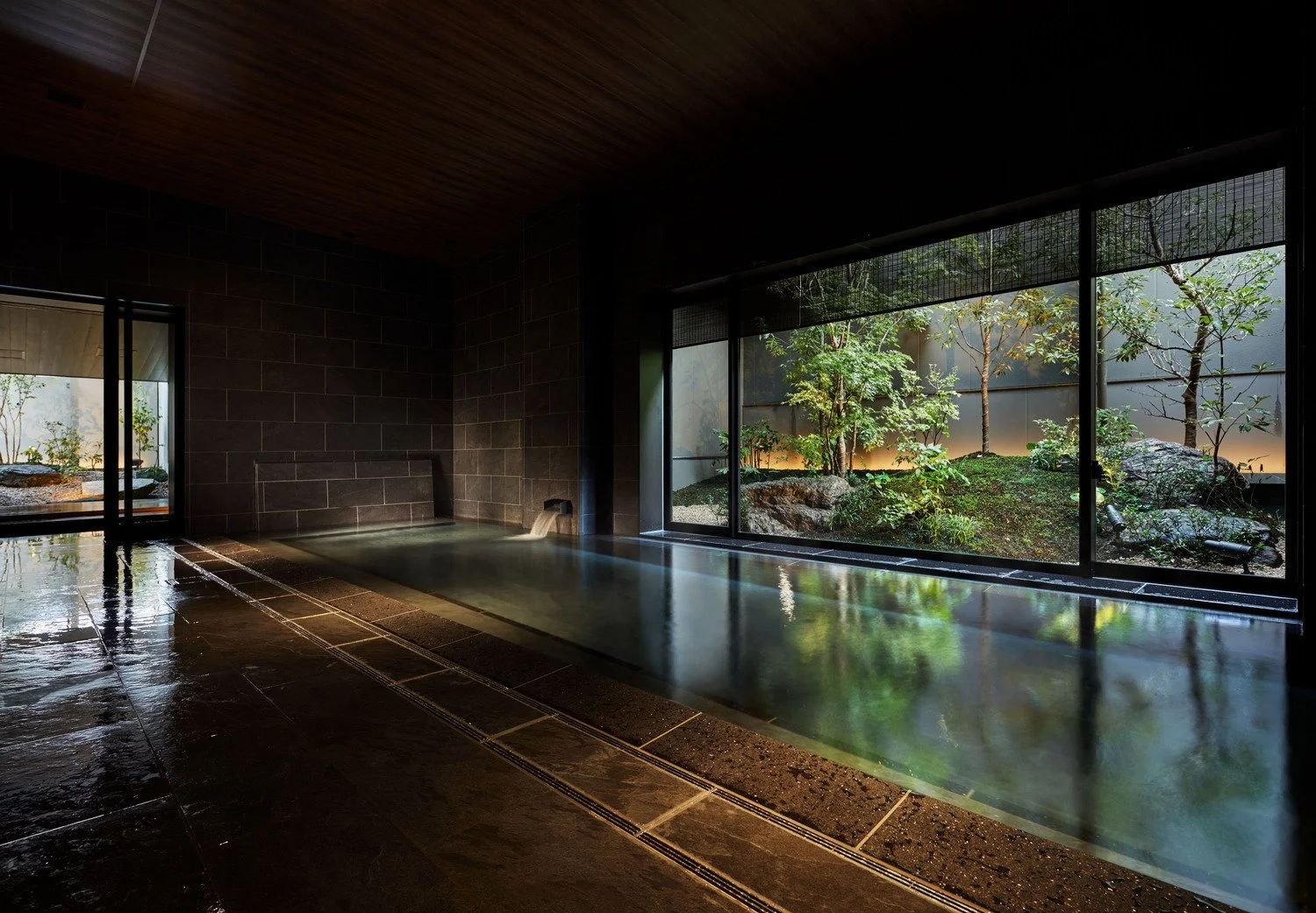
$ - $$
K5
Tokyo
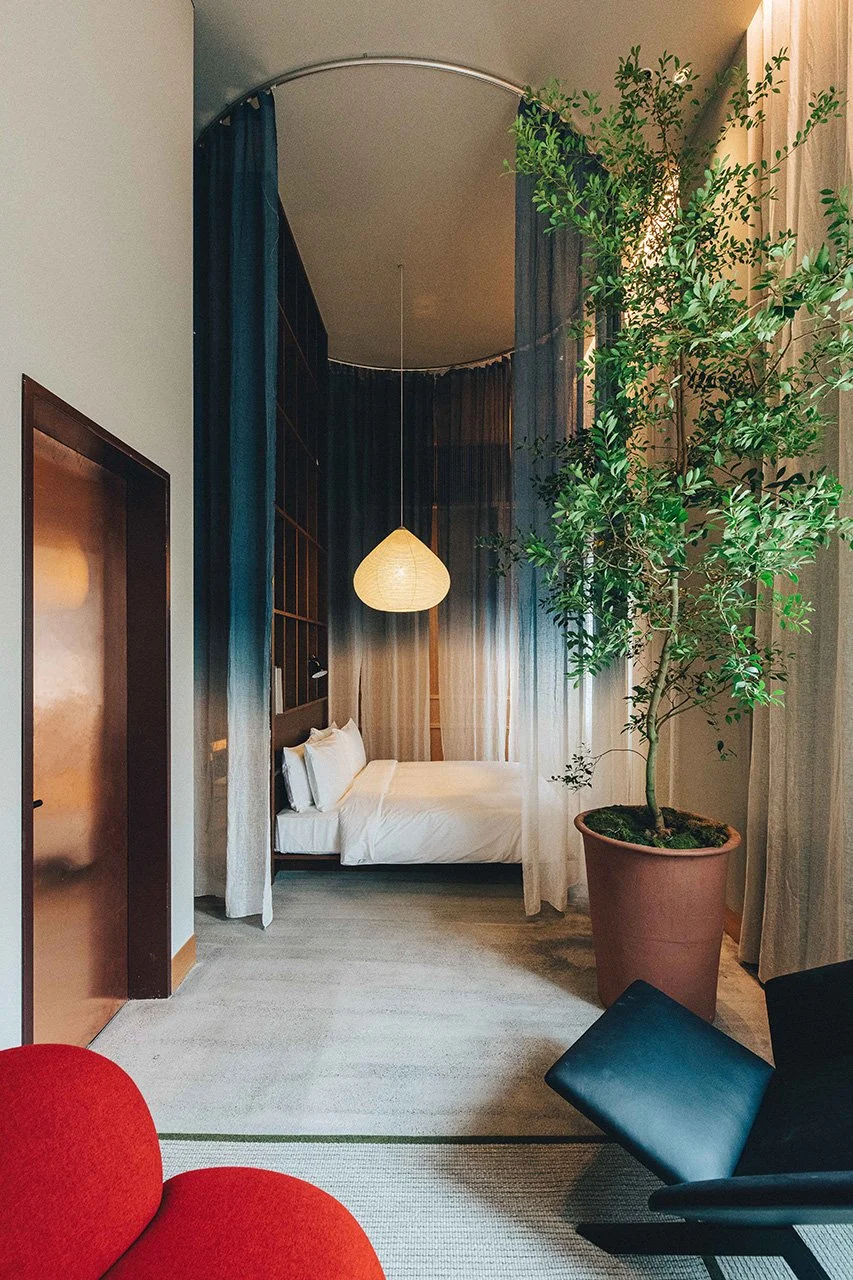
Location: Nihonbashi Kabutocho, Tokyo
Price: ~$300/night
Vibe: Subtle, considered, quietly cool
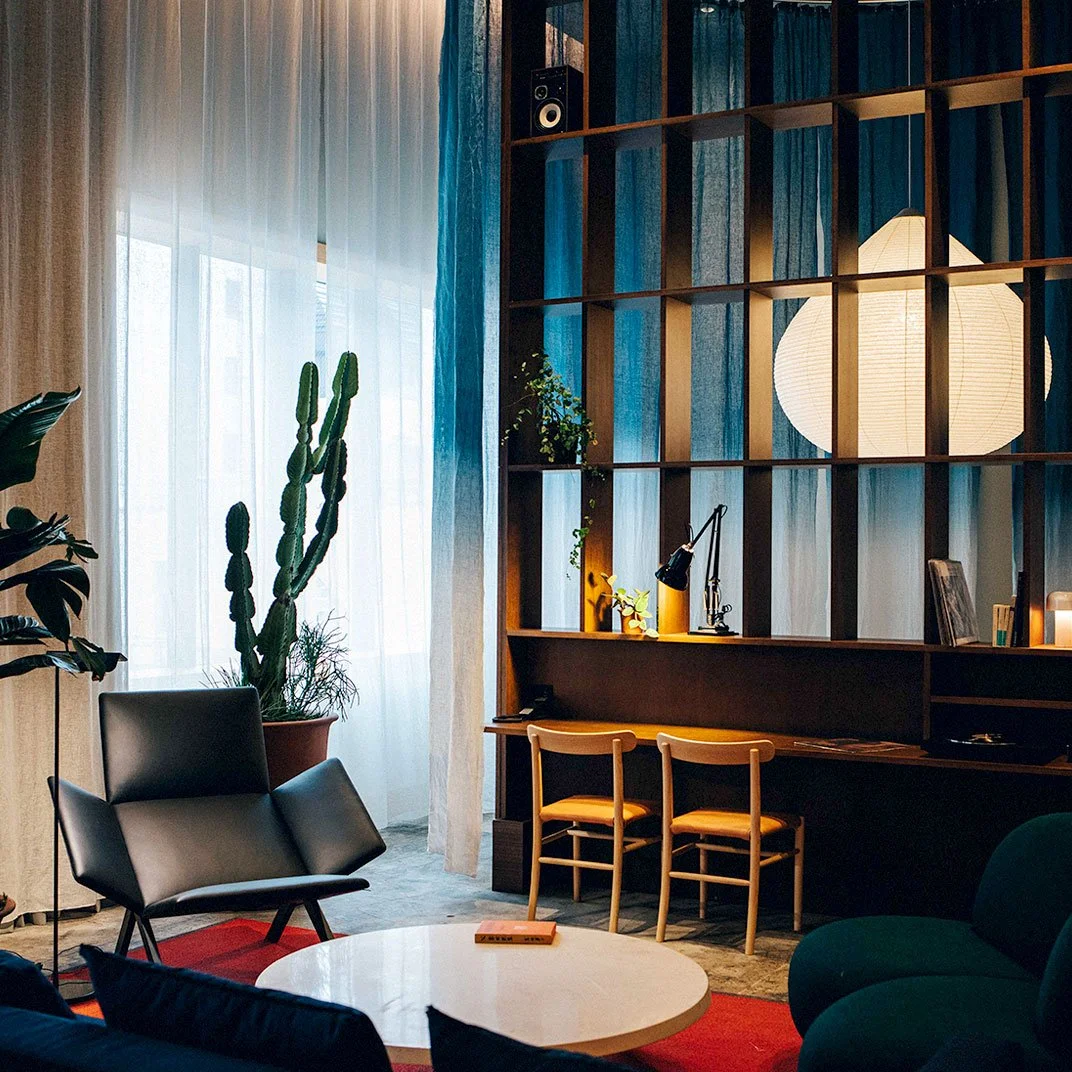
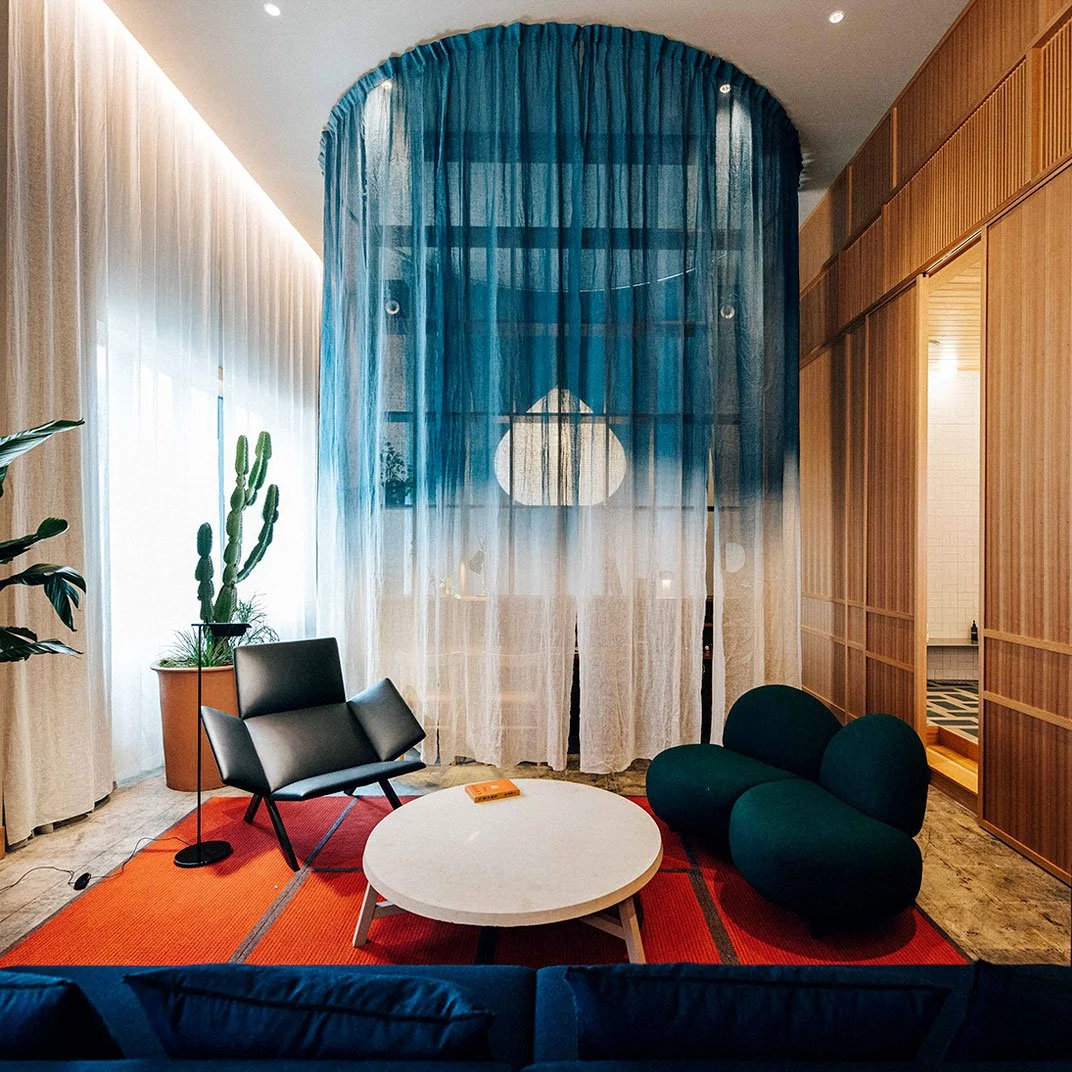
K5 feels resolutely adult in a city that can't stop performing. Built in 1923 as a bank, redesigned in 2020 by Swedish studio Claesson Koivisto Rune around the Japanese concept of aimai — "deliberate vagueness," where boundaries between spaces blur and functions overlap — the result is a hotel that doesn't announce itself. The library is also a bar. The café becomes a lounge. The wine bar turns into a late-night thing. Beds are dressed in indigo curtains, and soundproofing that actually works. The kintsugi-repaired cracks in the original stone are still there if you look for them.

In one of Tokyo's most underrated neighborhoods — former financial district, increasingly creative, still local
23 rooms only — intimate enough that you'll recognize the front desk staff by day two
Every room has a record player with a vinyl collection included
Ground floor runs four venues: Caveman (Japanese-Nordic, serious plates), B by Brooklyn Brewery, Switch Coffee, and Ao bar
Ideal for couples and solo travelers, rather than families
High-ceiling loft suites available for the full K5 experience — worth the upgrade if they're available
Easy access to Tokyo Station, Ginza, and the Imperial Palace on foot
Book direct for ¥2,000 in neighborhood dining coupons per person
The original vault door is still in the building. Ask the front desk where to find it — most guests walk past it without knowing.
All images courtesy of K5
Trunk (Hotel)
Tokyo
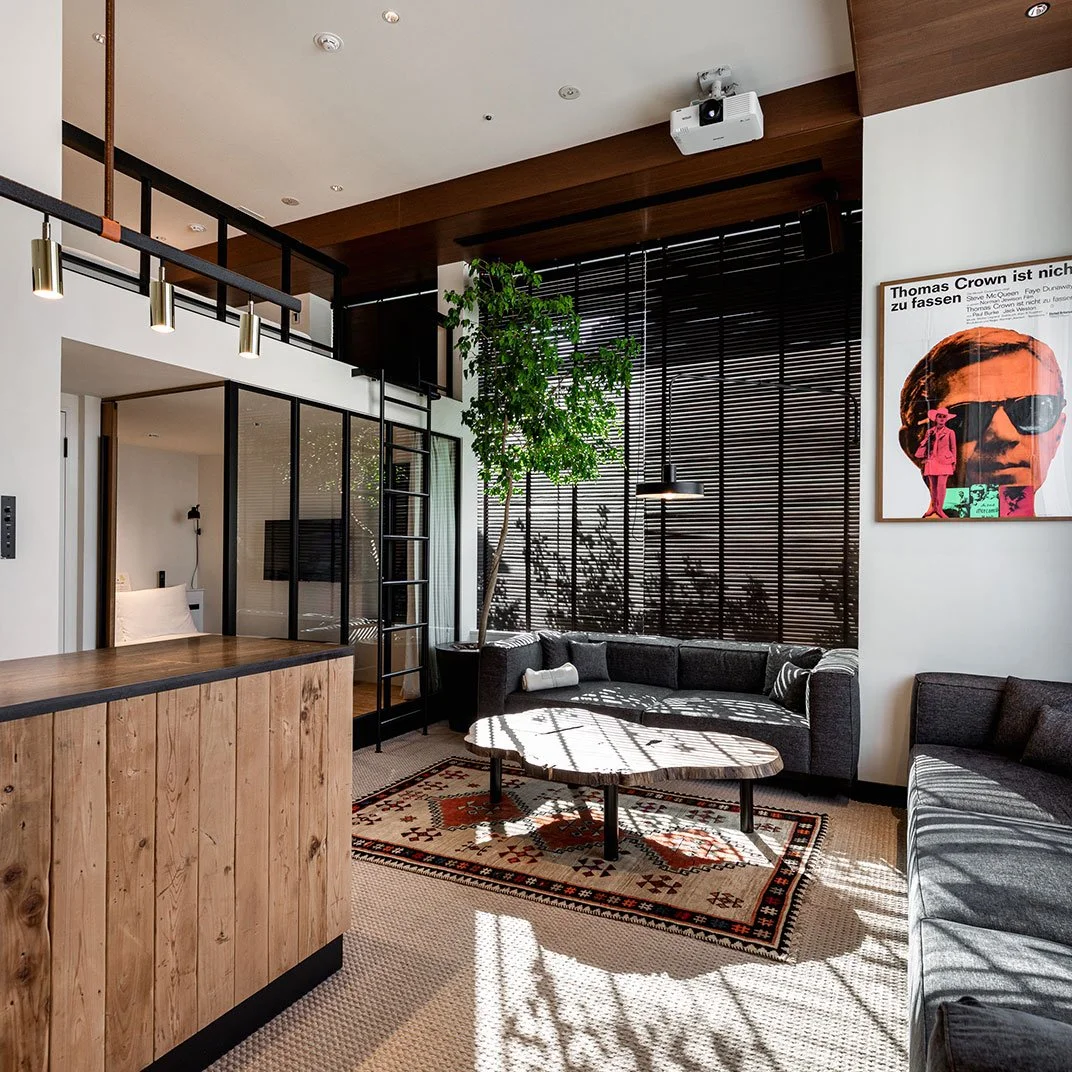
Location: Cat Street, Shibuya, Tokyo
Price: ~$350/night
Vibe: Creative, community-minded, quietly radical
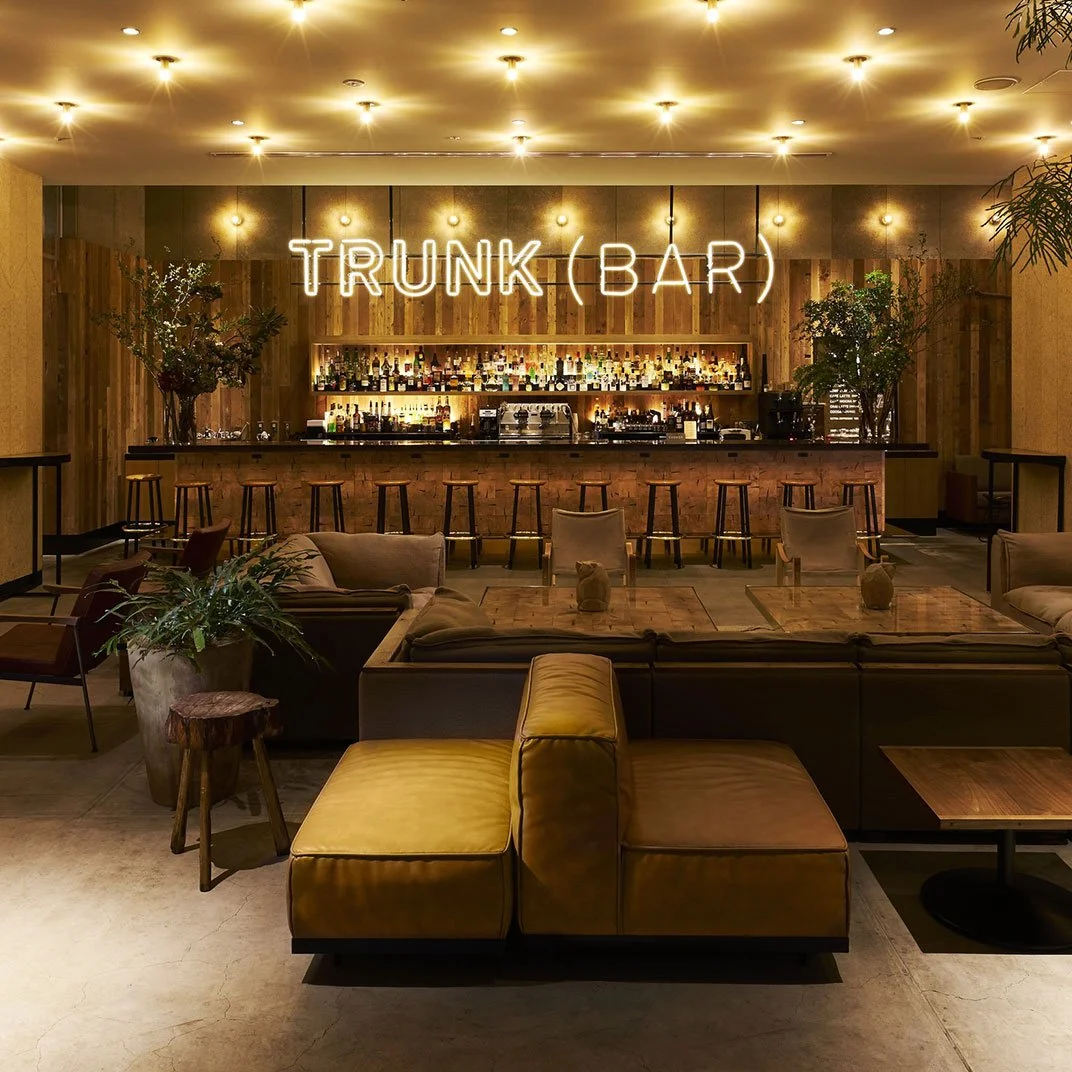
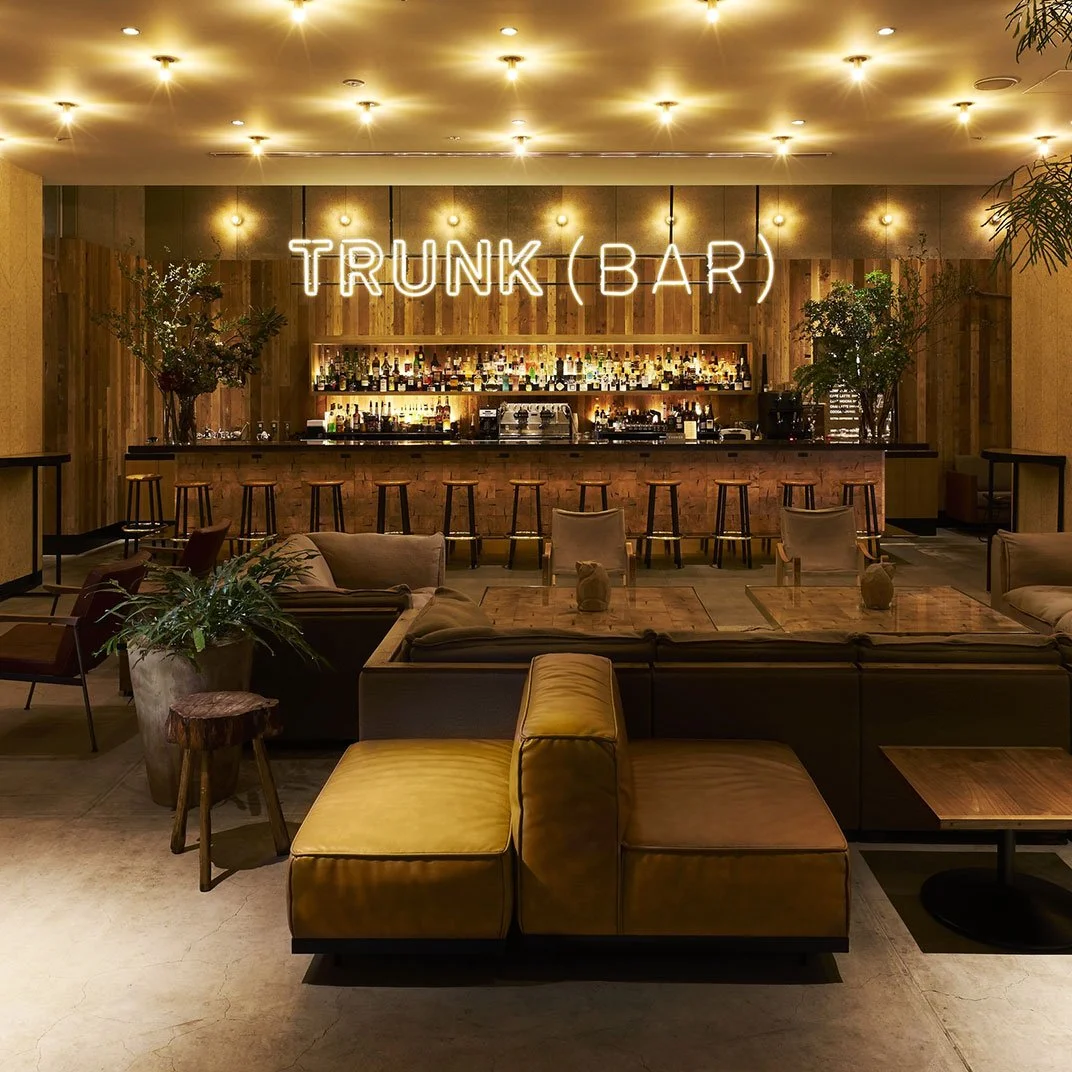
Trunk is the rare Tokyo hotel that actually has a point of view — and commits to it without apology. The concept is "socializing" — a hotel that takes its relationship to its neighborhood, its suppliers, and its environmental footprint seriously enough that it shows in the actual objects. The drinking glasses are made from recycled fluorescent bulbs. The bicycles available to borrow were repurposed from the Tokyo police impound lot. It doesn’t feel performative because it isn't — it's just how the place was built.
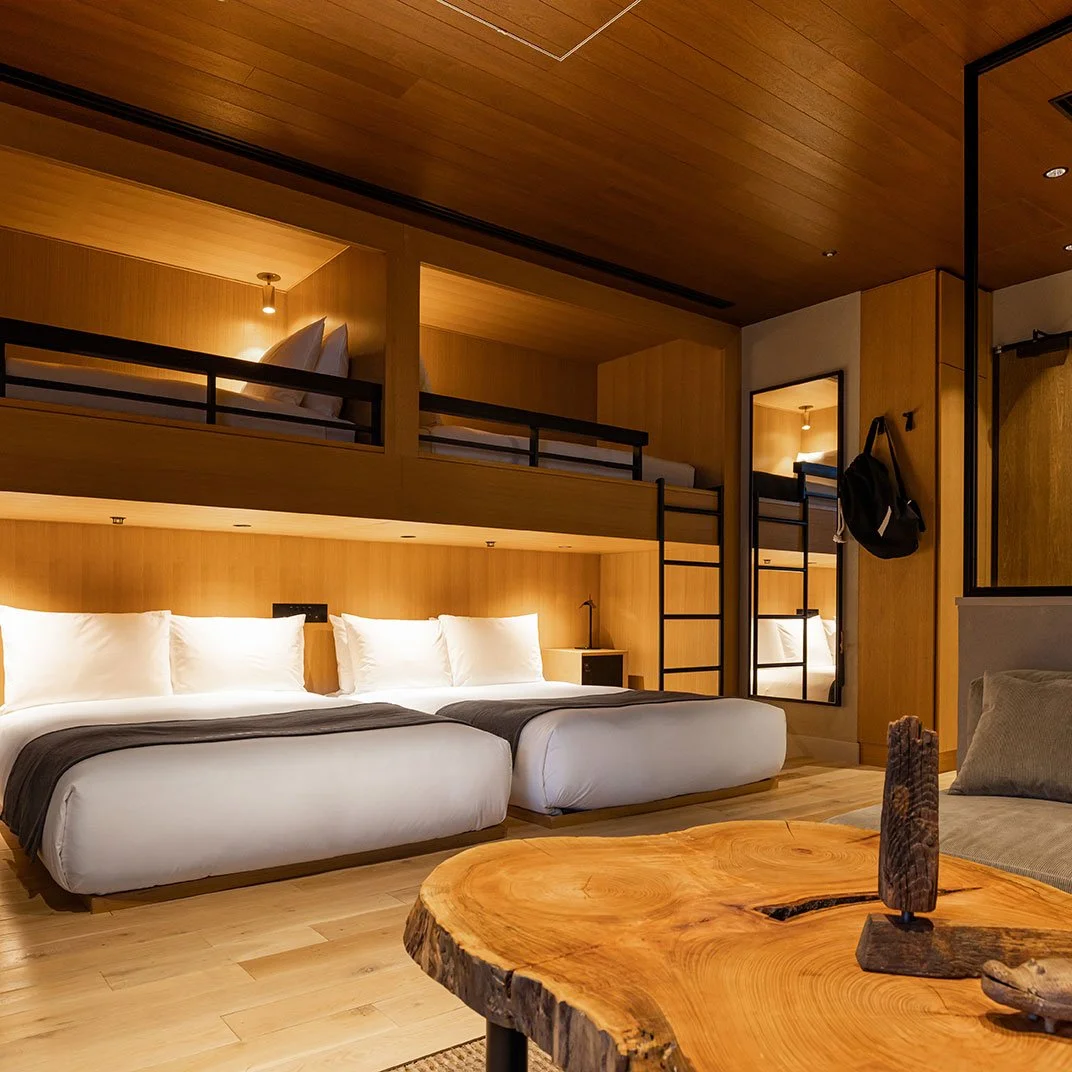
15 rooms total, each uniquely designed — same hotel, different room every stay
Art throughout by Ido Yoshimoto, David Horvitz, Nigel Peake and others — feels more gallery than hotel lobby
Trunk (Store) on the ground floor sells the things you've been quietly coveting all stay — the pajamas, the glassware, the local honey
Zelkova tree courtyard is one of the calmest outdoor spots in this part of Tokyo
5-minute walk to Omotesando Hills, 9 minutes to Yoyogi Park
Standard rooms are compact (20sqm) — worth upgrading to a Living Suite (55sqm) or Dining Suite (82sqm) if budget allows
Easy access to shopping, galleries, and nightlife without being on a major thoroughfare
The lounge wall is built from upcycled wood salvaged from demolished Japanese houses. It's the first thing you see when you walk in and it sets the entire tone.
All images courtesy of Trunk (Hotel) - Cat Street
Yuen Bettei Daita
Tokyo
Location: Setagaya-Daita, Tokyo — edge of Shimokitazawa
Price: From ~$230/night
Vibe: Restorative, unhurried, properly ryokan
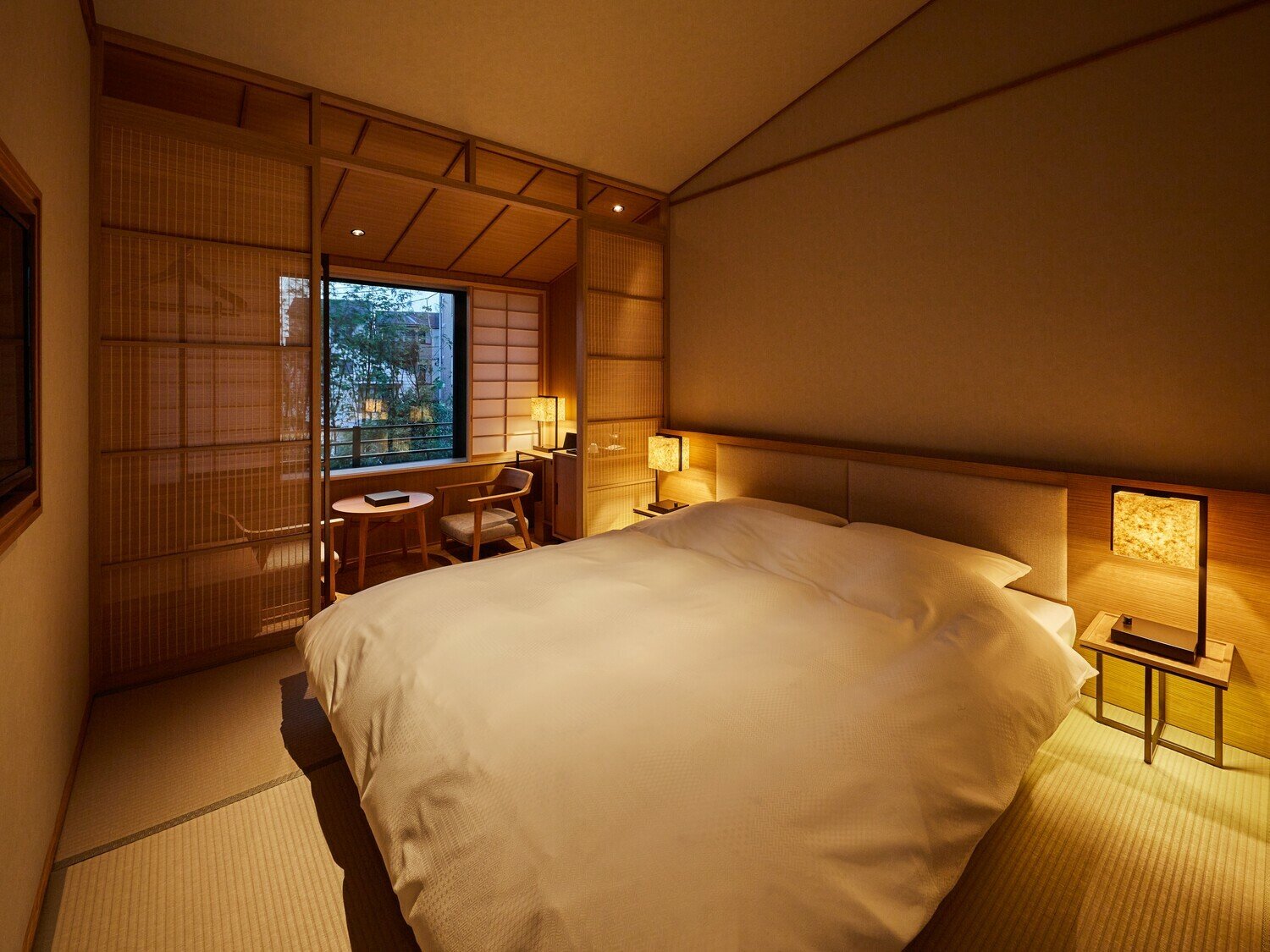
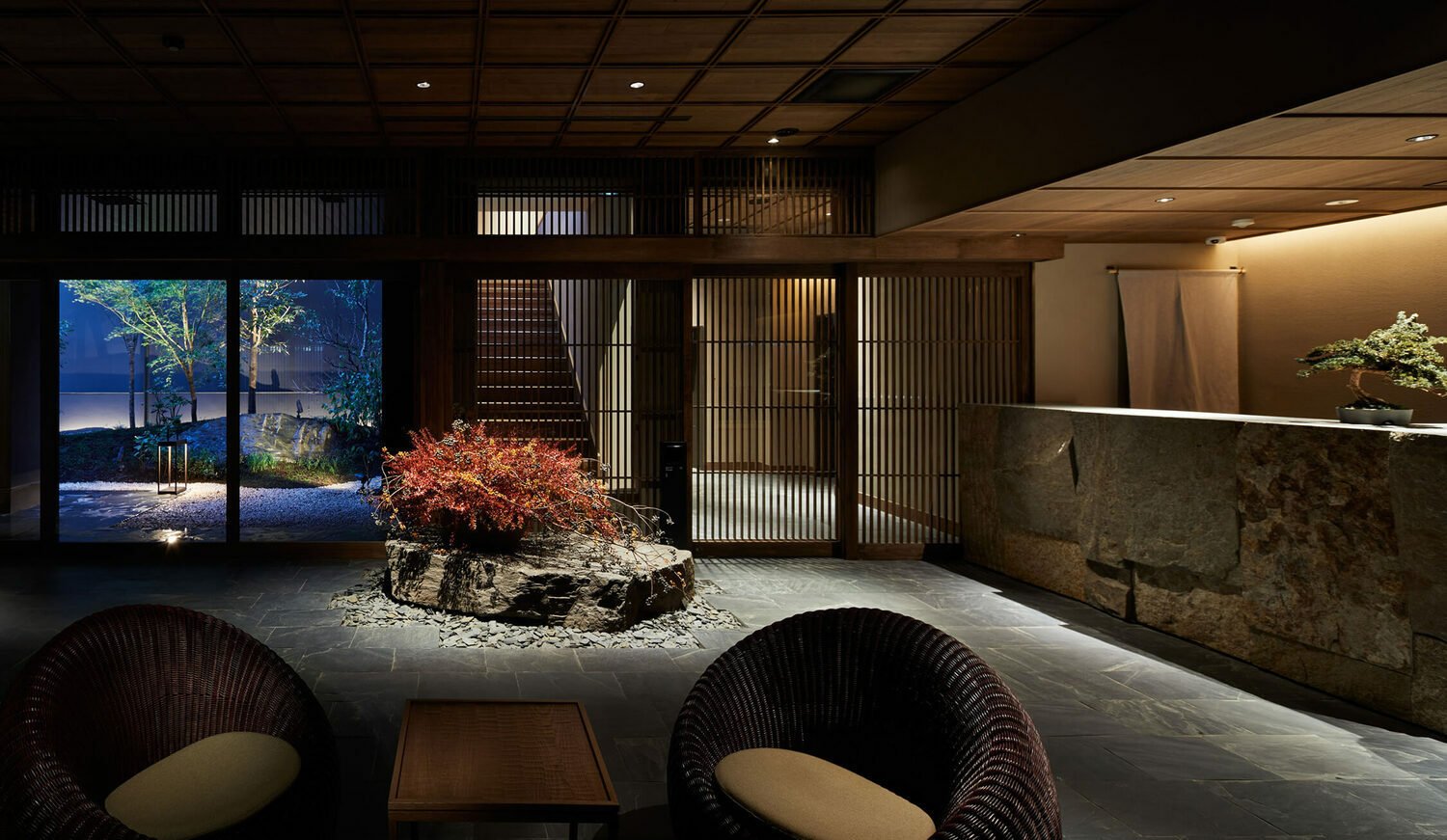
Most ryokan experiences in Tokyo are either budget-basic or eye-wateringly expensive. Yuen Bettei Daita sits in a rare middle ground — traditional in its hospitality, thoughtful in its design, and priced in a way that doesn't require you to justify it for a week afterward. The onsen water is the detail that makes it: sourced from the alkaline springs of Ashinoko Onsen in Hakone and piped directly into the property. The communal baths are the main event. At night someone leaves ochazuke outside your door. There's an ice cream bar outside the baths. It's that kind of place. Vintage shops, record stores, some of Tokyo's best live music venues all nearby
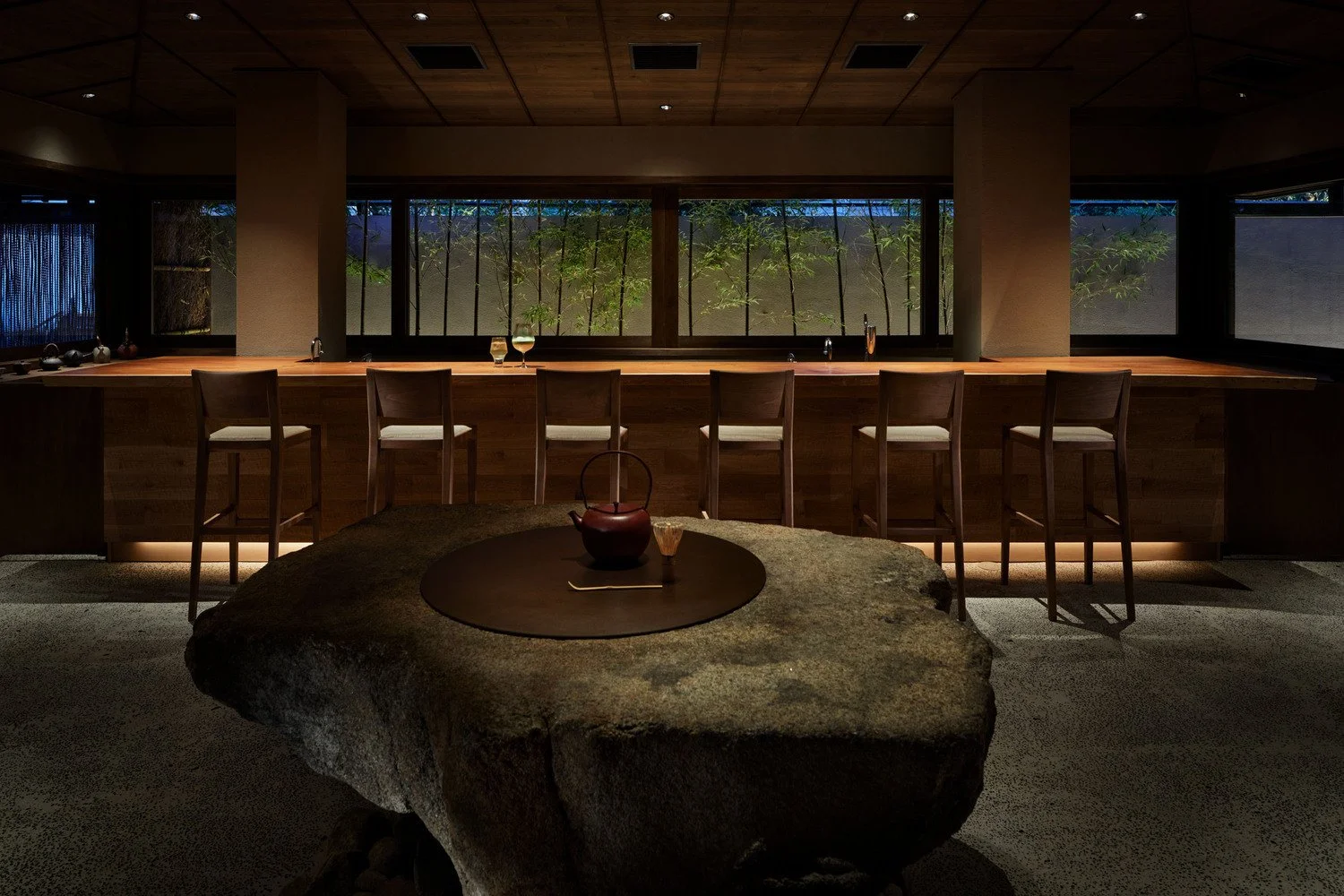
35 rooms ranging from standard doubles to maisonette twins and deluxe rooms with open-air baths — worth upgrading to anything with a private bath if available
Onsen water sourced from Hakone's legendary Ashinoko springs
Private Noh theatre performances bookable for guests — unusual, specific, worth it if you're curious about traditional Japanese performing arts
1-minute walk from Setagaya-Daita Station; Shimokitazawa in 8 minutes on foot
Saryo Tsukikage tea bar on site — matcha and mochi after a soak is the correct order of operations
Japanese breakfast is excellent and included — but if you're staying more than two nights, the menu doesn't change much. Fine for a short stay, slightly repetitive beyond that.
The pedestrian laneway directly outside the hotel has no traffic. At 7am it's almost completely silent. For central Tokyo this is almost surreal — factor it into your morning.
All images courtesy of Yuen Bettei Daita
Hoshinoya Karuizawa
Nagano
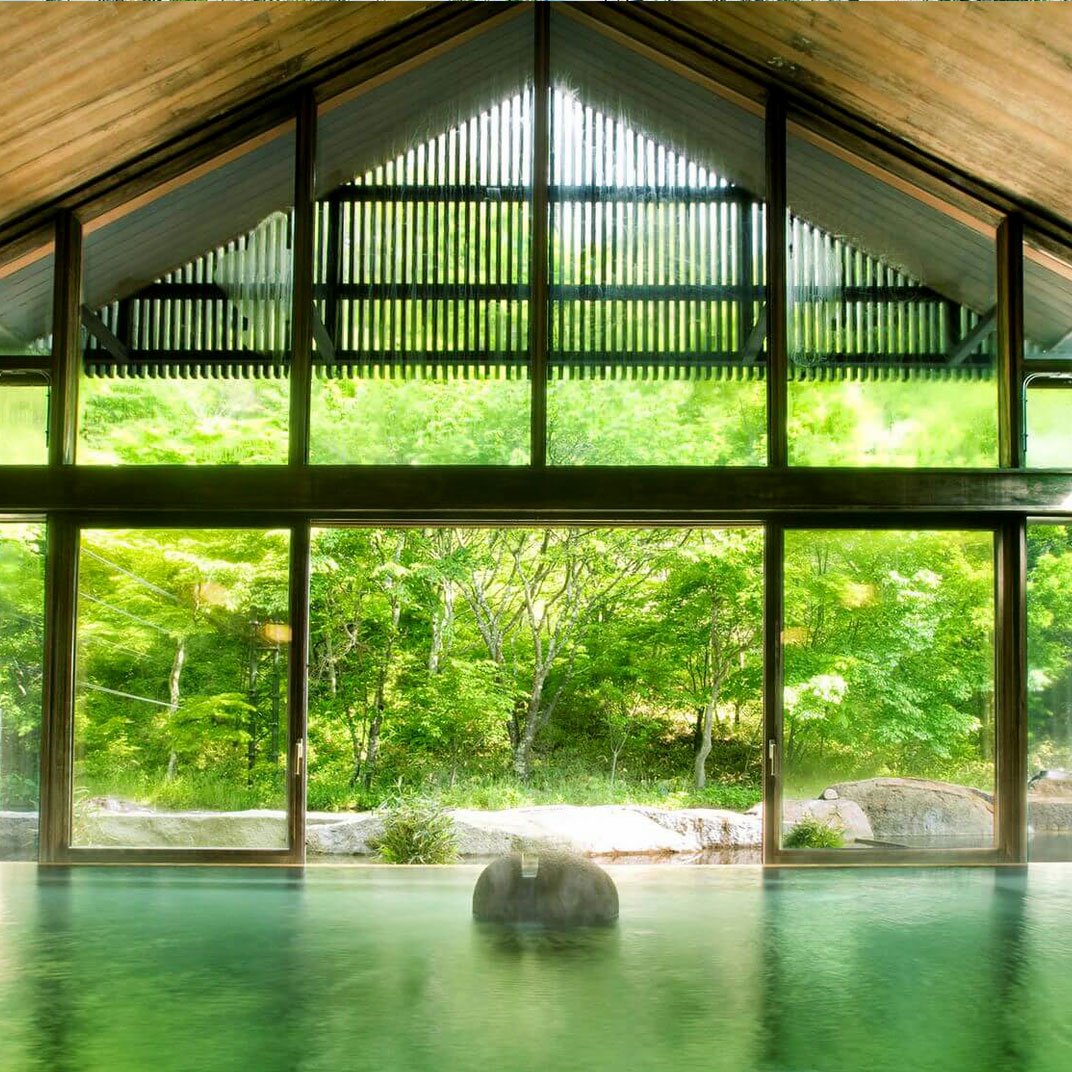
Location: Nagakura, Karuizawa, Nagano Prefecture
Price: From ~$200/night
Vibe: Forest village, onsen, everything slows down
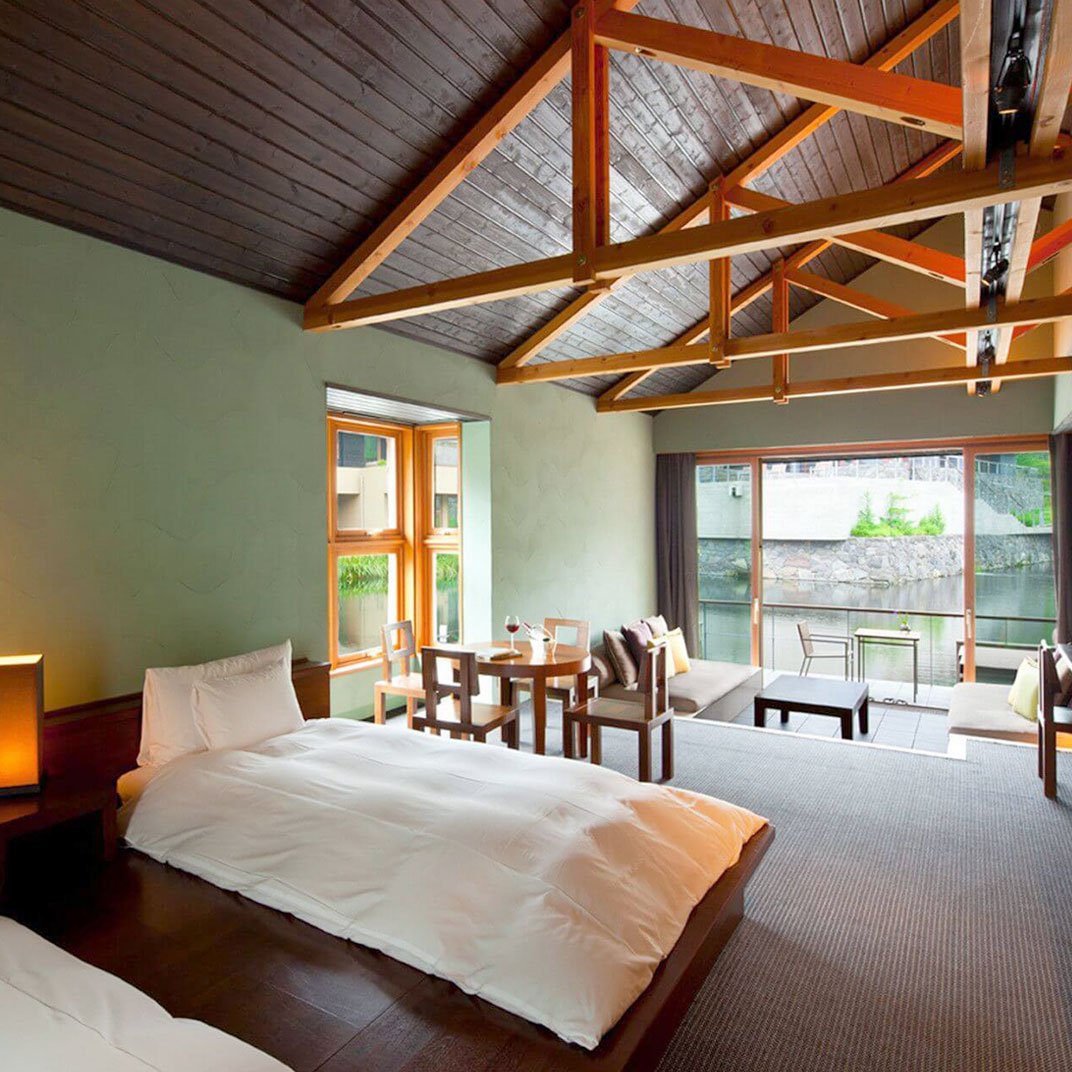
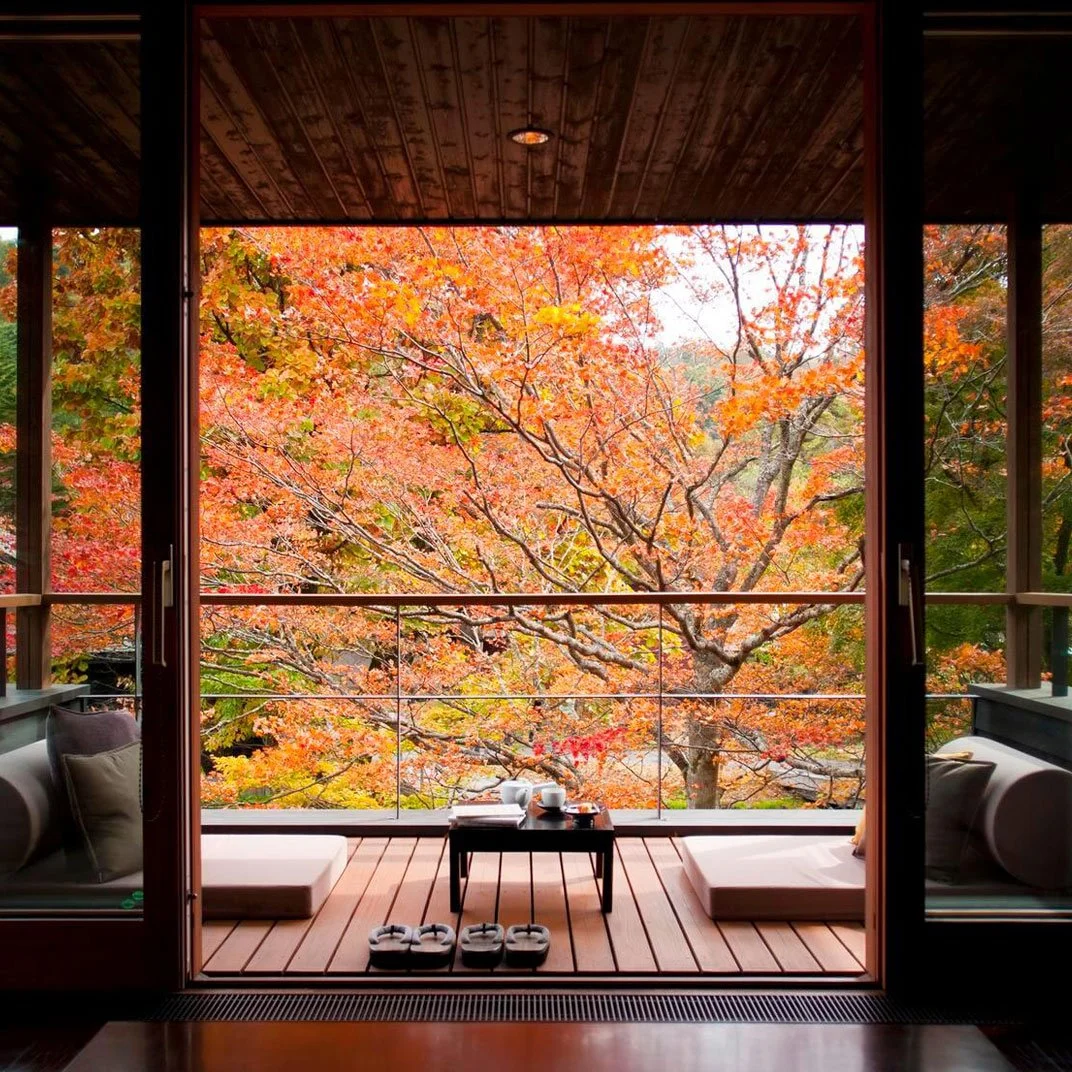
Karuizawa is Tokyo's mountain escape — two hours by Shinkansen, a different world. Hoshinoya here is a cluster of individual guest pavilions built along a forest stream in the Hoshino area, each one separate, each one facing the water or the trees. The concept is a ryokan village rather than a hotel building — you walk stone paths between your room, the communal baths, the restaurant. The Tombo-no-yu hot spring baths are a short walk away through the woods. In autumn the foliage is otherworldly. In winter it's buried in snow and completely silent.
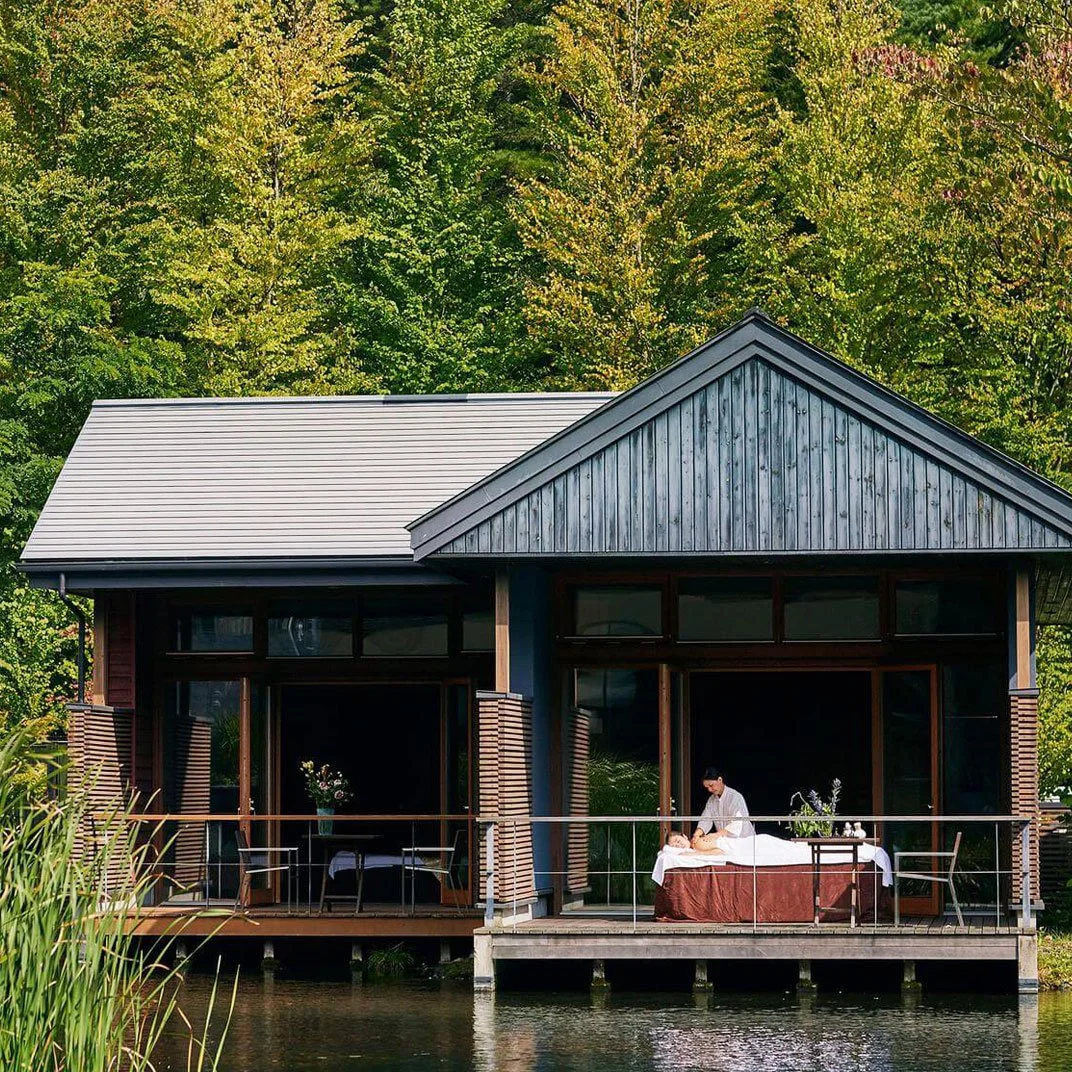
Pavilion-style rooms along a forest stream — genuinely feels like its own village
Tombo-no-yu onsen accessible on foot through the resort grounds — outdoor baths, mountain water, year-round
Best seasons: October for autumn foliage, December–February for snow, late spring for streams in full flow
Karuizawa town centre is a short drive — good for cycling, shopping, and the Karuizawa Shiraito Falls
Star watching program available in clear-weather seasons — the darkness out here is serious
Car is more convenient than public transport once you arrive — hotel shuttle available but limited
The location is slightly removed from central Karuizawa town, which is fine if you want immersion and not great if you want to explore the area freely. Factor this in if you're not renting a car.
All images courtesy of Hoshinoya Karuizawa
Muji Hotel Ginza
Tokyo
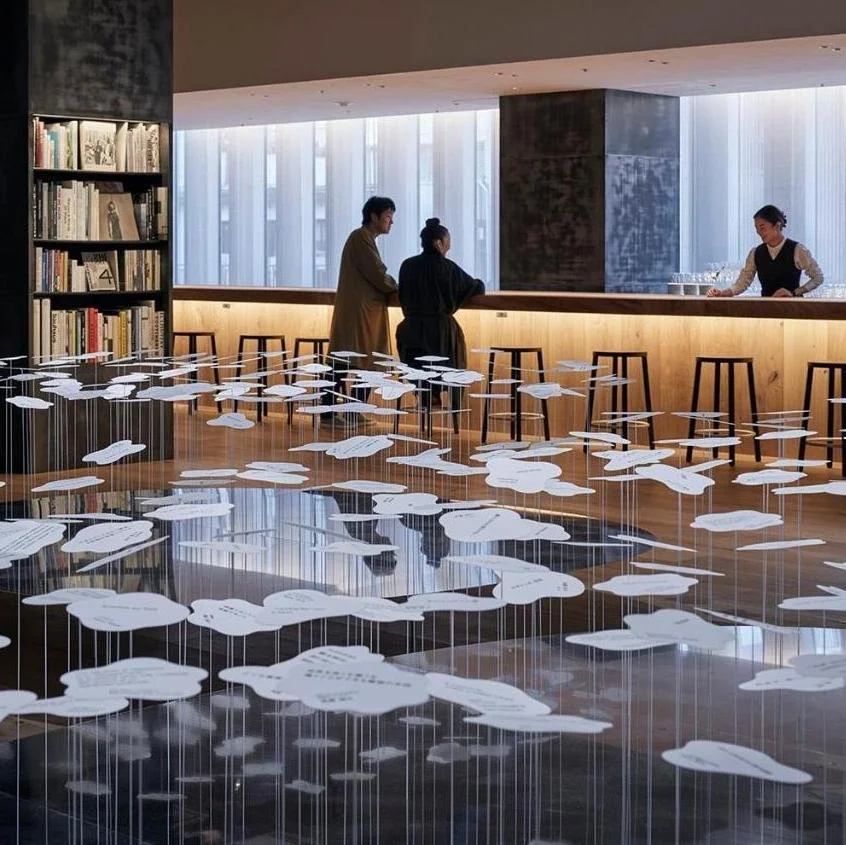
Location: Ginza, Tokyo — above the MUJI flagship store
Price: ~$260/night
Vibe: Minimal, calm, exactly what it says it is
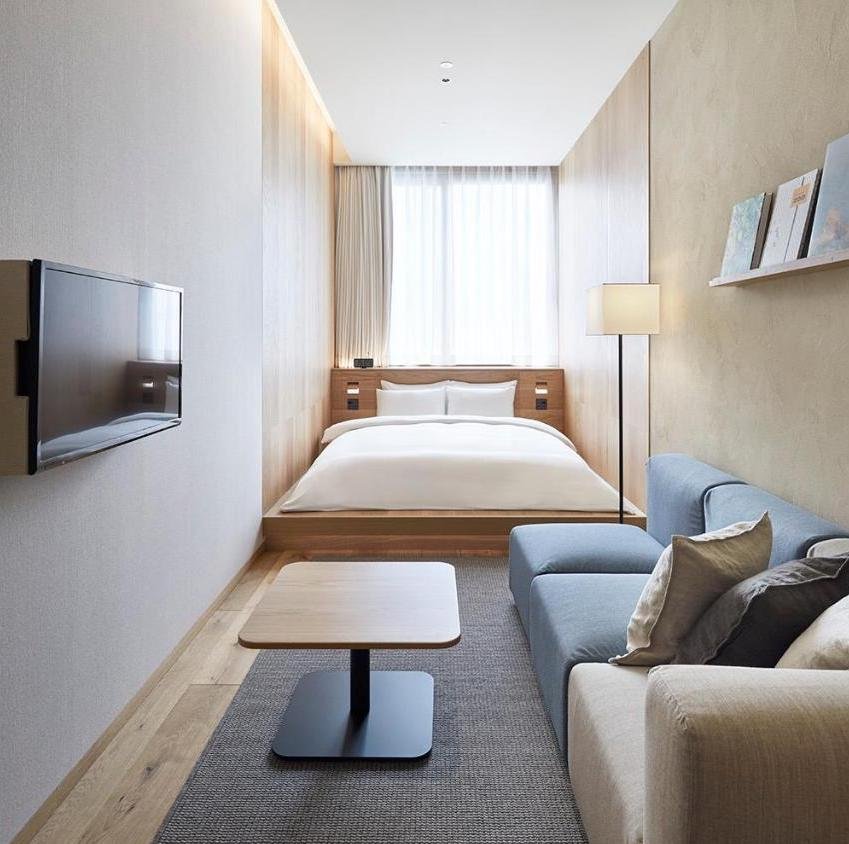
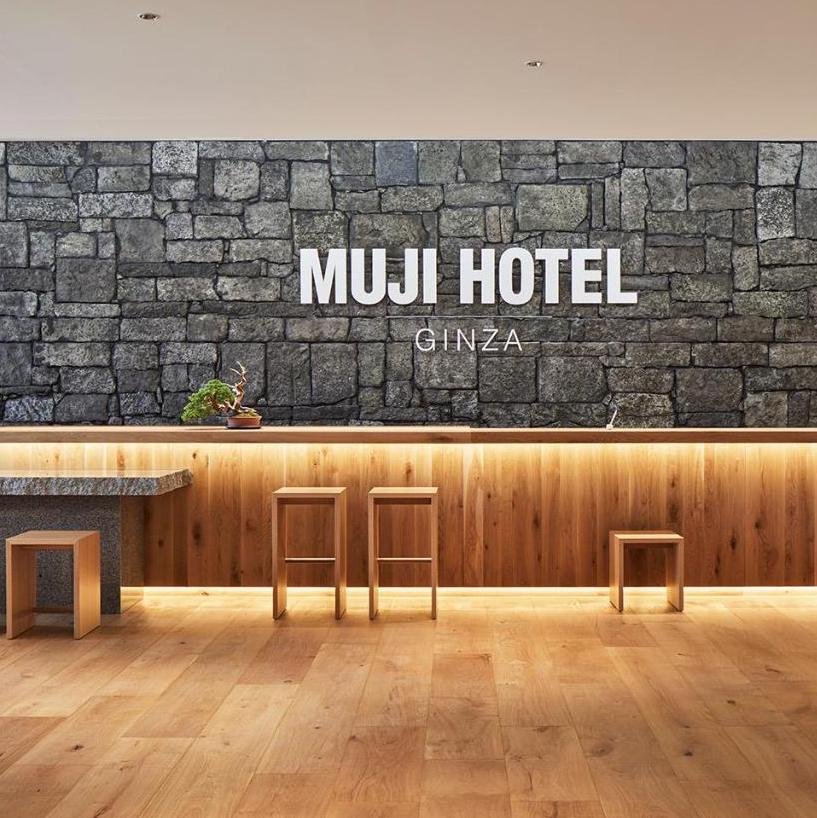
The concept is simple: a hotel designed entirely around the MUJI aesthetic — natural materials, neutral palette, nothing you don't need. It works because MUJI actually means it. The 89 rooms are quiet, well-proportioned, and genuinely restful. The rain shower in unpolished granite is the standout detail. The building is the MUJI flagship, which means you're six floors above the world's best stationery selection at all times — useful information if you're the kind of person it's useful for. Ginza Station is a 3-minute walk.
89 rooms, all individually lit and designed around natural materials — smaller rooms are compact; upgrade to Deluxe if budget allows
Free daily amenities restocked in your room — MUJI snacks and drinks, not minibar theater
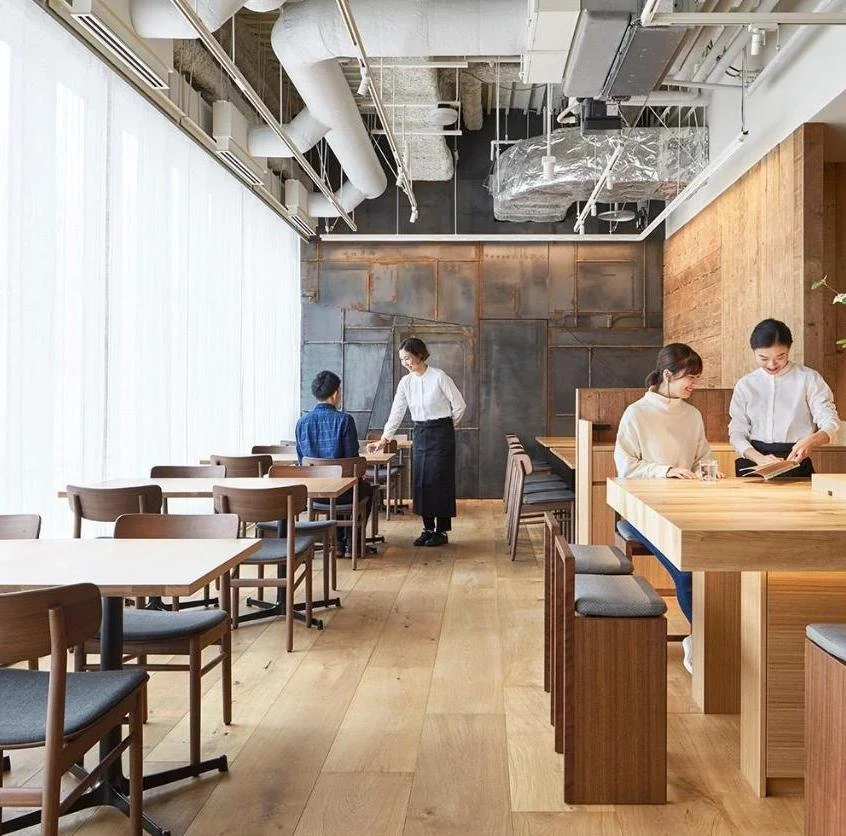
On-site restaurant serves a simple kaiseki dinner that punches above its weight — worth doing at least once
Buffet breakfast is solid; Japanese and Western options, consistently praised
Ginza Station 3-minute walk; Tokyo Station 12 minutes on foot; excellent subway access in every direction
The MUJI store below is fully accessible as a guest — grocery, bakery, clothing, café all in the same building
Rooms can feel dark — no windows in some interior rooms. Ask specifically for an exterior room with natural light when booking or you may not get one.
All images courtesy of Muji Hotel Ginza
Hotel KUMU
Kanazawa
Location: Central Kanazawa, Ishikawa Prefecture
Price: From ~$64/night to ~$150/night
Vibe: Artsy, communal, excellent value
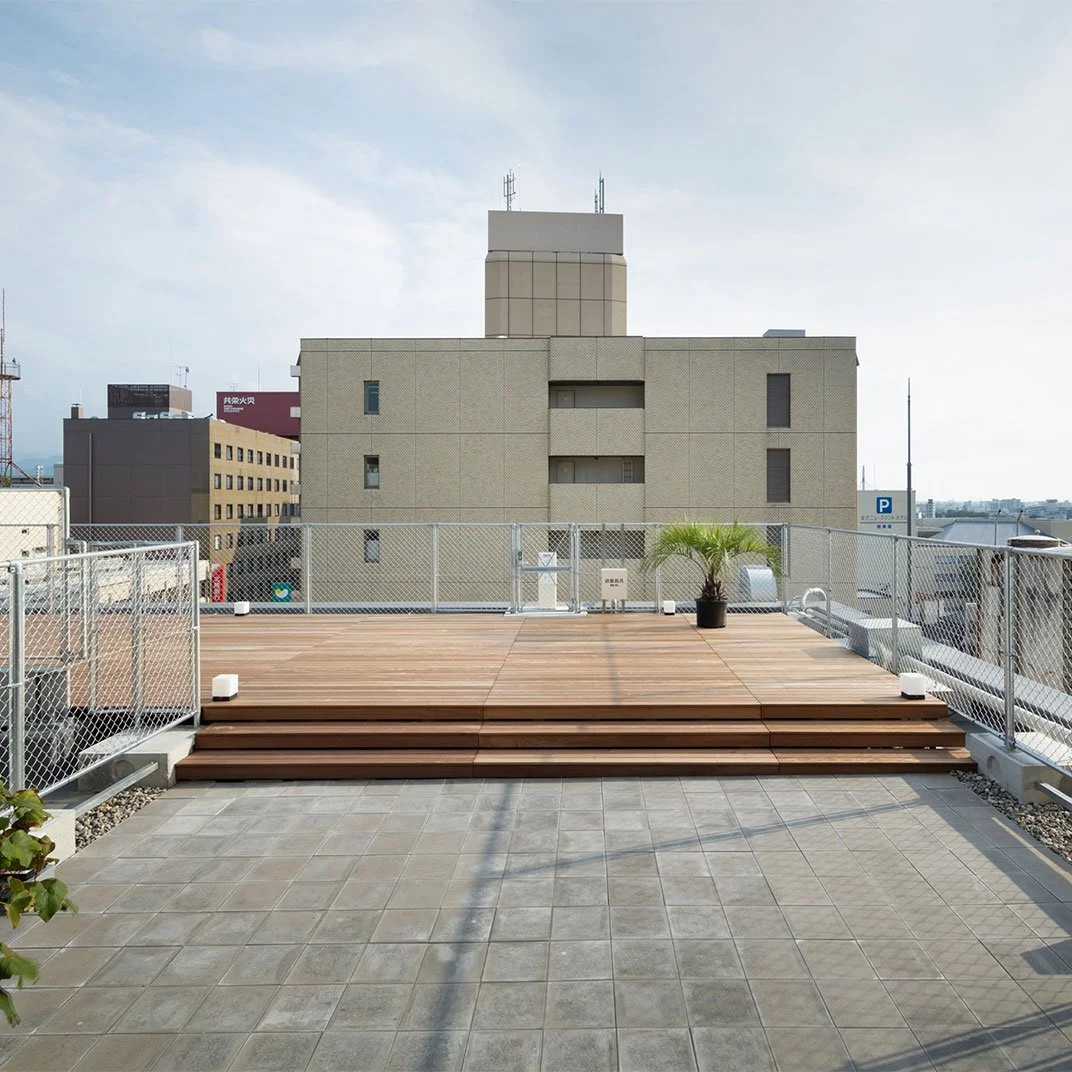
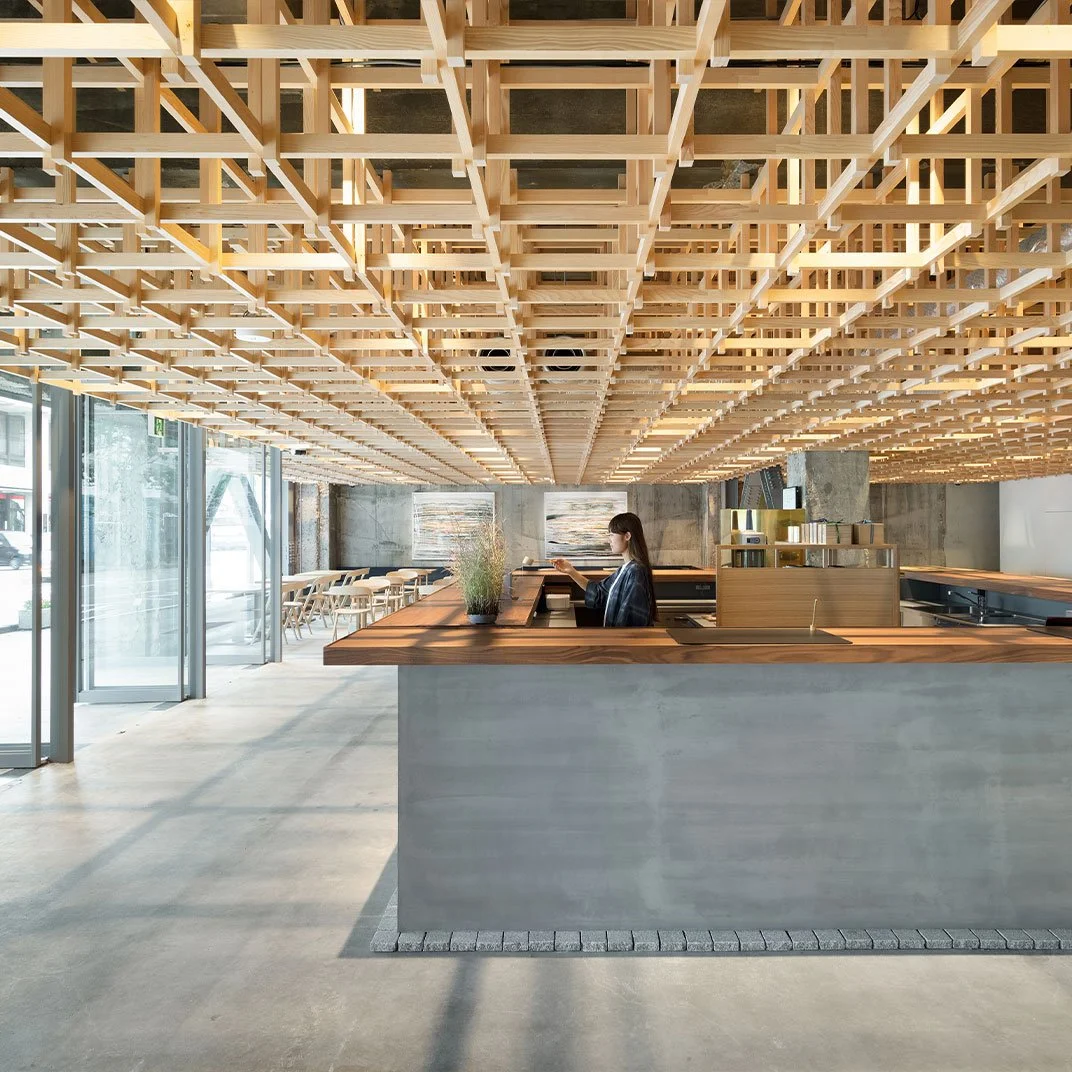
Kanazawa is Japan's most underrated city — centuries-old craft culture, a world-class contemporary art museum, a samurai district that's still intact — and KUMU is the right base for all of it. The 47 rooms are clean, spacious by Japanese standards, and built around the city's tea and craft traditions without being precious about it. There's a rooftop wooden deck with views of Kanazawa Castle Park, a ground-floor art gallery rotating local artists, communal lounges on multiple floors, and a bar. At this price point, almost nothing in Japan touches it.
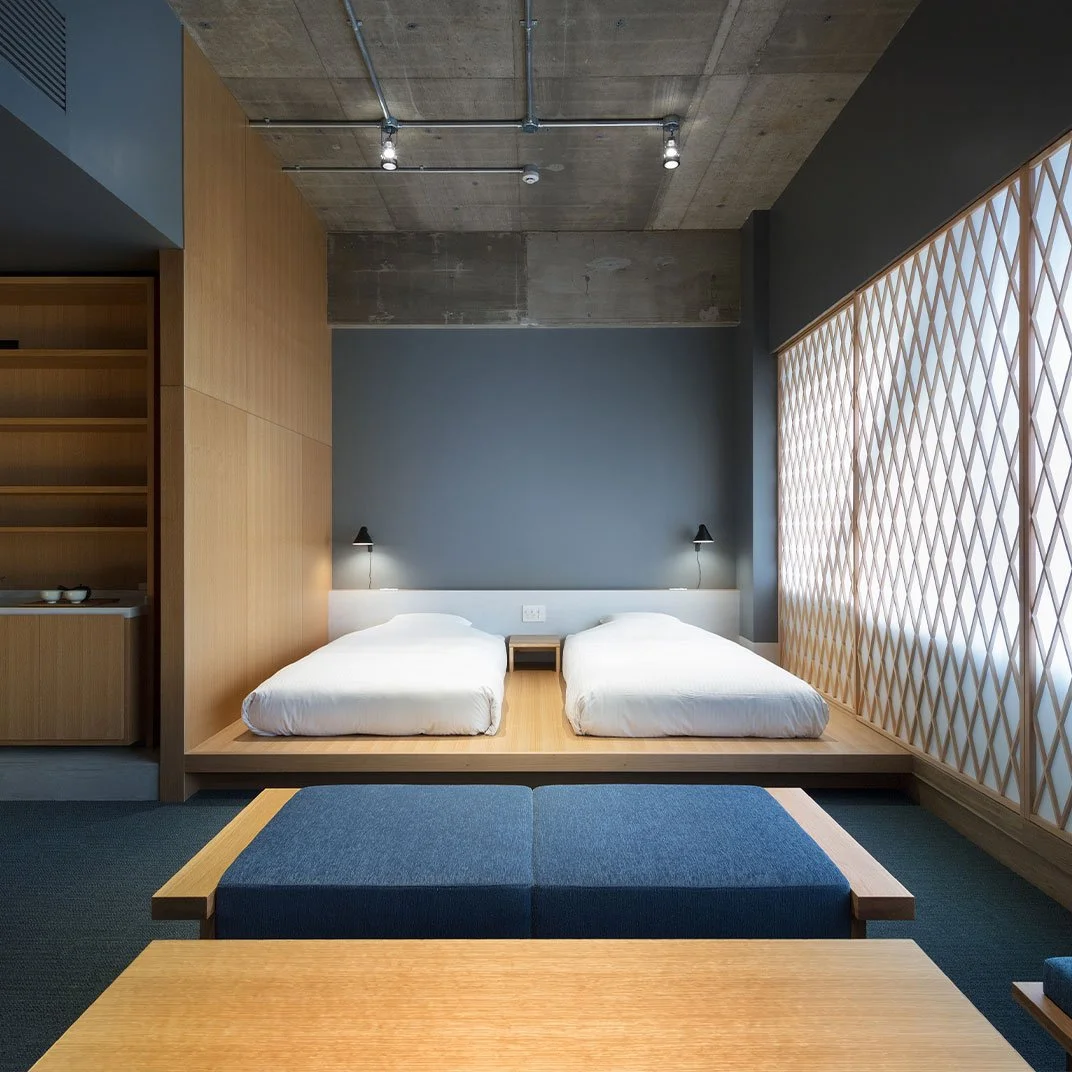
47 rooms including Japanese-style tatami suites — worth booking the Japanese-style room specifically
Rooftop wooden deck with castle park views — best at dusk
On-site gallery shows rotating work by Kanazawa artists — the city has a genuinely serious craft and art scene and this is a good entry point
4-minute walk to Oyama Shrine, 6 minutes to Omicho Market, 12 minutes to the 21st Century Museum of Contemporary Art
Some interior rooms have no natural light — specify a room with a window when booking
Communal lounges on the 3rd and 5th floors — good for meeting other travelers if you want company, easy to avoid if you don't
Breakfast available for ~¥1,300 — simple but good; plenty of excellent options within walking distance if you'd rather eat out
The 21st Century Museum of Contemporary Art is a 12-minute walk and one of the best art museums in Japan.
All images courtesy of Hotel KUMU
$$$ - $$$$
Aman
Tokyo
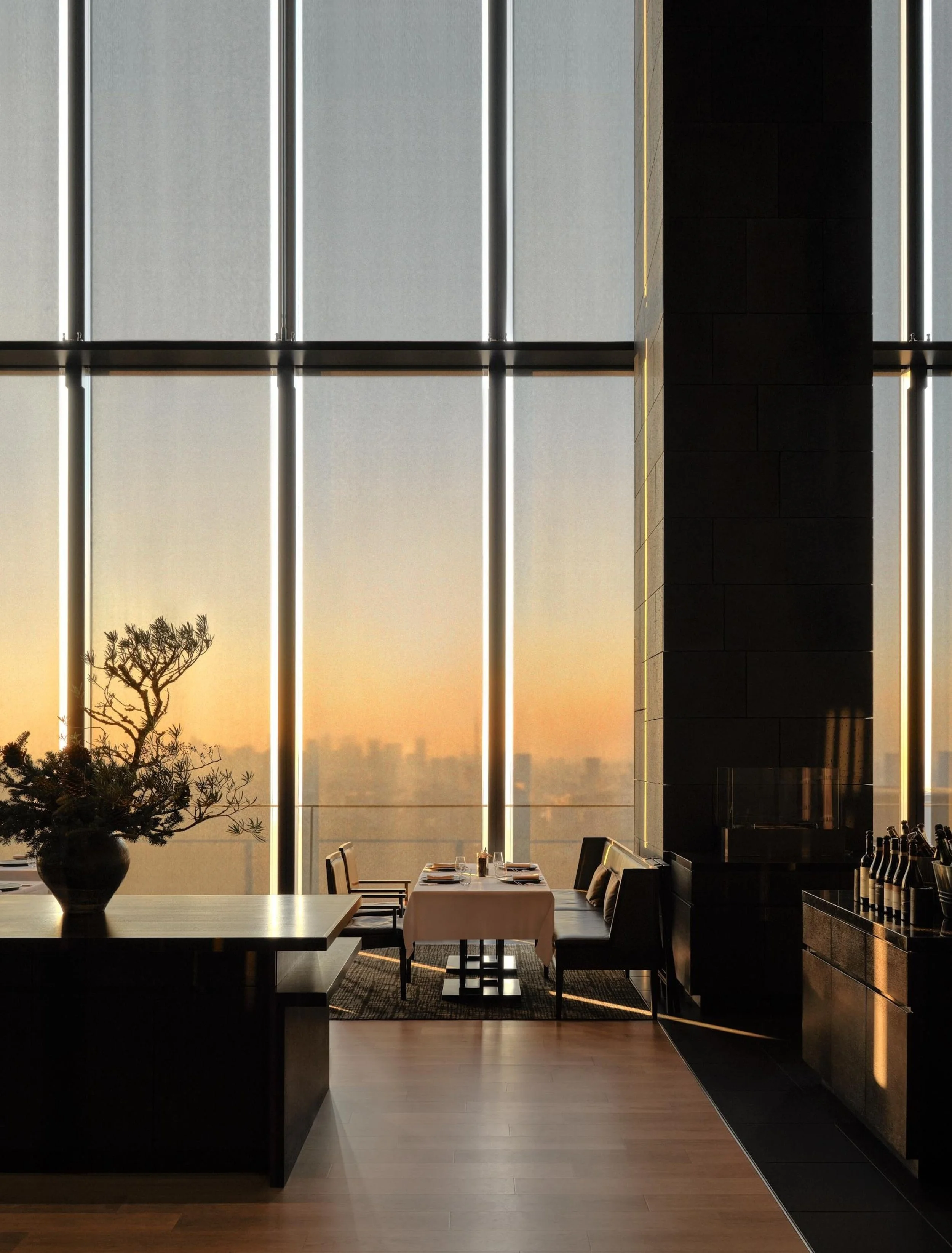
Location: Otemachi Tower, Chiyoda, Tokyo
Price: From ~$1,700/night
Vibe: The benchmark. Full stop.
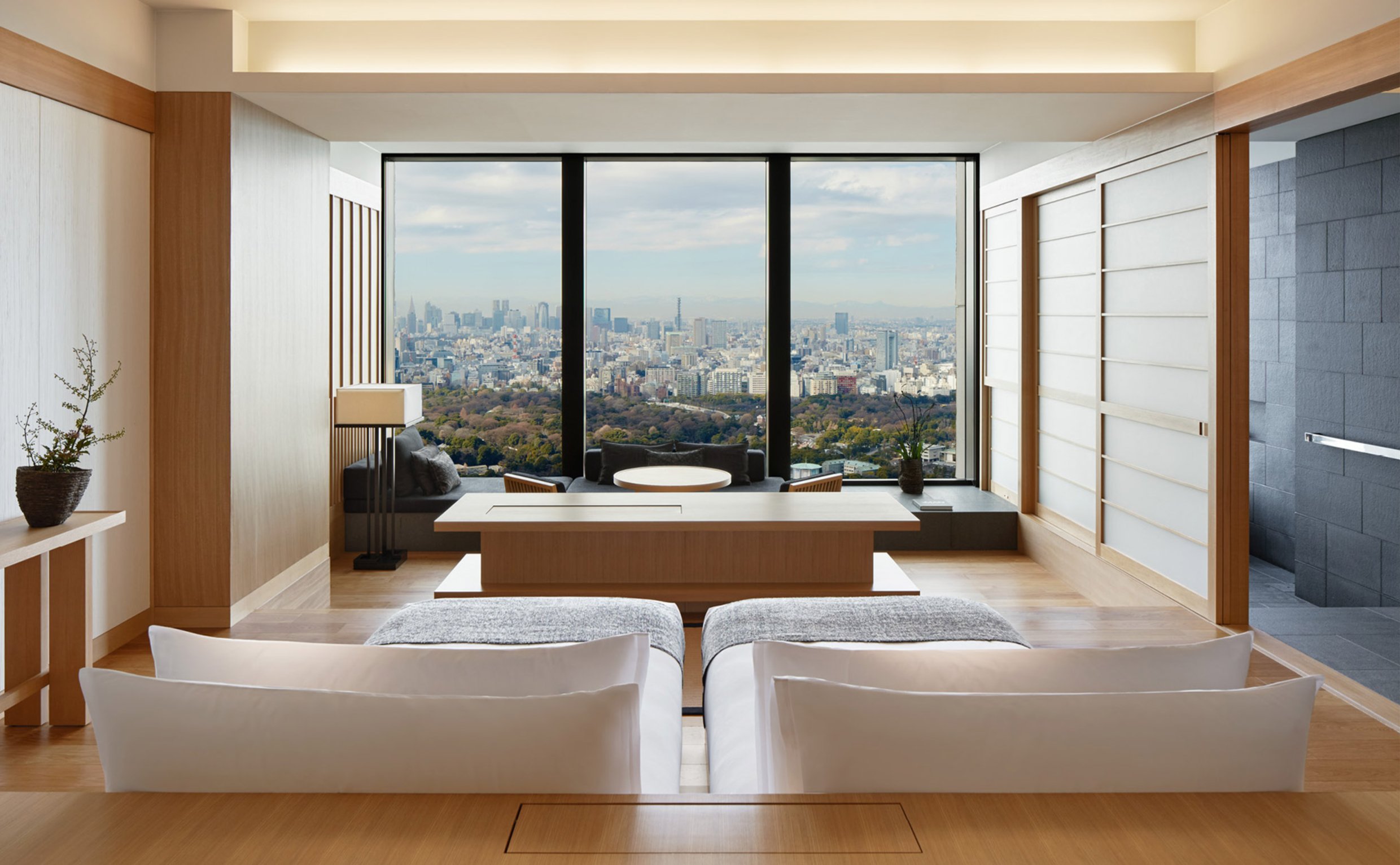
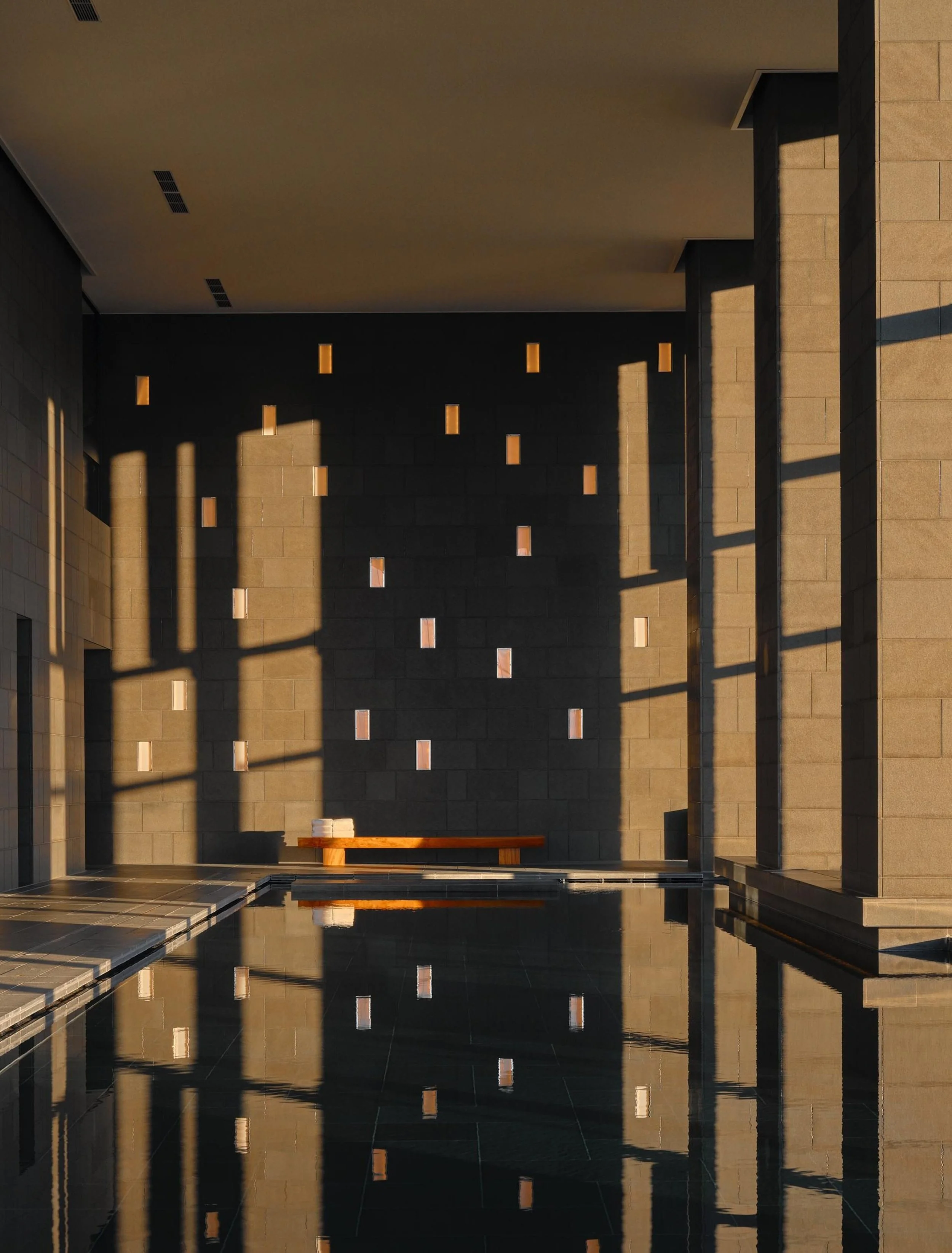
84 rooms on floors 33–38 of the Otemachi Tower, above the Imperial Palace gardens. The lobby ceiling soars 30 feet — washi paper, dark wood, the quietest room you'll find in central Tokyo. Every suite has a furo soaking tub with floor-to-ceiling city views, a minibar stocked with complimentary non-alcoholic drinks, and turndown gifts nightly. The spa is one of the best in Asia. The service is the thing every guest mentions: the kind of attentiveness that anticipates rather than reacts. This is not a hotel that needs to try.
84 rooms — intimate for a skyscraper hotel; rarely feels crowded
Complimentary non-alcoholic minibar, daily turndown gift, Aman bath products throughout
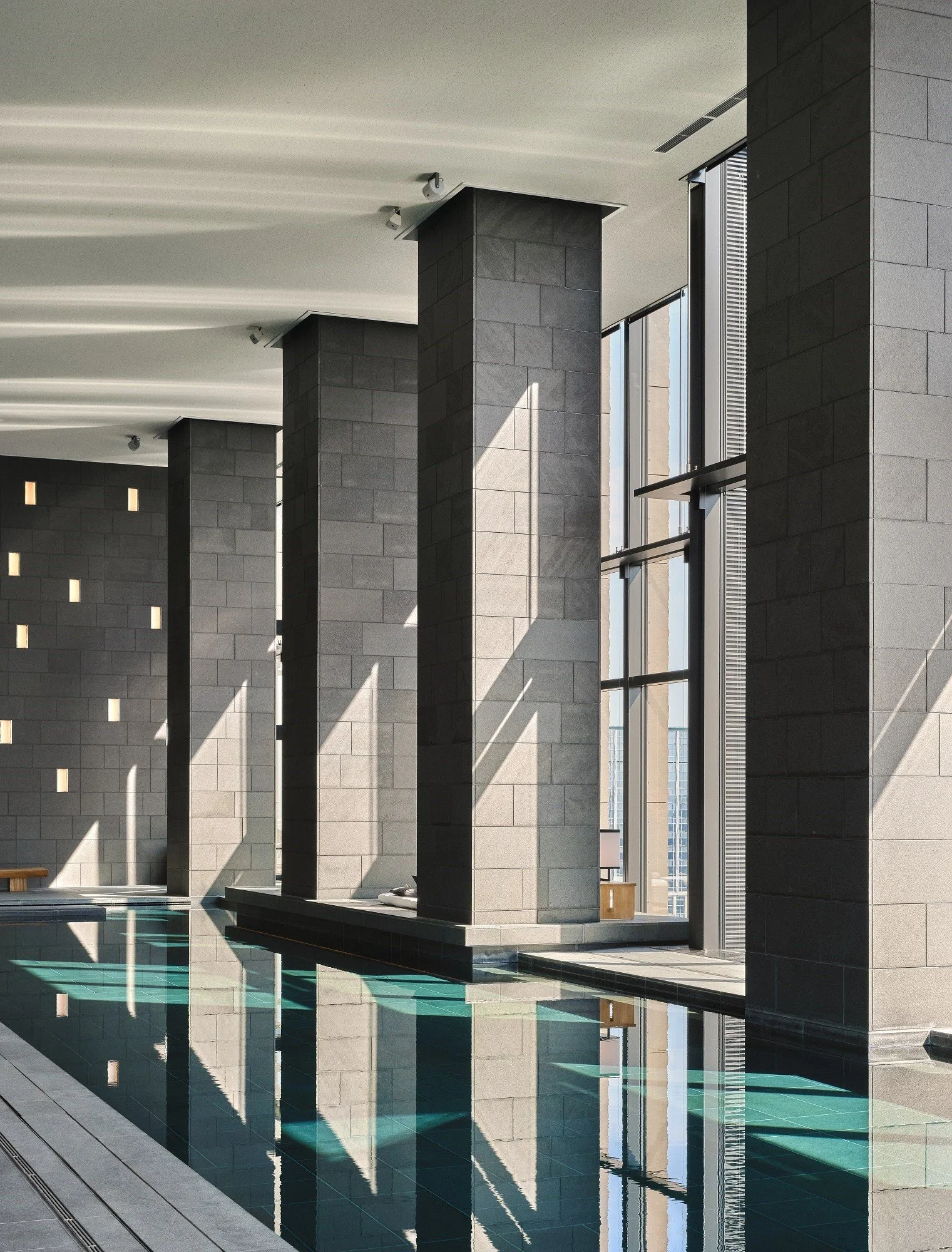
The 30-meter indoor pool is tiled in black volcanic rock with floor-to-ceiling glass facing the city — one of the finest hotel pools in Asia, and genuinely worth building your morning around
Direct walkway to Tokyo Station; Imperial Palace gardens on the doorstep
The rooftop garden views at dawn are the best free thing about staying here — set an alarm
Breakfast is the honest weak point — limited menu, no buffet, extra charges for additional items; go to Nahat instead if you want a proper morning
At this price point the math only works if you're committed to spending most of your time in the hotel. If you plan to be out all day, the $500 difference between Aman and its competitors might not be worth it.
All images courtesy of Aman Tokyo
Hoshinoya
Tokyo
Location: Otemachi, Chiyoda, Tokyo
Price: ~$500/night
Vibe: Urban ryokan — traditional hospitality, modern building, zero compromise
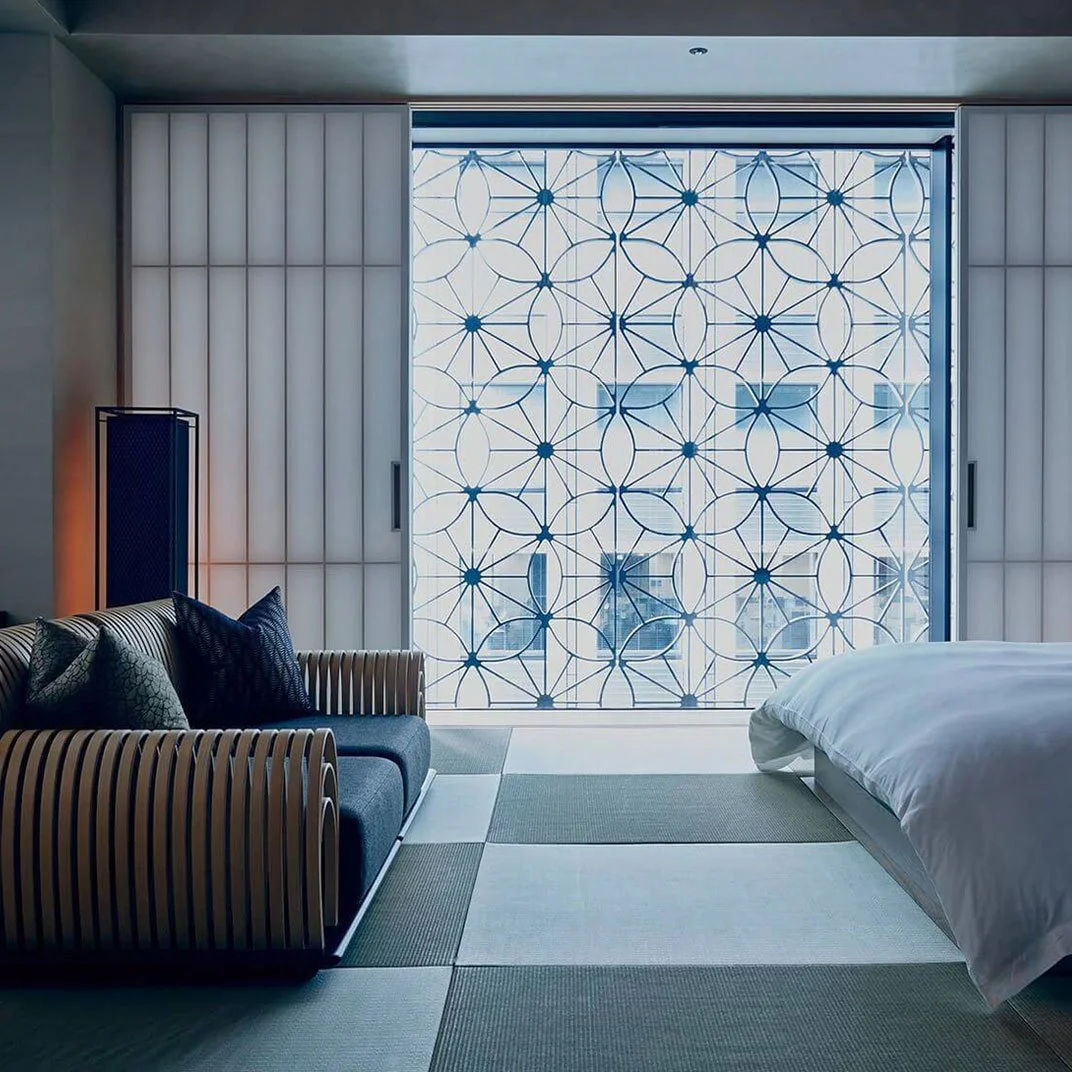
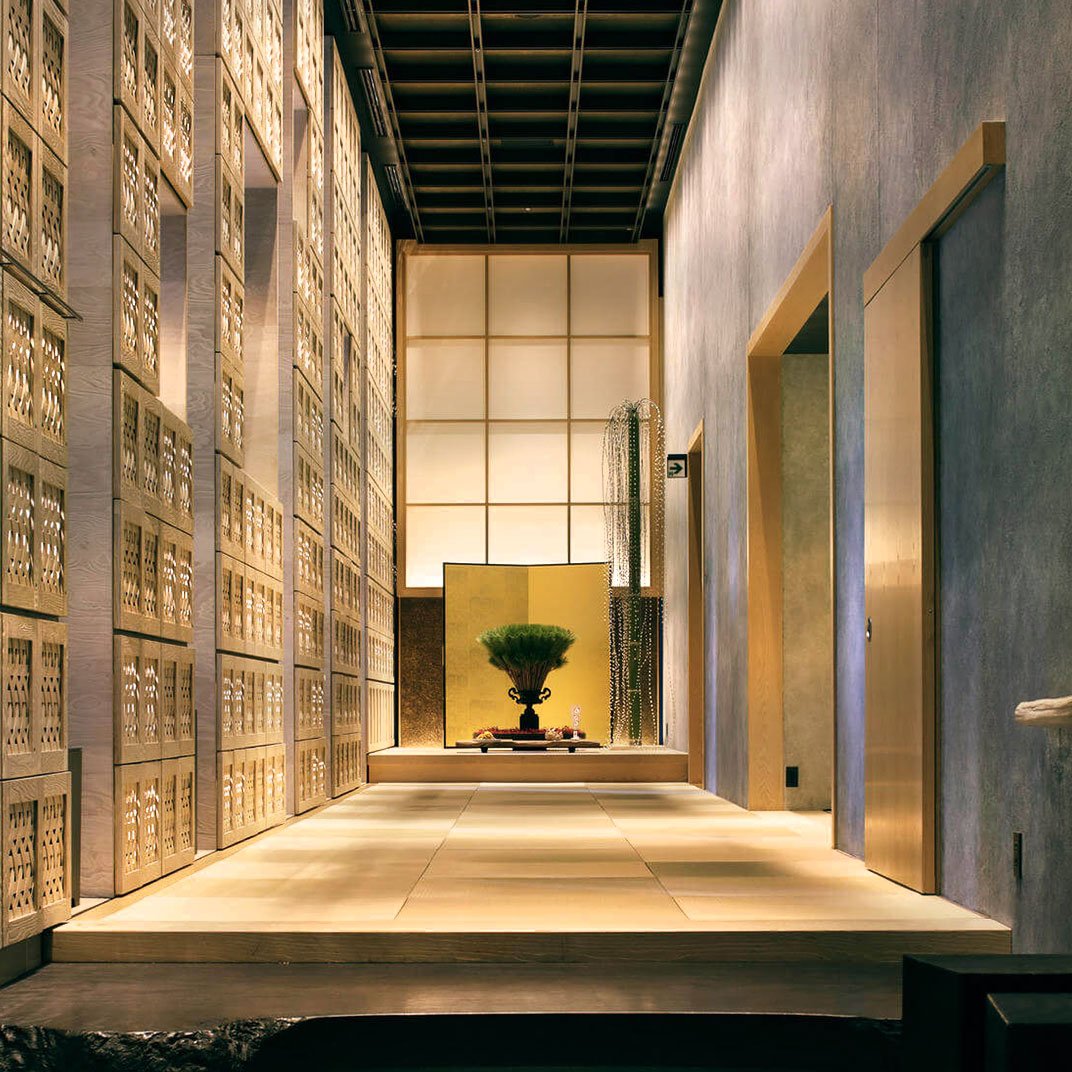
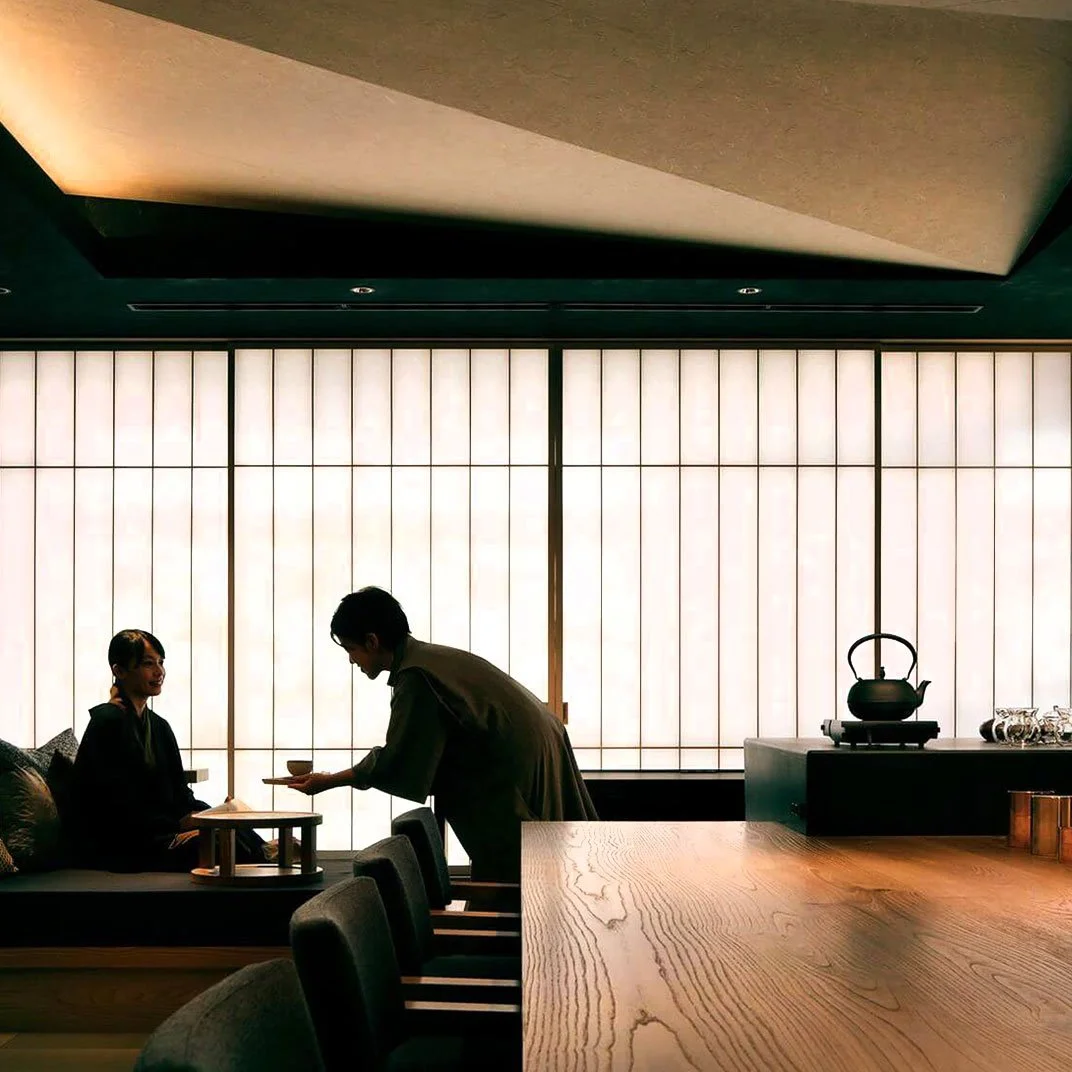
Fourteen floors of ryokan stacked vertically in the heart of Tokyo's financial district. You remove your shoes at the entrance, step onto tatami, and the city disappears. Each floor operates as its own communal floor with a shared ochanoma — tea lounge — stocked continuously with seasonal sweets and tea. The rooftop onsen draws natural spring water. Rooms are tatami throughout, futons laid each evening by staff in yukata. The kaiseki breakfast served in your room is one of the better meals you'll have in Tokyo.
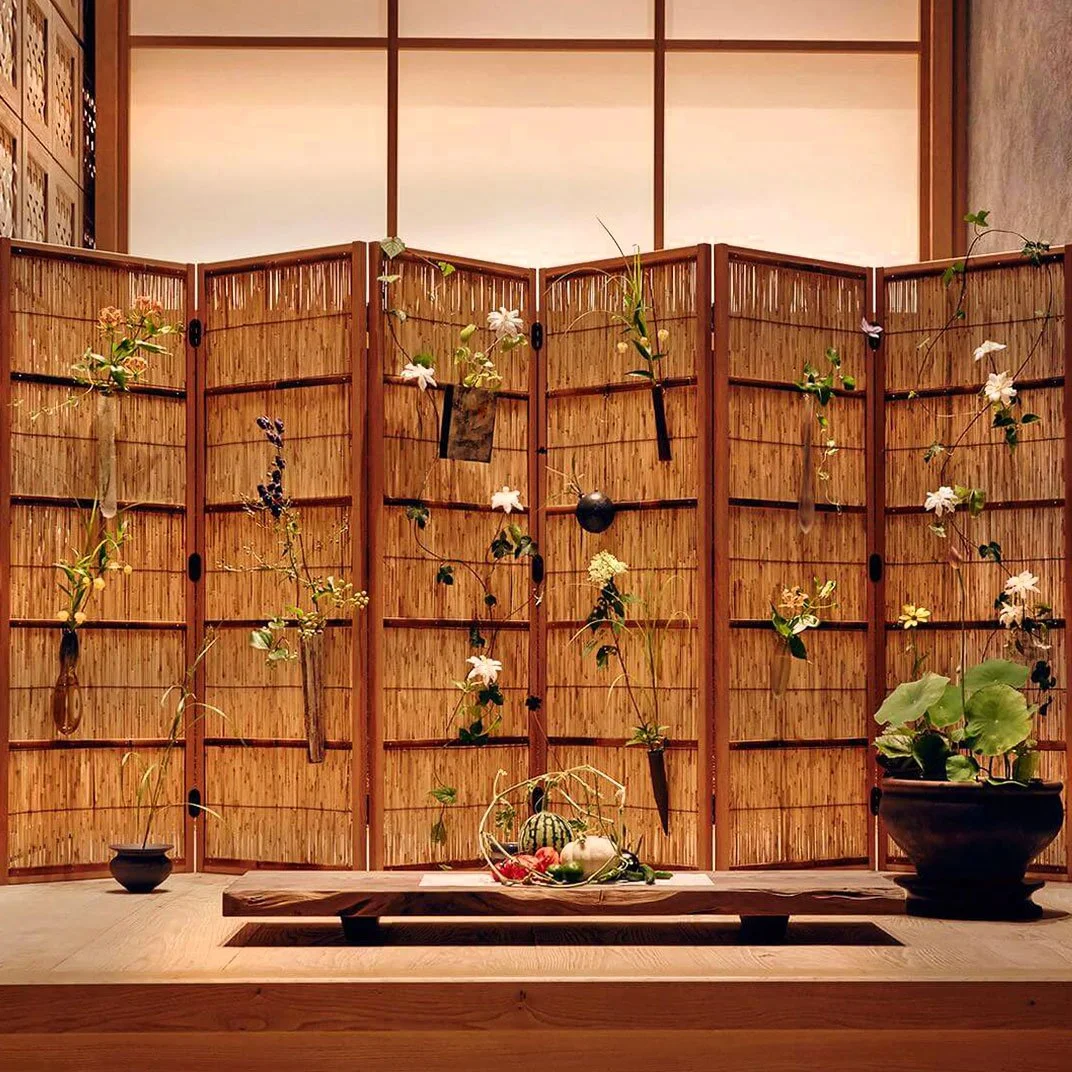
84 rooms across three categories — Yuri, Sakura, and Kiku (largest, nearly 900 sq ft)
Rooftop onsen uses genuine natural spring water — open 24 hours, rarely crowded before 7am
Each floor's ochanoma is restocked around the clock — unlimited tea and wagashi included
Three-minute walk from Tokyo Station; Otemachi Station directly below
Meal plans available — dinner in your room is worth doing once; multiple nights of in-room kaiseki gets repetitive, so plan at least one dinner out
Cash only at checkout — this is stated at booking but catches people off guard
If you want a ryokan experience without leaving Tokyo, this is exactly the right call. If you want a contemporary luxury hotel with a bar and a lobby scene, look at K5 or Edition instead.
All images courtesy of Hoshinoya Tokyo
Gōra Kadan
Hakone
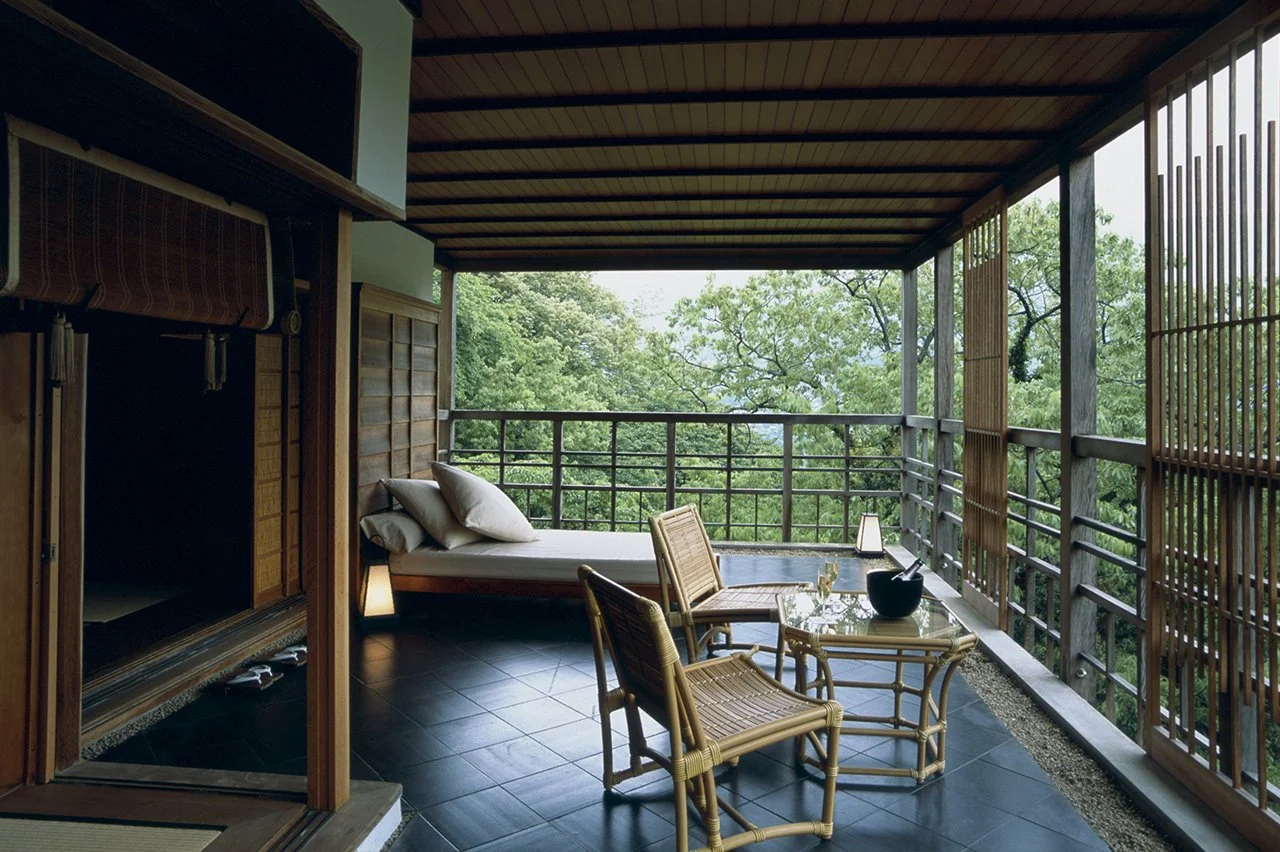
Location: 1300 Gora, Hakone-machi, Ashigarashimo-gun, Kanagawa, Japan 250-0408
Price: ~$650/night
Vibe: Imperial heritage, Hakone forest, deeply traditional
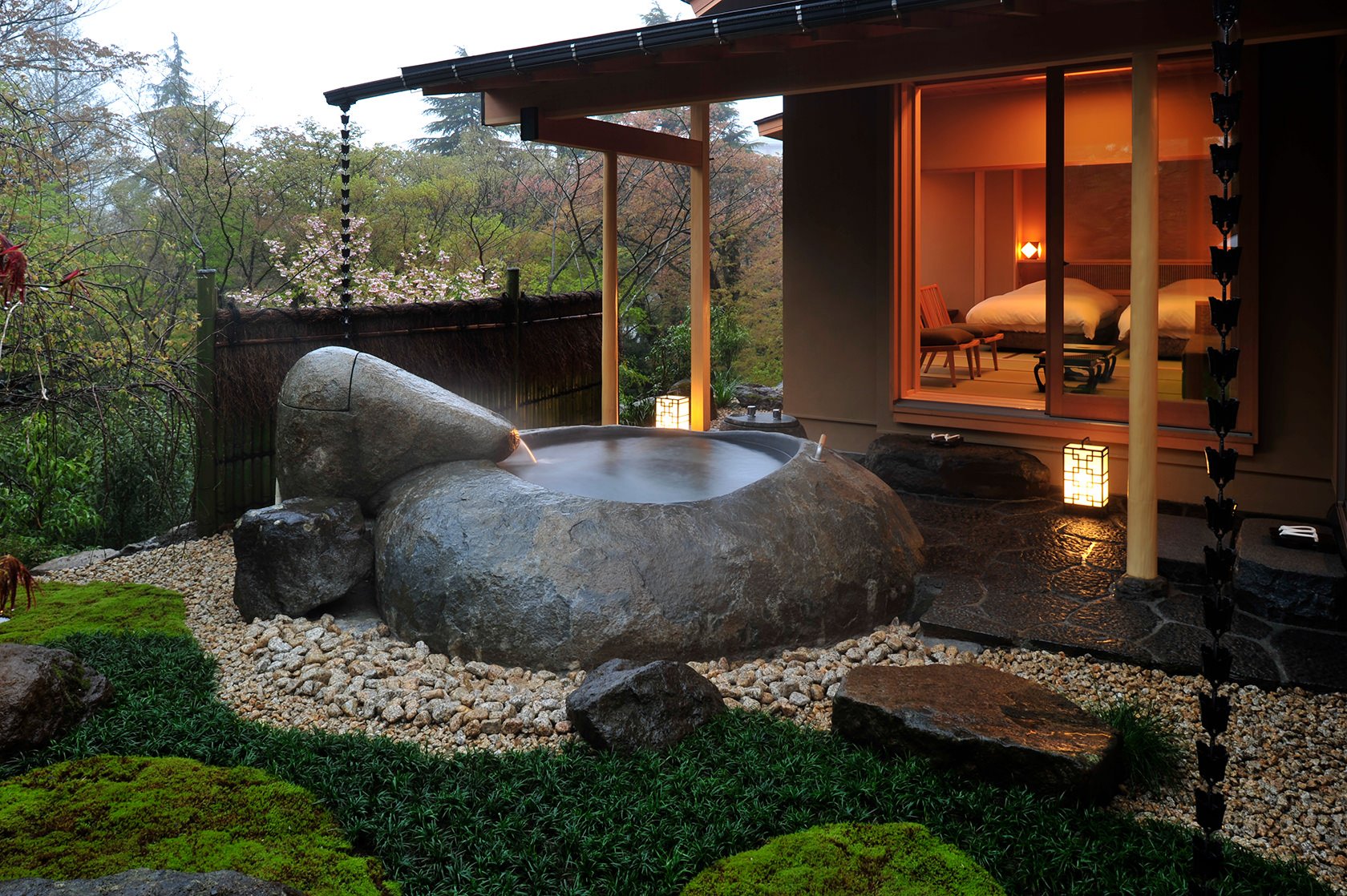
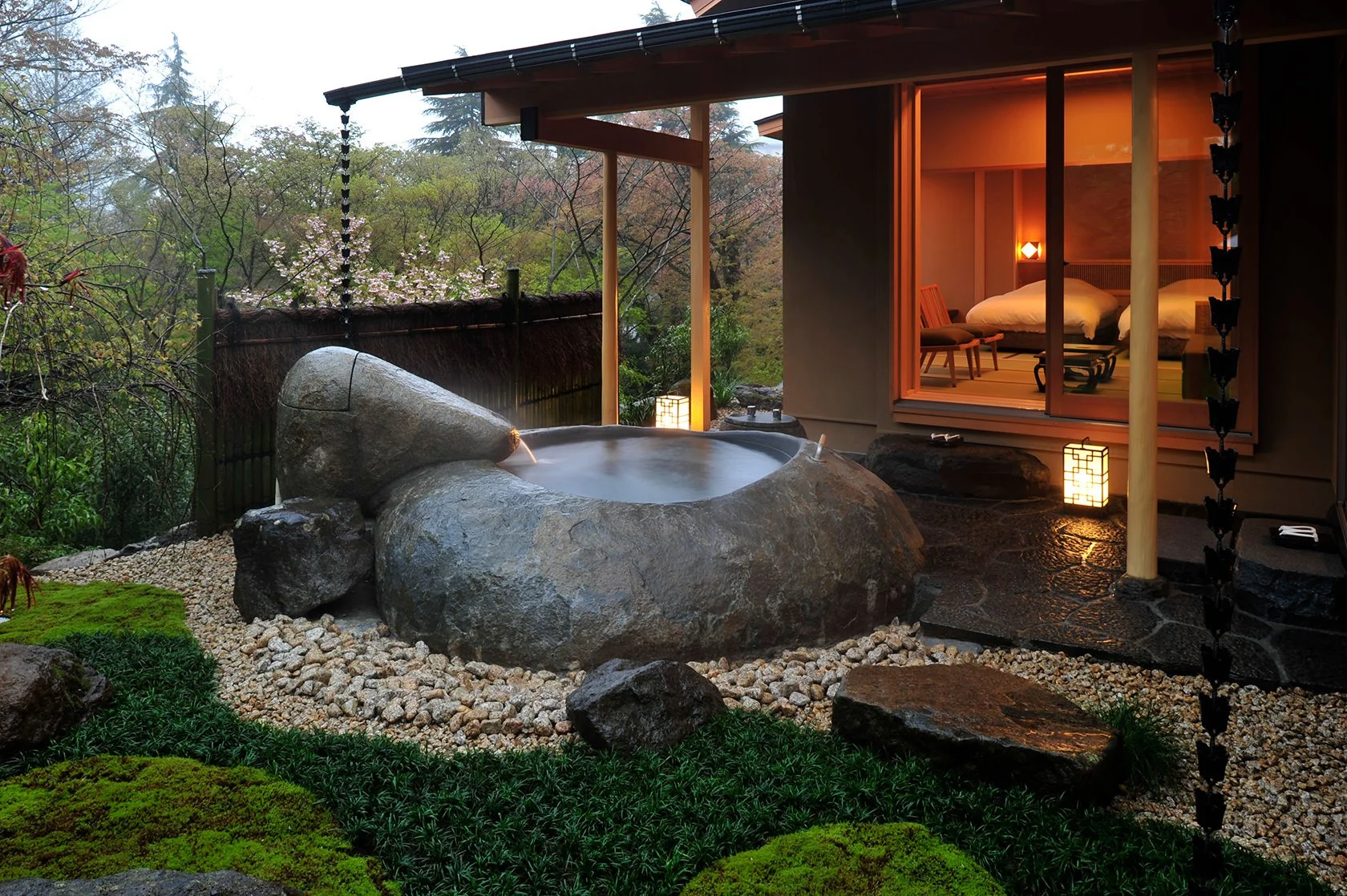
Built on the former summer estate of Imperial Prince Kotohito, Gora Kadan has been a Relais & Châteaux member since 1991 and remains one of the most celebrated ryokan in Japan. Thirty-nine rooms, all in traditional Japanese style. Dinner and breakfast served in your room by kimono-clad staff who explain each dish. The kaiseki uses fresh seafood from Sagami and Suruga Bay. The public onsen swap gender assignment at midnight — stay two nights to experience both outdoor views. Hakone Open Air Museum is a ten-minute walk.
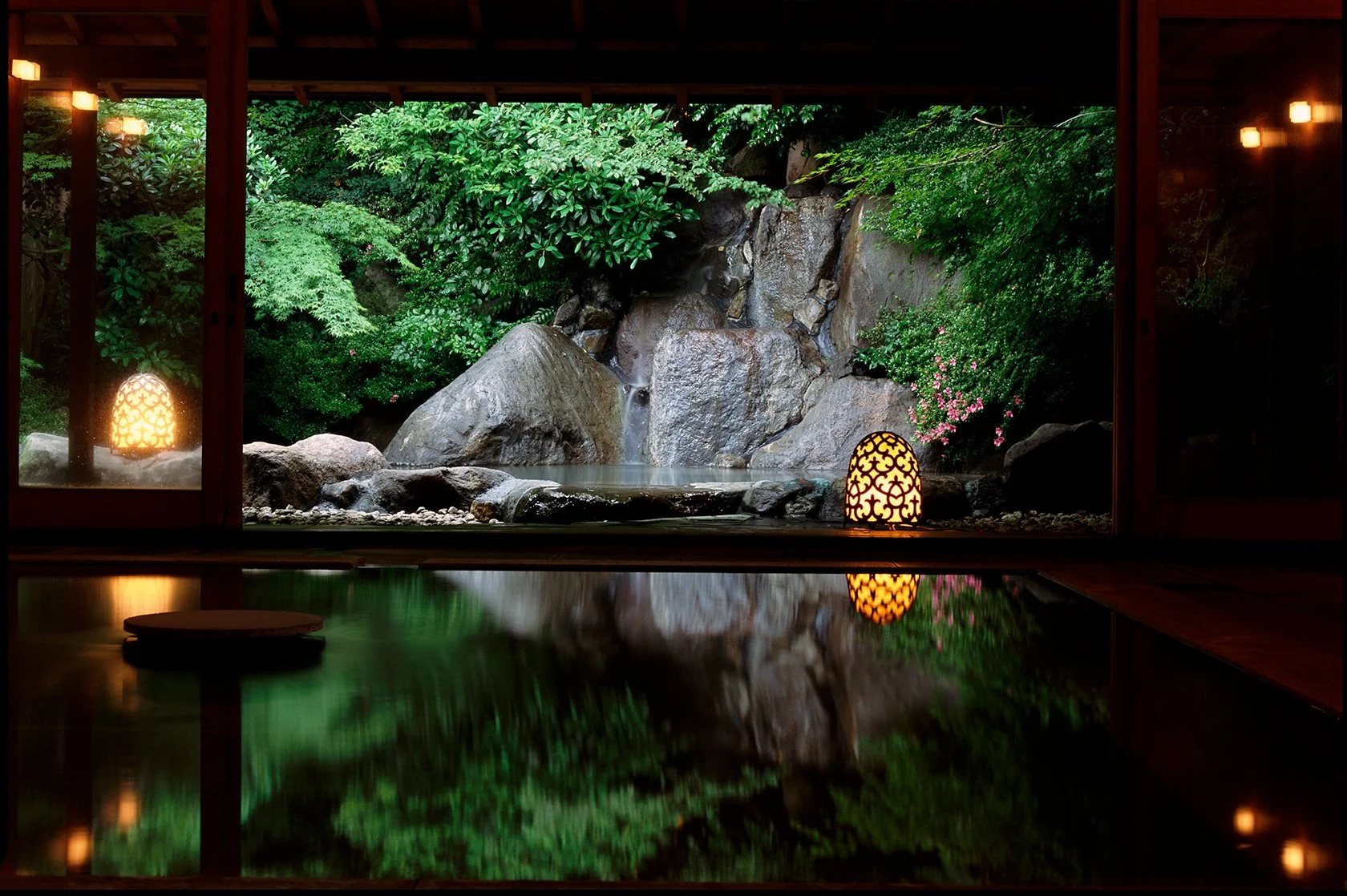
39 rooms; some with private rotenburo (open-air bath) — worth the premium if available
Rates include breakfast and dinner — factor this in; standalone kaiseki at this level costs ¥20,000+
Public onsen rotate at midnight — both indoor and outdoor baths, mountain setting
Hakone Open Air Museum 10 minutes on foot — one of the best sculpture parks in Asia
Check-in by 6pm if booked on a half-board plan — they're strict about this
Accessible via Odakyu Romancecar from Shinjuku (~90 min) then Hakone Tozan Line to Gora — one of the great train journeys in Japan
Worth requesting a recently renovated room when booking. The quality gap between room types here is real.
All images courtesy of Gōra Kadan
Janu
Tokyo
Location: Azabudai Hills, Minato, Tokyo
Price: ~$950/night
Vibe: Social, architectural, the anti-Aman Aman
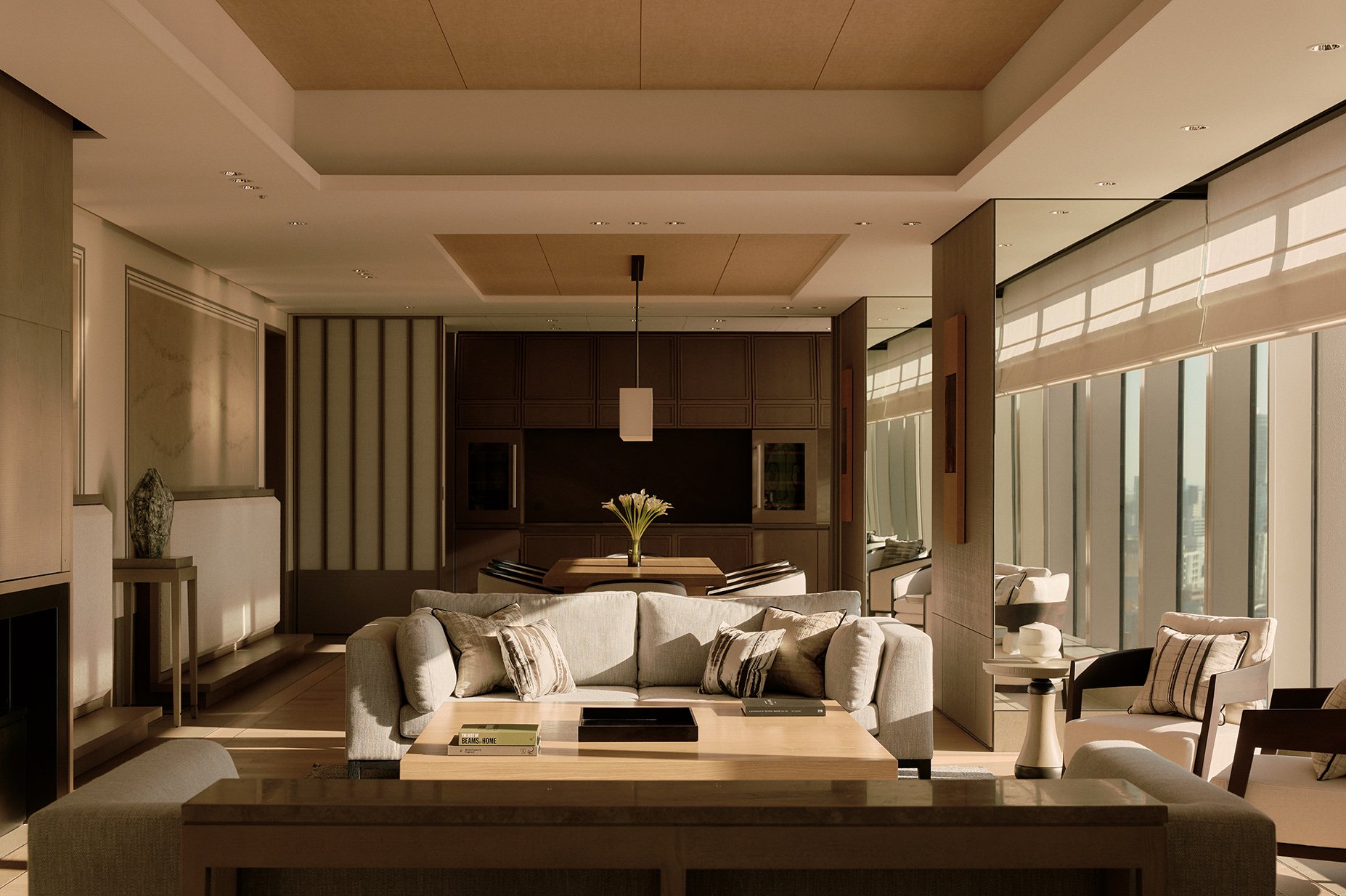
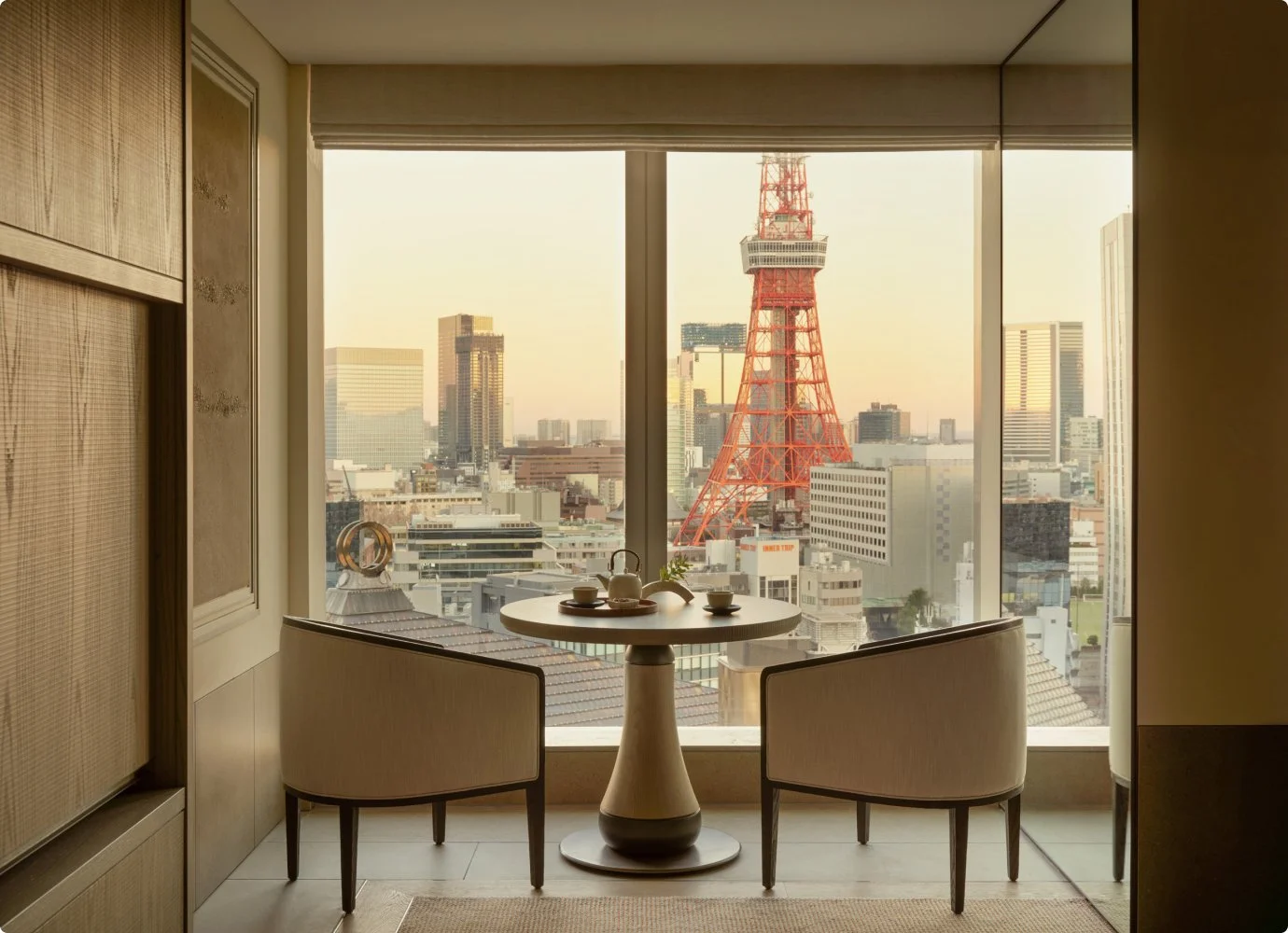
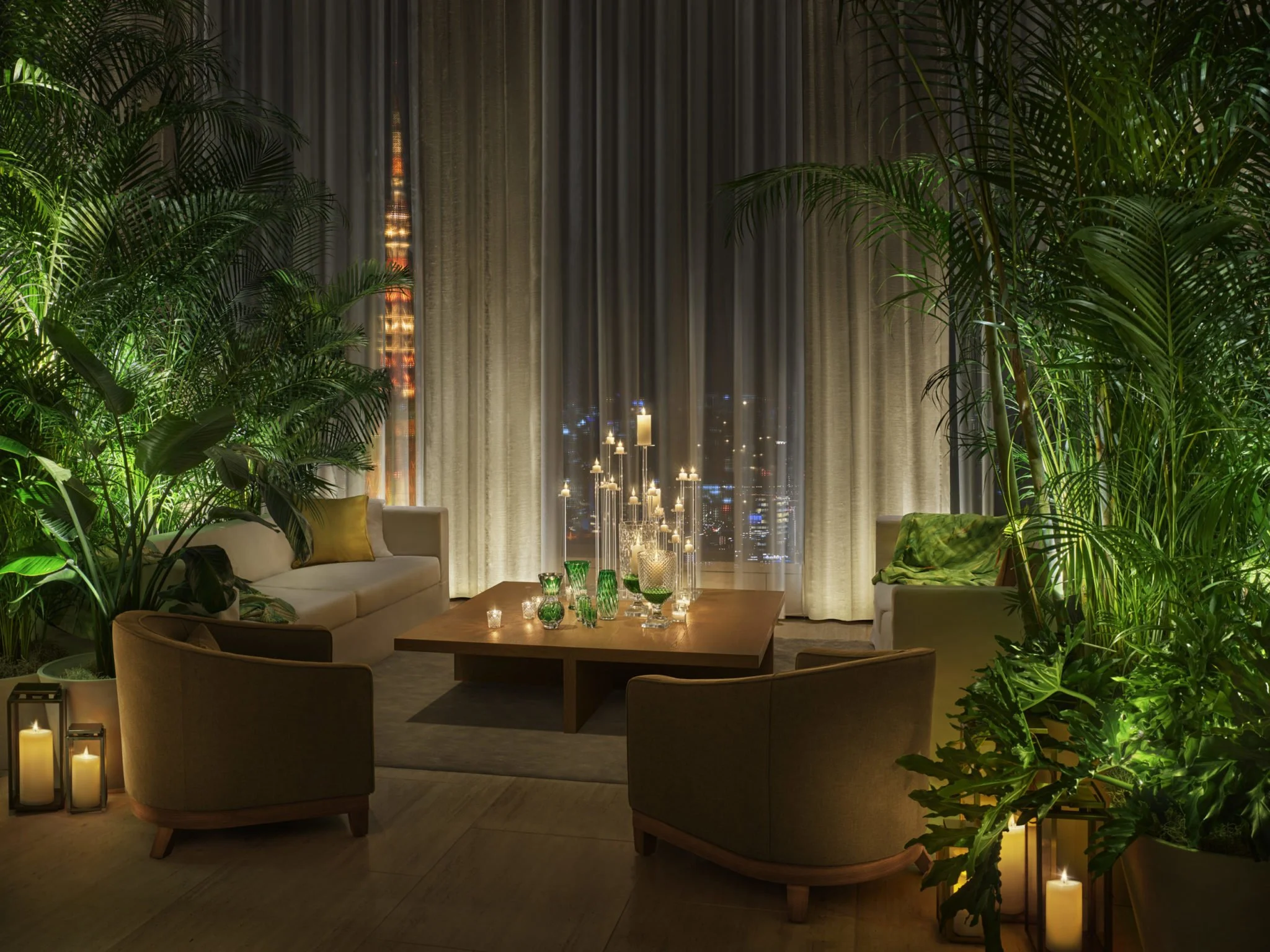
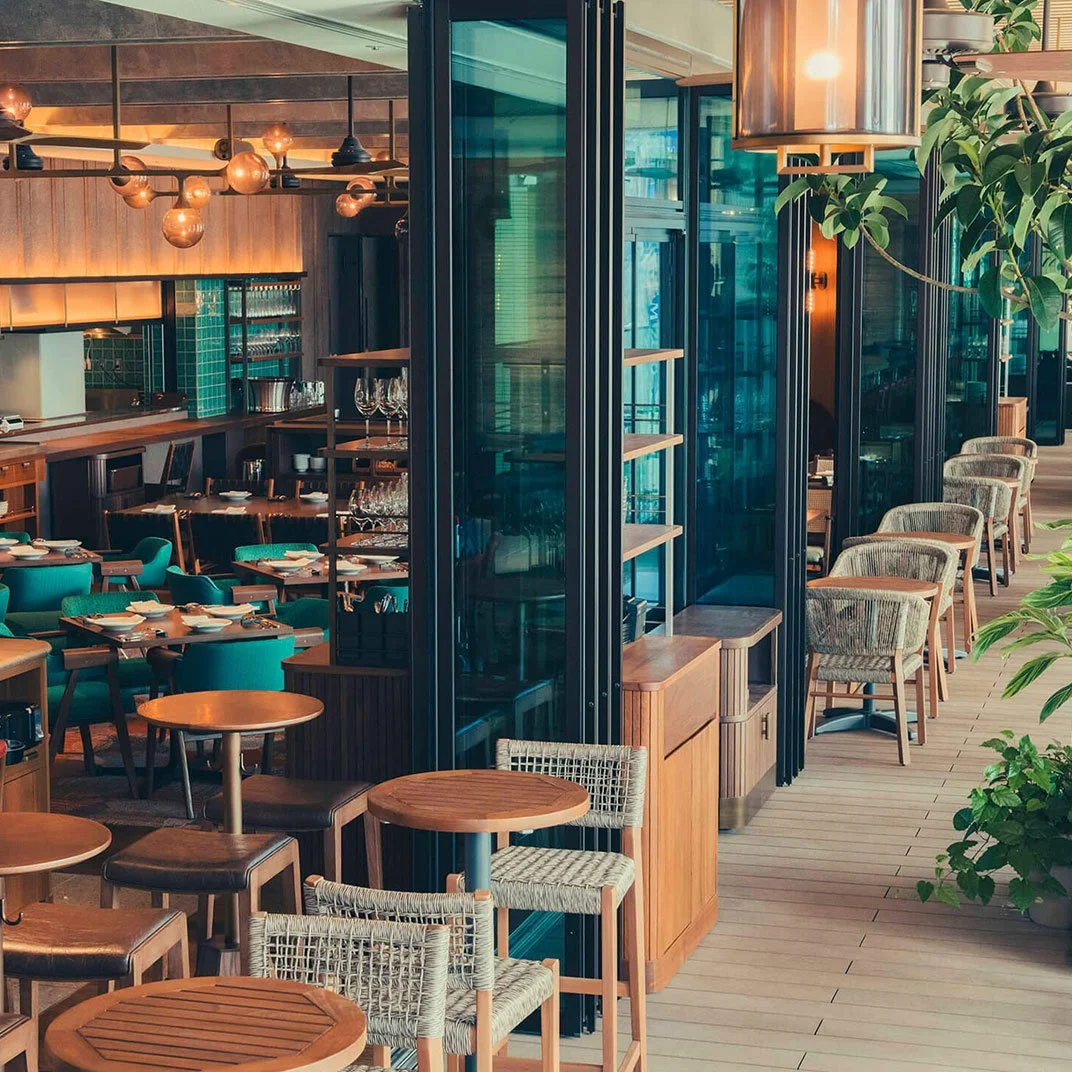
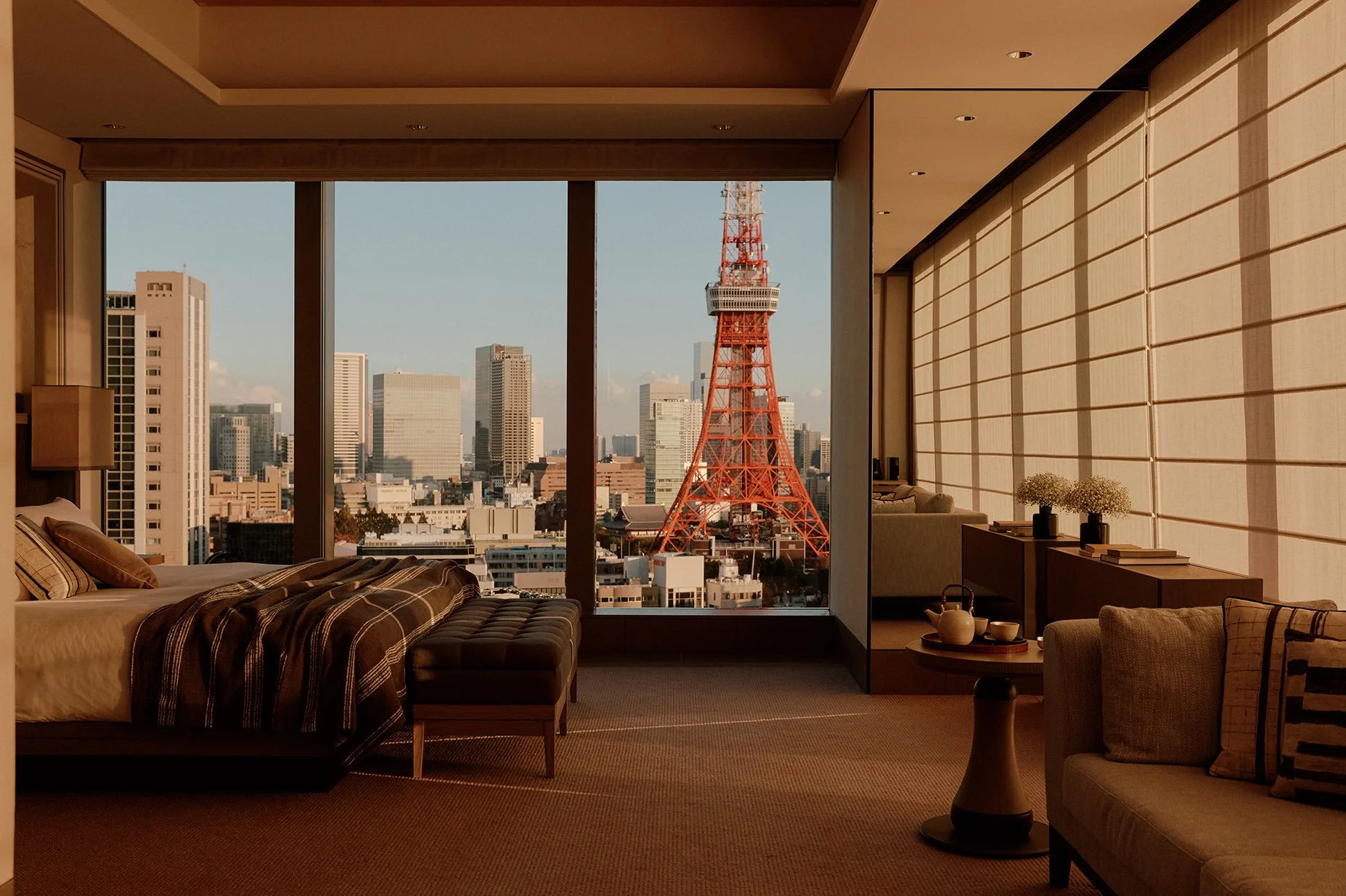
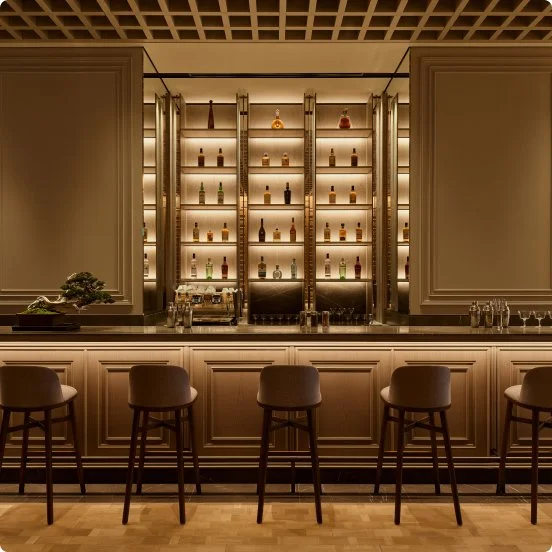
Aman's sister brand and its first property — built into the Azabudai Hills development near Roppongi, inside Tokyo's tallest building. Where Aman is hushed and private, Janu is designed for connection: a 4,000 sq meter wellness club, multiple restaurants and bars, balconies with Tokyo Tower views, a rooftop pool. The rooms are large and luminous. The service is warm rather than formal. It's a younger, more social energy than any other hotel in this tier — less about retreat, more about being somewhere.
122 rooms and suites, many with balconies and direct Tokyo Tower views
Janu Wellness Club is one of the most impressive hotel fitness facilities in Asia — pool, spa, movement studios, multiple treatment rooms
Multiple dining venues including a rooftop bar and an all-day restaurant — more options than anywhere else at this price point
Azabudai Hills location puts you near Roppongi for nightlife and Toranomon for business — not central for temples or traditional sightseeing
Marginally less expensive than Aman for a meaningfully different experience — not a lesser version, a different one
If you want quiet and solitude, book Aman or Hoshinoya. If you want beautiful rooms, serious wellness facilities, and a hotel with actual energy, Janu is the better call.
All images courtesy of Janu Tokyo
The Tokyo Edition
Tokyo
Location: Toranomon, Minato, Tokyo
Price: From ~$650/night
Vibe: Ian Schrager does Tokyo — design-forward, bar-first, genuinely cool
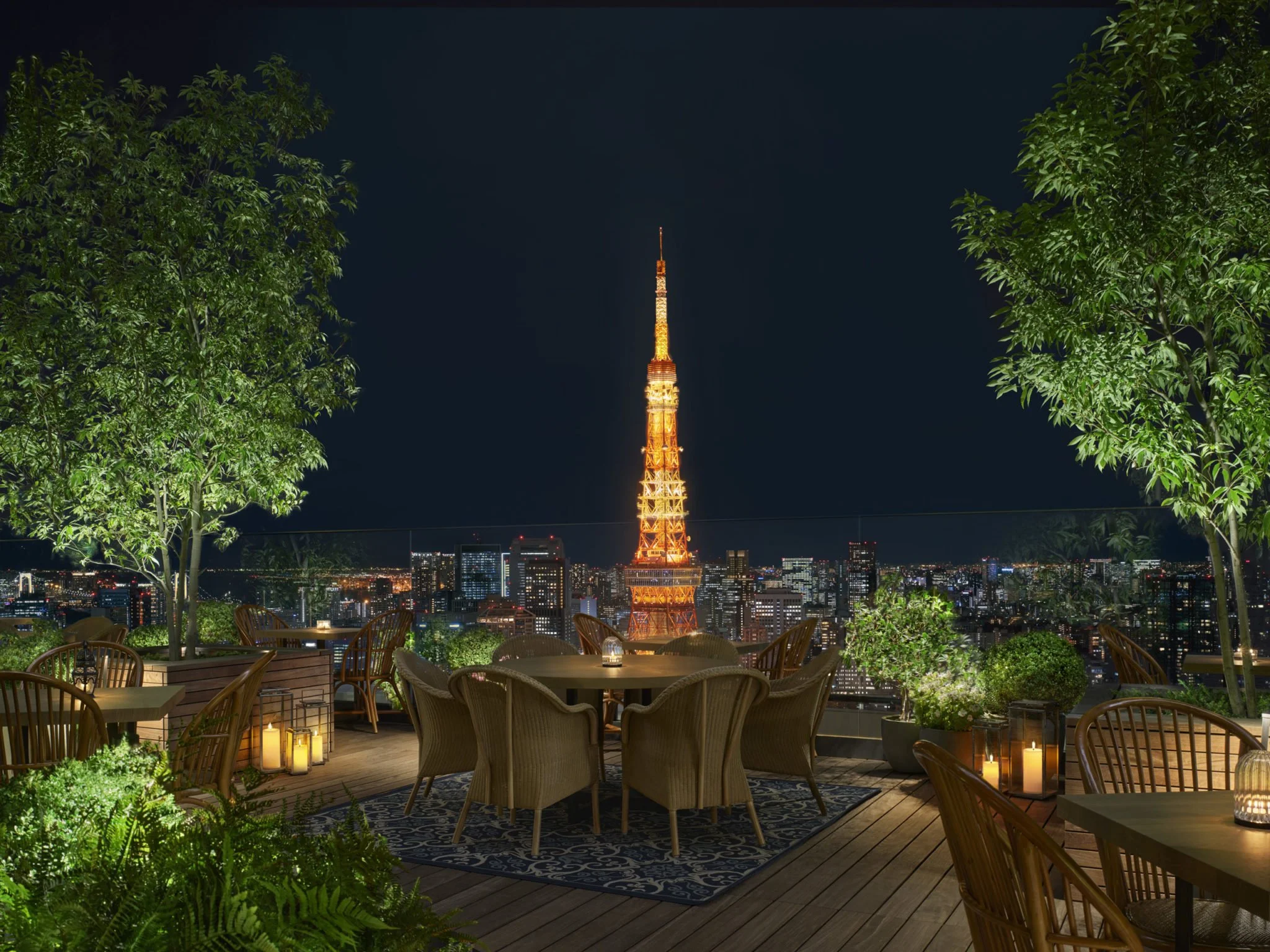
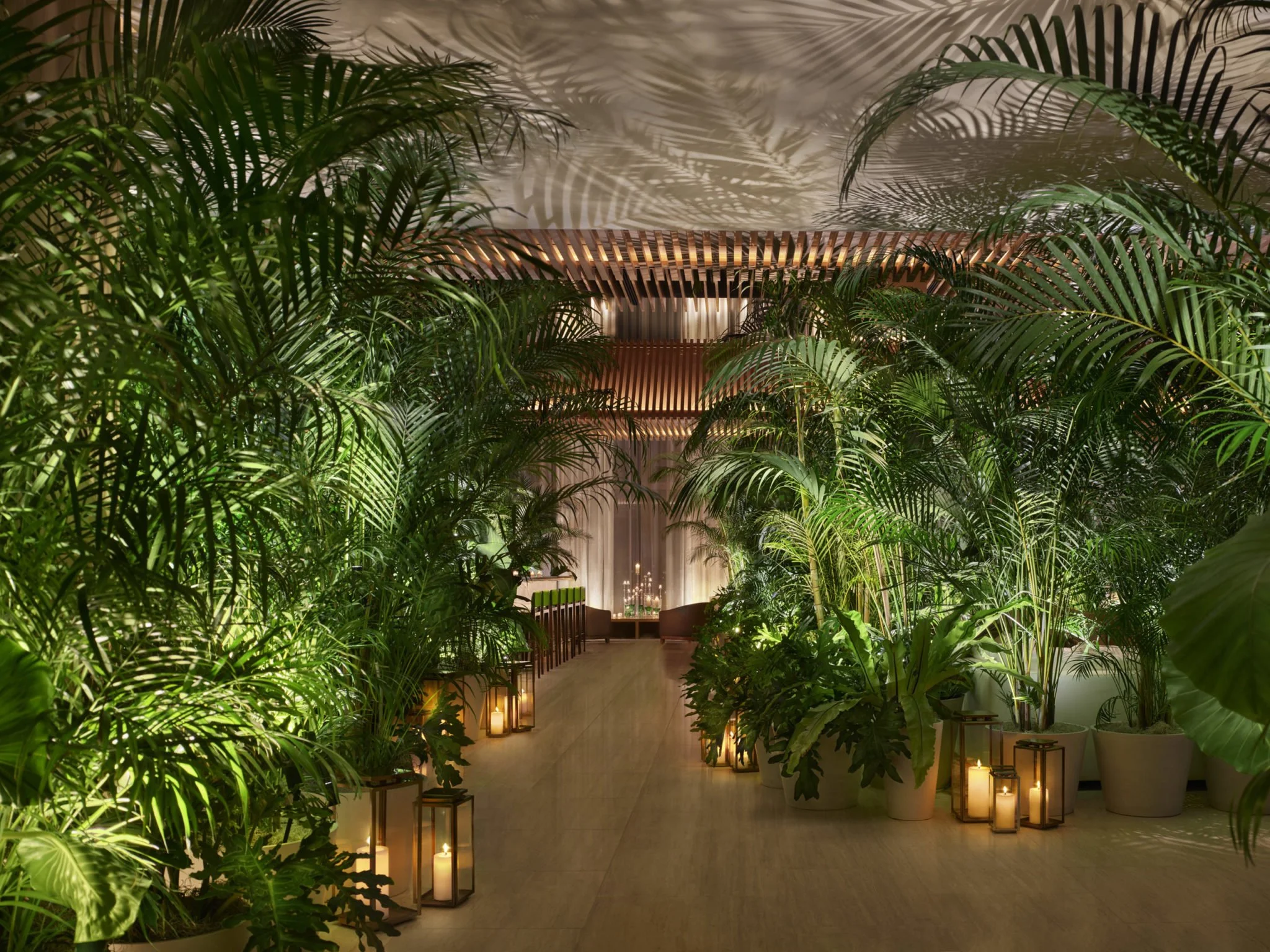
206 rooms designed by Ian Schrager with Nikken Sekkei, positioned between Tokyo Tower and Tokyo Bay. The lobby bar is the best hotel bar scene in the city — the kind of place you end up staying longer than planned. The Blue Room restaurant is genuinely excellent. Free bicycles for guests. The spa requires separate appointment booking rather than being open-access, which some find annoying. Ranked in the World's 50 Best Hotels 2025 despite mixed Tripadvisor reviews — the guests who get it love it; the ones expecting traditional luxury service don't.
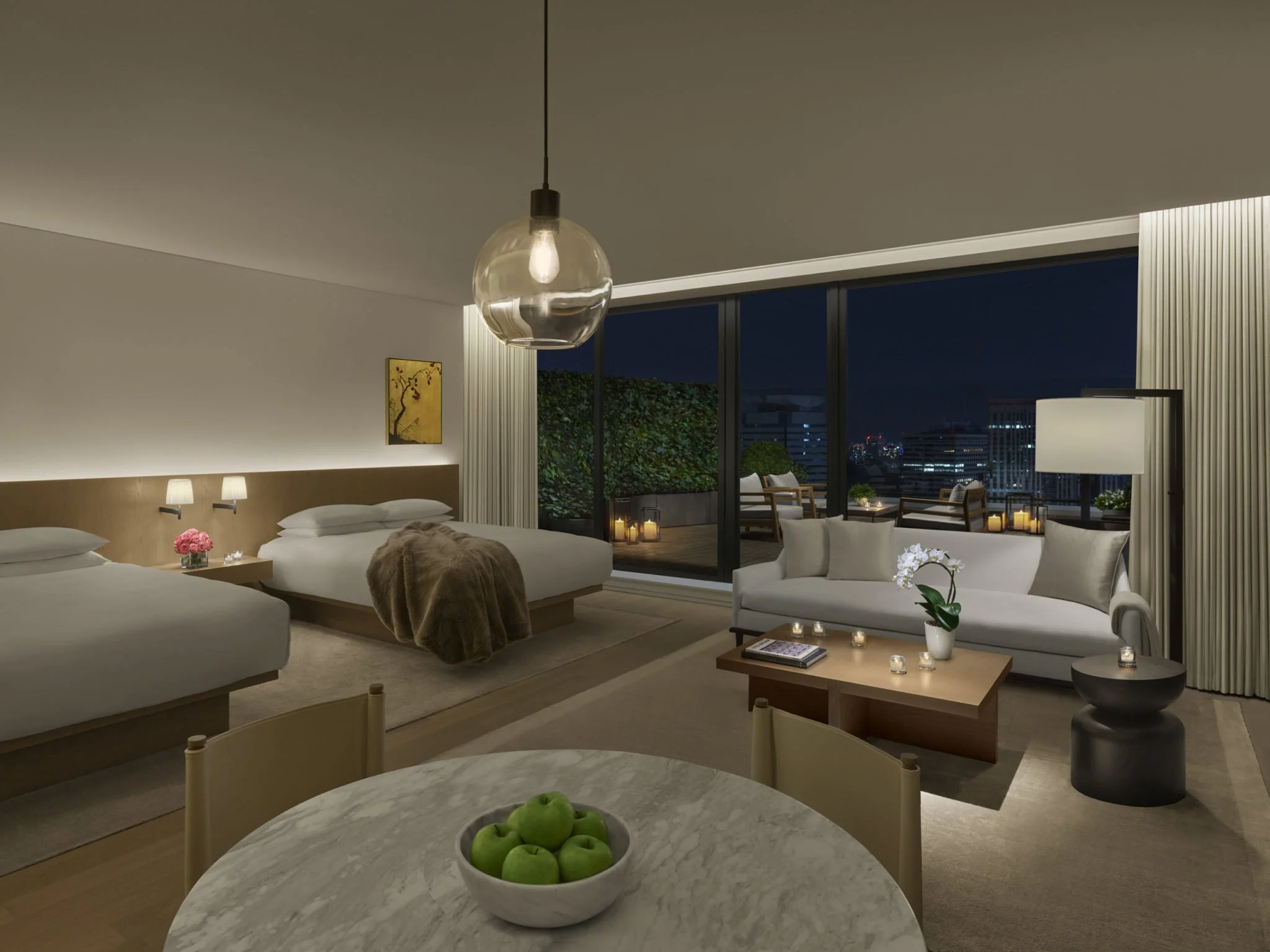
206 rooms; penthouse suites have some of the best city views in Tokyo
The lobby bar is worth visiting even if you're staying elsewhere — consistently excellent cocktails and crowd
The Blue Room restaurant: Japanese-influenced, well-executed, the best hotel restaurant at this price point in Tokyo
Free bikes for guests — Tokyo Tower is a 5-minute ride, Tsukiji Outer Market is 15 minutes
Spa requires advance booking, no drop-in access — plan this before you arrive
No complimentary breakfast for Marriott Bonvoy elite members — flag this if points status matters to you
The reviews split sharply. If you want a contemporary, design-led hotel with a great bar, this is your place. If you want deep service and traditional hospitality, go to Aman or Hoshinoya. These are different hotels for different trips.
All images courtesy of The Tokyo Edition
Aoyama Grand Hotel
Tokyo
Location: Kita-Aoyama, Minato, Tokyo
Price: ~$450/night
Vibe: Mid-century cool, Aoyama-polished, social without being loud
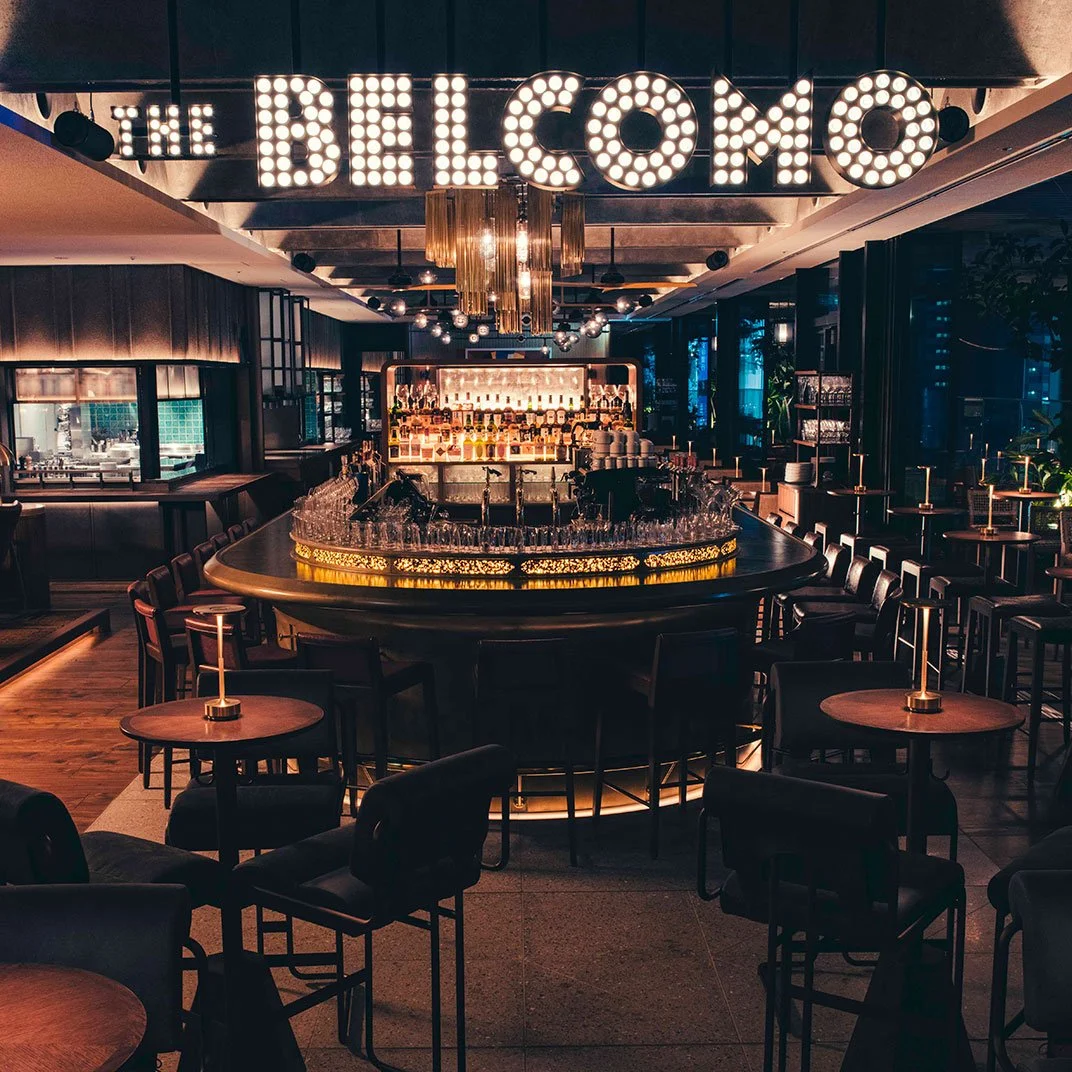
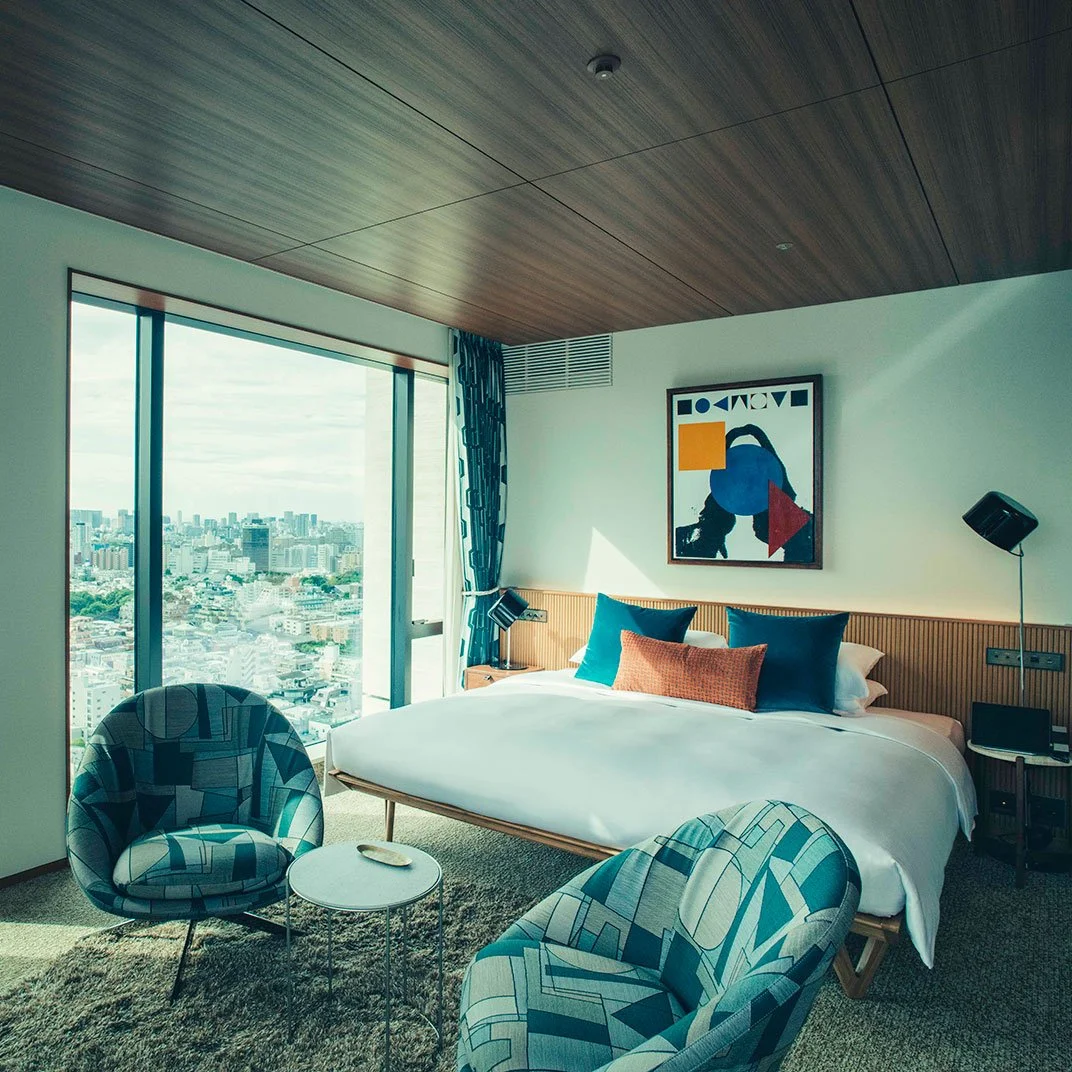
Built on the site of the former Bell Commons complex in the heart of Aoyama, this is Tokyo's most stylishly positioned hotel at this price point. The neighborhood does a lot of the work — Omotesando is a 15-minute walk, Harajuku is close, the Ginza line stop is two minutes from the front door — but the hotel itself earns its keep. The design is mid-century modern with genuine conviction: warm woods, clean geometry, rooms that feel like they were put together rather than assembled. THE BELCOMO on the 16th floor is the cocktail destination, with Tokyo Tower framed in the window. The rooftop on the 20th floor has the best views in the building.
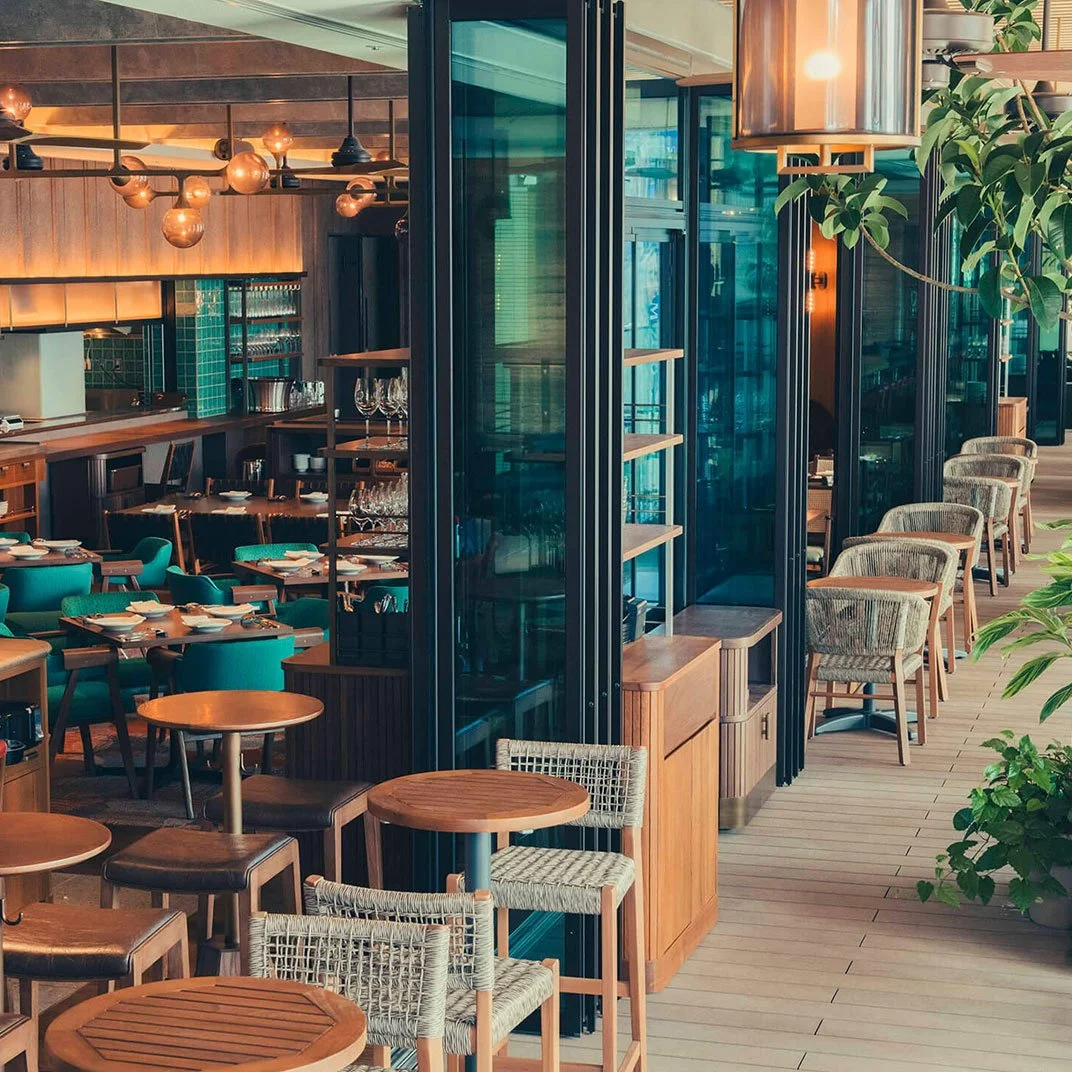
42 rooms, all individually designed — ask for a city view room on a higher floor
THE BELCOMO on the 16th floor: cocktail bar with Tokyo Tower views at night, worth going up for at least one drink
Rooftop bar on the 20th floor has the best vantage point — note there's a ¥1,000 table charge per person on top of drinks, which some find annoying; go knowing that and it's fine
Electric bikes available complimentary for guests — Yoyogi Park and Omotesando are both easy rides
Complimentary tea and coffee at the restaurant every morning for guests, separate from breakfast
Price has crept up since opening, which puts it in direct competition with more established luxury options. Worth it for the location and design; less convincing if you're purely looking for room quality at that price point
The Watarium Museum of Contemporary Art is literally around the corner and consistently one of the best contemporary art spaces in Tokyo.
All images courtesy of Aoyama Grand Hotel
What We Do
Food Tour With Arigato Travel
What’s Included:
5–7 curated tastings across multiple stops
English-speaking local guide
Cultural and culinary context throughout
Small group setting (typically capped around 6–8 guests)
Pair It With:
Book for your first or second evening in Tokyo, then return independently to your favorite stop later in the week. Works especially well before a deeper dive into sushi or fine dining.
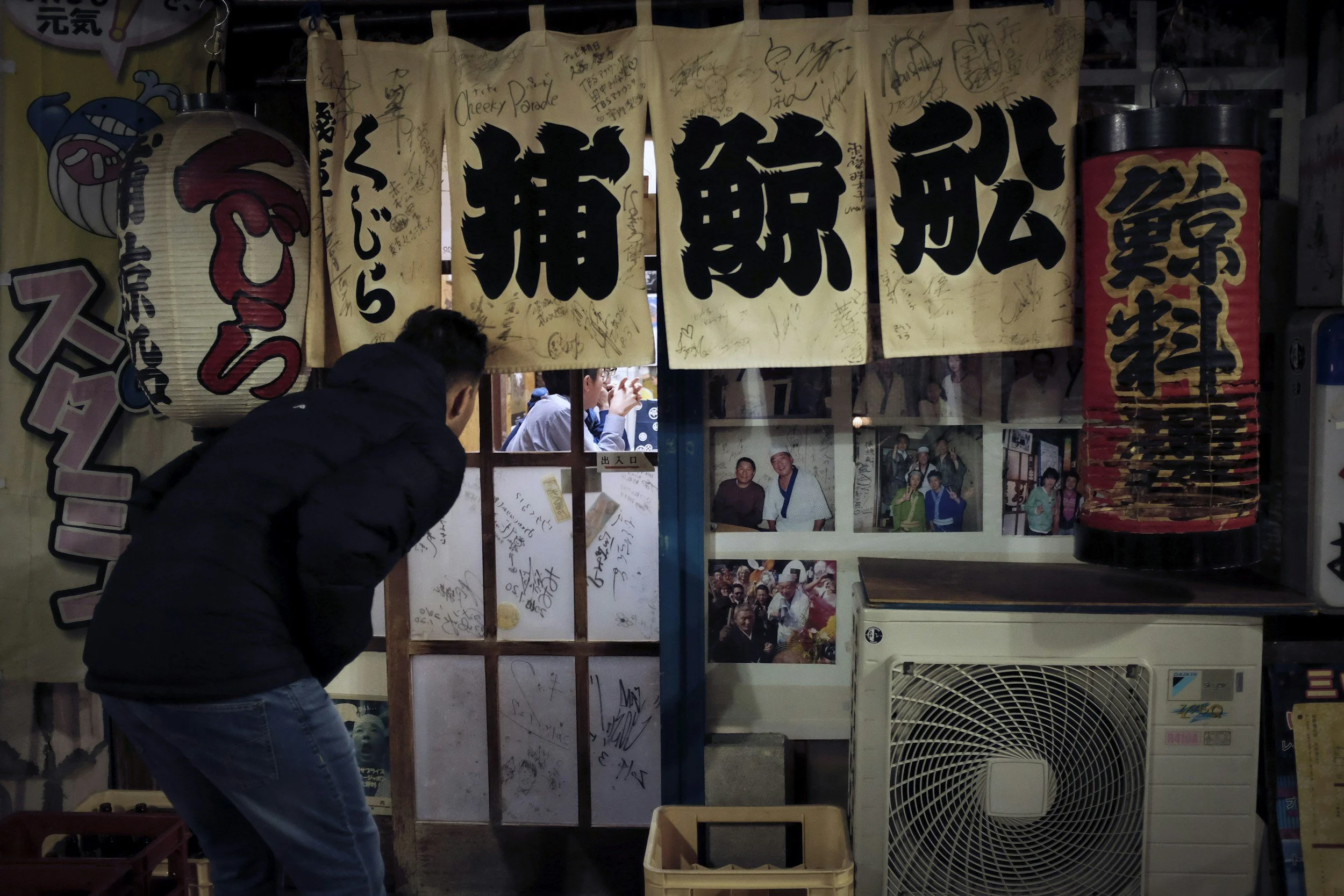
Arigato Travel offers one of the most polished and consistently praised food tour experiences in Tokyo. Rather than rushing through headline spots, the tours move deliberately through a single neighborhood, introducing guests to family-run eateries, street food specialists, and regional dishes with context and care. It’s an efficient way to understand how Tokyo actually eats — grounded, seasonal, and deeply local — especially at the beginning of a trip.
Location: Neighborhood-based routes in Shibuya, Yanaka, Asakusa, and other Tokyo districts
Price: From $150/person
Vibe: Neighborhood-deep, unhurried, genuinely local
Need to Know: Dietary restrictions can usually be accommodated with notice. Comfortable walking shoes are essential!
Sushi Making Class
What’s Included:
Fish disassembly demonstration by the sushi chef
Hands-on instruction in nigiri shaping and rolled sushi
High-quality fish sourced directly from Tsukiji market
Eat your own creations at the end, with additional pieces prepared by the chef
Pair It With:
Do this early in your Tokyo stay — then book a counter seat at a proper omakase later in the trip. Once you've made nigiri yourself, watching a master do it has a completely different meaning.
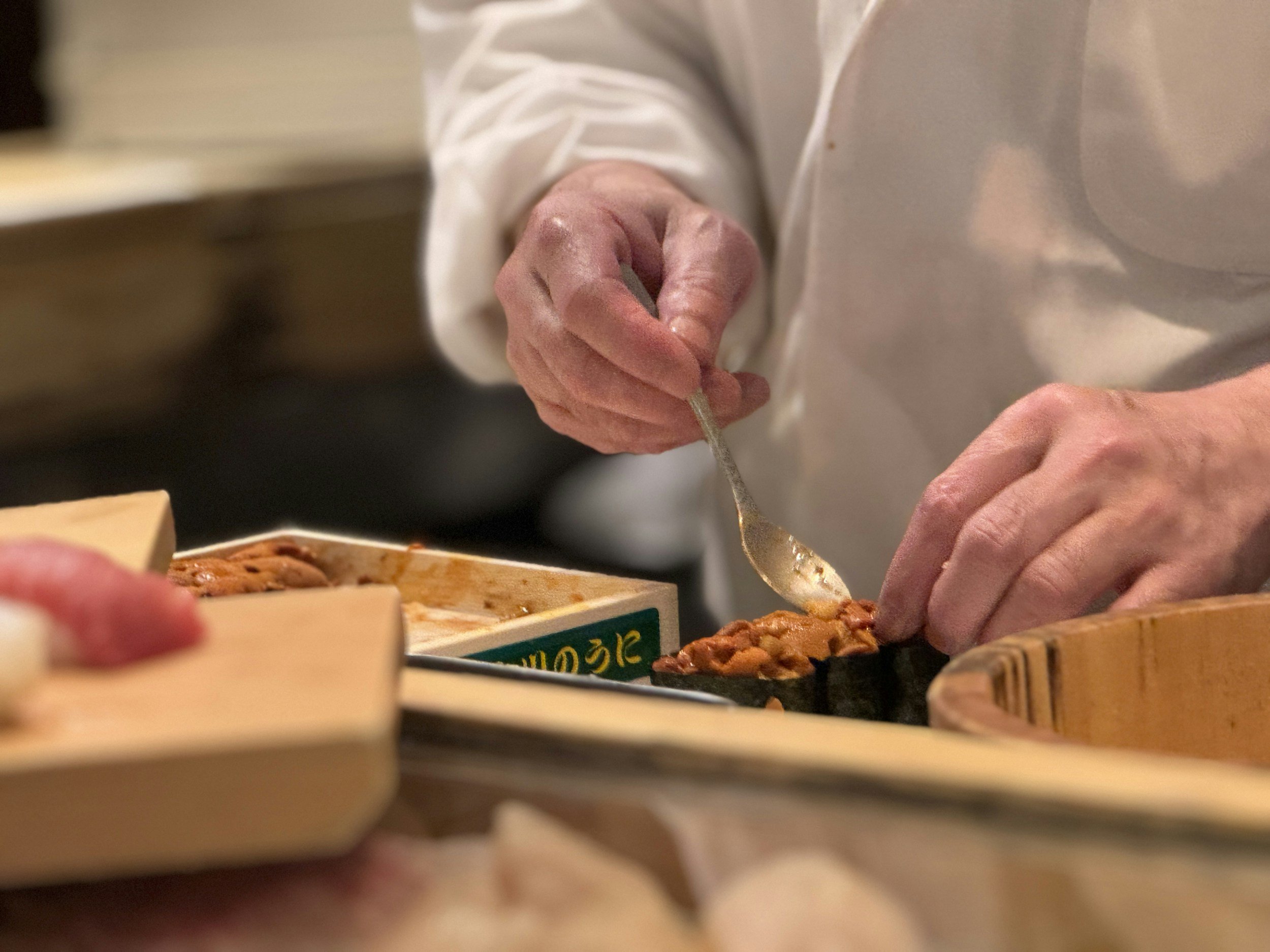
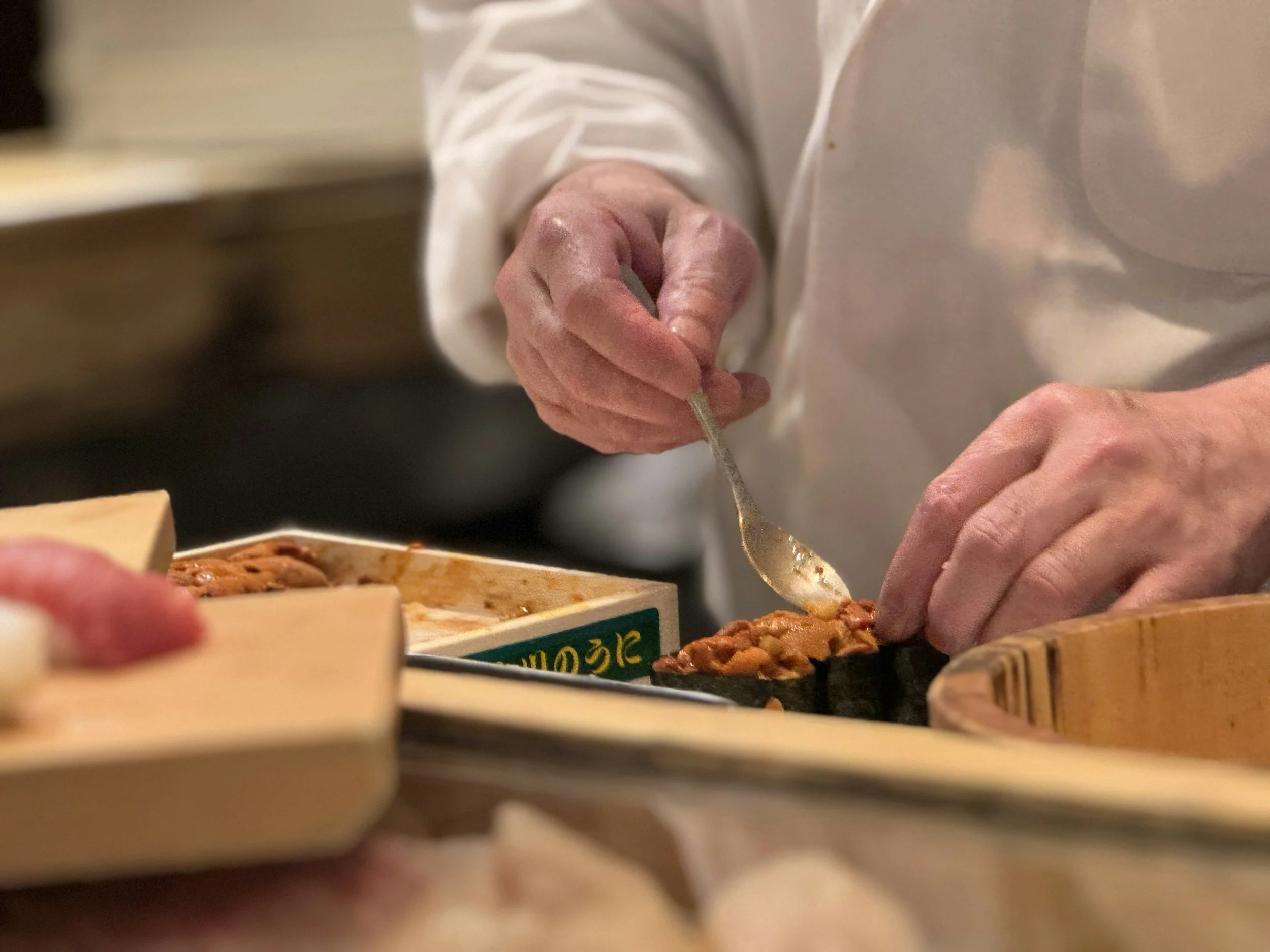
Tsukiji Cooking runs one of the most consistently praised sushi classes in Tokyo. The format is right: a working sushi chef, a hidden classroom in a local building inside the Tsukiji market, fish that came from the stalls that morning. You start by watching the chef break down a whole fish — which is the detail most sushi classes skip entirely — then move into rice preparation, shaping nigiri, and assembling rolls. The instruction is hands-on and genuinely technical without being intimidating. This is less a tourist activity and more a real kitchen lesson. By the end you'll understand exactly why good sushi costs what it costs.
Location: Tsukiji Outer Market, Chuo City, Tokyo — meeting point in front of Plat Tsukiji information center
Price: ~$60–$80 USD per person depending on format; AM and PM sessions available
Vibe: Hands-on, market-rooted, genuinely instructive
Need to Know: Book at least a week ahead — sessions fill fast, especially weekends. AM class meets at 10:15, PM class meets at 13:15. English-speaking host accompanies the chef throughout.
Sake Tasting
What’s Included:
Unlimited sampling from 50+ varieties of sake from across Japan
Premium, traditional, fruit-flavored, seasonal, unpasteurized, cloudy, sparkling, and aged varieties
Guided by a certified sake sommelier
Light food pairings throughout
Pair It With:
Book WASAKE for an early evening — 90 minutes here, then dinner somewhere close in Asakusa. The Kaminarimon area at dusk with sake already in your system is a solid plan.
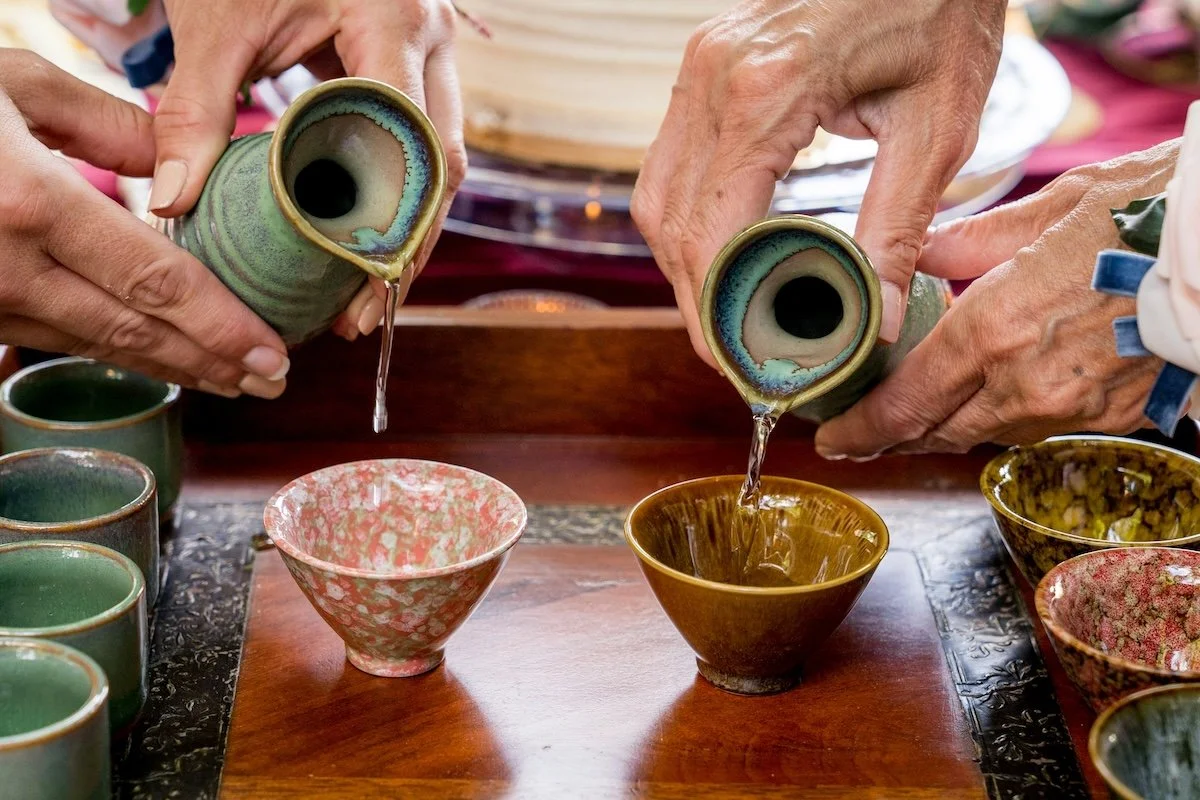
Most people leave Japan having drunk sake without understanding any of it. WASAKE fixes that. Based in Asakusa with its own dedicated tasting space, the experience is guided by a certified sommelier who pulls from 50+ varieties spanning the full spectrum of what sake actually is — not just the hot stuff you've had at a restaurant. Sparkling sake, aged sake, unpasteurized nama, cloudy nigori, high-end junmai daiginjo — the range is serious and the guidance is genuinely educational without being dry. Reviews consistently mention leaving with a completely different relationship to sake than when they arrived. That's the benchmark.
Location: WASAKE Sake Experience, THE ASAKUSA RESIDENCE 101, 1-11-1 Asakusa, Taito City, Tokyo 111-0032 — along Kokusai Street
Price: From ~$45 USD per person; 90-minute sessions
Vibe: Relaxed, revelatory, sommelier-led
Need to Know: The entrance can be tricky to find — it's inside a residential building on Kokusai Street. Save the address in Google Maps before you go and call ahead if you can't locate it. Book online; sessions fill quickly on weekends.
Hakone Day Trip
What’s Included (Self-Guided):
Odakyu Romancecar express train from Shinjuku — reserved sightseeing train, large windows, the right way to arrive
Hakone Free Pass covers all transport within the area including the mountain railway, ropeway, and Lake Ashi cruise
Owakudani volcanic valley — active sulfur vents, black eggs hard-boiled in volcanic water (allegedly adds 7 years to your life)
Hakone Shrine — the red torii gate standing in the lake is the real thing, not a replica
Hakone Open Air Museum — 70,000 sqm sculpture park with a Picasso pavilion, best outdoor art space in Japan
Pair It With:
Stay overnight at Gora Kadan or one of the Hakone ryokan rather than rushing back. Hakone is the argument for building in a night — the onsen at dusk and the mountain silence at 6am are what the whole trip is for.
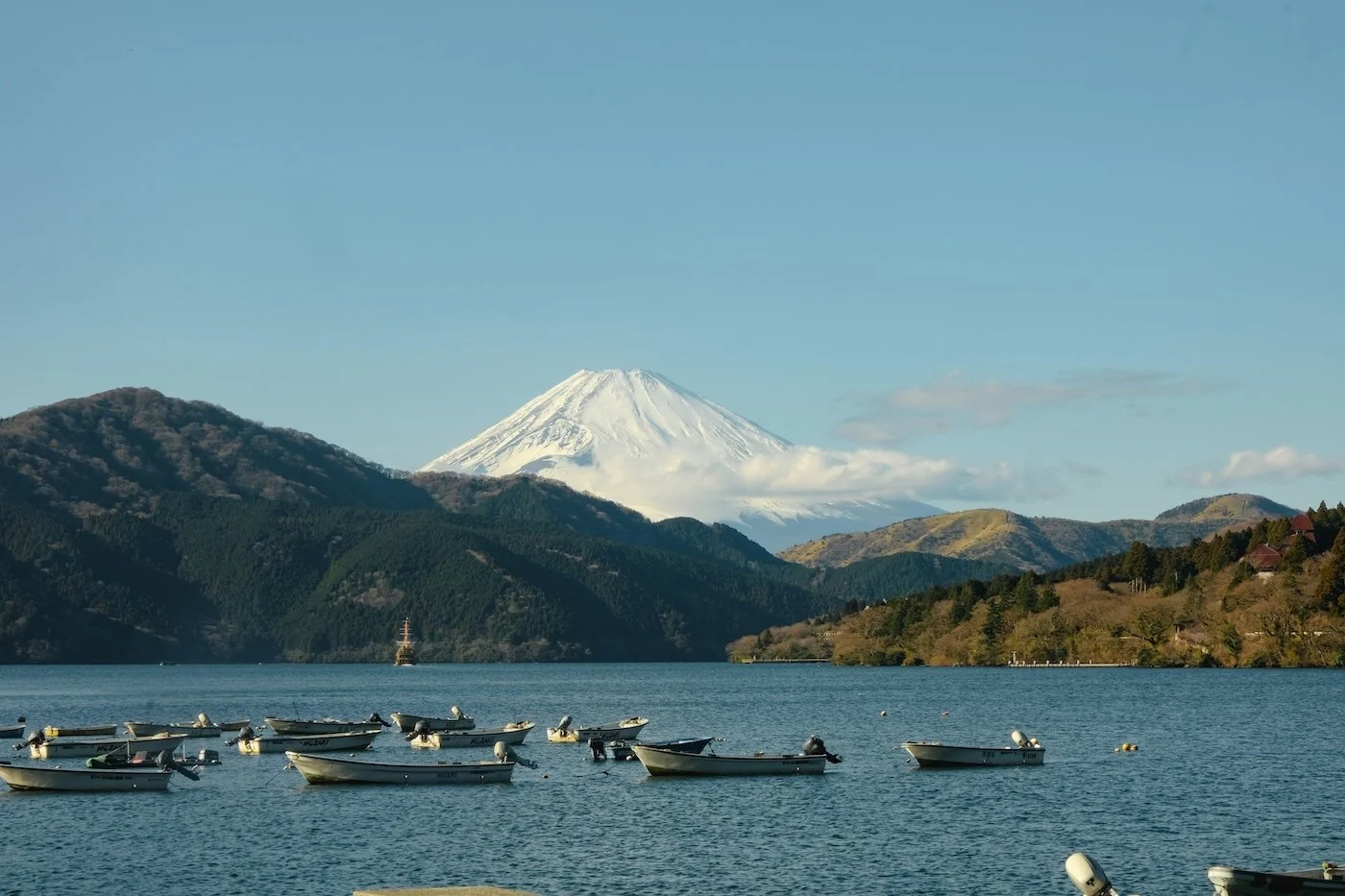
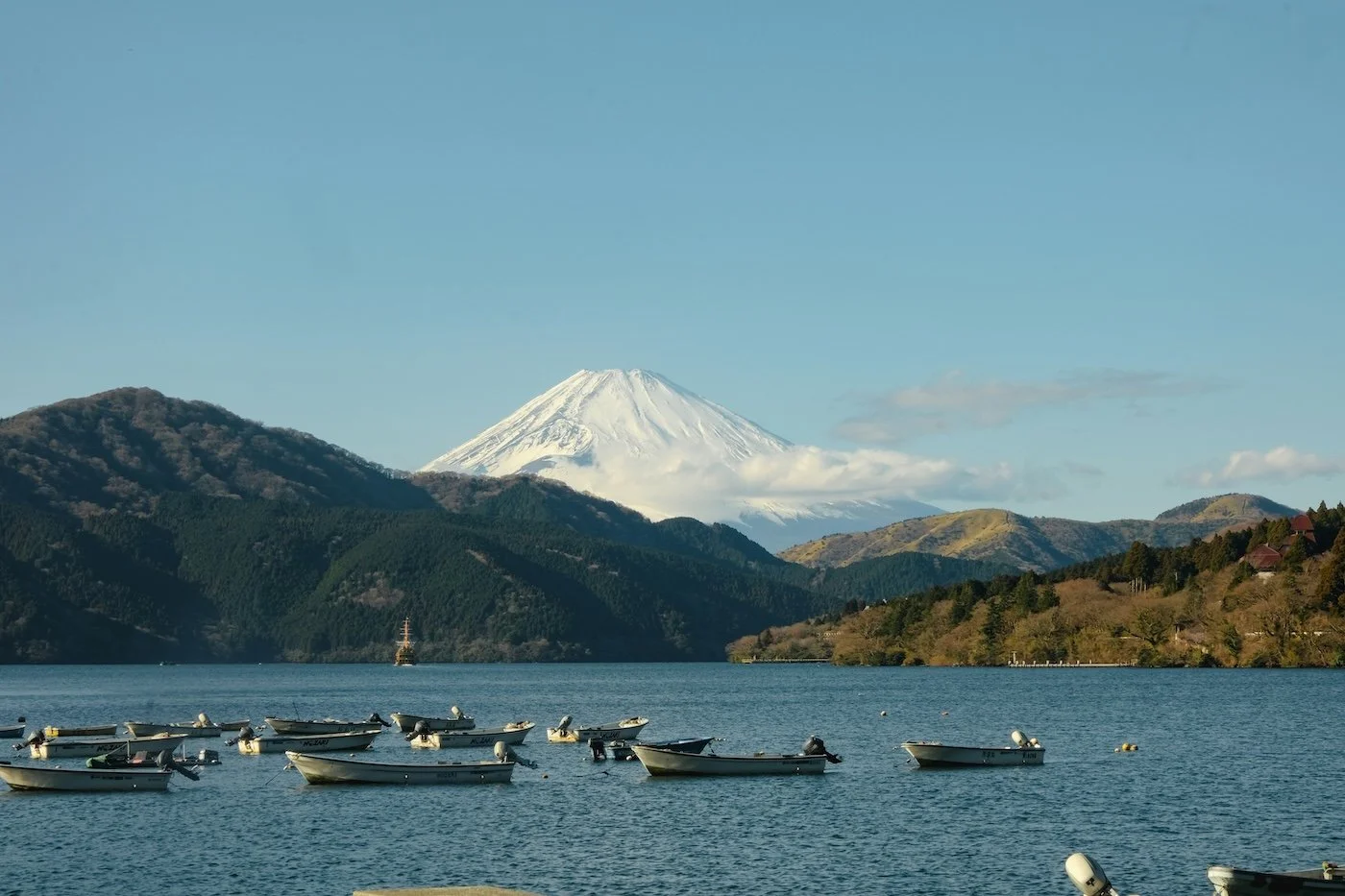
The Romancecar from Shinjuku takes 85 minutes and costs ¥2,470 — not covered by JR Pass but worth buying separately. The train has forward-facing panoramic windows and a café car. Once you arrive, the Hakone Free Pass (¥6,000 from Shinjuku, ¥4,600 from Odawara) covers everything: the Hakone Tozan mountain railway that switchbacks up the mountain, the Komagatake Ropeway across the volcanic Owakudani crater, and the Lake Ashi sightseeing cruise that frames Mount Fuji on clear days. The Open Air Museum is the surprise — most visitors skip it for more temples and miss one of the best sculpture collections in Asia. The Hakone Shrine torii gate standing in the lake is exactly as good as the photos suggest. Hakone rewards a full day and punishes a half one.
Location: Hakone, Kanagawa Prefecture — 85 minutes from Shinjuku on the Odakyu Romancecar, or 35 minutes from Tokyo Station to Odawara by Shinkansen
Price: Romancecar ¥2,470 (~$16) + Hakone Free Pass ¥6,000 (~$40) from Shinjuku; admission to Open Air Museum ¥1,600 (~$11) extra
Vibe: Volcanic, scenic, completely worth the day
Need to Know: Mount Fuji is visible from Lake Ashi on clear mornings — clouds tend to build in the afternoon. Go on a weekday if possible; weekends get genuinely crowded. The ropeway section over Owakudani occasionally closes due to volcanic activity — check before going.
Mount Takao Hike
What’s Included (Self-Guided):
Trail 1 — the main route (3.8km, approx 90 minutes up), paved path through cedar forest to Yakuoin Temple and the summit at 599 meters
Trail 6 — the stream route, less crowded, follows a mountain river through dense forest
Cable car and chair lift available for those who want to save energy for the summit
Summit views of the Kanto Plain — and on clear days (December–February) a direct line of sight to Mount Fuji
Yakuoin Temple — a Shinto-Buddhist complex dating to 744AD with fire-walking ceremonies monthly
Beer garden at the summit. Yes, really. It's good.
Pair It With:
Combine with Hachioji's old town at the base of the mountain for lunch — Ukai Toriyama, a stunning traditional restaurant complex, is 10 minutes from the trailhead and one of the best lunch spots in greater Tokyo.
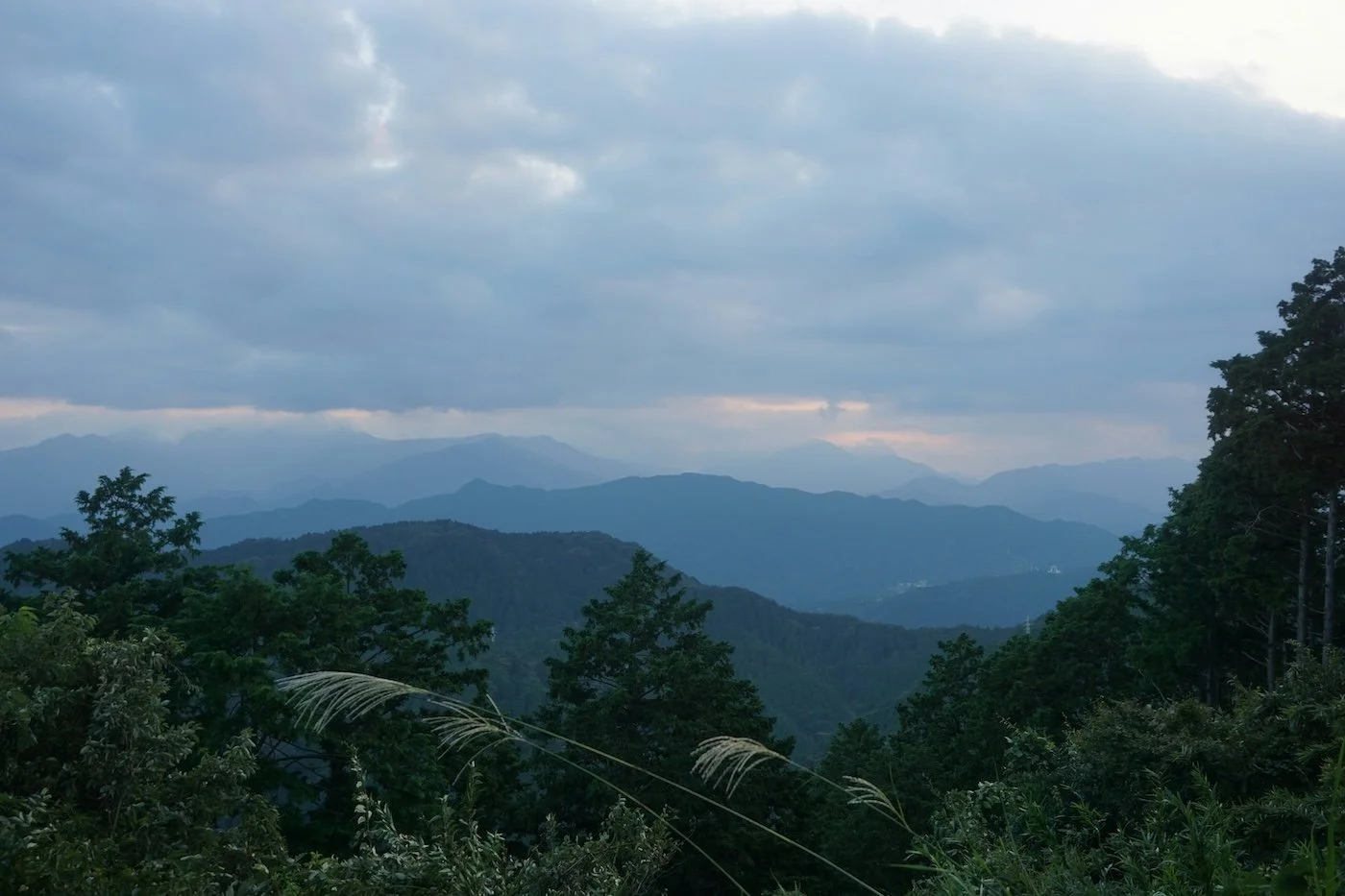
Mount Takao has three Michelin Green Guide stars — the same rating as Versailles and the Grand Canyon — which sounds like an overstatement until you're standing at the summit watching the city disappear behind cedar forest. It's 599 meters, completely manageable for anyone in reasonable shape, and one hour from central Tokyo by direct train. Most visitors take Trail 1 — paved, busy, past a 1,300-year-old temple — which is fine. Trail 6 along the mountain stream is the better call: quieter, more forested, genuinely beautiful. The summit has a restaurant, a beer garden, and a view that makes you understand immediately why ten million people a year make this trip. Go on a winter weekday for the Fuji view and none of the crowds.
Location: Mount Takao, Hachioji, Tokyo — Keio Line direct from Shinjuku to Takaosanguchi Station (53 minutes, ~¥390)
Price: Train ~$3 each way; cable car ¥490 (~$3) one way if needed; summit beer garden from ¥800
Vibe: Cedar forest, mountain temple, surprisingly moving
Need to Know: December through February gives the clearest Fuji views and the least crowds. Avoid weekend mornings in autumn — the foliage season draws massive crowds and Trail 1 can feel like a queue. Trail 6 closes after rain — check conditions at the information center at the base before committing to it.
Kamakura Day Trip
What’s Included (Self-Guided):
The Great Buddha (Kotoku-in) — 13 meters tall, bronze, outside since 1495 when the hall around it was destroyed by a tsunami
Hokoku-ji Temple bamboo grove — 2,000+ bamboo stalks, matcha served in the grove, almost always uncrowded by 8:30am
Zeniarai Benzaiten Shrine — tucked into a cave in the hillside, where you wash money in the spring water to multiply it.
Ten-en Hiking Trail — 7.9km from Kencho-ji Temple to Zuisen-ji Temple, one of the best half-day hikes in the greater Tokyo area
Yuigahama Beach — surfing, beach bars, and one of Japan's most surprising coastal scenes
Pair It With:
Take the Ten-en trail in the morning, eat soba at one of the restaurants near Kamakura Station, then walk down to Yuigahama for the afternoon.
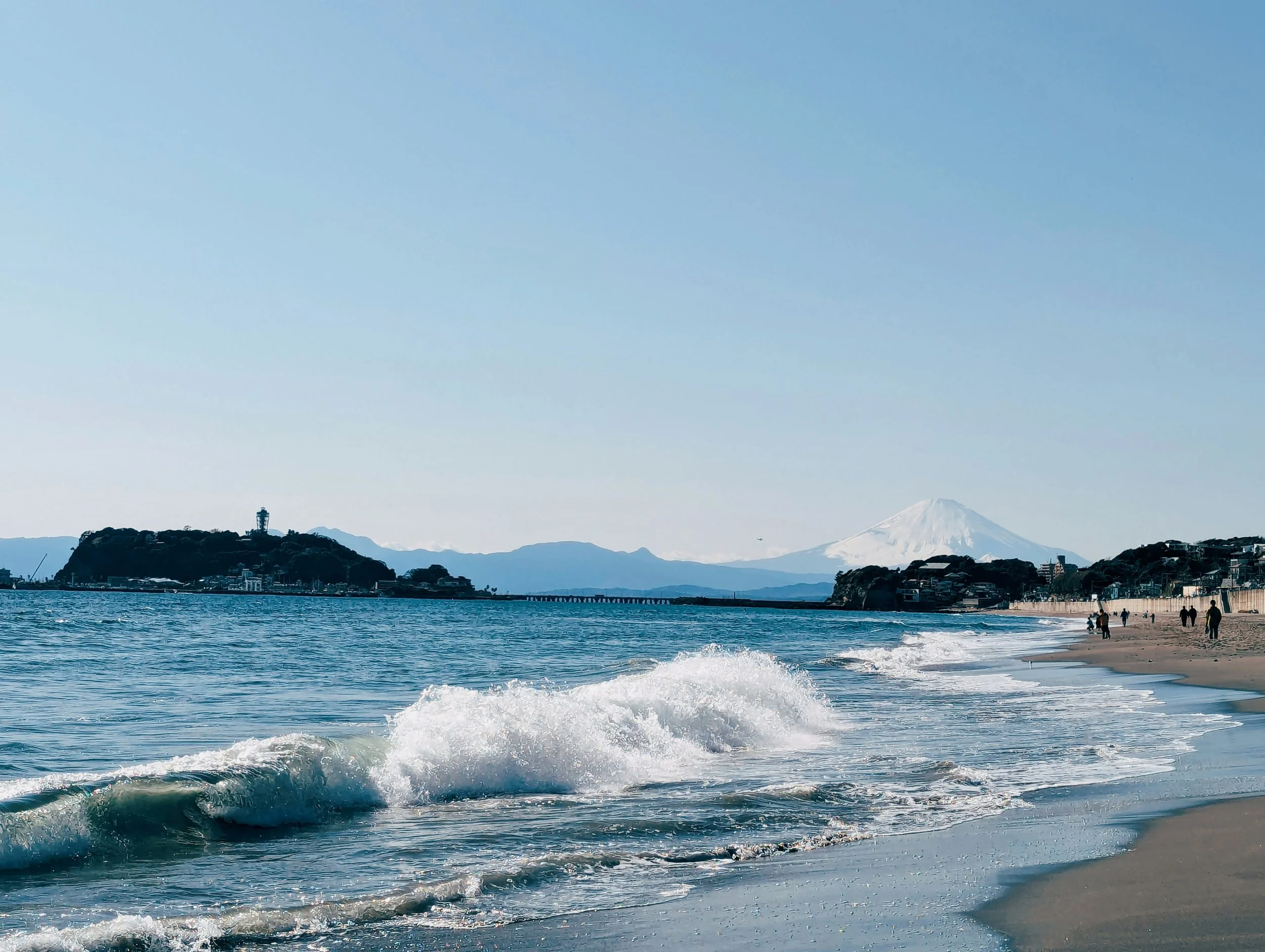
Most people do Kamakura wrong — they see the Great Buddha, walk Komachi-dori shopping street, and leave. The version worth doing is longer and less obvious. Hokoku-ji at 8:30am before the tour groups arrive is one of the quietest, most beautiful moments available within an hour of Tokyo — a bamboo grove that filters the light and a small matcha ceremony that takes fifteen minutes and costs ¥700. Zeniarai Benzaiten is the strangest and most specifically Japanese thing on this list: a cave shrine where you wash your yen in a small underground spring, guided by incense smoke through a tunnel in the rock. The Ten-en hiking trail connects the Zen temple district to the quieter eastern valleys through cedar ridgeline with city and ocean views. And then there's Yuigahama — a proper surf beach with rental boards, beach bars, and a crowd that has nothing to do with ancient Japan. It's a complete day.
Location: Kamakura, Kanagawa — JR Yokosuka Line from Tokyo Station to Kamakura Station (56 minutes, ~¥940); or from Shinjuku via JR Shonan-Shinjuku Line (60 minutes)
Price: Most temples ¥200–¥500 entry; Hokoku-ji ¥300 entry + ¥700 matcha ceremony; surfboard rental from ¥3,000/half day
Vibe: Ancient, forested, coastal — completely its own world
Need to Know: Zeniarai Benzaiten involves crawling through a low tunnel entrance. Hokoku-ji's bamboo grove fills up by 10am — get there early. The Ten-en trail has some steep rocky sections — proper shoes required, trail closes after heavy rain. Yuigahama surf rental shops are clustered near the beach entrance; Kamakura Surf and the surf school at Goryo Jinja are the most established.
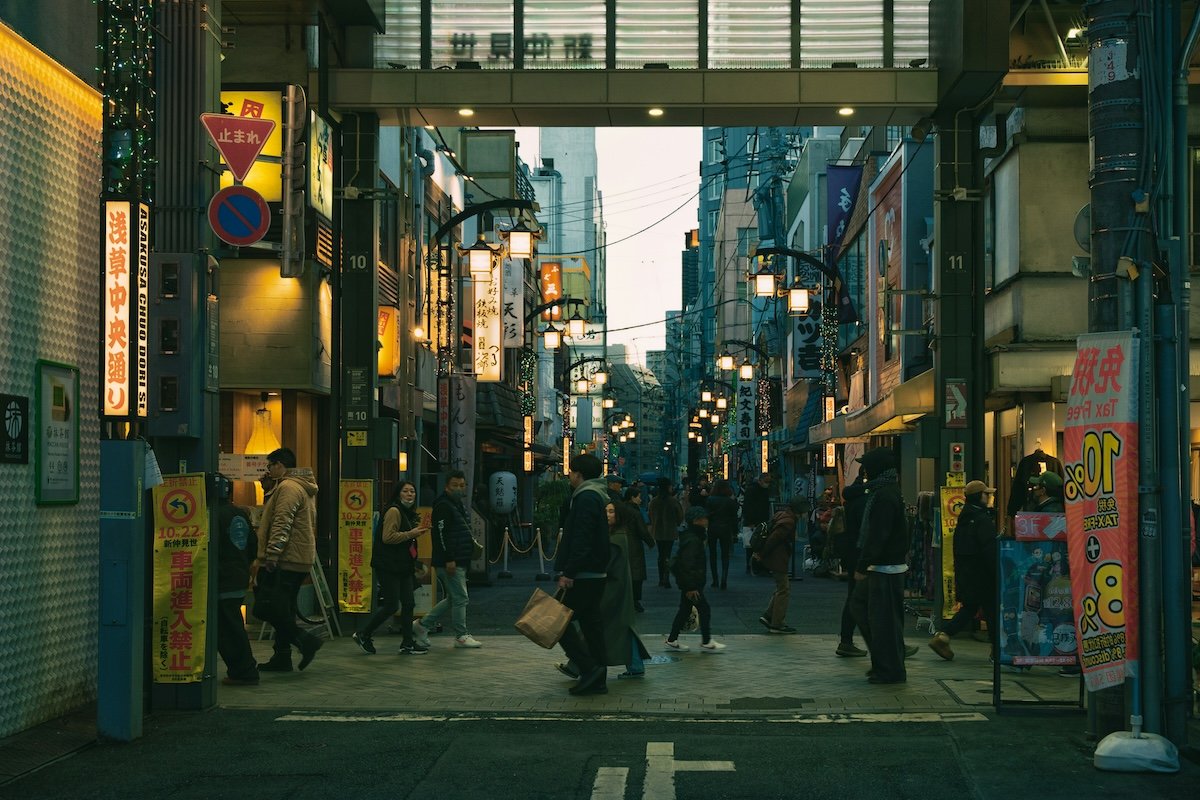
Shimokitazawa Vintage Crawl
What’s Included:
150+ vintage and thrift stores — the highest concentration of secondhand clothing in the world
New York Joe Exchange — the anchor store. Eclectic inventory; visit on the first Sunday of the month, everything is half price
Flamingo Shimokitazawa — American vintage from the mid-20th century
Kakko — archival Japanese fashion arranged by color
Stick Out — every item ¥800, no exceptions
Shimokita Flea Market — weekends and national holidays at Shimokita Senrogai Akichi
Pair It With:
Shimokitazawa has some of the best curry restaurants in Tokyo — it's a legitimate curry district with a festival every October.
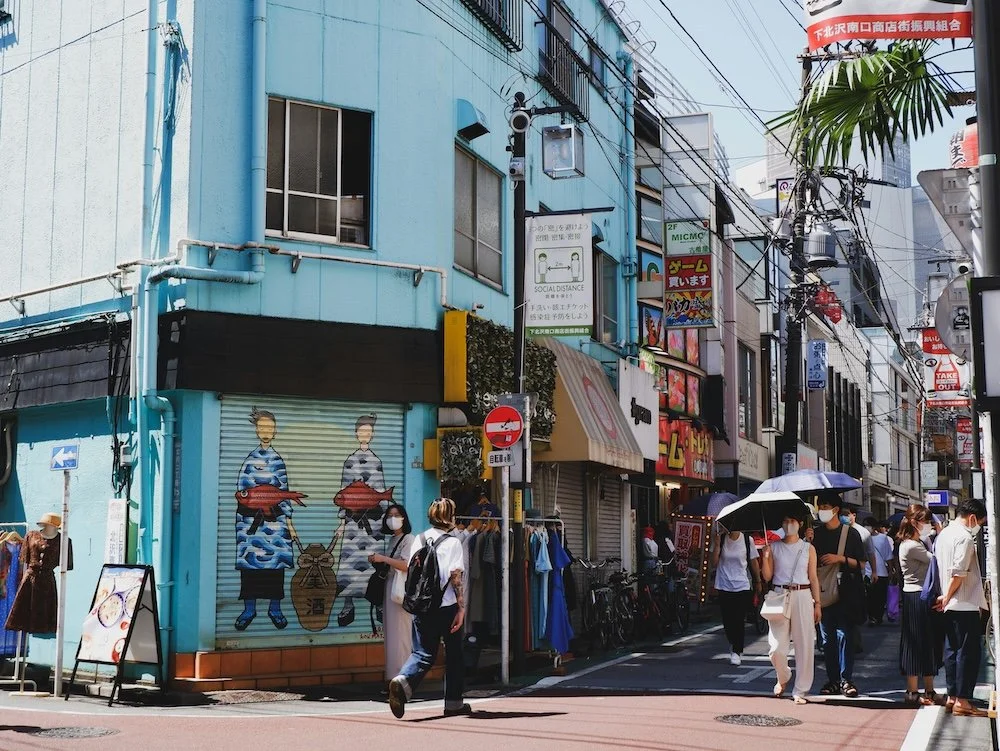
Shimokitazawa is Tokyo's answer to the question of what happens when artists, musicians, and people with taste take over a residential neighborhood and nobody makes them leave. The vintage shopping is world-class by any measure — more stores, better curation, and better prices than comparable neighborhoods in New York, London, or Paris. But the neighborhood itself is the point: live music venues, experimental theaters, independent coffee shops, and the occasional craft market on the old Odakyu railway tracks. The stores worth knowing: New York Joe for sheer variety (winner of Cathay Members' Choice Awards 2024 for Asia's Must-Shop Vintage), Kakko for the editorial Japanese fashion edit, Stick Out for ¥800 everything, and Flamingo for well-sourced American vintage. Come with no fixed agenda and a bag that expands.
Location: Shimo-Kitazawa Station — 3 minutes from Shibuya on the Keio Inokashira Line; 10 minutes from Shinjuku on the Odakyu Line
Price: Free to browse; budget ¥5,000–¥20,000 for a proper session
Vibe: Bohemian, musical, genuinely Tokyo underground
Need to Know: Weekday afternoons are the best time to shop without fighting for rack space. The neighborhood is entirely walkable — no map needed, just follow whatever looks interesting.
Dover Street Market Ginza
What’s Included:
Seven floors of Rei Kawakubo's retail vision — Comme des Garçons, Gucci, Supreme, Sacai, Junya Watanabe, and emerging designers alongside each other
A rooftop Shinto shrine — not decorative, an actual working shrine that Kawakubo had built on the top of the building
Pair It With:
Ginza is the neighborhood — walk to Itoya for the best stationery in Japan (12 floors, Ginza flagship, verified Tokyo institution), then to Maison Hermès for the gallery on the upper floors that shows contemporary art year-round, then back here for dinner at Rose Bakery. A complete Ginza afternoon.
Dover Street Market is the store Rei Kawakubo built to contain everything she finds interesting. The Ginza location is the largest and most elaborate — seven floors that get redesigned every season, organized not by brand but by whatever logic makes sense to Kawakubo at that moment. The layout deliberately disorients. The merchandise is curated to the point of being a collection rather than a shop. Even if you're not buying anything, the space functions as one of Tokyo's better free cultural experiences. Come at opening or on a weekday — the narrow floors get genuinely crowded at peak times.
Location: 6-9-5 Ginza, Chuo City, Tokyo — 5-minute walk from Ginza Station exits A2 or A3
Price: Free to enter; prices range from ¥3,000 for small accessories to ¥300,000+ for flagship pieces
Vibe: Architectural, editorial, completely its own thing
Need to Know: The seasonal floor reset happens four times a year — check DSM's Instagram before visiting to see the current installation. Rose Bakery on the ground floor gets busy at lunch; arrive before noon or after 2pm.
teamLab Borderless
What’s Included:
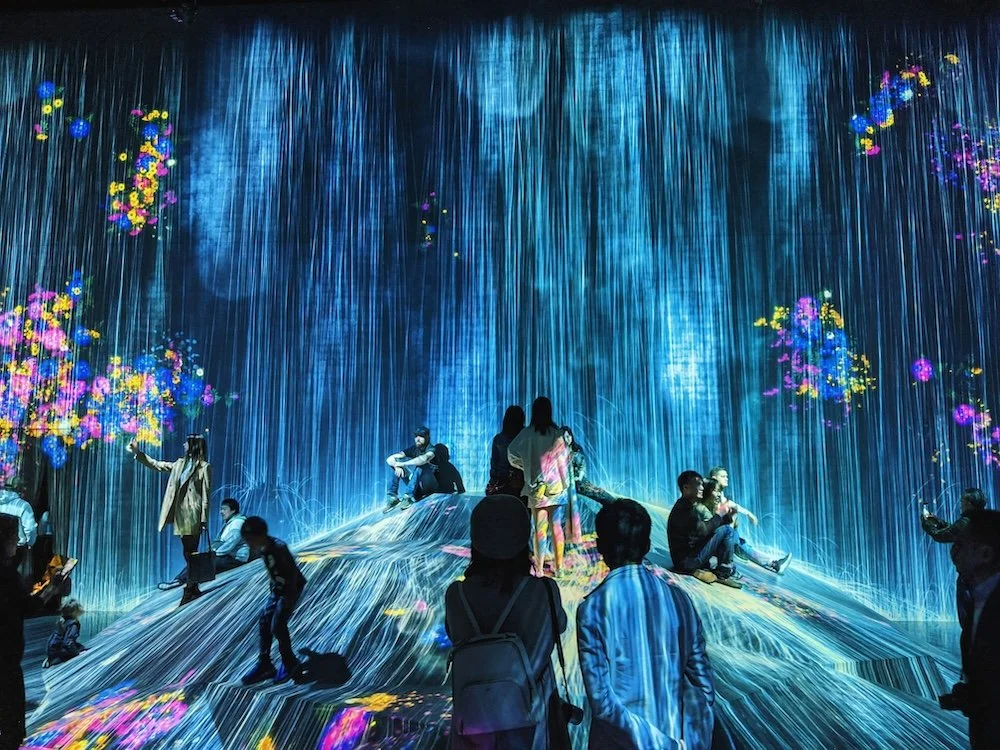
70+ interconnected digital art works spanning multiple rooms, floors, and environments — designed by art collective teamLab as "one continuous world without borders"
No fixed exhibition path — the works shift, respond to each other, and change depending on how many people are in the space
En Tea House — a café within the installation where your tea cup blooms with digital flowers as you drink
Pair It With:
Azabudai Hills itself is worth exploring before or after — Aman Tokyo is in the same complex, Janu is nearby, and the Gardens at the base of the Mori JP Tower have good coffee kiosks. Build two hours minimum for teamLab.
teamLab Borderless originally opened in Odaiba in 2018, drew 2.3 million visitors in its first year, and had a waitlist for months. This is not a museum in the conventional sense. It's a building where digital art moves between rooms through doorways without walls, where the same work looks completely different depending on what's happening in the space around it, and where there is genuinely no correct route through it. The honest note: it is crowded, it is photographed constantly, and the most famous works can feel like standing in a very beautiful waiting room on weekends. Go on a weekday morning when it opens for the version that actually works. Worth it at that version. Absolutely worth it.
Location: teamLab Borderless, Azabudai Hills Garage, B2F, 1-2-4 Azabudai, Minato City, Tokyo — Roppongi-Itchome Station (Namboku Line) 4-minute walk; Kamiyacho Station (Hibiya Line) 5-minute walk
Price: ¥3,200 adults (~$22); children under 3 free — advance booking essential, no walk-ins
Vibe: Immersive, genuinely impressive, photograph-heavy
Need to Know: Advance booking is non-negotiable — walk-ins are not available and the most popular time slots sell out weeks ahead. Weekday morning (10am opening) slots are the ones worth booking.
Need help with the details? Book a consultation or upgrade for full itinerary design, seamless bookings, and support every step of the way.