JAPAN
Where We Eat
Eating in Japan is less about spectacle and more about precision, seasonality, and respect for craft. This list favors places that do one thing exceptionally well — whether that’s a decades-old counter, a quietly ambitious kitchen, or a modern room reinterpreting tradition with discipline. Expect restraint, depth, and meals that feel intentional rather than performative.
Sweet Tooth
Night Out
Our Go To’s
Easy. Casual. Reliable. Delicious.
Tokyo & Central Honshu
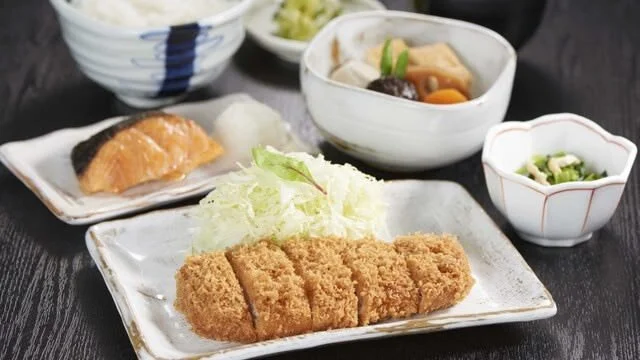
Maisen Aoyama
Address: 4-8-5 Jingumae, Shibuya City, Tokyo
Vibe: Classic, welcoming, quietly old-school
Price: $$
Must order: Hire (pork fillet) tonkatsu set; seasonal specials when available; house-made sauces
Maisen is a Tokyo institution for a reason. The tonkatsu is impeccably fried — crisp and light on the outside, improbably tender inside — and served in a setting that feels relaxed rather than reverential. It’s the kind of place you return to without overthinking: comforting, dependable, and deeply satisfying. When you want Japanese comfort food done exactly right, this is the move.
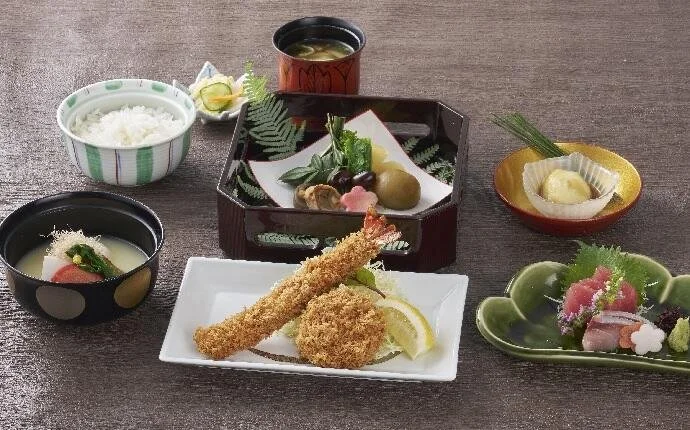
Image courtesy of Maisen Aoyama
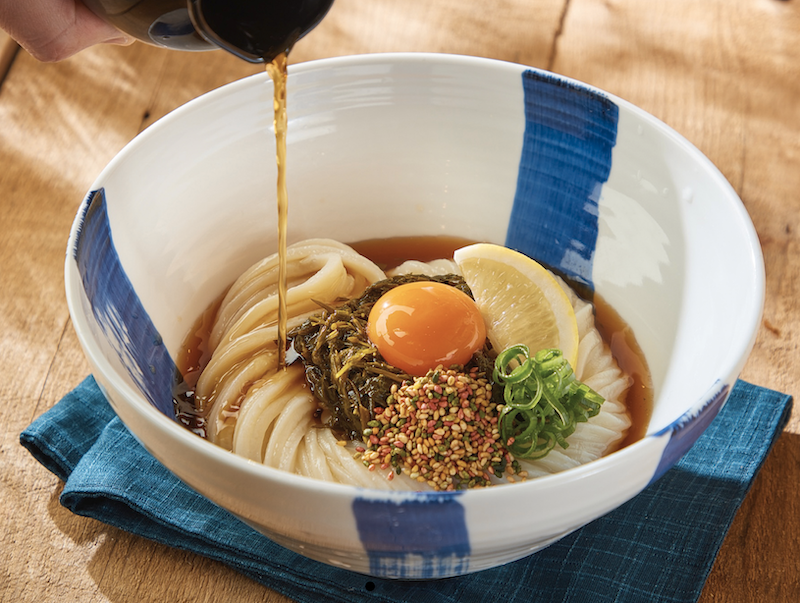
Udon Shin
Udon Shin is the kind of place Tokyo locals line up for without complaint. The focus is narrow and uncompromising: freshly made udon with remarkable texture, served with clean, deeply considered broths. There’s no spectacle here, just craft and consistency. It’s ideal for a low-key lunch or early dinner when you want something comforting, precise, and genuinely excellent — the definition of a Tokyo go-to.
Address: 2-20-16 Yoyogi, Shibuya City, Tokyo
Vibe: Casual, focused, quietly obsessive
Price: $
Must order: Cold udon with dipping sauce; seasonal tempura; any handmade udon served simply
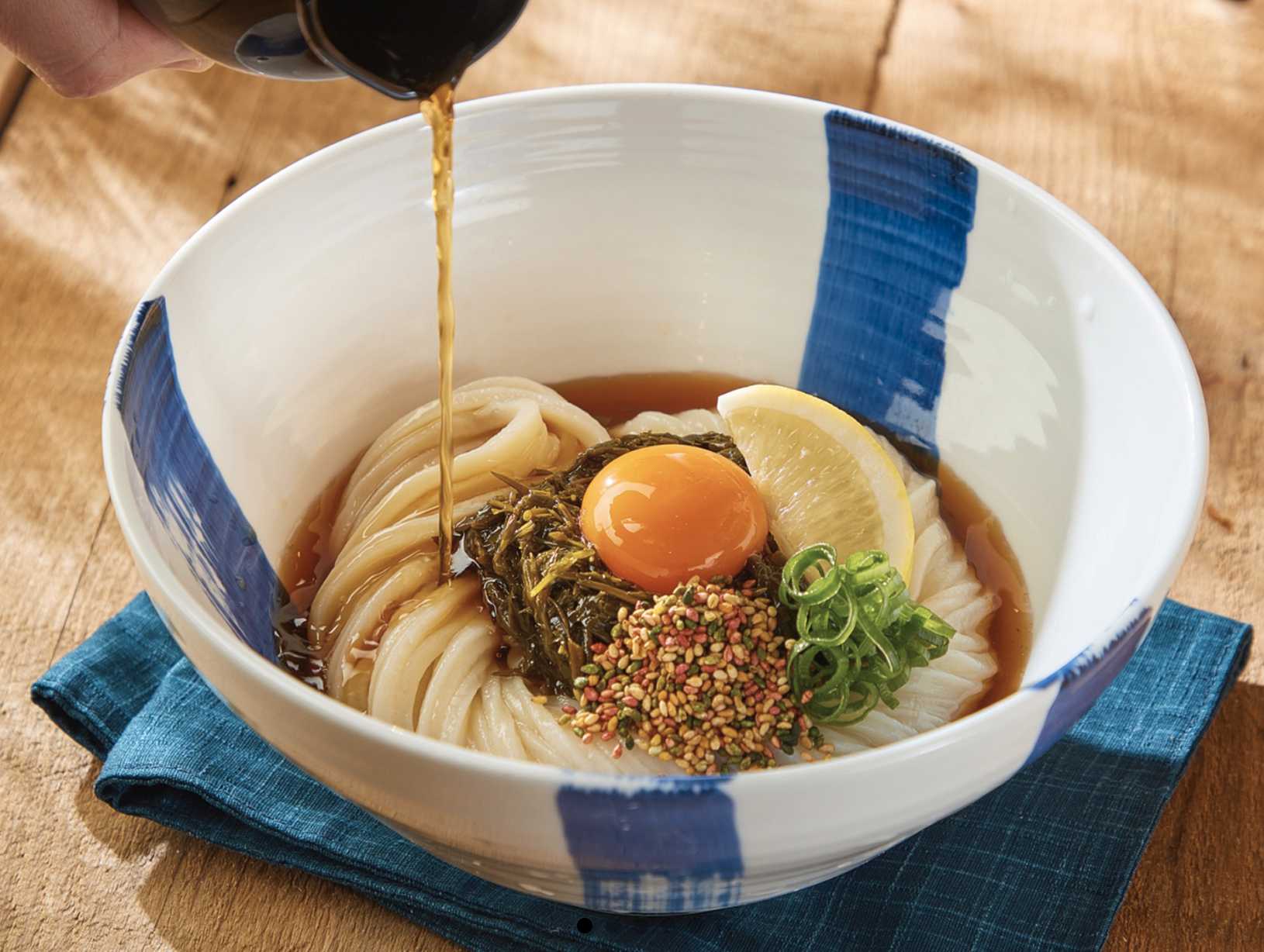
Image courtesy of Udon Shin
Afuri
Address: 1-19-7 Jingumae, Shibuya City, Tokyo (Harajuku flagship; multiple locations citywide)
Vibe: Clean, modern, unfussy
Price: $
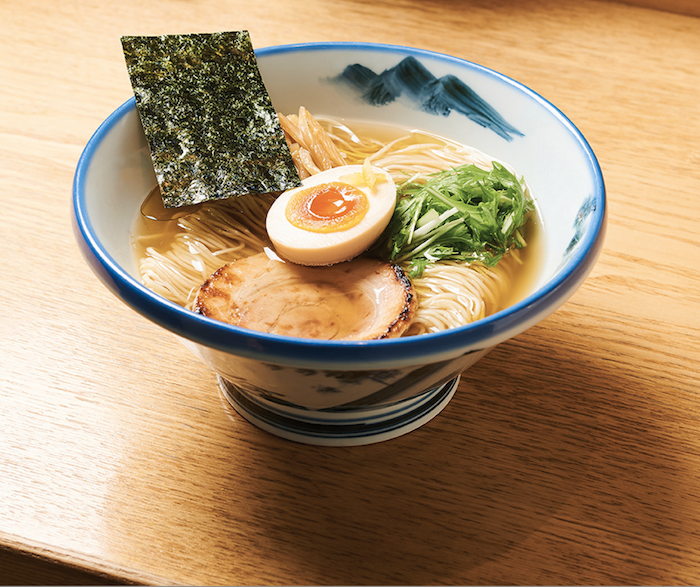
Must order: Yuzu Shio Ramen; light-bodied broth with extra yuzu; add-ons kept minimal
Afuri is the rare ramen chain that stays disciplined. The signature yuzu shio broth is clear, aromatic, and refreshing rather than heavy, making it an easy repeat — especially when you want something quick that still feels intentional. It’s reliable across locations, well-run, and consistently satisfying, which is exactly why it earns go-to status in a city full of options.
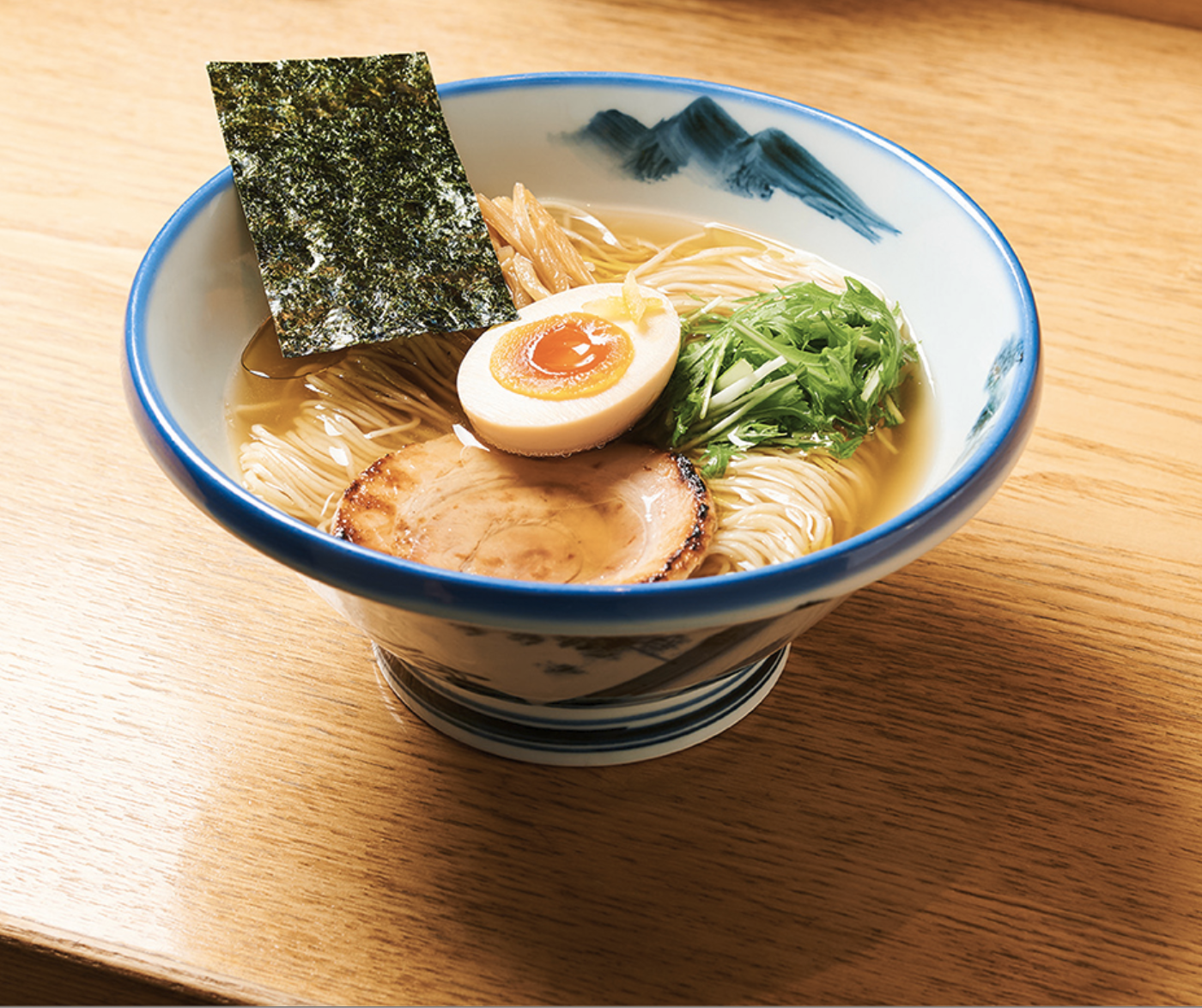
Image courtesy of Afuri
MoriMori Sushi
Address: Omicho Market, 50 Kamiomicho, Kanazawa, Ishikawa
Vibe: Bustling, no-frills, market-driven
Price: $
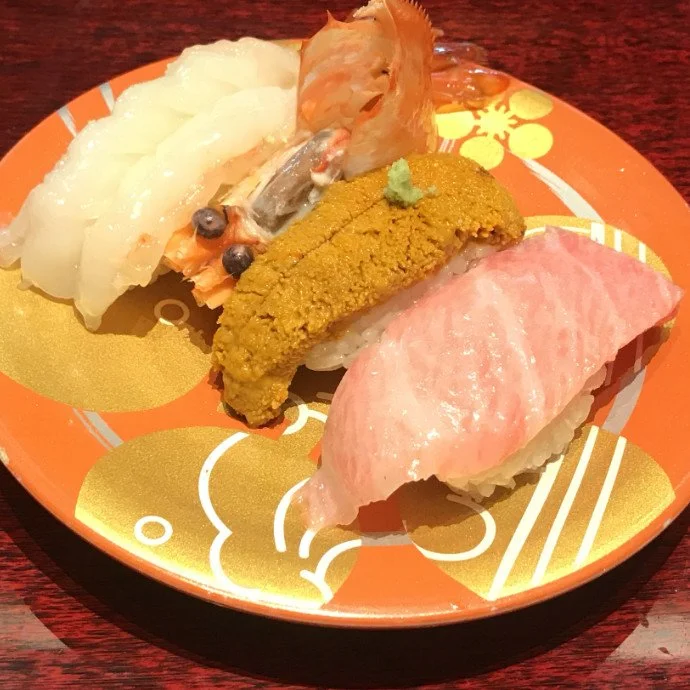
Must order: Anything seasonal from the Sea of Japan; nodoguro (when available); daily specials off the board
MoriMori Sushi is proof that great sushi doesn’t need ceremony. Located inside Kanazawa’s Omicho Market, the fish is ultra-fresh, the turnover is fast, and the quality wildly exceeds expectations for a conveyor-belt setup. It’s casual, energetic, and deeply satisfying — the kind of place you pop into without planning and leave wondering why you ever overthought sushi in the first place.
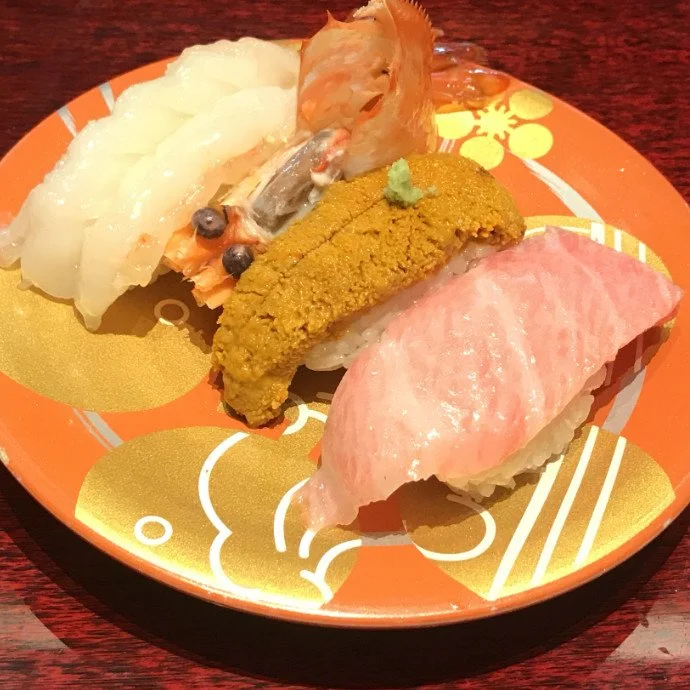
Image courtesy of Forus
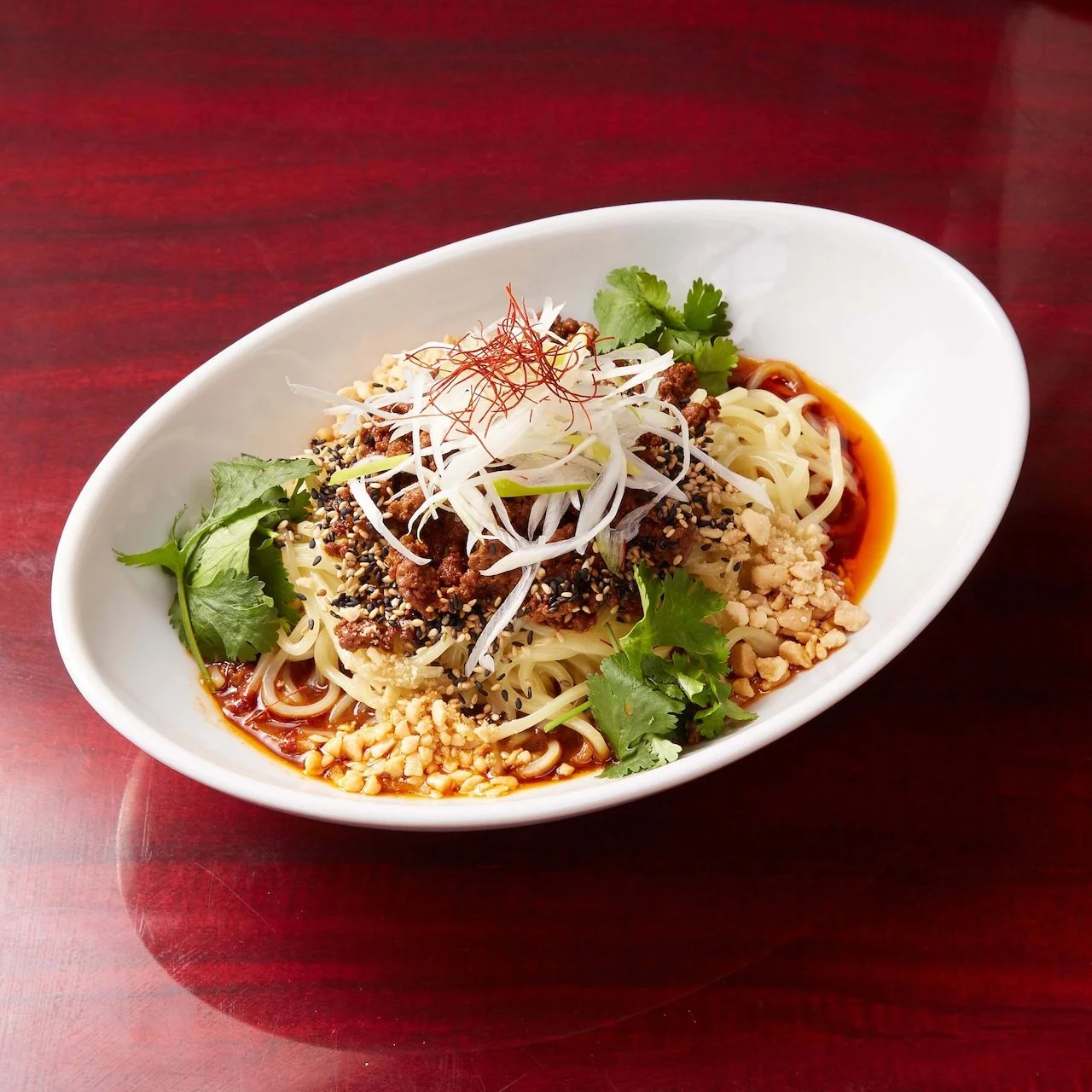
Gyukatsu Motomura
Address: Multiple locations; Shibuya and Shinjuku are the most convenient
Vibe: Casual, energetic, very Tokyo
Price: $$
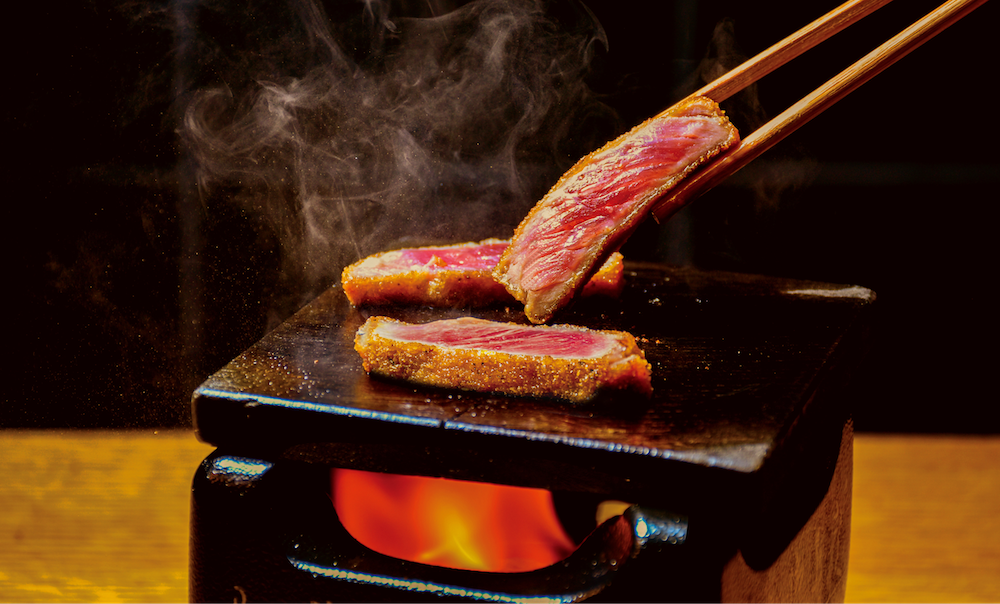
Must order: Classic gyukatsu set; cook the beef lightly on the tabletop stone
Gyukatsu Motomura does one thing extremely well. The beef is tender, lightly breaded, and meant to be finished to your liking at the table, making the meal feel interactive without being gimmicky. It’s fast, satisfying, and ideal when you want something hearty that still feels distinctly Japanese.
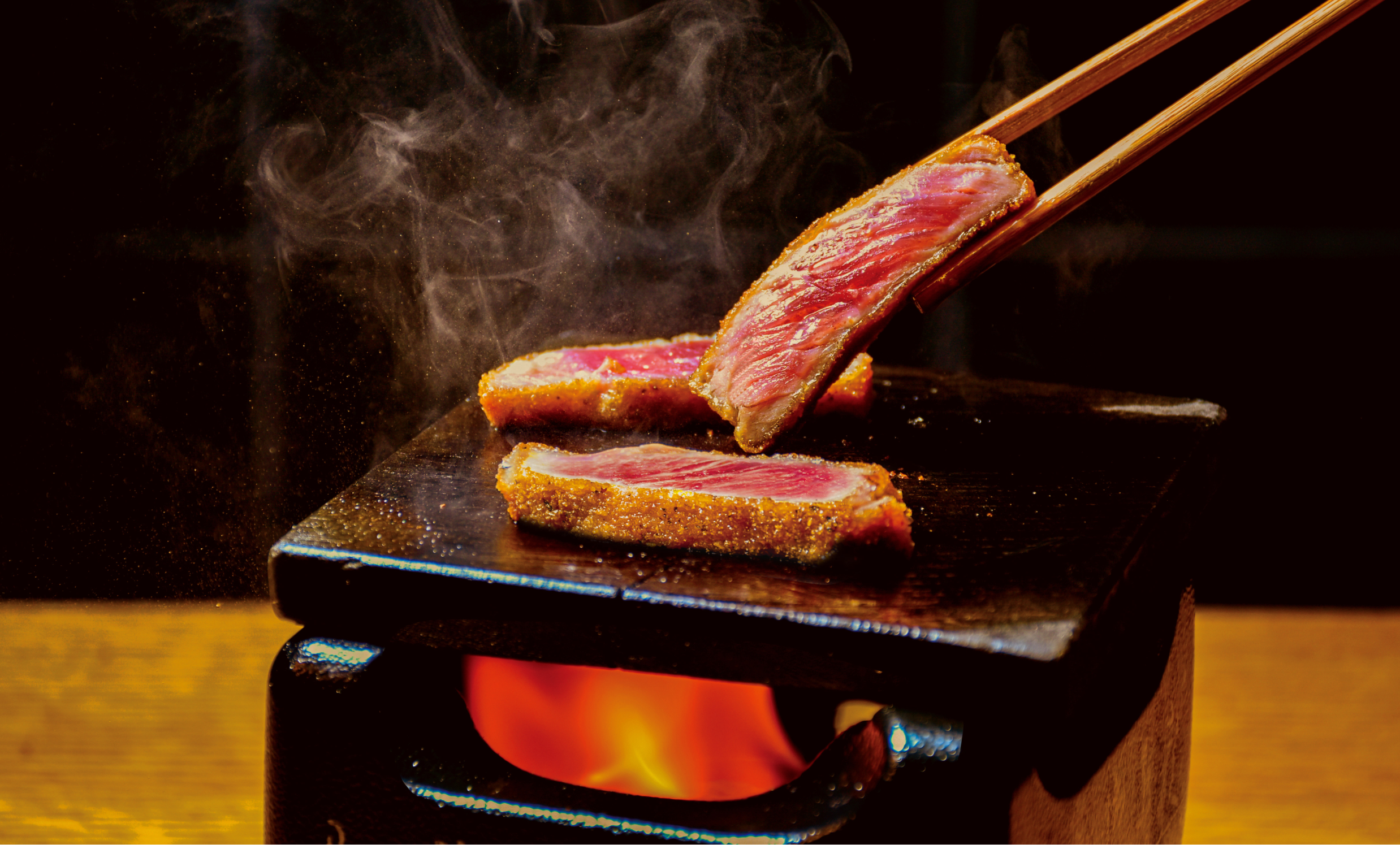
Image courtesy of Gyukatsu Motomura
Ippudo
Address: Multiple locations across Tokyo and central Honshu
Vibe: Polished, reliable, modern classic
Price: $
Must order: Shiromaru Classic; gyoza on the side
Ippudo is a global name for a reason. The tonkotsu broth is rich but balanced, the noodles are consistently good, and the experience is smooth across locations. It’s a dependable fallback when you want ramen without a wait or guesswork — comforting, familiar, and well executed.
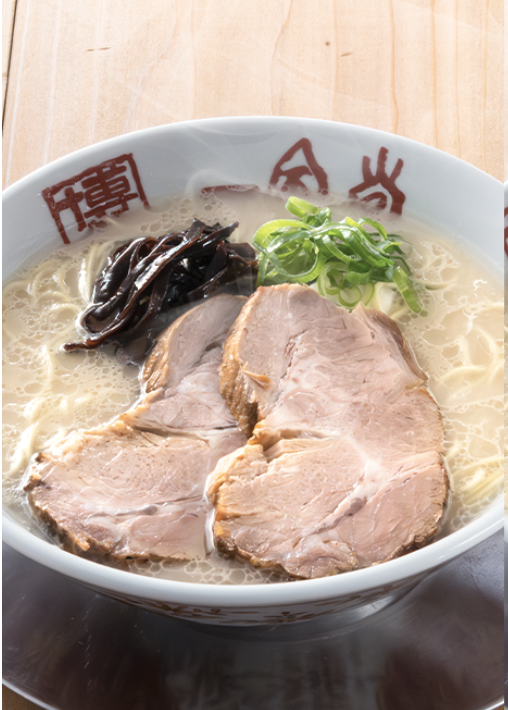
Image courtesy of Ippudo
Ginza Kagari
Address: 4-4-1 Ginza, Chuo City, Tokyo (main location; additional outposts exist)
Vibe: Compact, refined, quietly popular
Price: $
Must order: Chicken paitan ramen; seasonal toppings when available
Ginza Kagari takes ramen in a slightly more polished direction without losing its soul. The chicken-based broth is rich yet clean, the noodles are perfectly judged, and the overall experience feels calm and focused rather than chaotic. It’s an easy go-to in central Tokyo when you want something comforting that still feels considered.
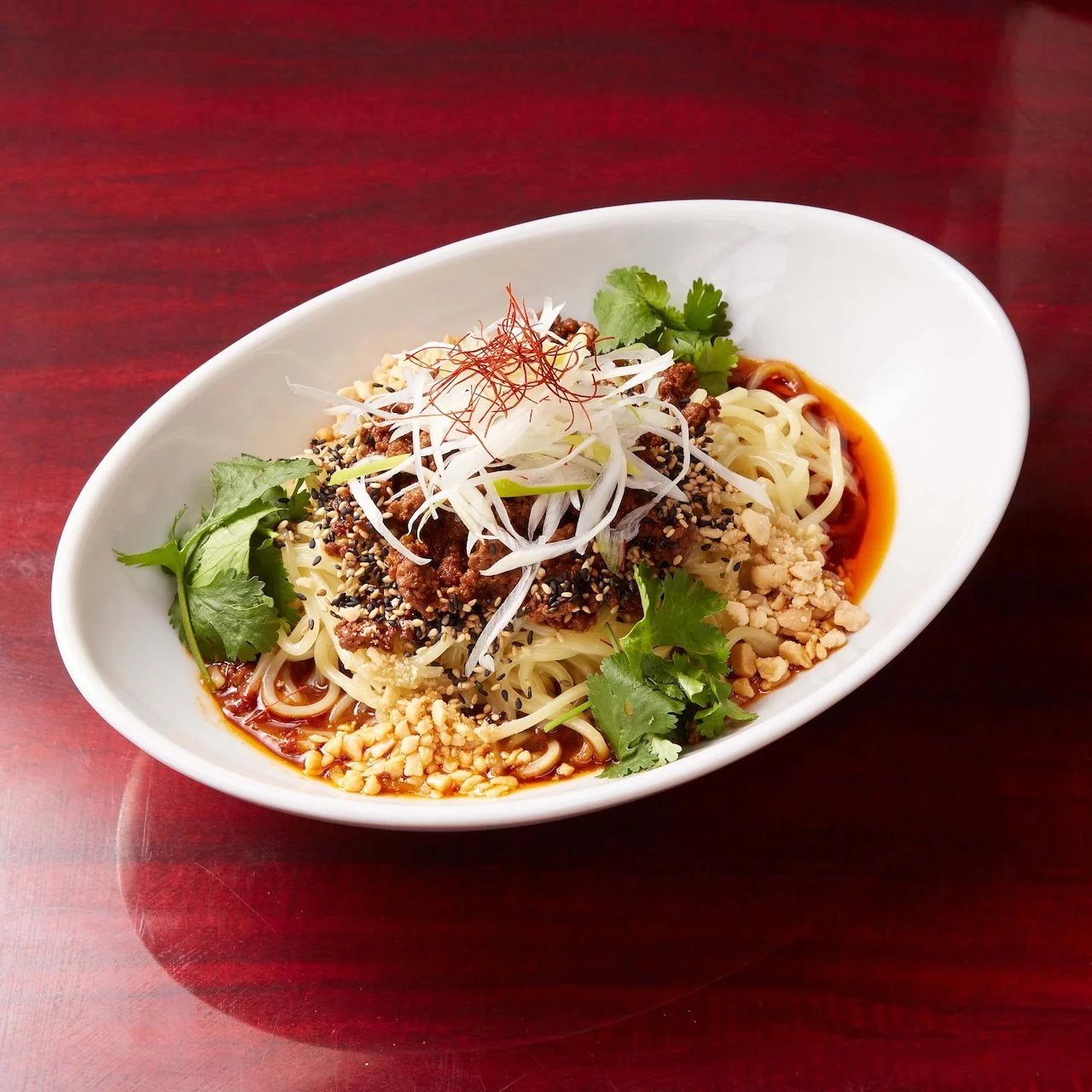
Image courtesy of Ginza Kagari
Tonkatsu Narikura
Address: 1-36-3 Minami-Otsuka, Toshima City, Tokyo
Vibe: Focused, understated, food-first
Price: $$
Must order: Hire tonkatsu; rotating pork cuts
Often cited among the best tonkatsu spots in Japan, Narikura lives up to the reputation without feeling precious. The pork is exceptionally tender, the frying precise, and the setting refreshingly simple. It’s a destination for tonkatsu fans, but still casual enough to feel like a real go-to rather than a production.
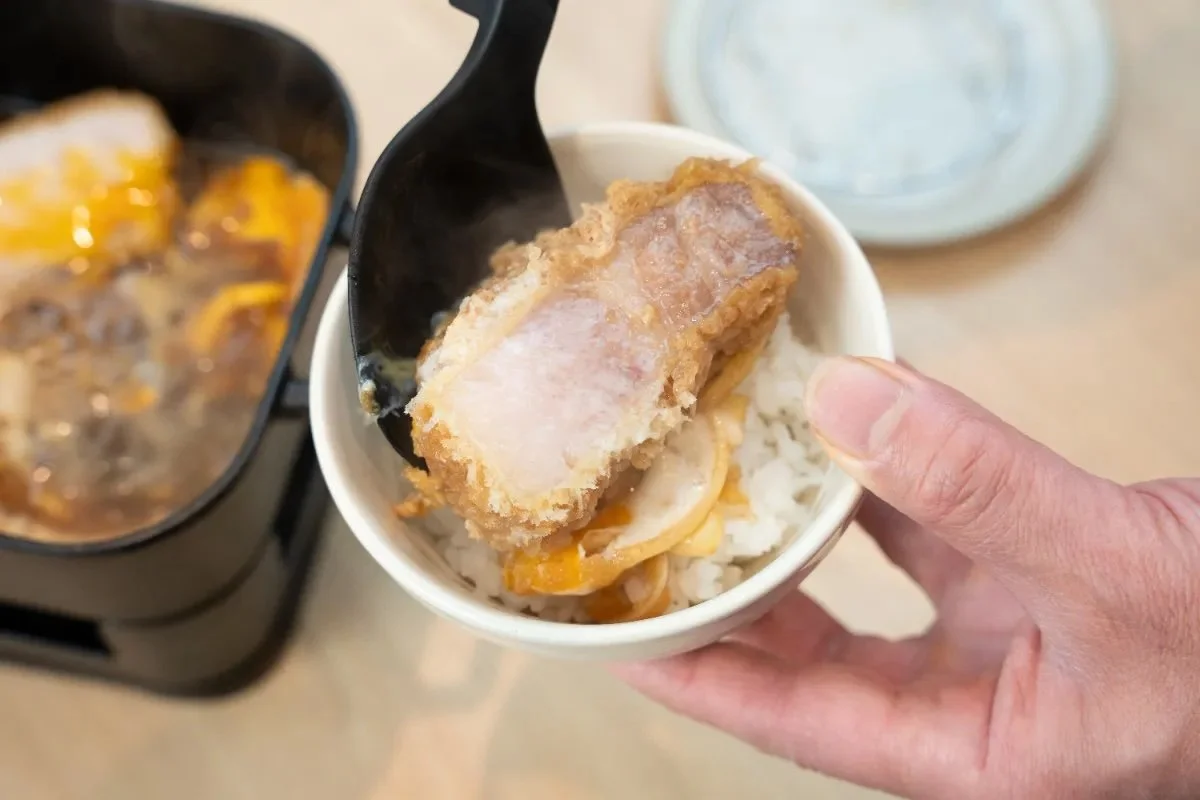
Image courtesy of Tonkatsu Narikura
Kyoto, Kansai & The Inland Sea
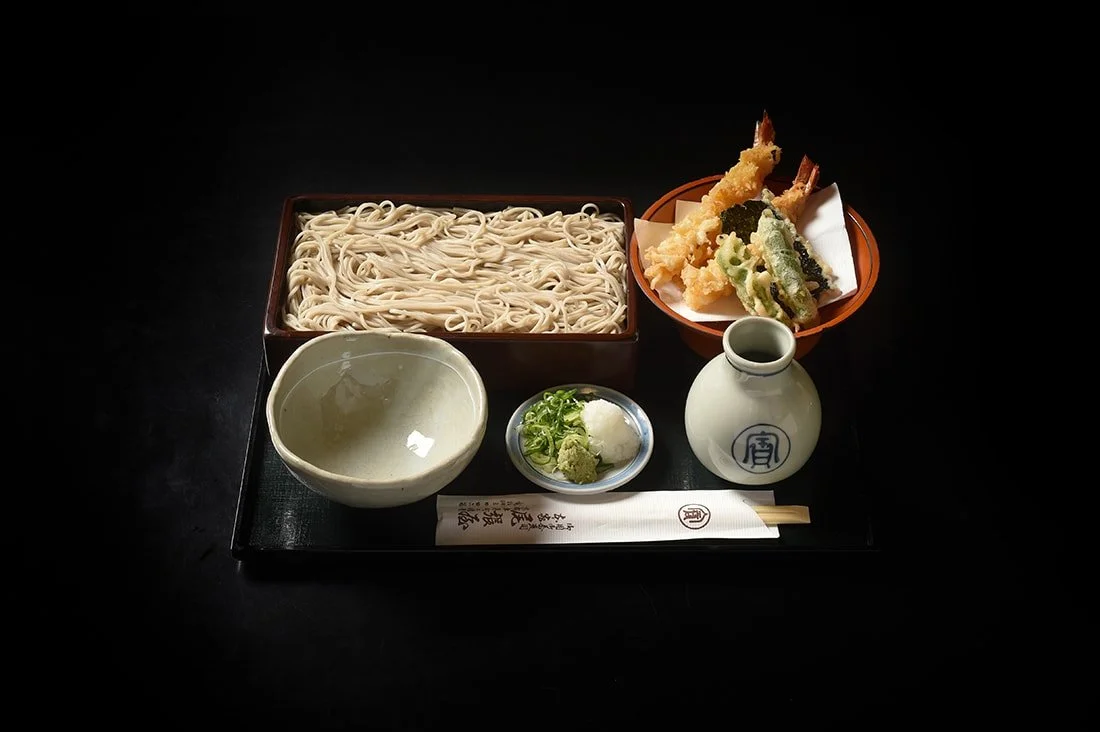
Omen
Address: 74 Okazakiminamigoshocho, Sakyo Ward, Kyoto
Vibe: Calm, traditional, quietly local
Price: $
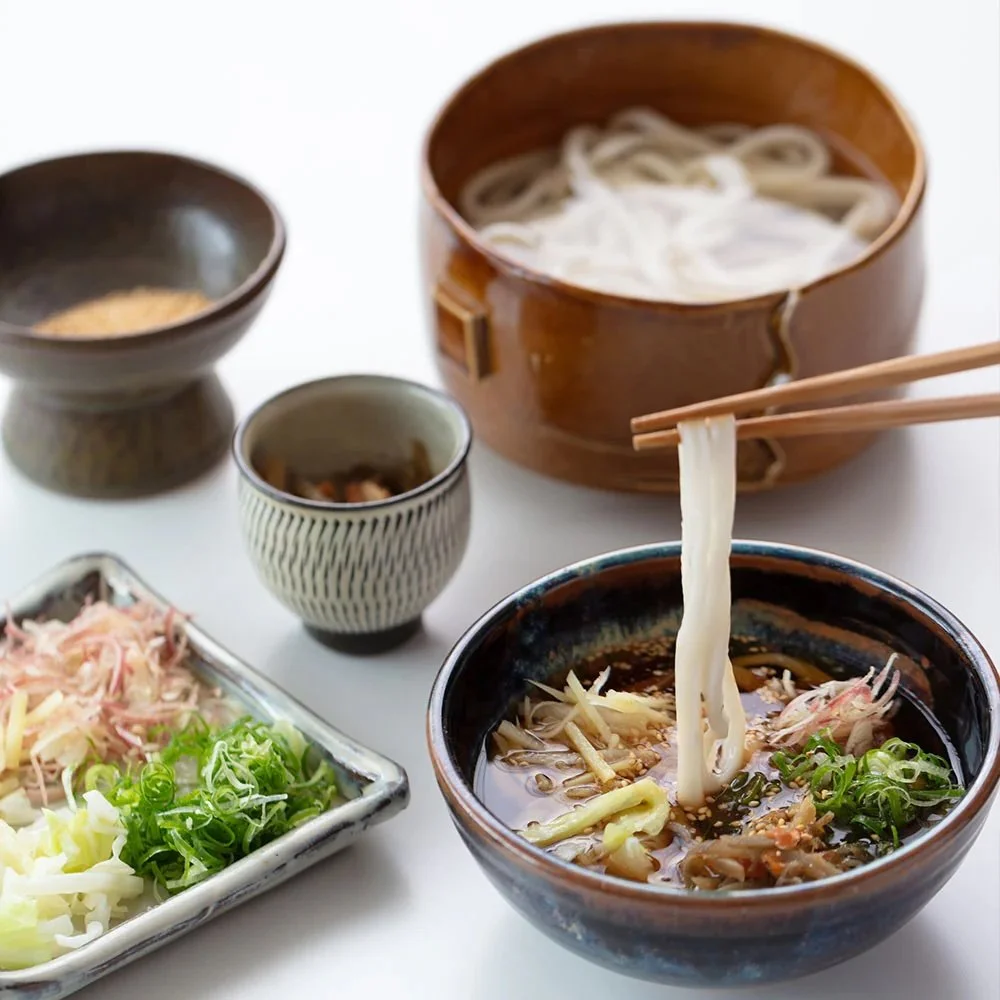
Must order: Cold udon with seasonal vegetables; sesame dipping sauce
Omen is Kyoto casual done right. The udon is perfectly chewy, the vegetables are pristine, and everything feels thoughtful without tipping into formality. It’s restorative, light, and ideal after a day of temples — exactly the kind of place that becomes a reliable habit.
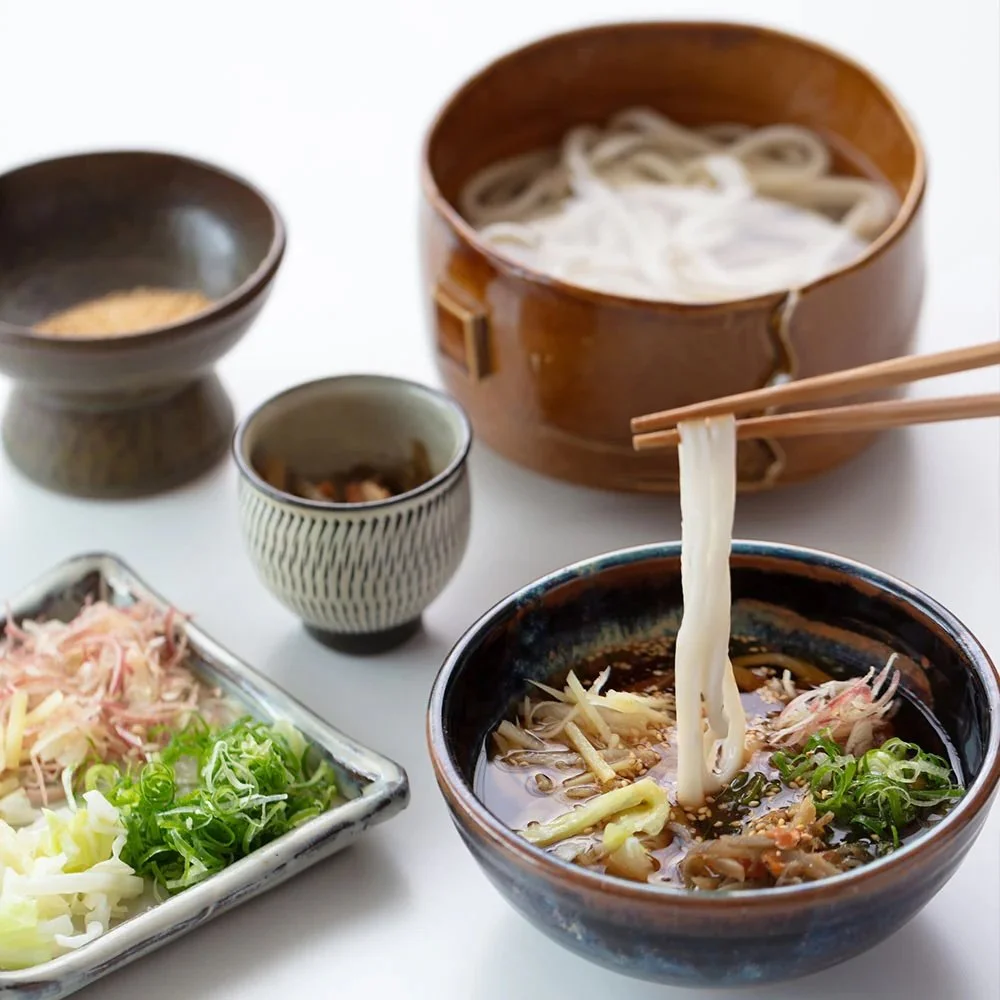
Image courtesy of Omen
Gion Uokeya U
Address: 570-122 Gionmachi Minamigawa, Higashiyama Ward, Kyoto
Vibe: Traditional, unfussy, neighborhood favorite
Price: $$
Must order: Seasonal set meals; grilled fish is a must
A low-key alternative to Kyoto’s more formal kaiseki rooms, Uokeya U offers seasonal cooking with warmth and ease. The food is precise but comforting, and the atmosphere feels genuinely local rather than staged.
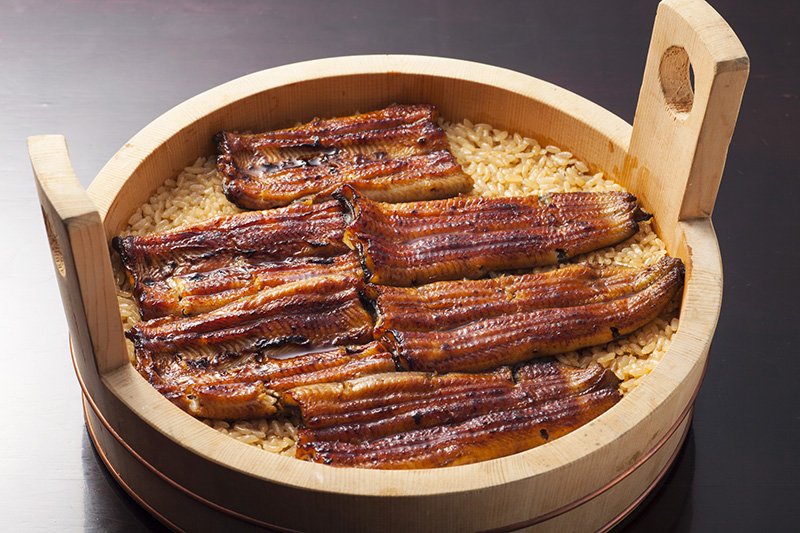
Image courtesy of Gion Uokeya U
Honke Owariya
Address: 322 Kamiosaka-cho, Nakagyo Ward, Kyoto
Vibe: Historic, understated, old-school
Price: $
Must order: Tempura soba; herring soba
One of Kyoto’s oldest restaurants, Owariya remains quietly excellent. The soba is delicate, the broths are restrained, and the experience feels timeless rather than touristic. A dependable classic for lunch or an early dinner. They don’t take reservations, so be prepared to wait.
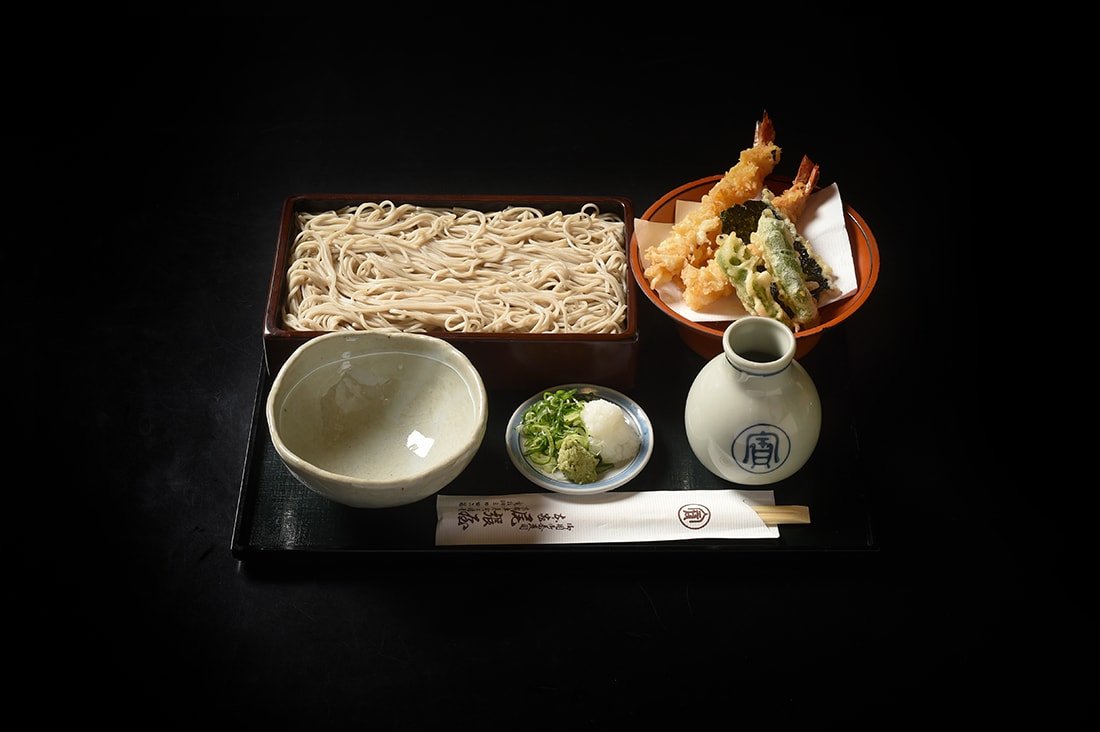
Image courtesy of Honke Owariya
Shinpuku Saikan
Address: 569 Higashidaimonjicho, Shimogyo Ward, Kyoto
Vibe: No-frills, local, late-night friendly
Price: $
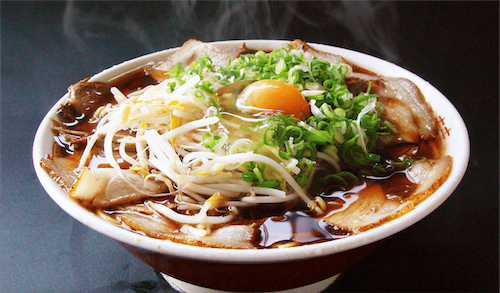
Must order: Classic soy-based ramen; fried rice on the side
A Kyoto institution that’s open when many others aren’t. The broth is dark, savory, and deeply comforting — especially good after a long day or late night. It prioritizes authenticity over complexity. It’s casual, fast, and completely unpretentious.
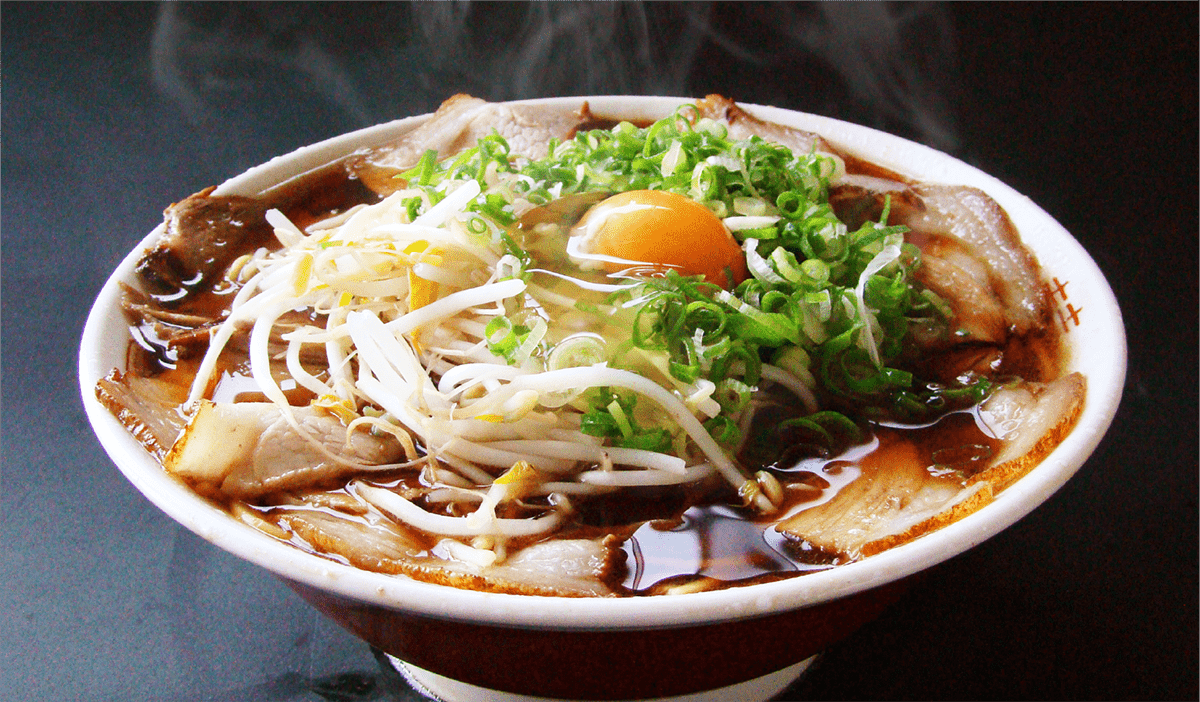
Image courtesy of Shinpuku Saikan
Mizuno
Address: 1-4-15 Dotonbori, Chuo Ward, Osaka
Vibe: Bustling, classic Osaka energy
Price: $
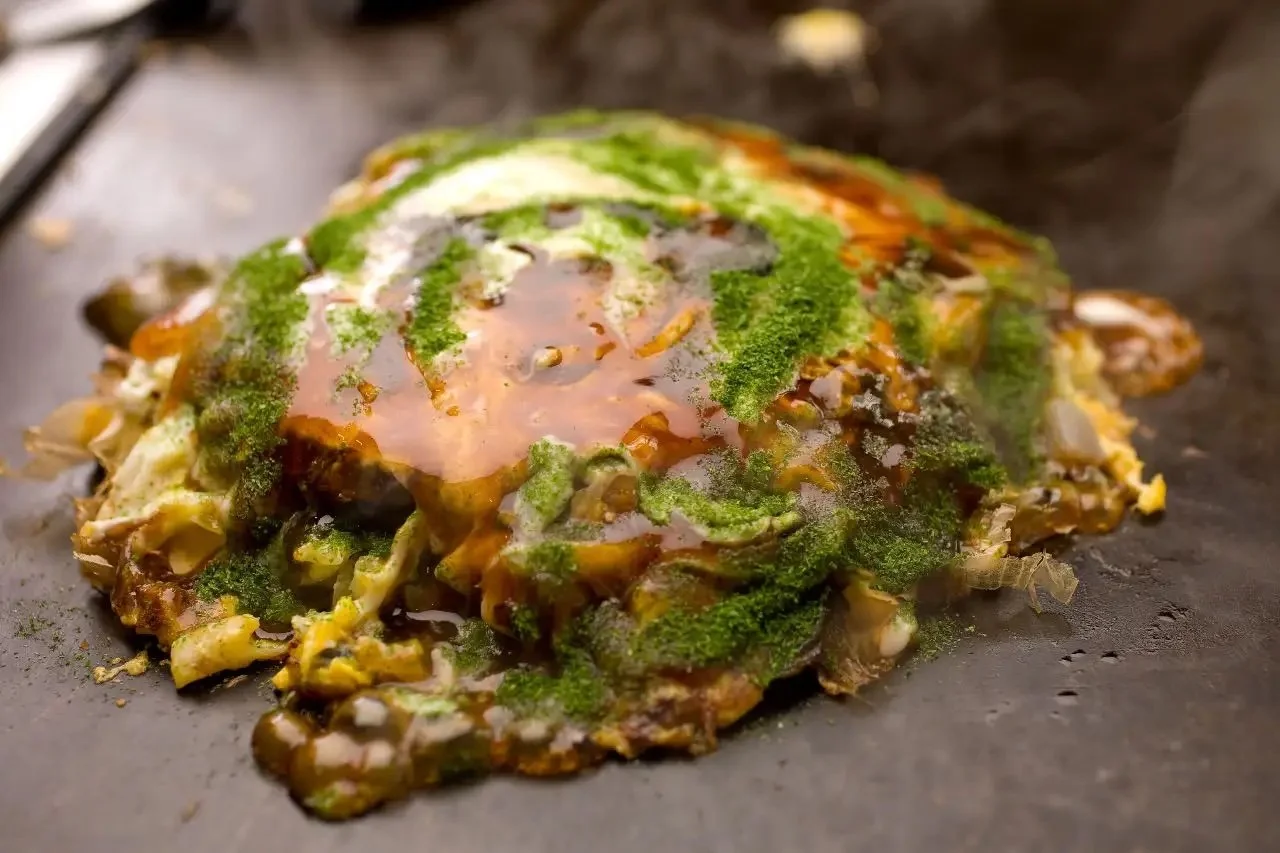
Must order: Yamaimo-heavy okonomiyaki; pork and seafood combos
Mizuno is Osaka comfort food at its most iconic. Fluffy, savory okonomiyaki cooked with confidence in a lively setting. It’s busy for a reason — casual, satisfying, cheap, and very Osaka.
Image courtesy of Mizuno
Kushikatsu Daruma
Address: Multiple locations; Shinsekai is the original
Vibe: Loud, fun, unapologetically local
Price: $
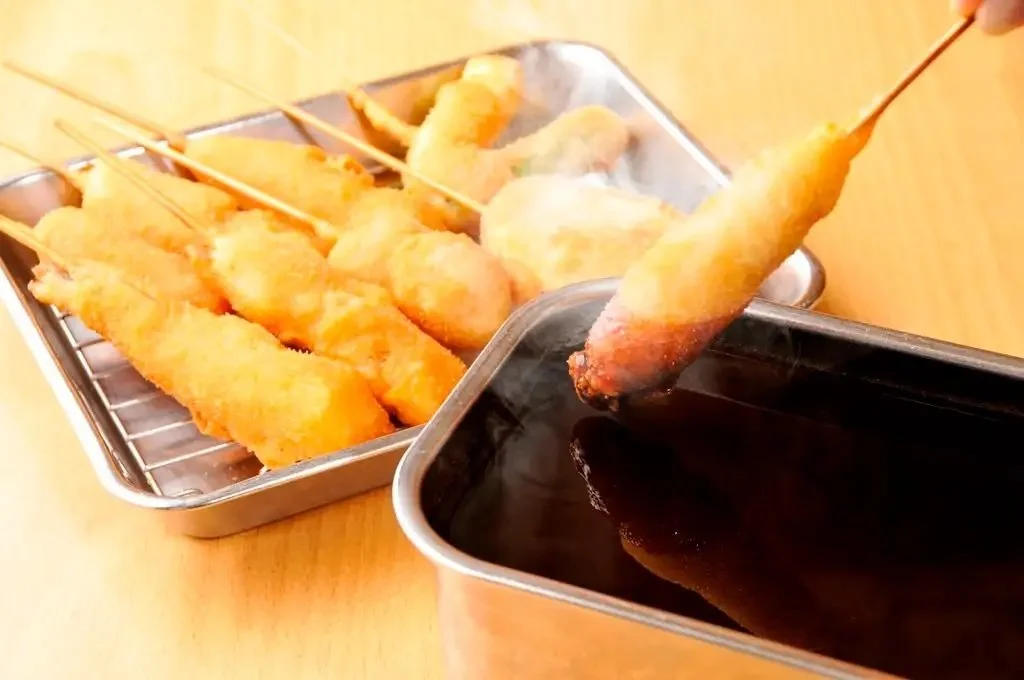
Must order: Mixed kushikatsu set; remember no double-dipping
This is Osaka street food culture distilled. Fried skewers, cold beer, and zero ceremony. It’s chaotic in the best way and exactly what you want when leaning into the city’s personality. This chain has locations all over the city - you can’t go wrong with this choice.
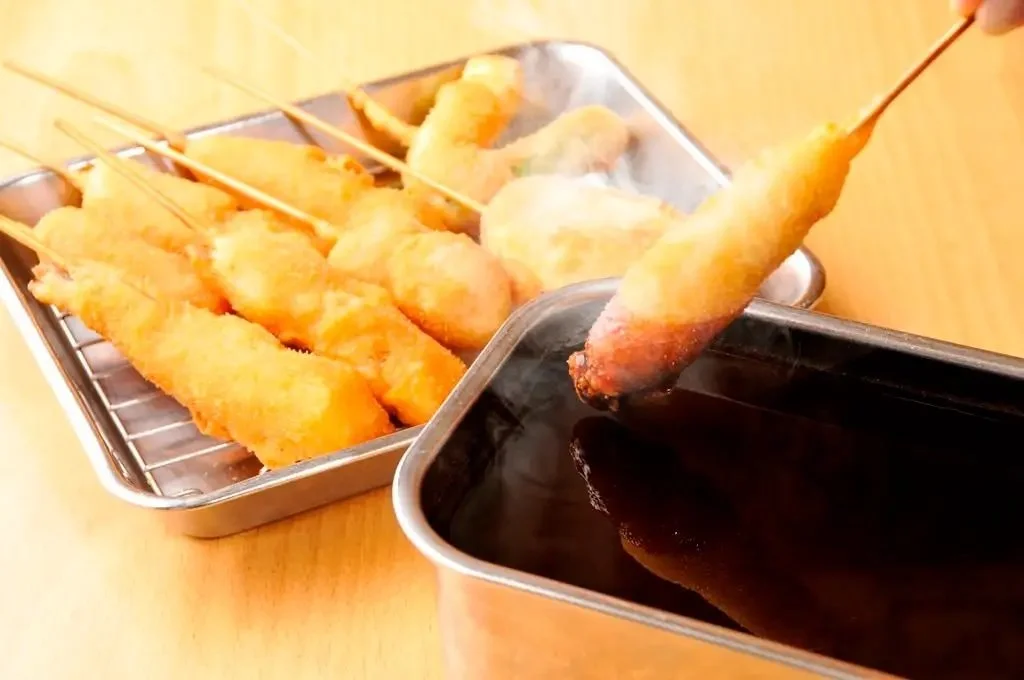
Image courtesy of Kushikatsu Daruma
Northern & Southern Islands
Soup Curry Garaku
Address: 2-6 Minami 2 Jonishi, Chuo Ward, Sapporo
Vibe: Casual, cozy, Hokkaido staple
Price: $
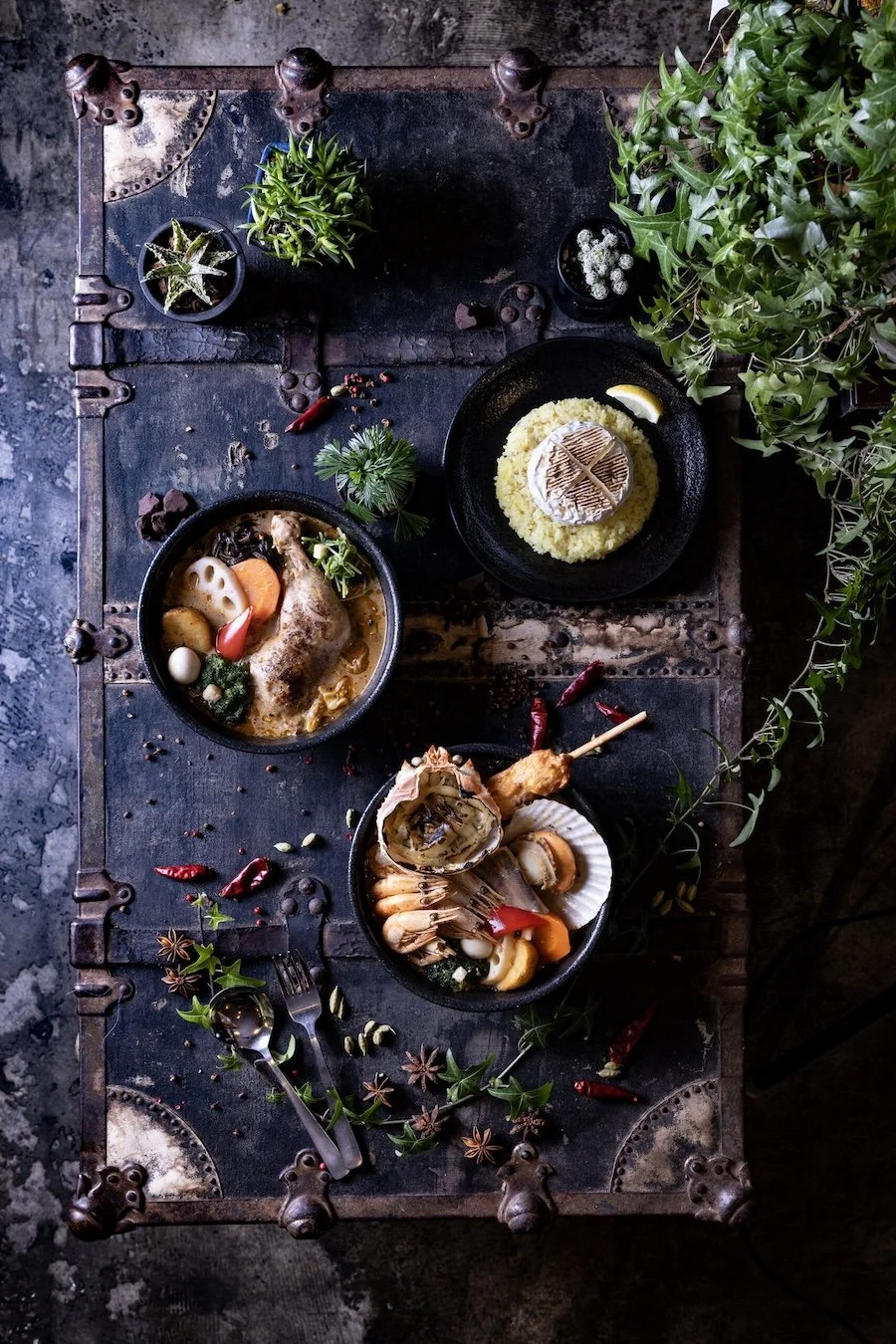
Must order: Chicken leg soup curry; spice level adjusted to taste
Soup curry is a Sapporo essential, and Garaku is one of the most reliable places to understand why. The broth is deeply spiced but never muddy, layered with vegetables that feel deliberately chosen rather than decorative. It’s warming, grounding, and endlessly customizable — the kind of meal locals actually crave when temperatures drop. Casual, comforting, and deeply tied to place, this is a true northern go-to.
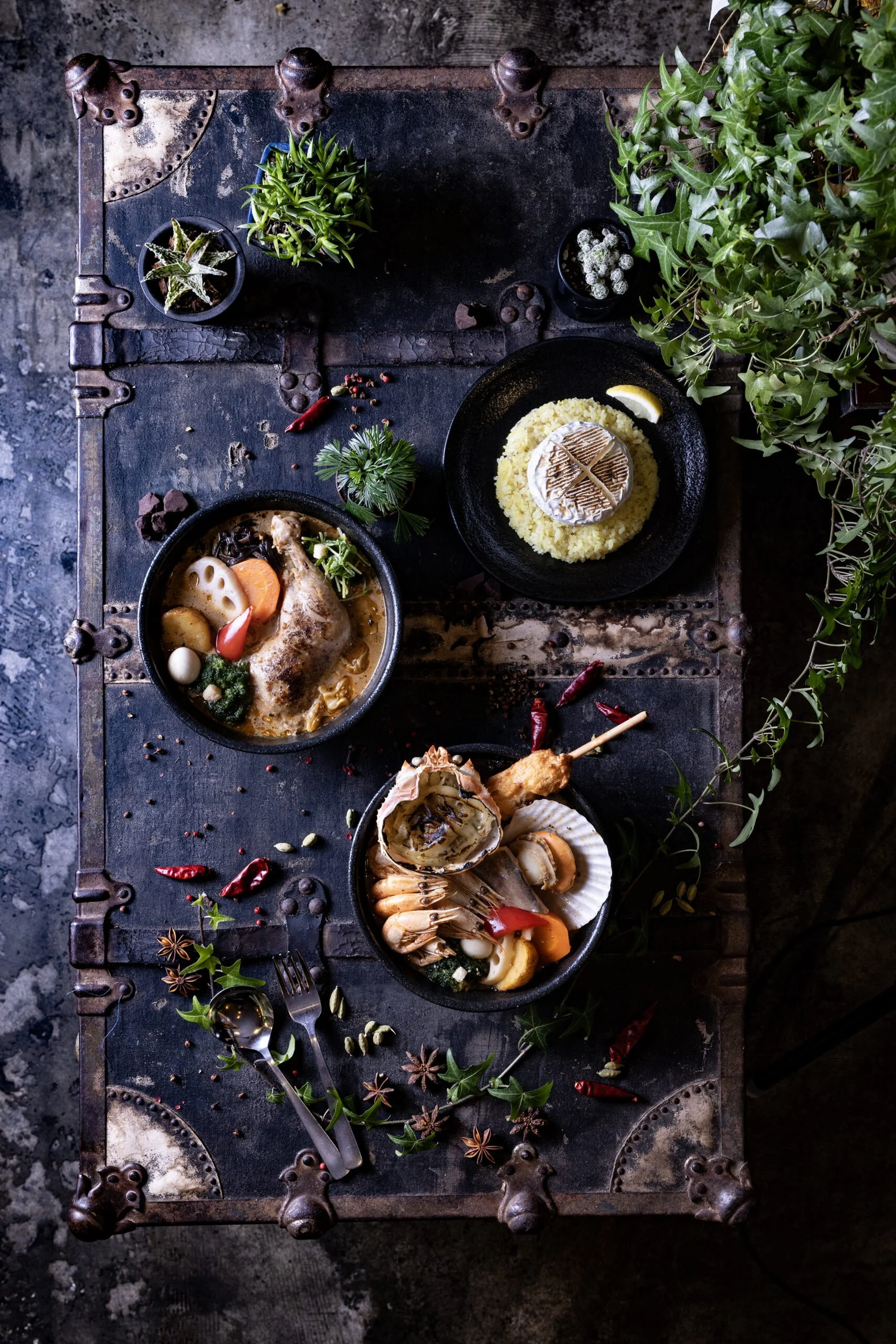
Image courtesy of Soup Curry Garaku
Hanamaru
Address: Multiple locations; Stellar Place (JR Sapporo Station) is the easiest
Vibe: Bustling, efficient, quality-driven
Price: $
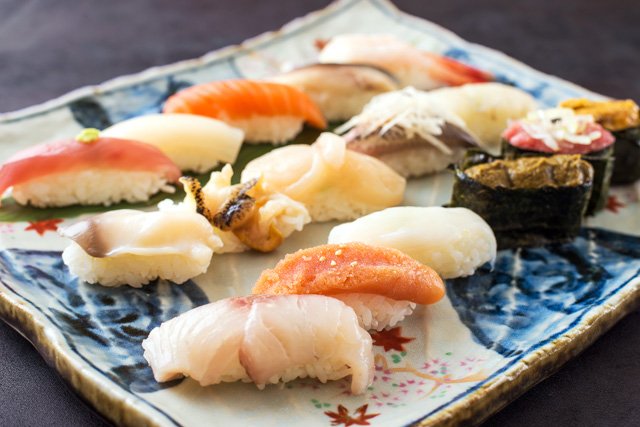
Must order: Seasonal Hokkaido fish; scallop; salmon roe when available
Nemuro Hanamaru consistently delivers some of the best casual sushi in Hokkaido. Sourced directly from eastern Hokkaido waters, the fish is fresh, generously cut, and priced far more reasonably than it would be in Tokyo. It’s fast-paced and unpretentious, but the quality speaks for itself — an easy, repeatable win whether you’re passing through or staying put.
Image courtesy of Hanamaru
Mikasa
Address: 1-3-6 Tsuboya, Naha, Okinawa
Vibe: Local, old-school, unapologetic
Price: $
Must order: Goya champuru; tofu dishes; anything pork-based
Mikasa is the kind of place you’d miss if you only followed guidebooks — simple tables, quick service, and deeply comforting Okinawan home cooking. Dishes are hearty, savory, and grounded in the island’s culinary identity, especially pork and tofu preparations. It’s casual to the point of bluntness, but incredibly satisfying, and a great reminder that Okinawan food plays by its own rules.
Image courtesy of Tripadvisor
Splurge
Special places for special occassions.
Tokyo & Central Honshu
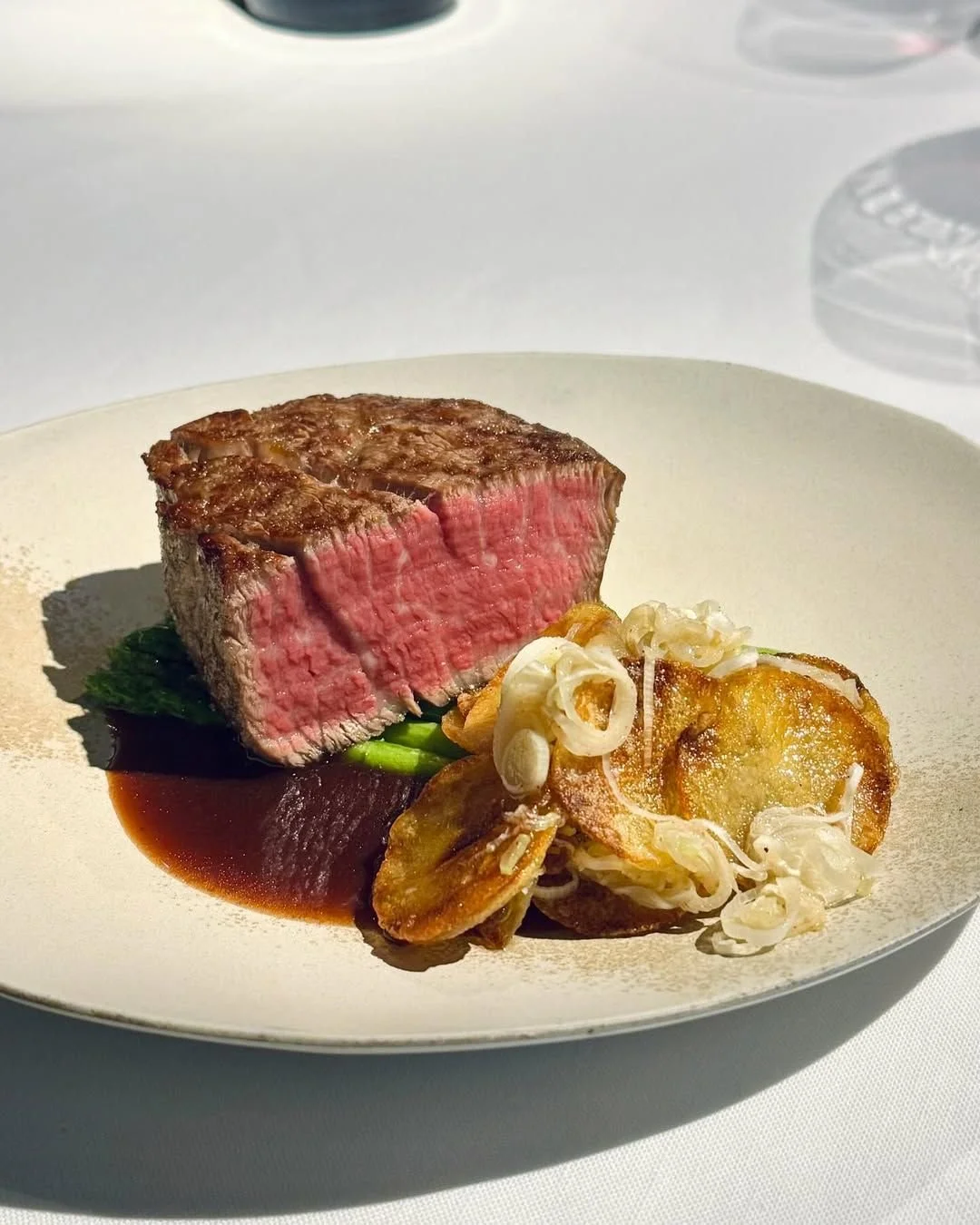
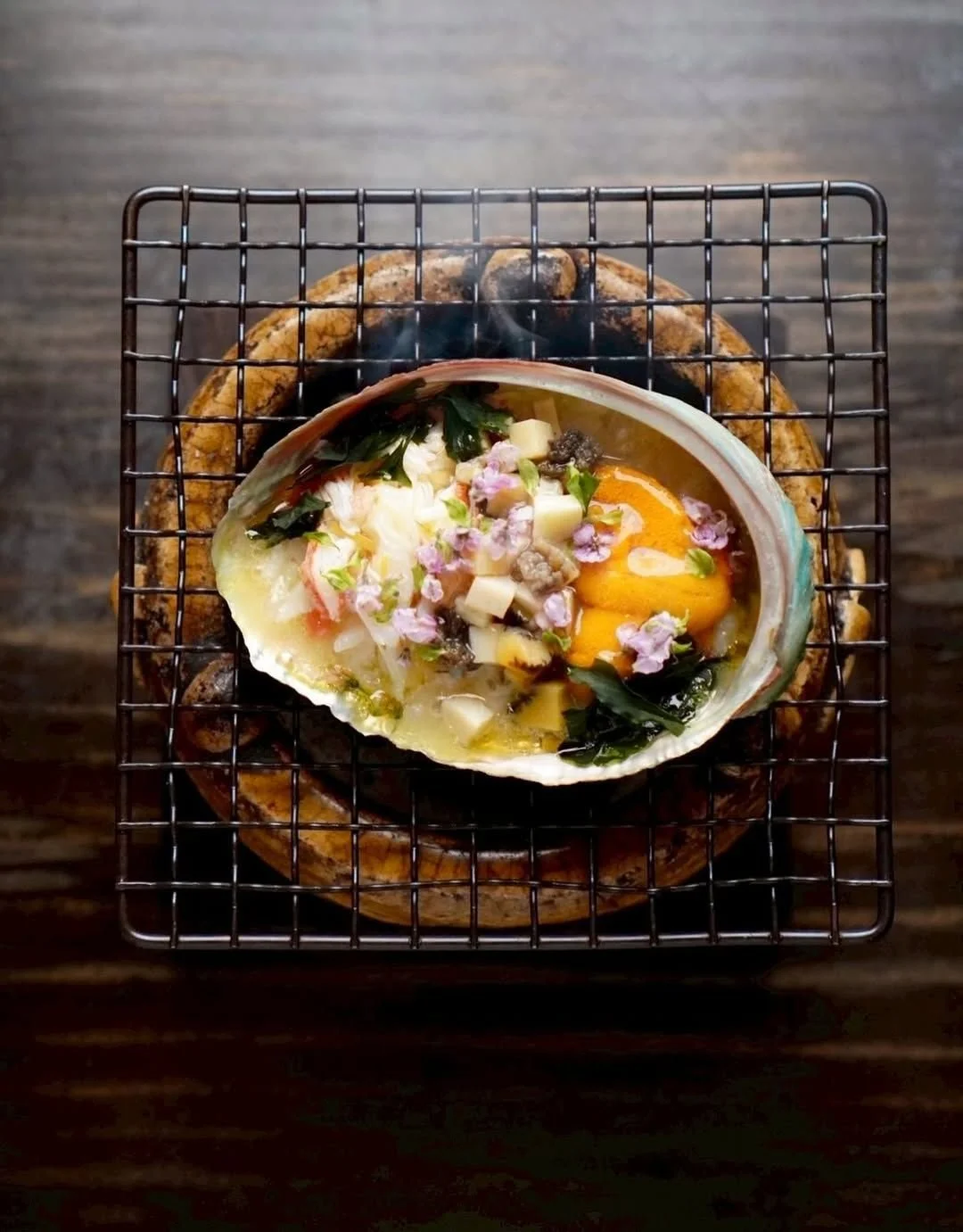
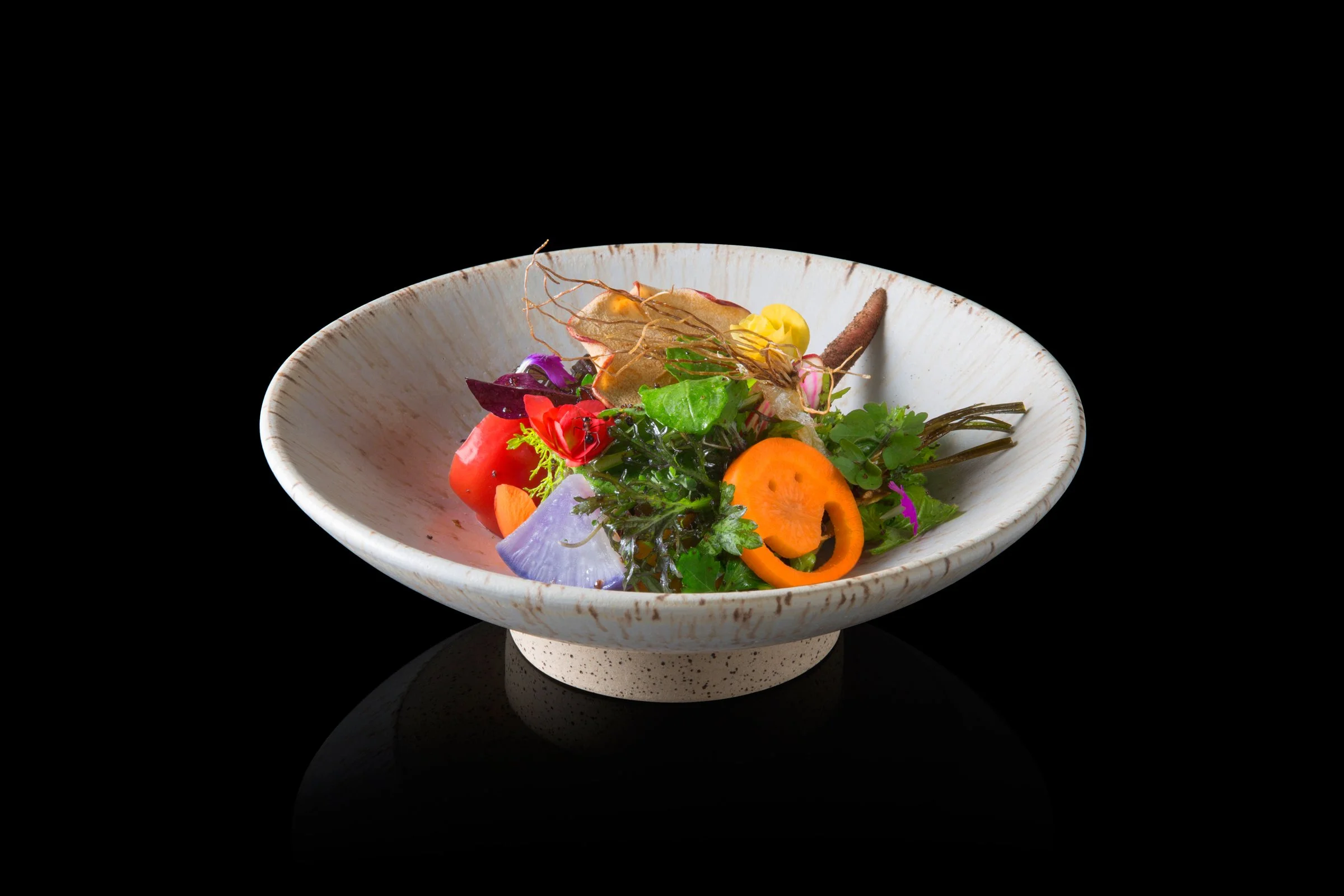
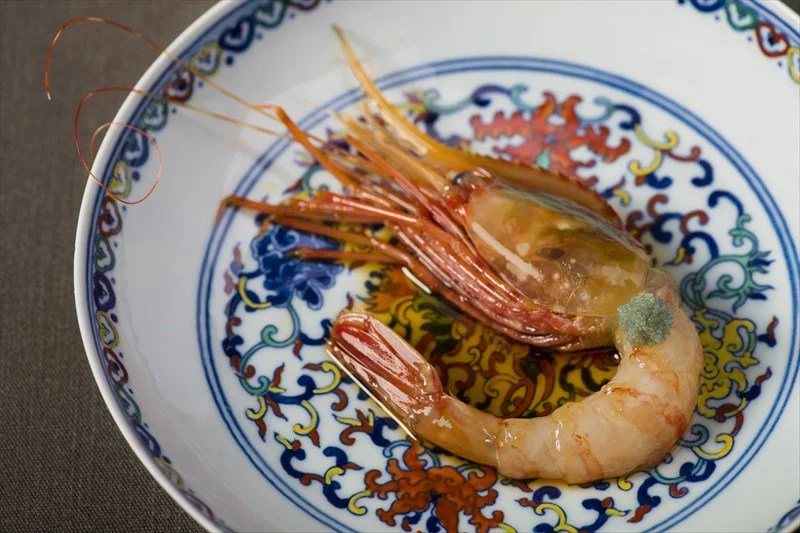
Narisawa
Address: 2-6-15 Minami Aoyama, Minato City, Tokyo
Vibe: Quiet, cerebral, deeply refined
Price: $$$$
Must order: The full tasting menu
Narisawa is one of the most intellectually serious restaurants in the world, and the experience reflects that gravity without feeling stiff. The cooking draws heavily on Japan’s natural landscapes and seasons, blending French technique with a distinctly Japanese sense of restraint. Every course is deliberate and quietly astonishing, making this a meal you remember not for drama, but for depth. It’s Tokyo fine dining at its most thoughtful.
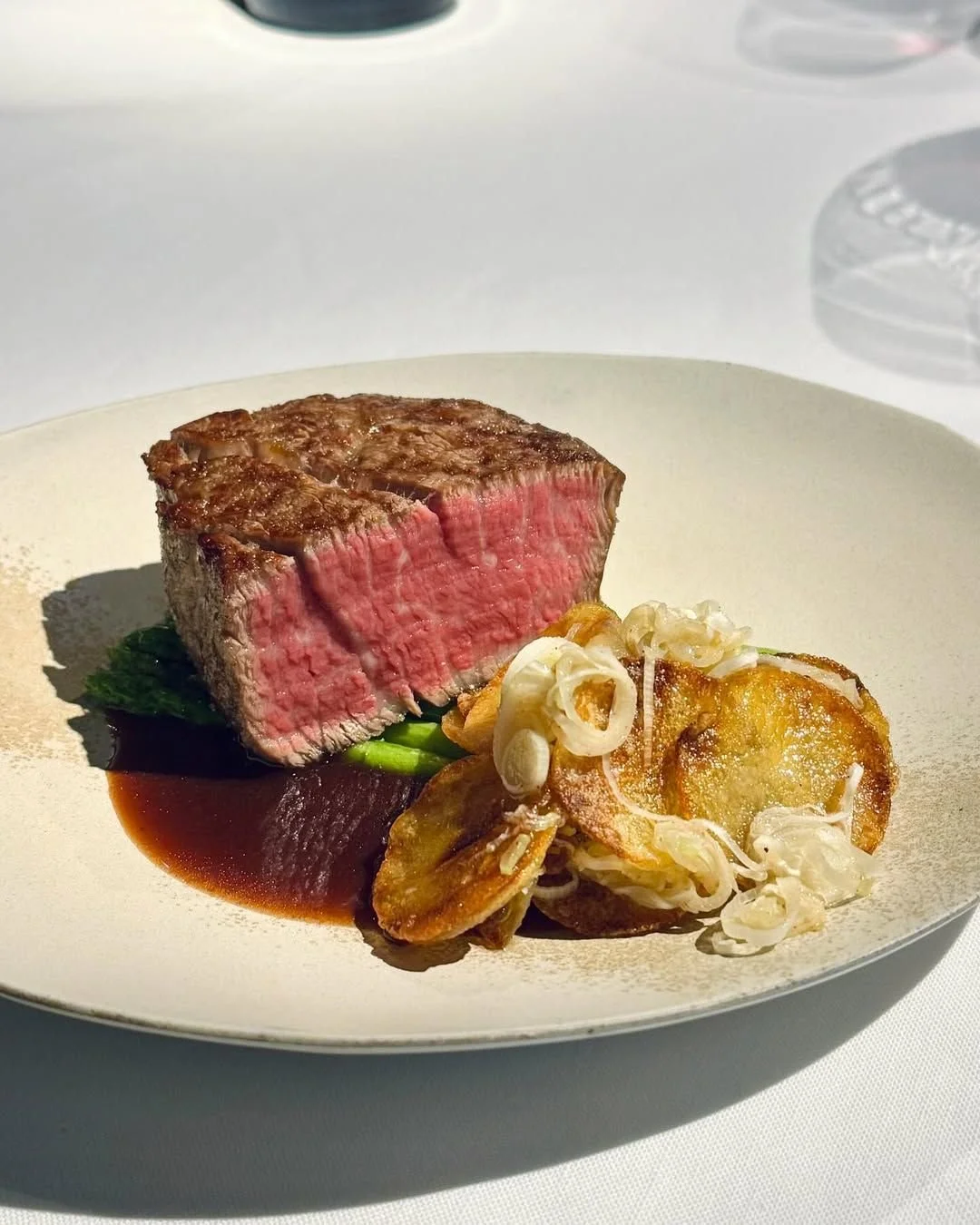
Image courtesy of Narisawa
L’Effervescence
Address: 2-26-4 Nishiazabu, Minato City, Tokyo
Vibe: Warm, elegant, quietly confident
Price: $$$$
Must order: Seasonal tasting menu
L’Effervescence manages something rare at this level: true refinement paired with generosity and ease. The cooking is modern and precise, but the atmosphere remains human and welcoming, never intimidating. Dishes are subtle rather than showy, allowing ingredients and technique to speak for themselves. This is a splurge that feels genuinely pleasurable, not performative.
Image courtesy of L’Effervescence
Den
Address: 2-3-18 Jingumae, Shibuya City, Tokyo
Vibe: Playful, creative, intimate
Price: $$$$
Must order: Chef’s tasting menu
Den breaks nearly every unspoken rule of Japanese fine dining — and does so with total confidence. The food is imaginative and sometimes irreverent, but always technically rigorous and deeply seasonal. The atmosphere is relaxed, almost mischievous, yet the cooking never slips into gimmickry. It’s one of the most memorable splurge meals in Tokyo precisely because it refuses to be precious.
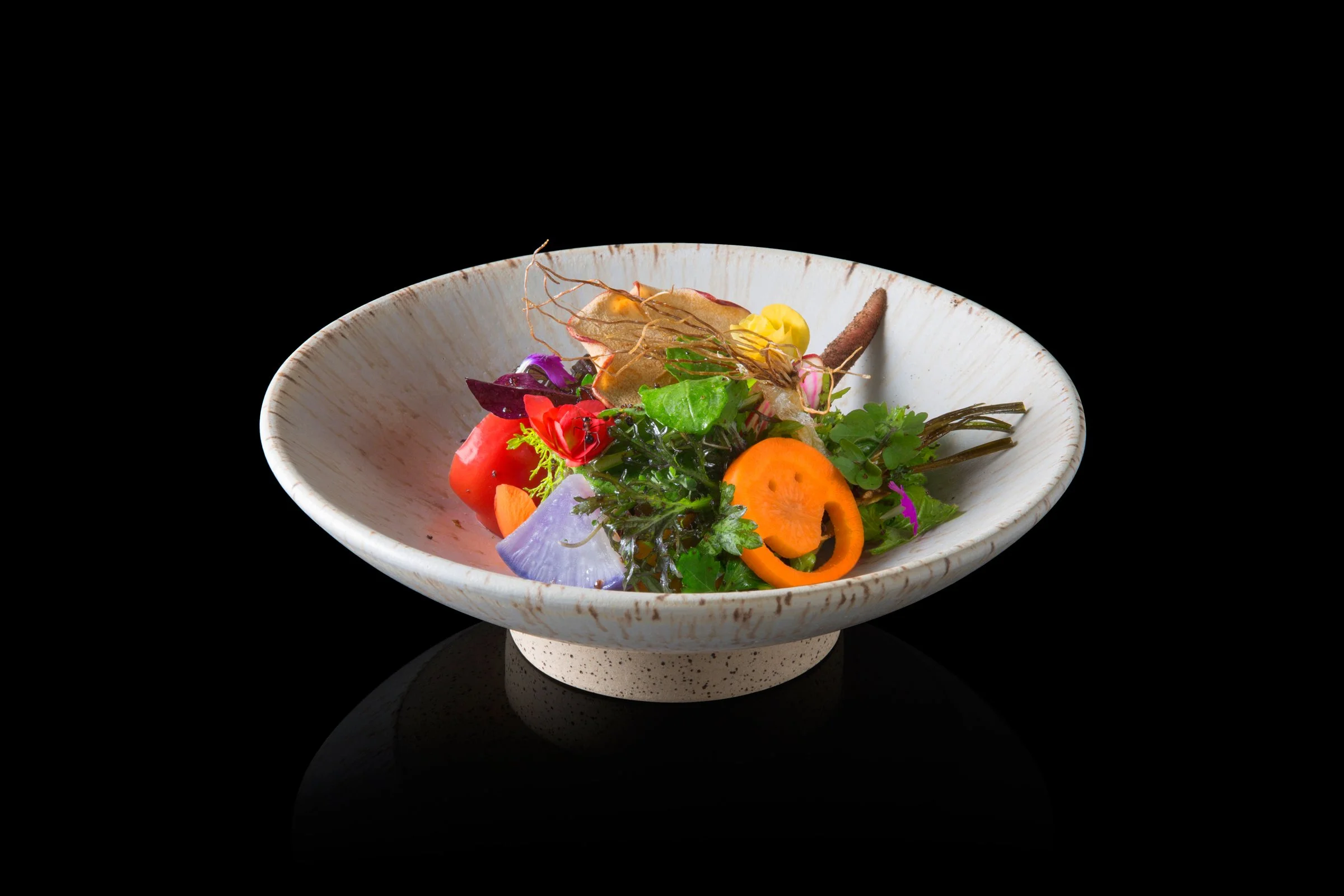
Image courtesy of Den
Sazenka
Address: 2-7-1 Minami Aoyama, Minato City, Tokyo
Vibe: Formal, polished, serene
Price: $$$$
Must order: Multi-course Cantonese tasting menu
Sazenka offers a completely different expression of luxury dining in Tokyo. Rooted in Cantonese cuisine but filtered through Japanese precision, the food is delicate, restrained, and meticulously balanced. The experience feels ceremonial without being rigid, and the flavors linger quietly rather than announce themselves. A splurge for diners who appreciate subtlety and control over spectacle.
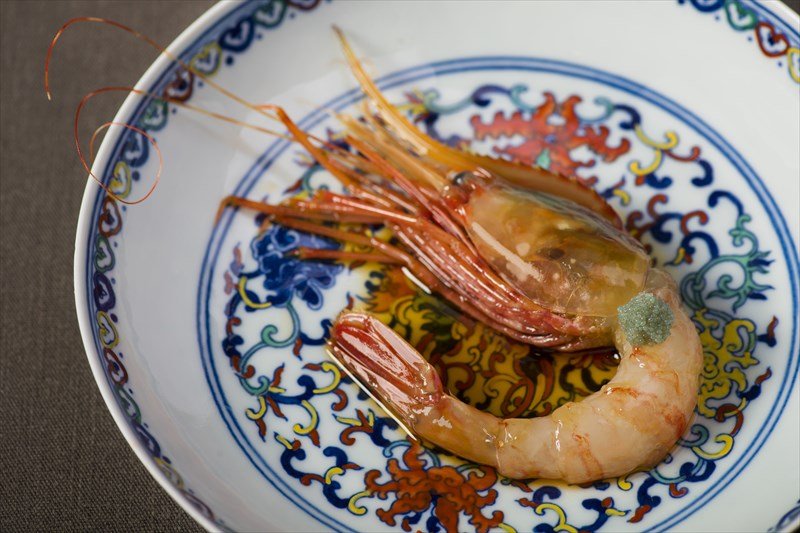
Image courtesy of Sazenka
Sukiyabashi Jiro
Address: Basement, Tsukamoto Sogyo Building, Ginza, Chuo City, Tokyo
Vibe: Intense, disciplined, iconic
Price: $$$$
Must order: Omakase only
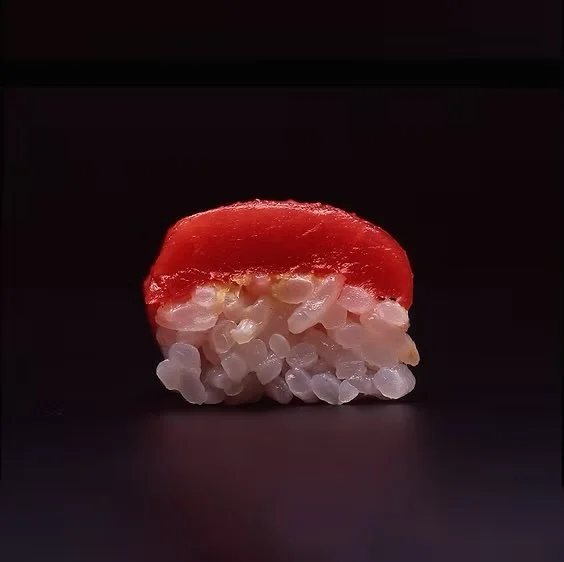
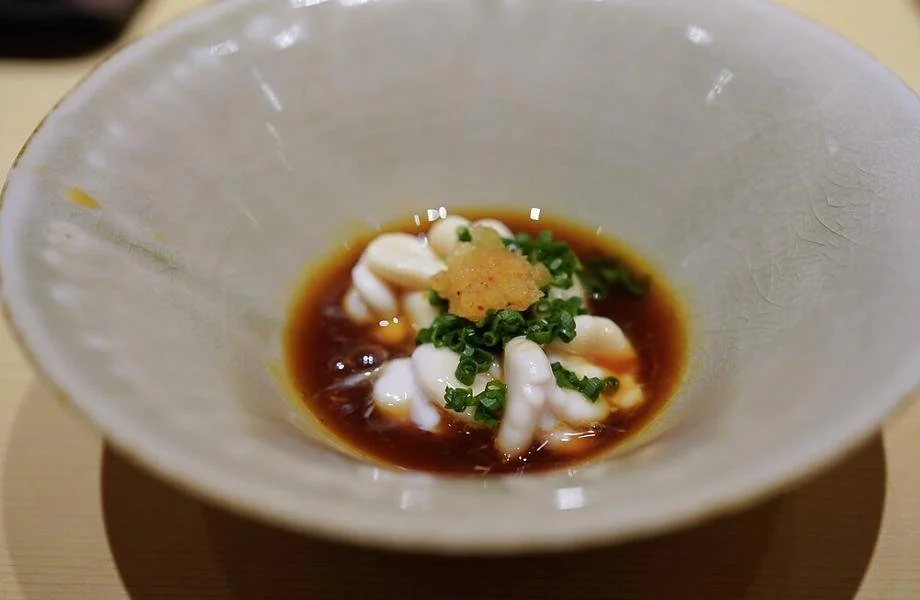
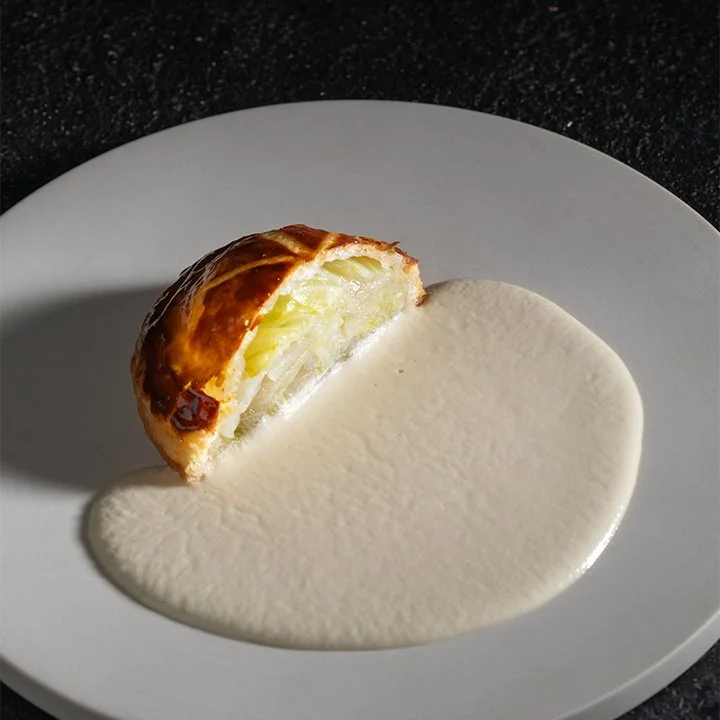
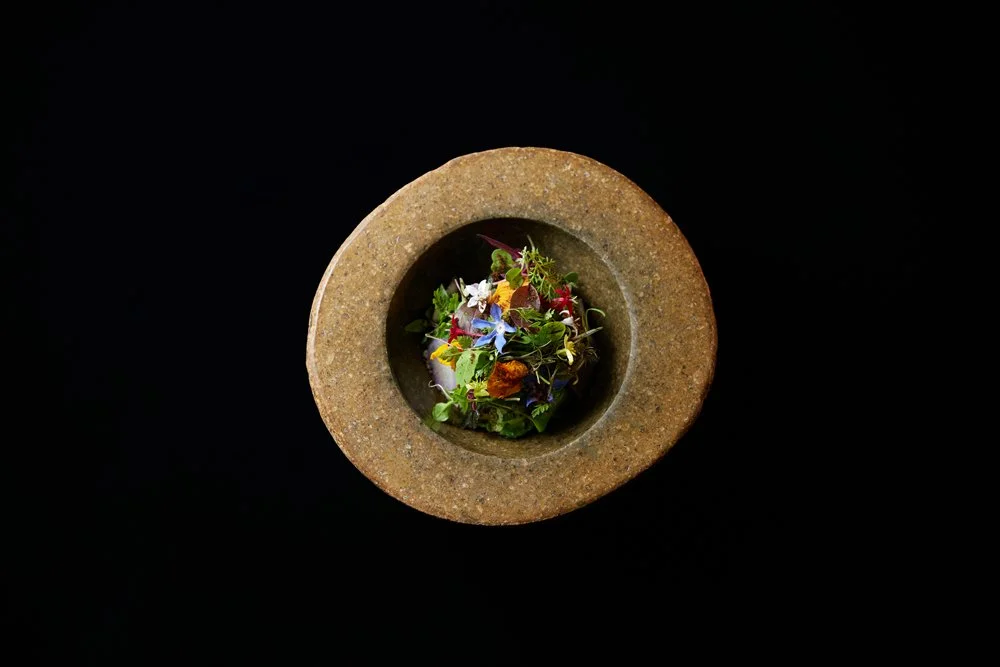
Dining at Sukiyabashi Jiro is less about comfort and more about witnessing mastery. The meal is short, focused, and uncompromising, with absolute attention paid to temperature, timing, and balance. There is no flexibility and no theatrics — just decades of refinement distilled into a sequence of perfect bites. It’s a splurge that feels almost ceremonial. It’s hard to get a reservation, but completely worth it.
Image courtesy of Sukiyabashi Jiro
Sushi Saito
Address: Japan, 〒106-0032 Tokyo, Minato City, Roppongi, 1 Chome−4−5 1F
Vibe: Ultra-exclusive, precise, serious
Price: $$$$
Must order: Omakase only
Sushi Saito is often spoken about in near-mythical terms, and for good reason. The experience is stripped of distraction, focusing entirely on fish, rice, and the chef’s extraordinary control of both. Reservations are notoriously difficult, but for those who secure a seat, the reward is sushi at its most exacting and pure. This is splurge dining for true devotees.
Image courtesy of World’s 50 Best
Florilège
Address: 2-6-16 Jingumae, Shibuya City, Tokyo
Vibe: Modern, architectural, calm
Price: $$$$
Must order: Seasonal tasting menu
Florilège bridges French technique and Japanese sensibility with remarkable clarity. The open kitchen creates a sense of transparency, but the focus remains on balance and flavor rather than performance. Dishes are contemporary, elegant, and grounded, making this a splurge that feels modern without chasing trends. Thoughtful, precise, and deeply satisfying.
Image courtesy of Florilège
Hommage
Address: 2-17-13 Asakusa, Taito City, Tokyo
Vibe: Intimate, personal, quietly luxurious
Price: $$$$
Must order: Seasonal tasting menu
Tucked away in Asakusa, Hommage offers a more intimate interpretation of high-end dining. The cooking is rooted in French tradition but delivered with warmth and generosity, and the service feels genuinely personal. It’s refined without being formal, making it a wonderful choice for a splurge that still feels relaxed and human.
Image courtesy of Hommage
Kyoto, Kansai & The Inland Sea
Kikunoi Honten
Address: 459 Shimokawaracho, Higashiyama Ward, Kyoto
Vibe: Serene, classical, deeply Kyoto
Price: $$$$
Must order: Seasonal kaiseki tasting menu
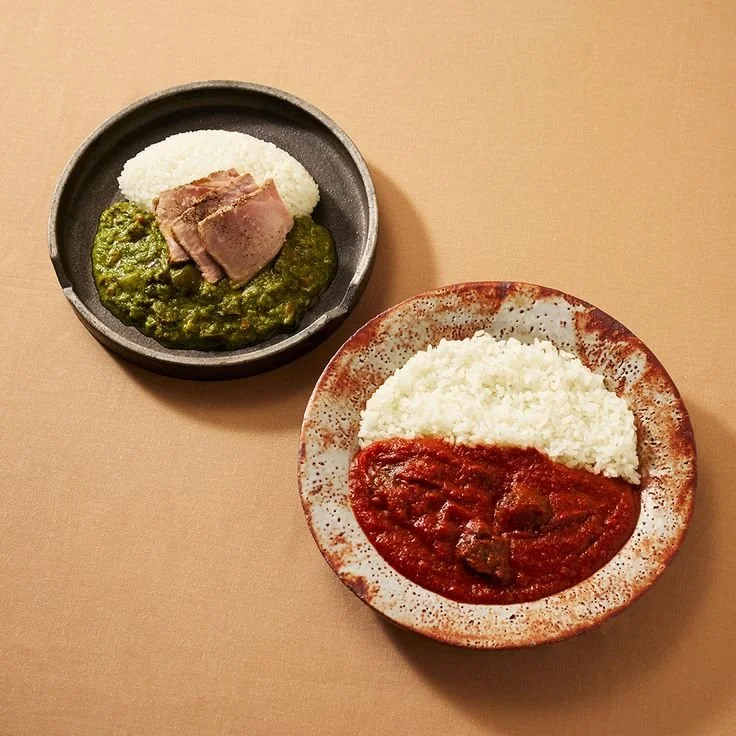
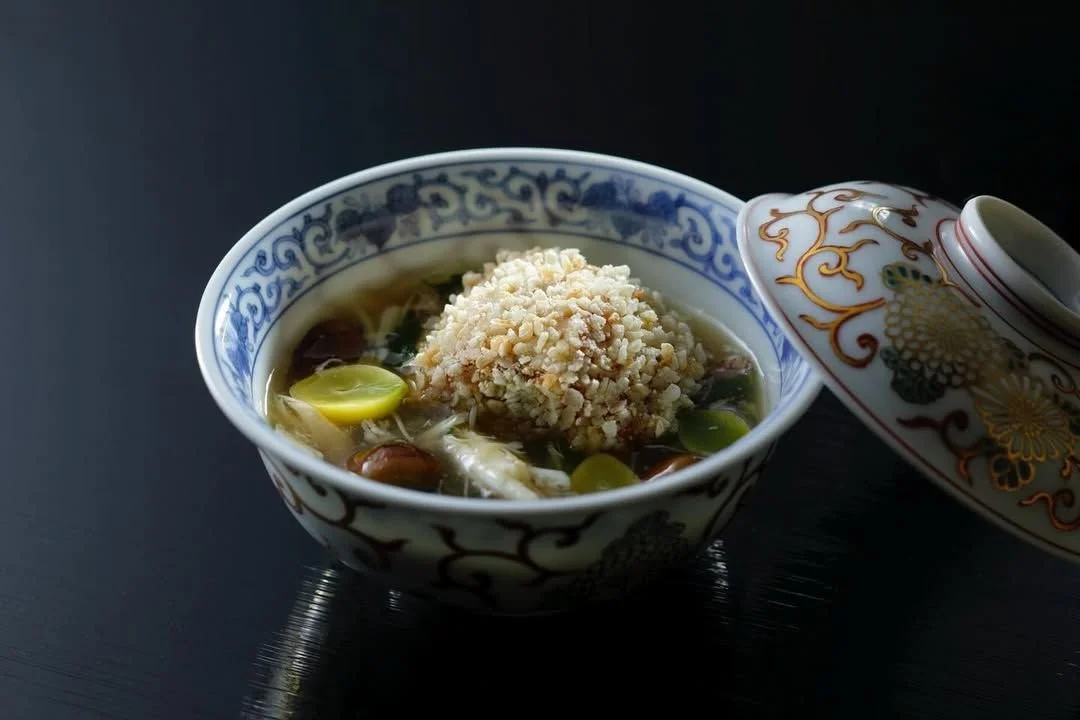
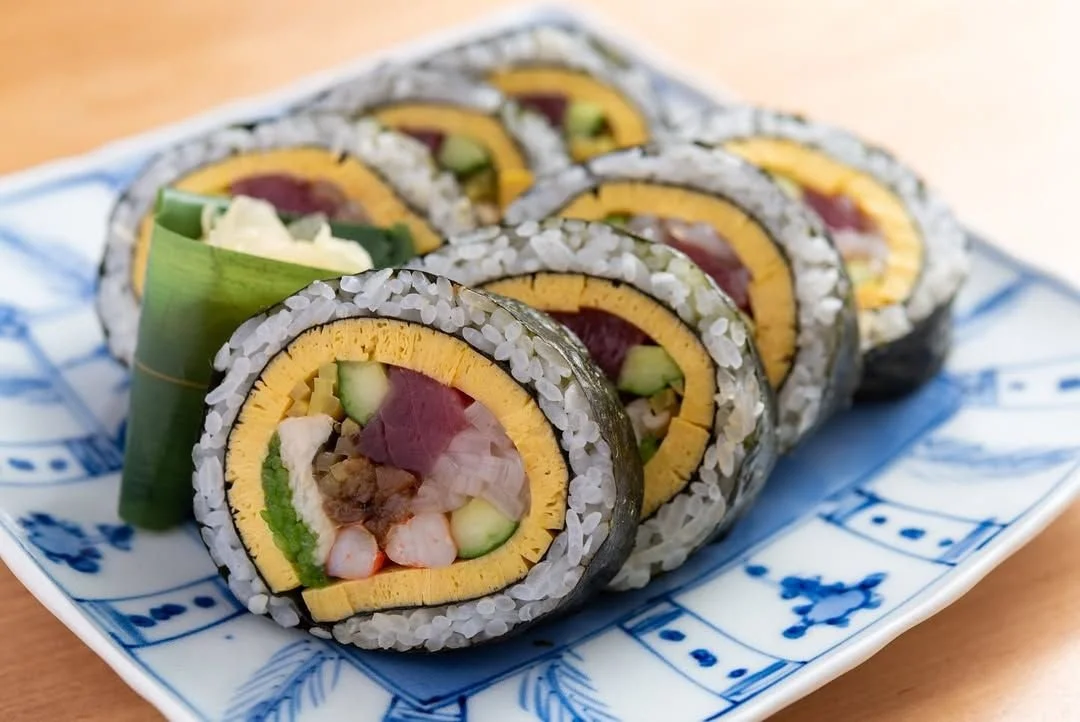
Kikunoi is the benchmark for Kyoto kaiseki — elegant, seasonal, and emotionally grounded without feeling stiff. The cooking is precise and deeply rooted in tradition, but always warm and human. Each course reflects not just the season, but Kyoto’s culinary philosophy as a whole. This is a splurge that defines place as much as it defines luxury.
Image courtesy of Kikunoi Honten
Hyotei
Address: 35 Nanzenji Kusakawacho, Sakyo Ward, Kyoto
Vibe: Historic, restrained, quietly ceremonial
Price: $$$$
Must order: Full kaiseki menu; signature soft-boiled egg
Dining at Hyotei feels like stepping into Kyoto’s living history. The flavors are subtle, the pacing unhurried, and the setting profoundly calm. This is not about novelty — it’s about continuity, ritual, and a level of refinement that comes from centuries of repetition. A deeply atmospheric splurge.
Image courtesy of Hyotei
Gion Sasaki
Address: 570-123 Gionmachi Minamigawa, Higashiyama Ward, Kyoto
Vibe: Intimate, modern-traditional, chef-driven
Price: $$$$
Must order: Chef’s seasonal tasting menu
Gion Sasaki bridges classical kaiseki and contemporary sensibility with remarkable confidence. The room is intimate, the cooking focused, and the experience feels personal rather than formal. It’s refined without being precious, making it an excellent splurge for diners who want Kyoto tradition with a slightly modern edge.
Image courtesy of Gion Sasaki
Monk
Address: 2 Ginkakujicho, Sakyo Ward, Kyoto
Vibe: Rustic, intentional, quietly cult-favorite
Price: $$$ - $$$$
Must order: Seasonal tasting menu; wood-fired pizza courses
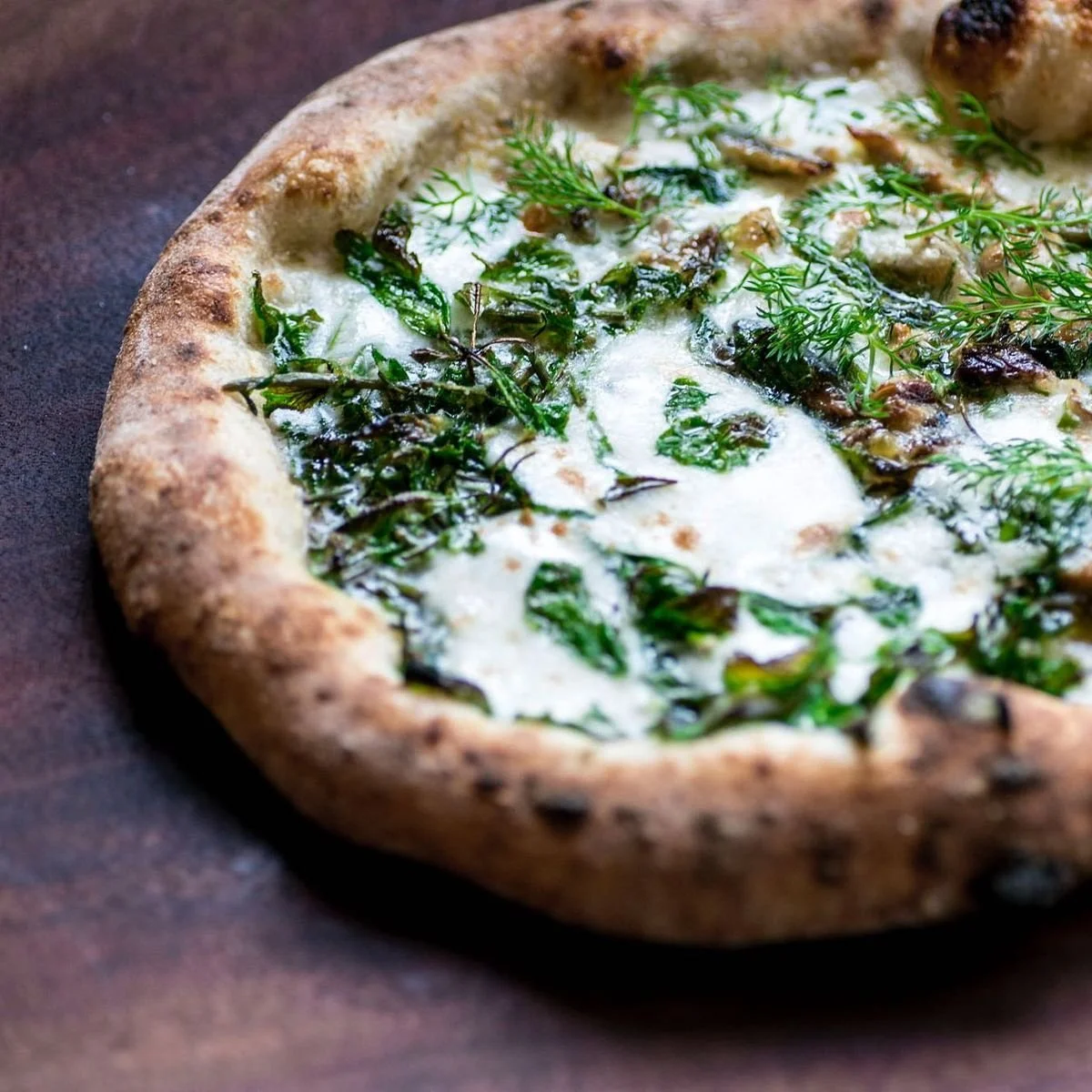
Monk is unlike anything else in Kyoto. Centered around a wood-fired hearth, the menu evolves constantly, guided by season and intuition rather than strict tradition. The atmosphere is relaxed but focused, and the food feels alive and expressive. It’s a splurge that feels creative, grounded, and deeply satisfying.
Image courtesy of Monk
Hajime
Address: 1-9-11 Edobori, Nishi Ward, Osaka
Vibe: Minimalist, cerebral, architectural
Price: $$$$
Must order: Tasting menu
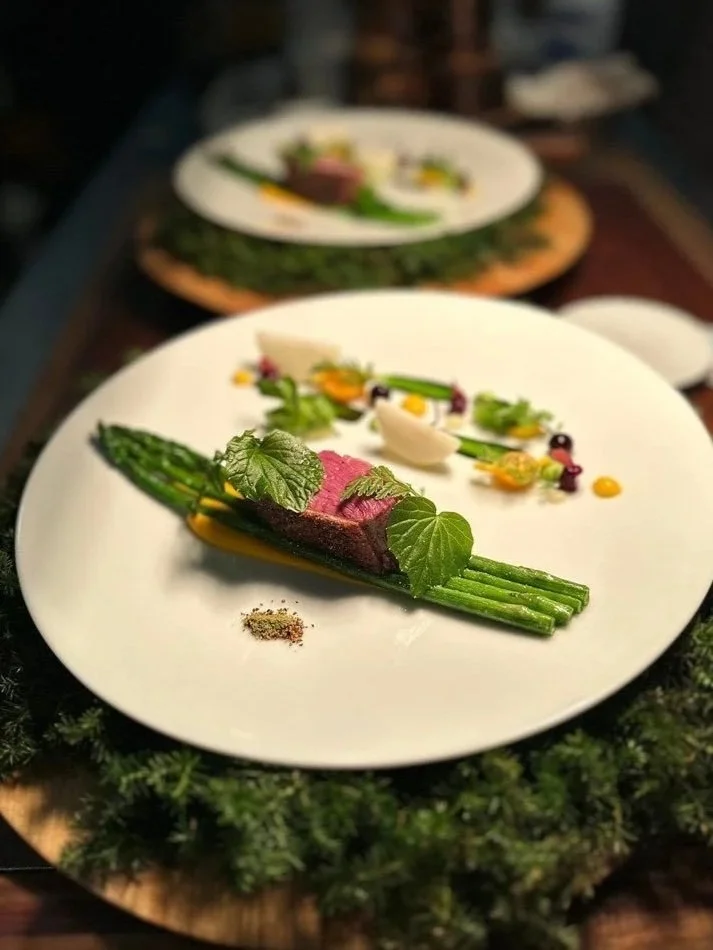
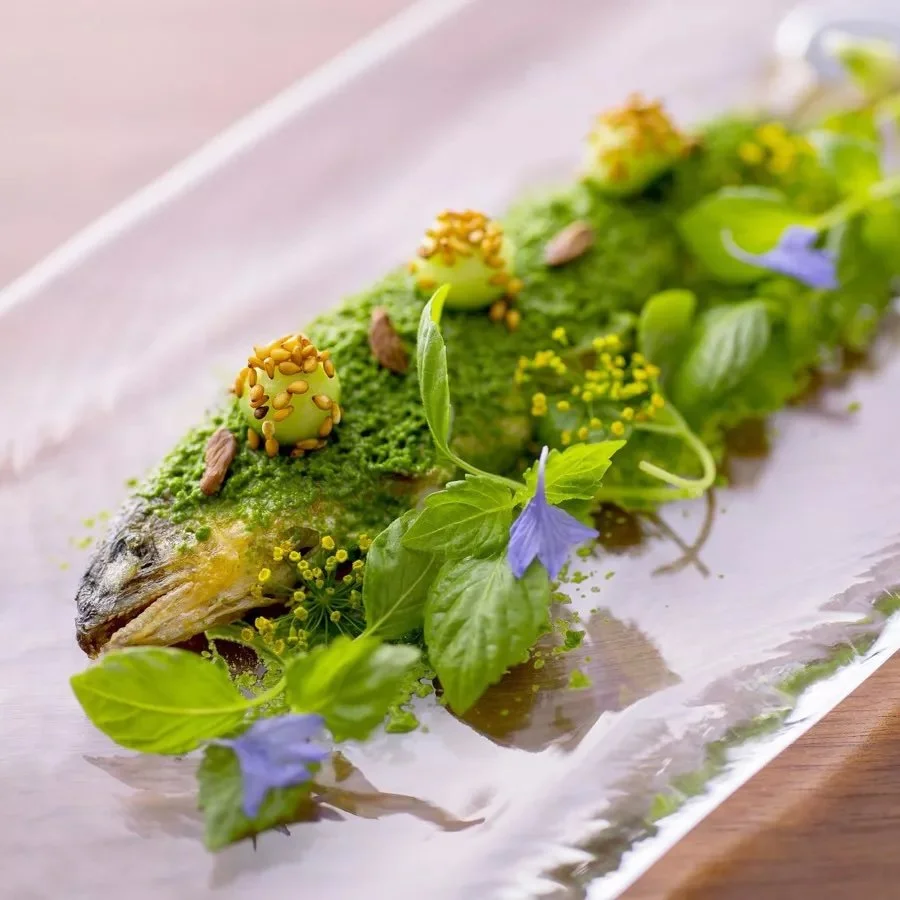
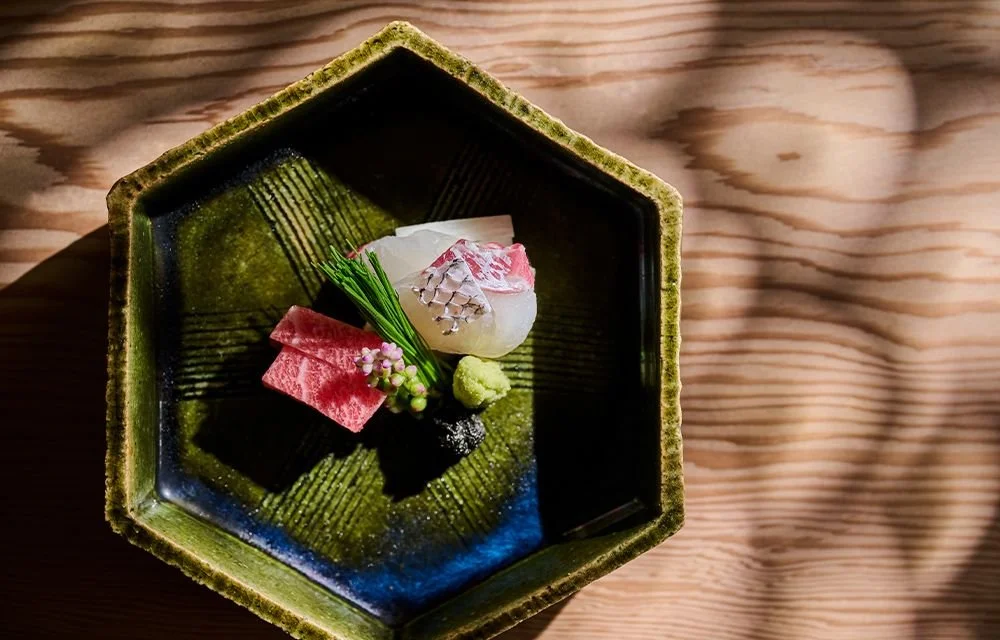
Hajime is Osaka’s most intellectually ambitious restaurant. The cooking is modern, precise, and deeply conceptual, yet grounded in flavor and balance. The experience is focused and immersive, rewarding diners who enjoy thoughtful pacing and serious technique. A true splurge for those who appreciate cuisine as craft.
Image courtesy of Hajime
Fujiya 1935
Address: 2-4-13 Koraibashi, Chuo Ward, Osaka
Vibe: Elegant, European-inflected, polished
Price: $$$$
Must order: Tasting menu
Fujiya 1935 offers a distinctly Kansai interpretation of modern European fine dining. The cooking is refined and assured, with subtle Japanese influences woven throughout. It’s calm, beautifully paced, and quietly luxurious — a splurge that feels classic rather than experimental.
Image courtesy of Fujiya 1935
Kodaiji Jugyuan
Address: 353 Masuyacho, Higashiyama Ward, Kyoto
Vibe: Zen-like, contemplative, design-forward
Price: $$$$
Must order: Tasting menu
Jugyuan offers a more contemporary, meditative take on kaiseki. The cuisine is minimalist, the presentation architectural, and the atmosphere profoundly calm. This is a splurge for diners who appreciate restraint, negative space, and food that rewards attention rather than spectacle.
Image courtesy of Kodaiji Jugyuan
Where We Wake Up
We take breakfast seriously.
Tokyo & Central Honshu
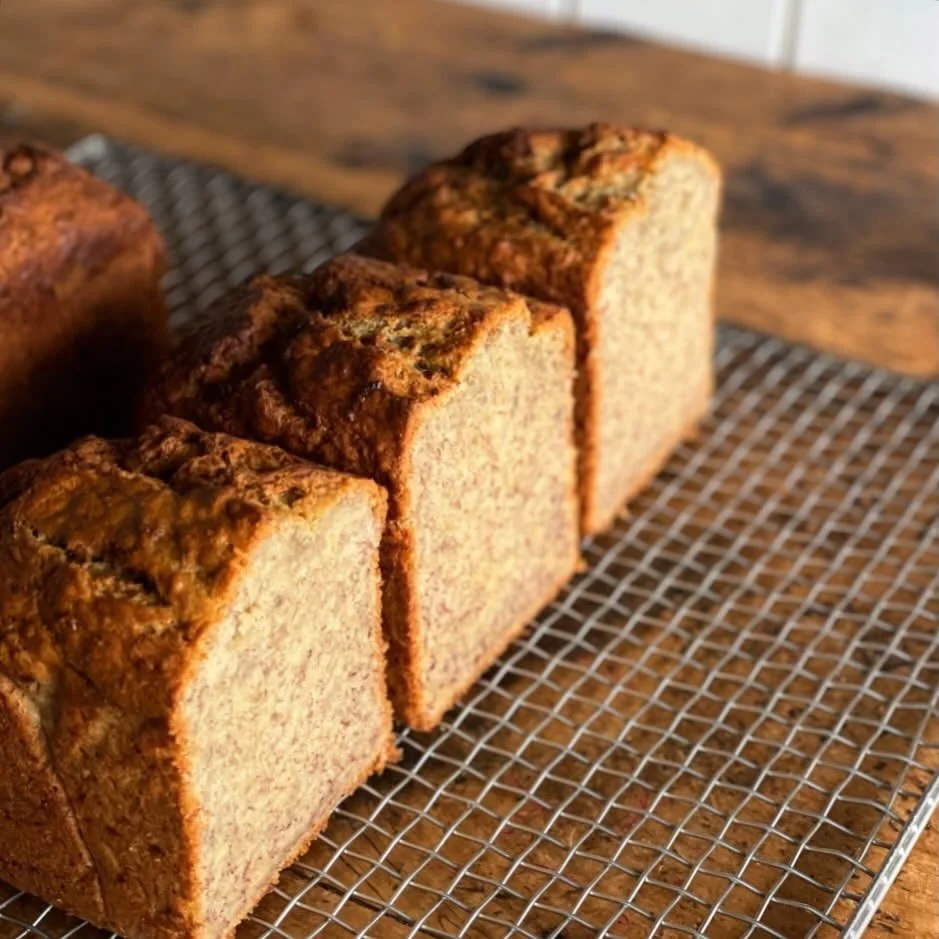
Kyoto, Kansai & The Inland Sea
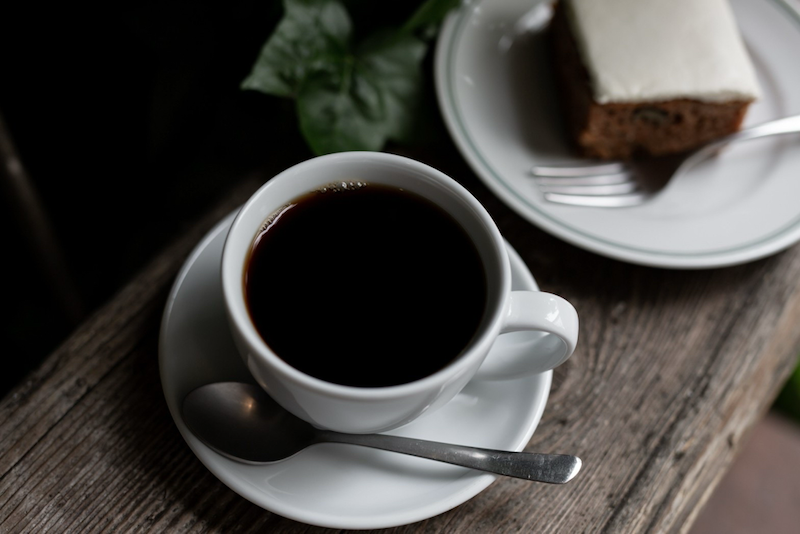
Chatei Hatou
Address: 1-15-19 Shibuya, Shibuya City, Tokyo
Vibe: Old-school, unhurried, deeply serious about coffee
Price: $
Must-order: Hand-drip single origin; any of the toast sets; the blended coffee if you want to understand what they're capable of
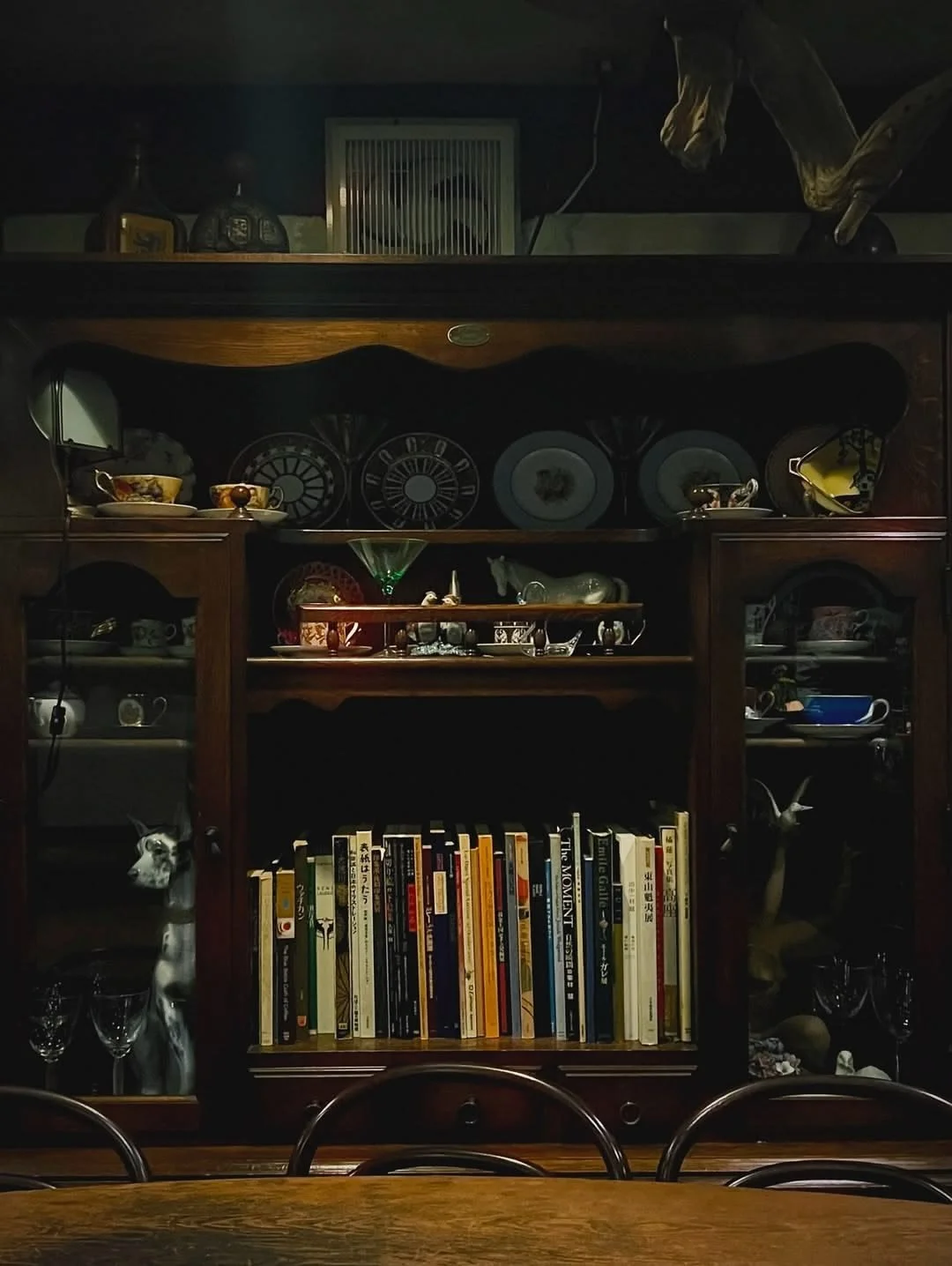
Image courtesy of Chatei Hatou
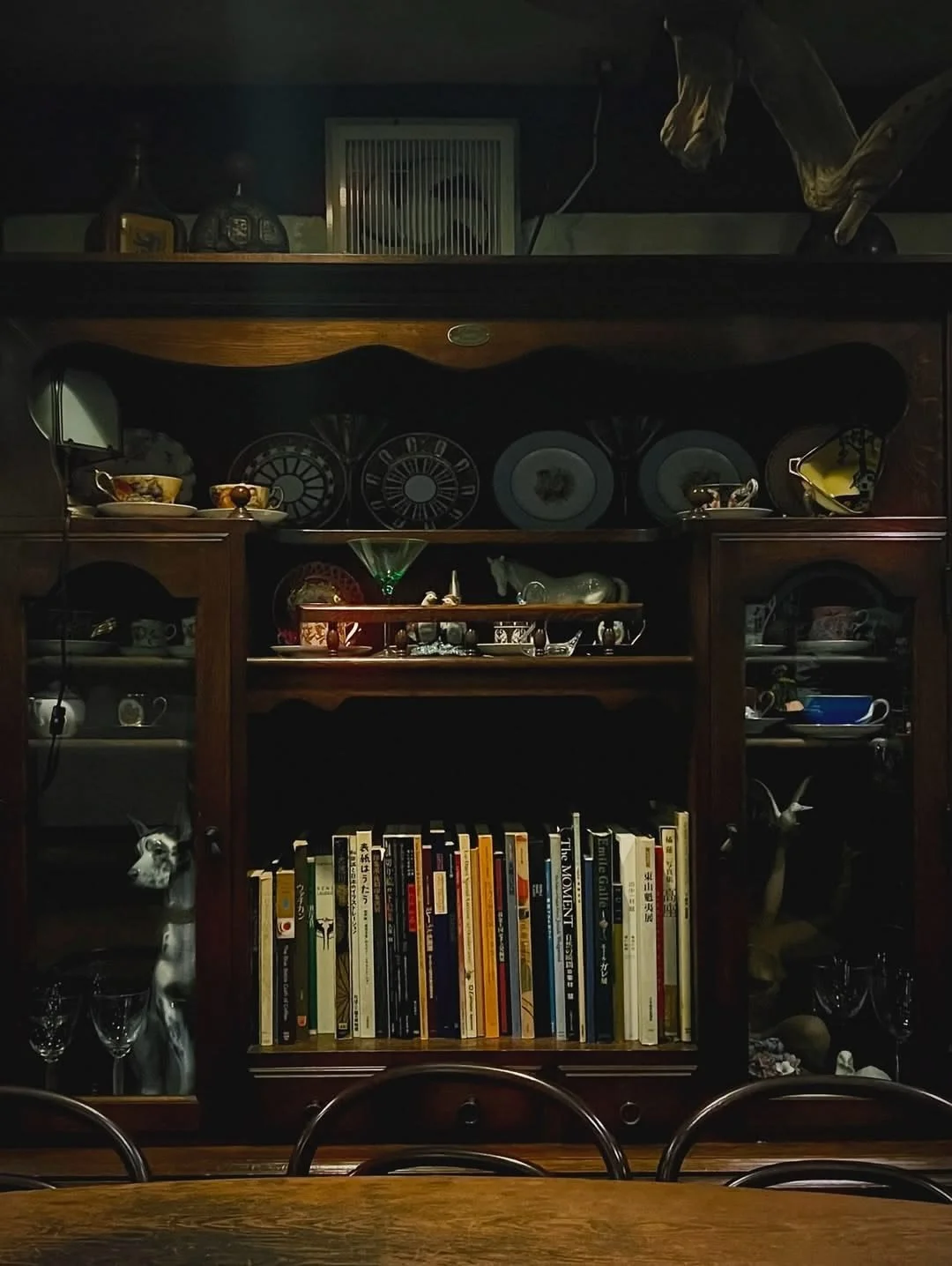
The kind of kissaten that reminds you why Japan does everything slowly and on purpose. Chatei Hatou has been quietly perfecting coffee since 1989 — hand-ground, siphon-brewed, served at the right temperature by people who treat it as a discipline, not a transaction. The interior is dark wood and vinyl records and morning light through old curtains. There is no Wi-Fi. There is no need for it.
Fuglen Tokyo
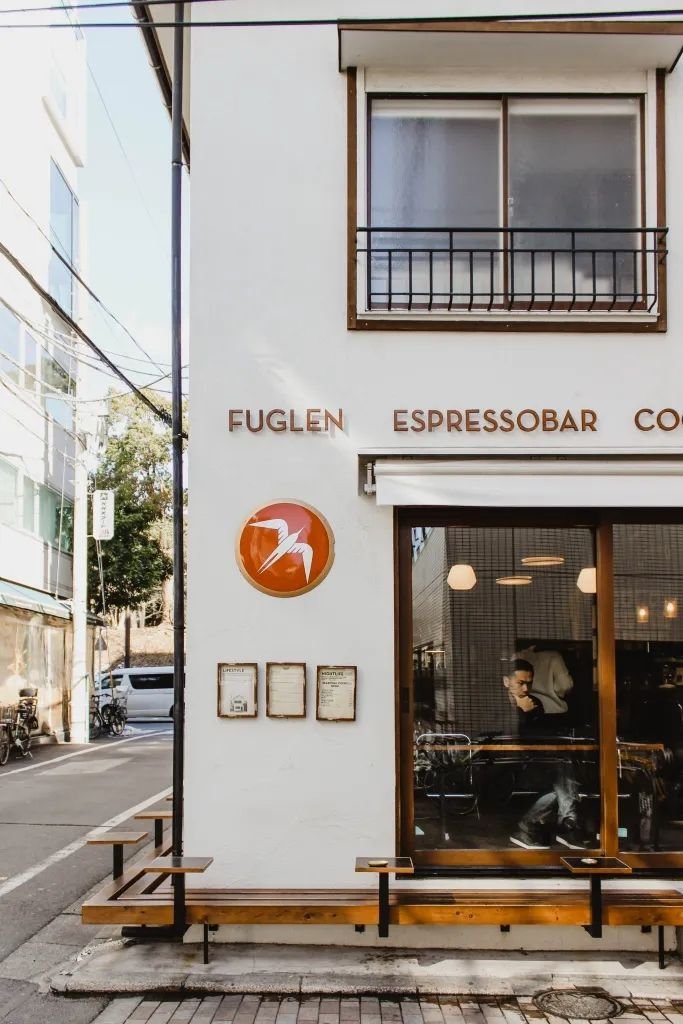
Address: 1-16-11 Tomigaya, Shibuya City, Tokyo
Vibe: Nordic-Japanese, unhurried, design-conscious
Price: $$
Must-order: Filter coffee; seasonal single-origin pour-over; cardamom bun when available
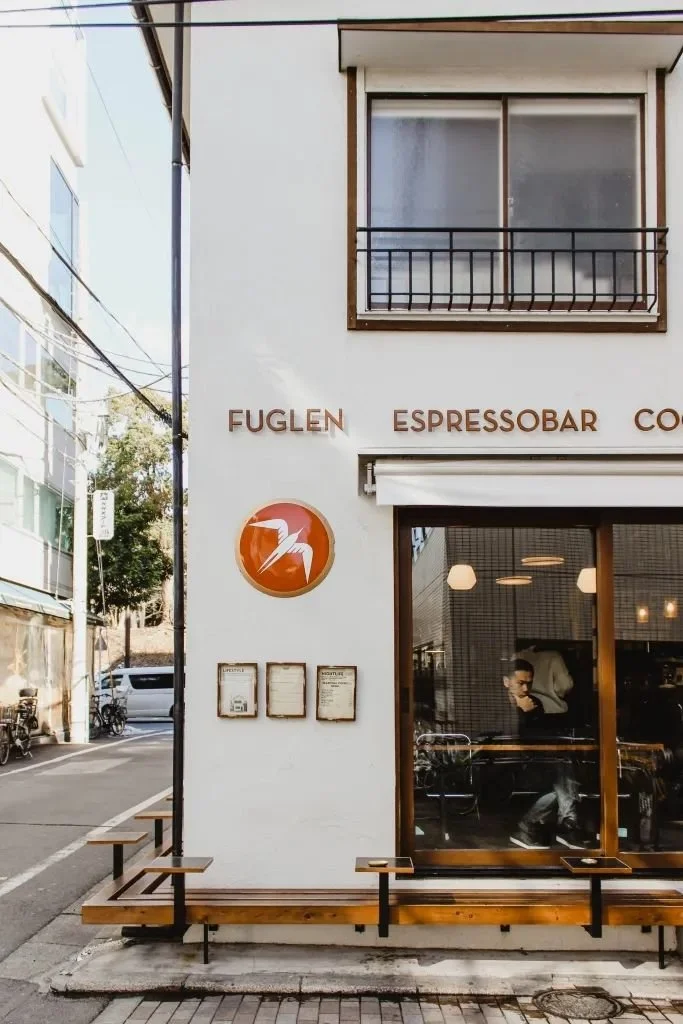
Image courtesy of chdpillar
An Oslo coffee bar that landed in Tomigaya and immediately became a neighborhood institution. The daytime version is all precision pour-overs, clean Scandinavian design, and a terrace that's always slightly too full. By evening, it becomes a cocktail bar. At 8am it's exactly what you want — quiet, excellent, and surrounded by people who also walked here on purpose.
Daily by Long Track Foods
Address: 1 Chome-13-10 Komachi, Kamakura, Kanagawa 248-0006, Japan
Vibe: Casual, food-forward, deceptively simple
Price: $$
Must-order: Ricotta hotcakes; poached eggs on toast; filter coffee from a rotating roster of Japanese roasters
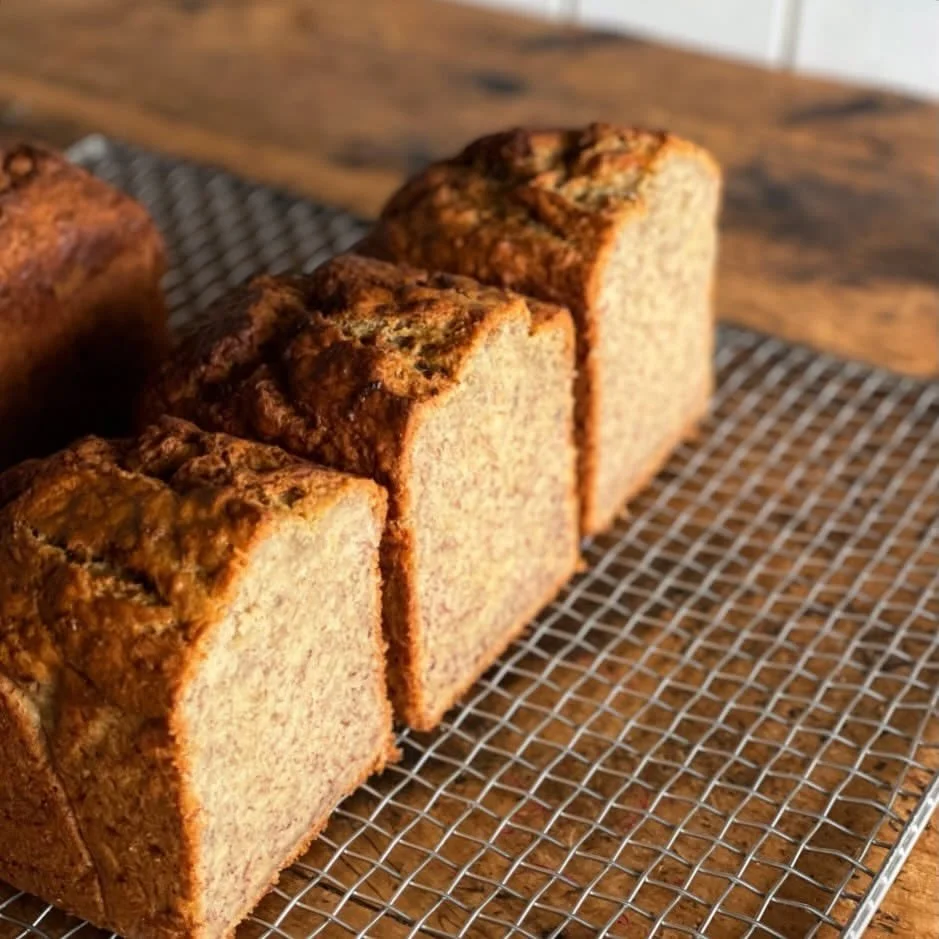
Image courtesy of Long Track Foods
This is the Australian expat breakfast spot that went local and never looked back. Excellent eggs, proper coffee, and the kind of ricotta hotcakes that justify the wait. The room is small and always busy, which is the point — it feels like somewhere people actually want to be rather than somewhere that wants to be seen. Bring cash.
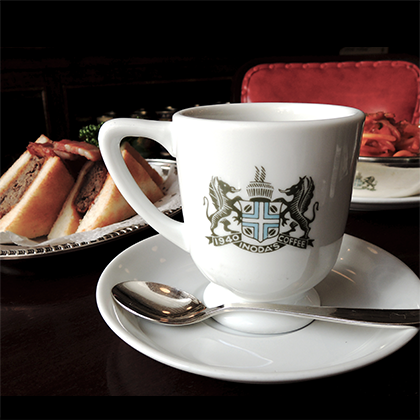
Inoda Coffee
Address: 140 Doyucho, Nakagyo Ward, Kyoto (Sanjo main branch)
Vibe: Timeless, formal in a gentle way, deeply Kyoto
Price: $$
Must-order: The Arabica blend; morning set with egg salad sandwich and seasonal fruit; their coffee jelly in warmer months
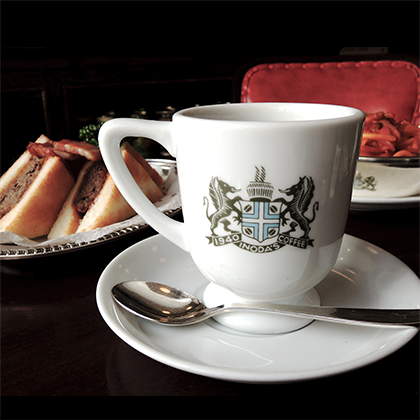
Image courtesy of Inoda Coffee
Kyoto's most beloved coffee institution, open since 1940. The original Sanjo branch is the one — dark wood booths, white-jacketed staff, and coffee served the Kyoto way: already lightened with cream and sugar unless you say otherwise. It is not trying to be specialty coffee. It is trying to be Inoda Coffee, which is something better.
Nakamura Tokichi Honten
Address: 10 Uji Ichiban, Uji, Kyoto
Vibe: Historic, meditative, unhurried
Price: $$
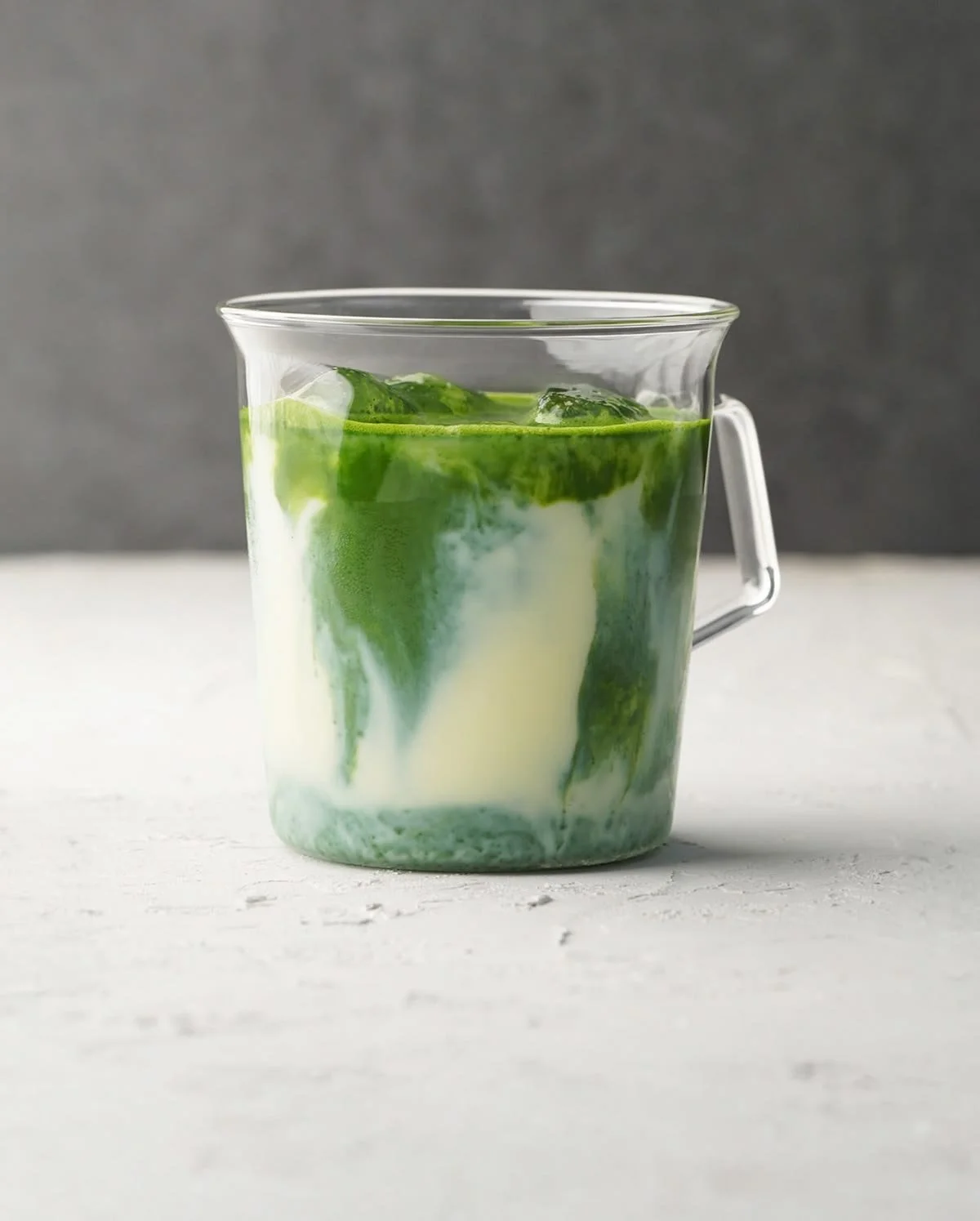
Must-order: Matcha set with seasonal wagashi; cold matcha on ice in summer; the warabi mochi
Image courtesy of Nakamura Tokichi
A 170-year-old tea house in Uji — the matcha capital of Japan — where breakfast means something completely different. The morning menu is built around matcha in every possible form: soft serve, tea, jelly, soba, warabi mochi. The garden is quiet in the early hours. This is not a restaurant that rushes.
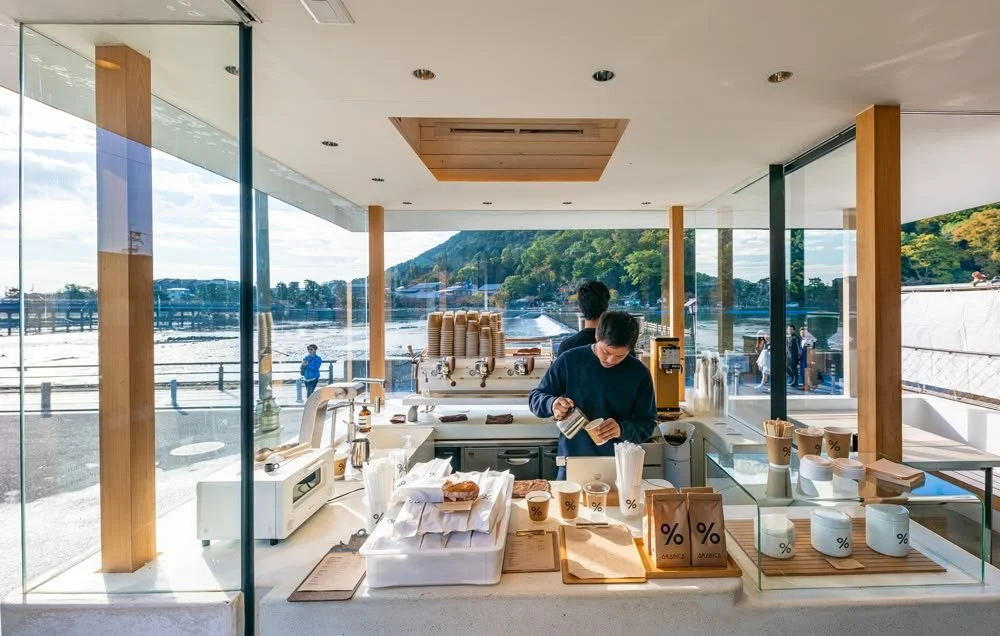
Arabica Kyoto
Address: 87-5 Hoshinocho, Higashiyama Ward, Kyoto
Vibe: Minimal, precise, visually stunning
Price: $$
Must order: Flat white or cortado; the latte if you want something softer; nothing else is needed
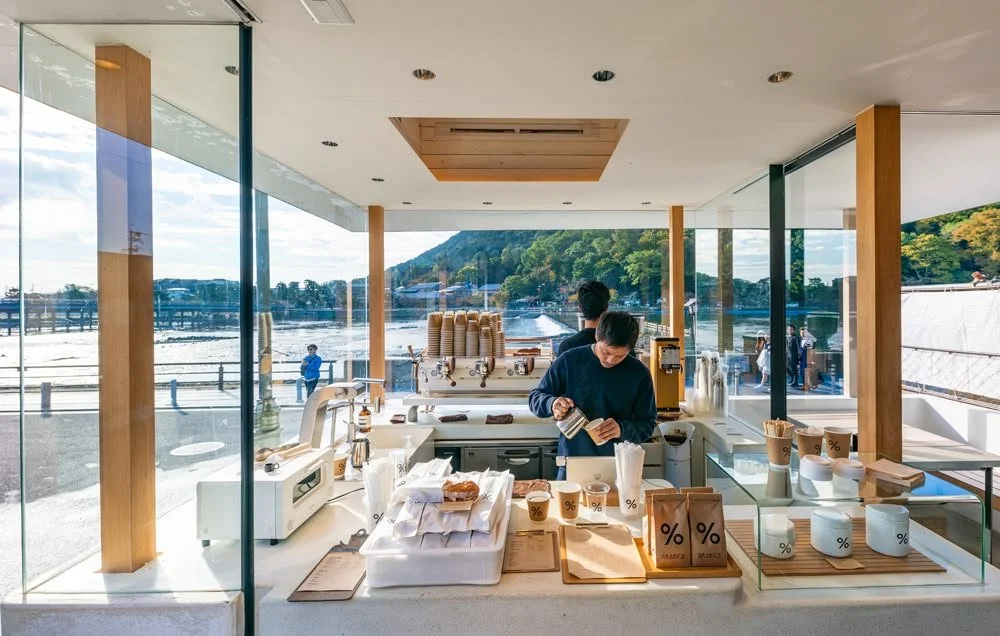
Image courtesy of Travel Caffeine
The most photographed coffee shop in Japan for a reason — an all-white corner space below Higashiyama with a single espresso machine and a view of stone steps and cedar trees. The owner trained under the World Barista Champion and it shows. Simple menu. Perfect execution. Always a line before 9am.
Sarasa Nishijin
Address: 634-1 Murasakino Minamifunaokamachi, Kita Ward, Kyoto
Vibe: Nostalgic, atmospheric, neighborhood
Price: $
Must-order: Morning set; daily curry; cafe au lait
Image courtesy of Sarasa Nishijin
A former public bathhouse turned kissaten in Kyoto's Nishijin weaving district. The original tile work is intact. The ceilings are high. The coffee is good and the food — curry, sandwiches, daily specials — is honest and generous. It feels like a preserved world, which in a way it is. The Nishijin neighborhood around it is worth the walk — quiet streets, textile shops, almost no tourists before noon.
Northern & Southern Islands
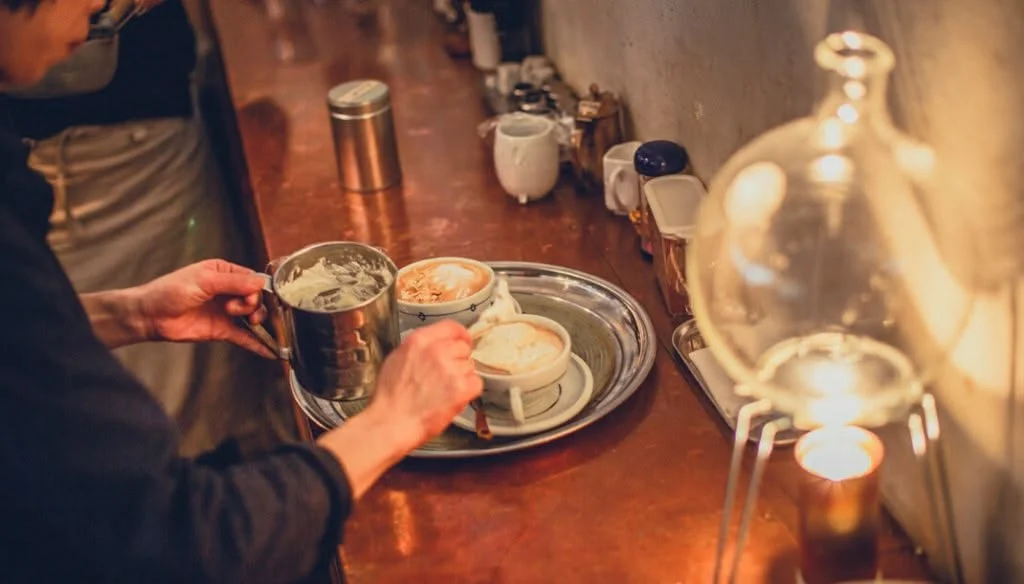
Morihico Coffee
Address: Multiple locations; Odori branch at Nishi 10, Chuo Ward, Sapporo
Vibe: Thoughtful, warm, specialist
Price: $$
Must-order: Single-origin drip; morning toast set with butter and jam; any seasonal blend
Image courtesy of Morihico Coffee
Sapporo's most serious specialty coffee roaster, with several locations around the city ranging from small neighborhood cafés to a larger, design-forward space in Odori. The beans are excellent, the interiors are warm and considered, and the morning sets are exactly what you want after a night that got cold. The roaster has been operating since 1996 and shows no interest in trends.
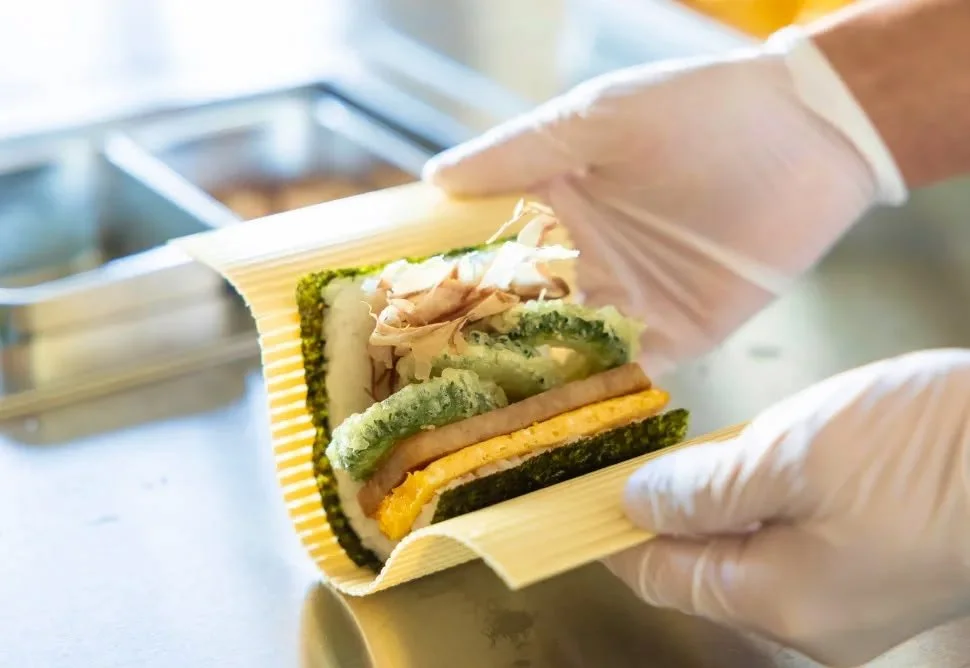
Pork Tamago Onigiri Honten
Address: 2-8-35 Matsuo, Naha, Okinawa (Makishi Market; airport domestic terminal branch also available)
Vibe: Fast, local, no-ceremony — Okinawan soul food in its most direct form
Price: $
Must-order: Classic pork and egg; shrimp tempura with tartar. Let the staff choose if you can't decide — every combination works.
Image courtesy of Pork Tomago Onigiri
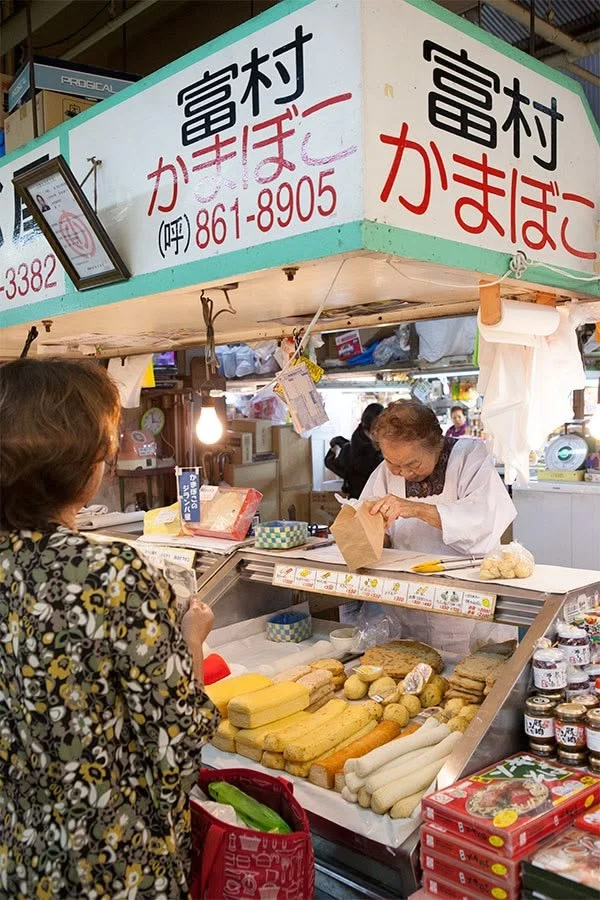
Okinawa's relationship with Spam is not ironic. It's historical — American military presence, wartime rationing, and a local palate that adopted the ingredient and made it completely its own. Pork Tamago Onigiri Honten is the purest expression of that story: a counter inside Makishi Market where staff in floral aprons hand-press onigiri to order, each one built on a thick slab of Spam and egg, wrapped tight with seaweed. The line is always there. It moves.
Street Eats
Cheap and legendary.
Tokyo & Central Honshu
Tsukiji Outer Market
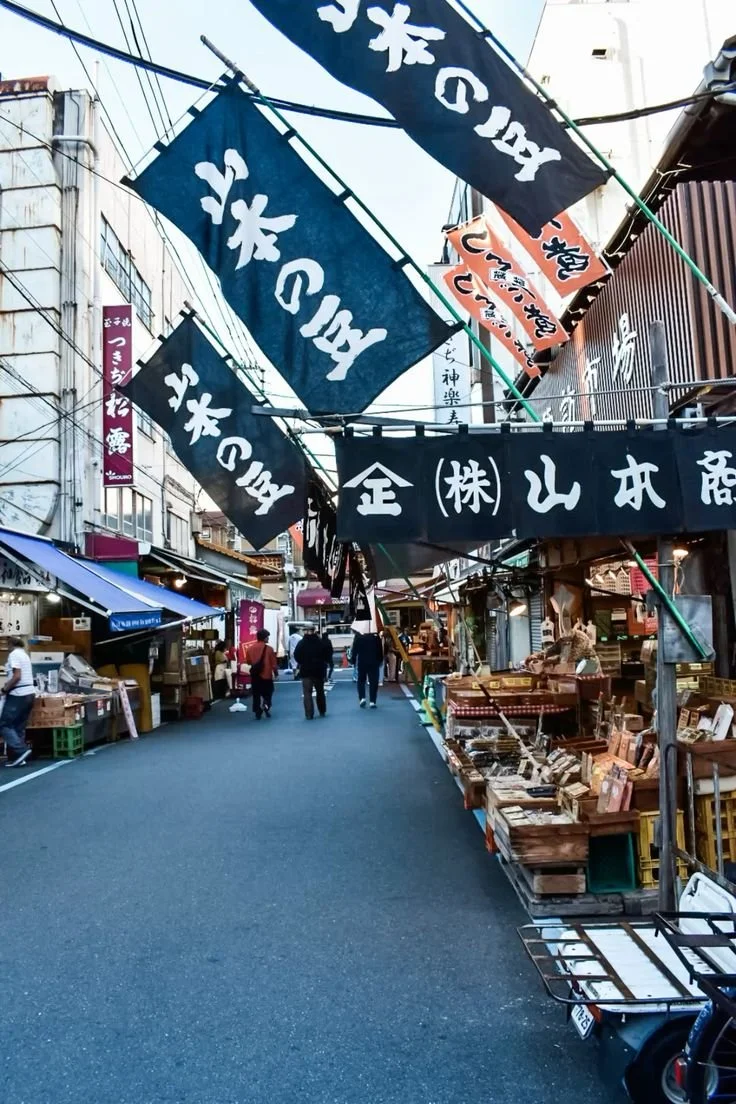
Address: 4-16-2 Tsukiji, Chuo City, Tokyo
Vibe: Market energy, early morning, no seats
Price: $
Must-order: Tuna hand roll from Tsuji-ya; tamagoyaki from Marutake; fresh oysters from any stall with a line; grilled scallop on a stick
Image courtesy of The Long Way Travel
The inner market moved to Toyosu. The outer market stayed, and it's still the right call for a morning in Tokyo. The stalls along Uogashi Yokocho open early — by 6am most of the tamagoyaki, uni, and tuna hand rolls are already going. It's crowded, it's a little chaotic, and the food is as good as anything you'll pay three times as much for elsewhere. Walk slowly, eat standing up, don't plan anything afterward.
Yurakucho Yakitori Alley
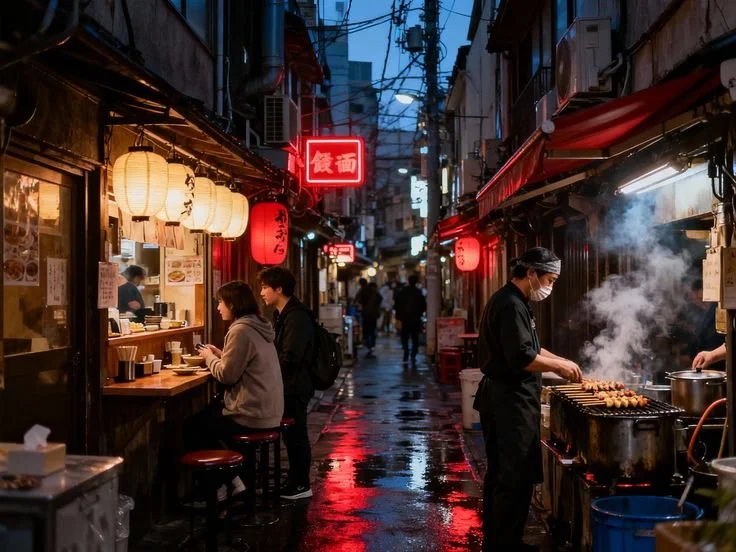
Address: Under the JR tracks between Yurakucho and Shimbashi stations, Chiyoda/Minato, Tokyo
Vibe: Postwar grit, smoke, perfectly casual
Price: $
Must-order: Negima (chicken and spring onion); tsukune (chicken meatball); liver for the brave; cold Sapporo draft
Image courtesy of Explore Japan Daily
Under the train tracks between Yurakucho and Shimbashi stations, a row of tiny yakitori stalls has been running since the postwar era and shows no signs of stopping. Smoke, salarymen, cold beer in plastic cups, skewers of chicken cooked over charcoal. The whole scene costs almost nothing and feels completely irreplaceable. Come after 5pm when the grills are hot and the trains rattle overhead every few minutes.
Nakamise-dori
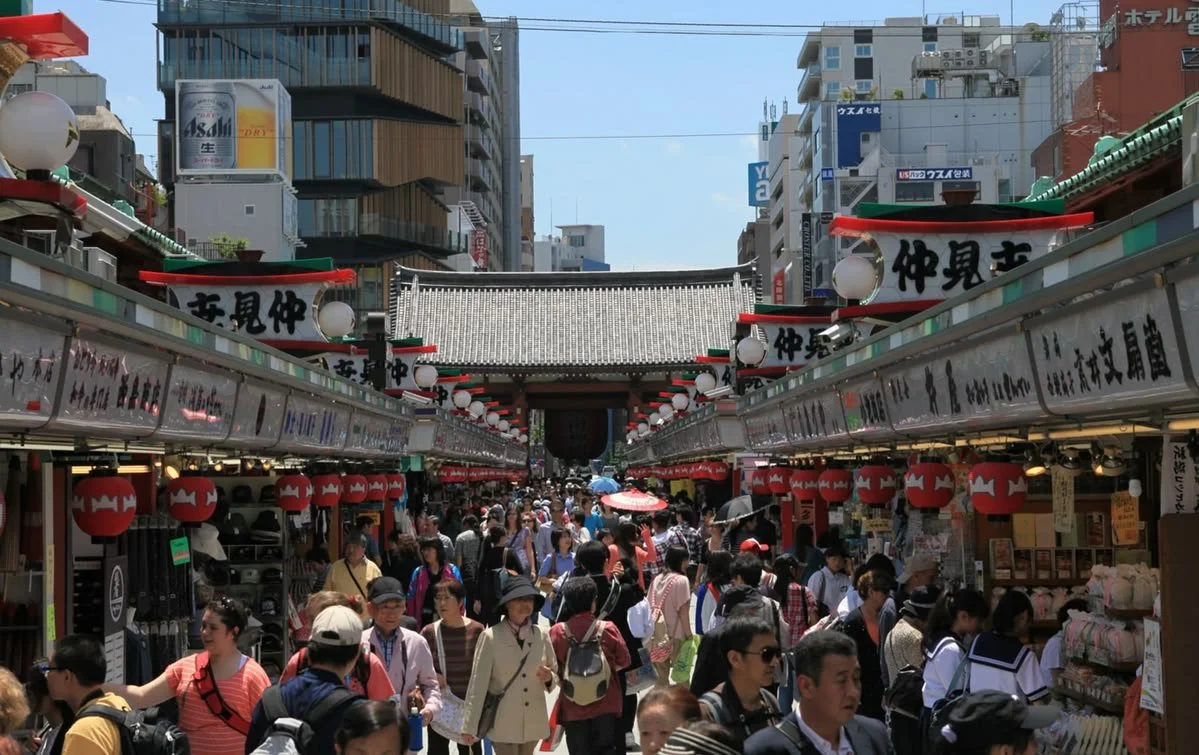
Address: Nakamise-dori, Taito City, Tokyo (leading to Senso-ji Temple)
Vibe: Historic, touristy but forgivable, genuinely delicious in spots
Price: $
Must-order: Fresh ningyo-yaki; age-manju (deep fried red bean bun); melonpan from the side streets
Image courtesy of JNTO
The approach to Senso-ji is lined with snack stalls that have been feeding visitors for centuries, and a few of them are genuinely worth stopping for rather than walking past. Ningyoyaki (small cakes filled with red bean paste molded into shapes) fresh from the mold, melonpan from the bakeries on side streets, ningyo-yaki hot from the iron. Skip the tourist-facing souvenir shops and focus on anything being cooked in front of you.
Ichiran Ramen
Address: Multiple locations; Shibuya, Shinjuku, and Harajuku are most convenient
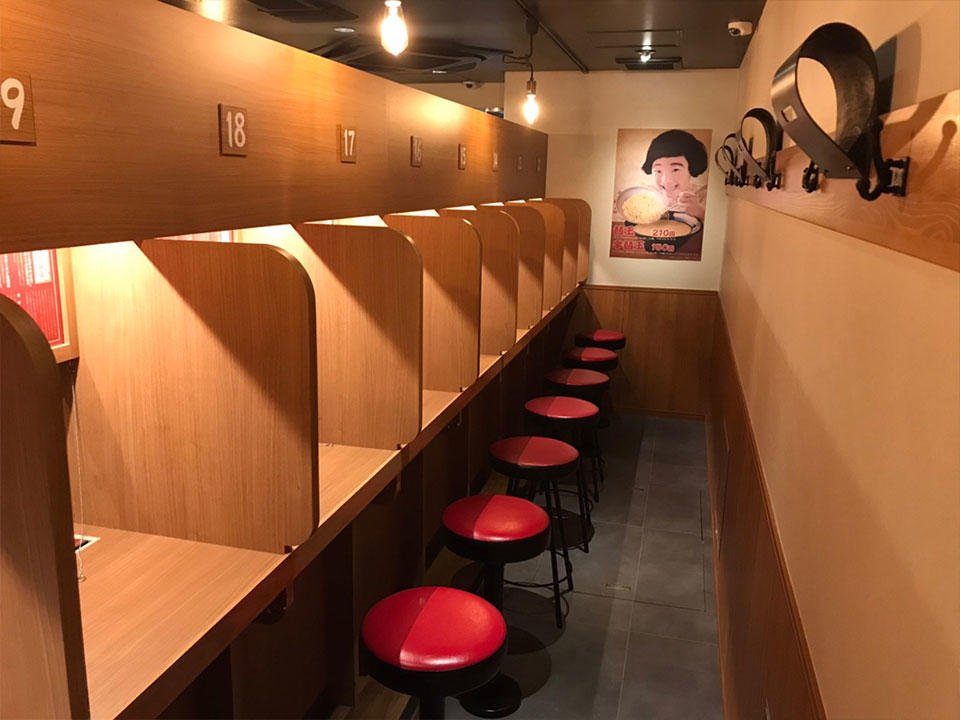
Vibe: Solitary, focused, oddly meditative
Price: $
Must-order: Tonkotsu ramen, fully customized; extra noodles if you want them; nothing else is on the menu
Image courtesy of JNTO
Ichiran is technically a chain. It is also one of the most efficient, intensely focused eating experiences Japan offers. You fill out a form specifying exactly how you want your tonkotsu — spice level, richness, noodle firmness, garlic, green onions — sit in a solo booth, lower a bamboo screen, and eat in complete, uninterrupted concentration. It sounds strange. It is absolutely correct. The ramen is excellent. The silence is a feature.
Kyoto, Kansai & The Inland Sea
Nishiki Market
Address: Nishiki Market, Nakagyo Ward, Kyoto (runs between Teramachi and Takakura)
Vibe: Dense, flavorful, centuries-old
Price: $
Must-order: Yudofu (simmered tofu) from Motoyu; tako tamago (octopus with quail egg) on a skewer; Kyoto pickles from any of the tsukemono stalls; fresh fu (wheat gluten) snacks
Image courtesy of Japan Guide
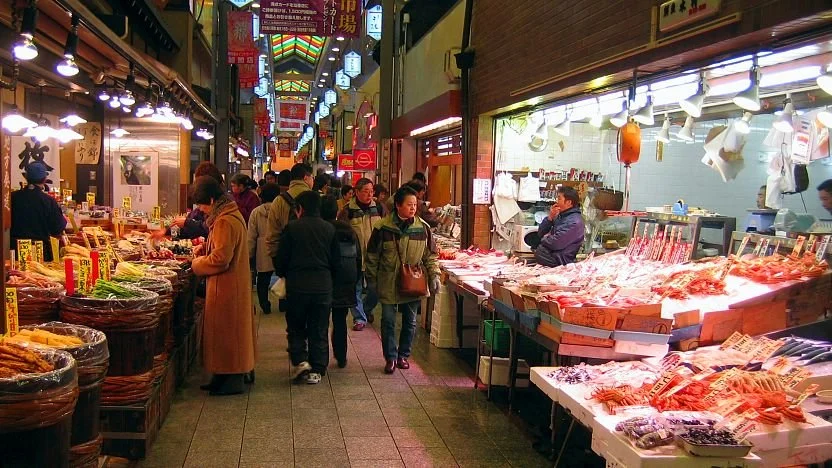
Nishiki is Kyoto's kitchen — a covered market running five blocks through the center of the city, dense with vendors selling pickles, tofu, fish, skewers, dashi, and things that don't translate. It's genuinely local despite the foot traffic. The best approach: no agenda, stop at anything with a line, eat standing up. Come before noon when stalls are fully stocked and vendors aren't packing down.
Dotonbori
Address: Dotonbori, Chuo Ward, Osaka (along the canal)
Vibe: Maximalist, loud, delicious
Price: $
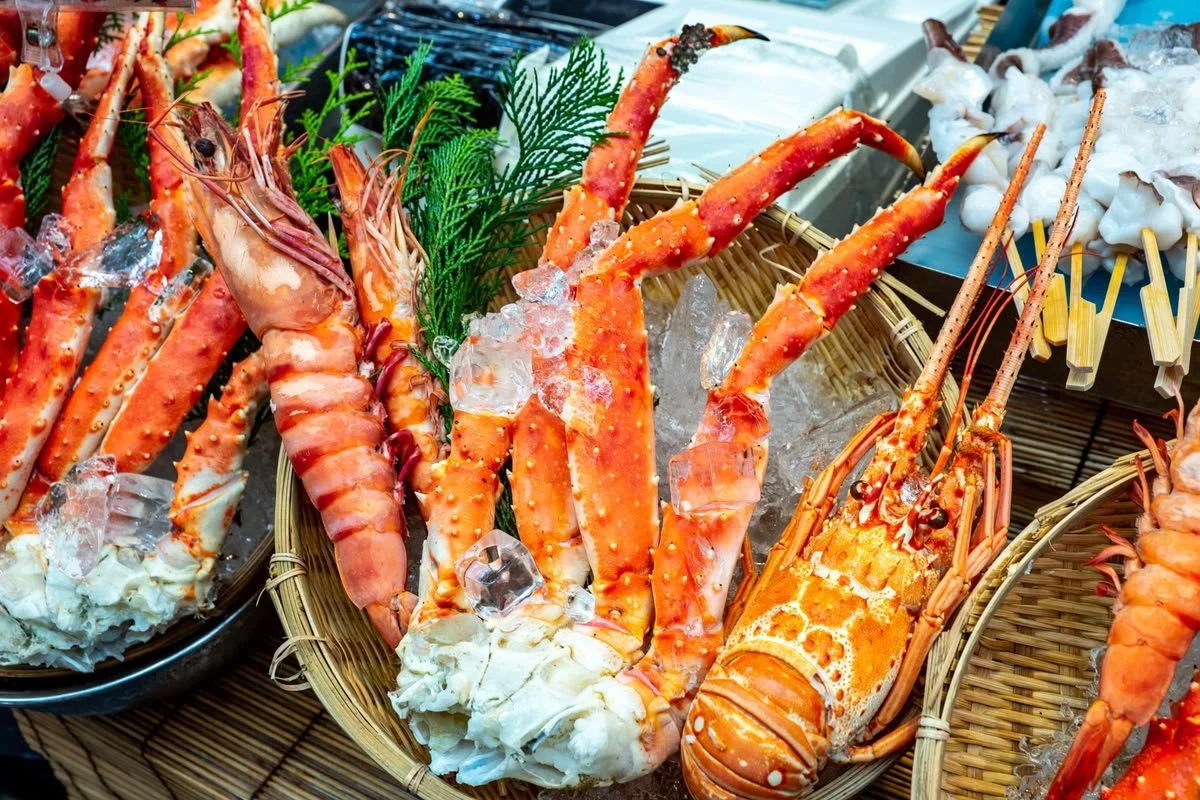
Must-order: Takoyaki from Wanaka or Aizuya; okonomiyaki at any counter that's full; kushikatsu from a standing bar; fresh crab legs if you want to spend a little more
Image courtesy of Dreamy World
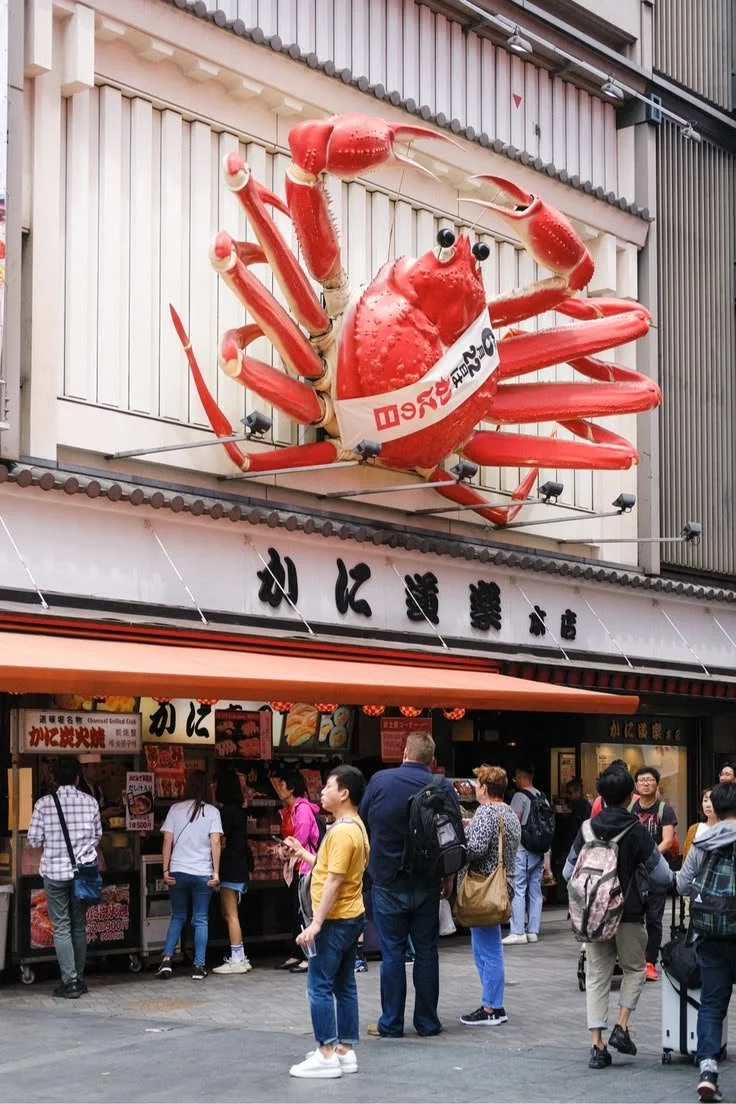
Osaka's most famous food street is loud and relentless and correct. The neon, the giant mechanical crab, the crowds — none of it is a gimmick because the food underneath it is genuinely excellent. This is where you eat takoyaki standing on the bridge, drink beer at 11am without anyone caring, and eat okonomiyaki at a counter where the grill is one foot from your face. Dotonbori doesn't do restraint. That's the point.
Kuromon Market
Address: 2-4-1 Nipponbashi, Naniwa Ward, Osaka
Vibe: Market chaos, incredible quality, eat-as-you-walk
Price: $
Must-order: Fresh sea urchin on rice; wagyu skewer; tuna sashimi cut to order; tamagoyaki on a stick
Image courtesy of Japan Guide
Osaka's answer to Tsukiji, but smaller, louder, and even more geared toward eating on the spot. Vendors sell directly from counters — wagyu, tuna, sea urchin, fugu — and most will prepare it for you immediately. The market has been operating since 1902 and the enthusiasm has not faded. Come hungry, bring cash, and plan to spend two hours going nowhere in particular.
Shinsekai, Osaka
Address: Shinsekai, Naniwa Ward, Osaka
Vibe: Retro, unpretentious, deeply local
Price: $
Must-order: Mixed kushikatsu set — onion, shrimp, asparagus, quail egg; cold Asahi; don't double-dip the sauce
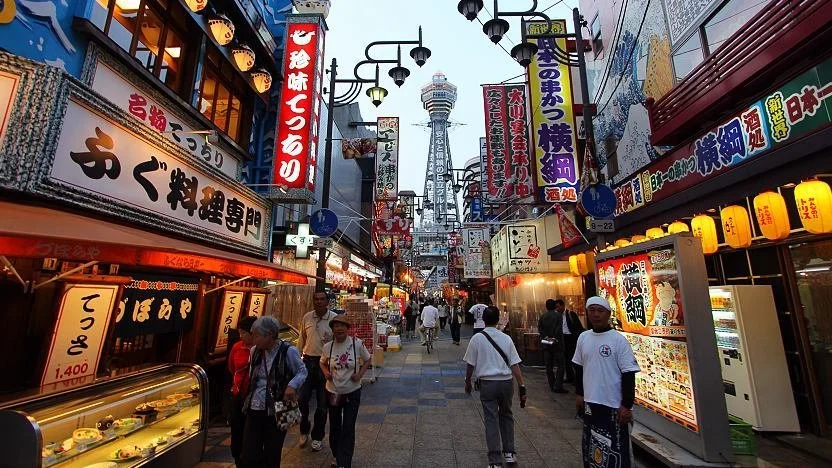
Image courtesy of Japan Guide
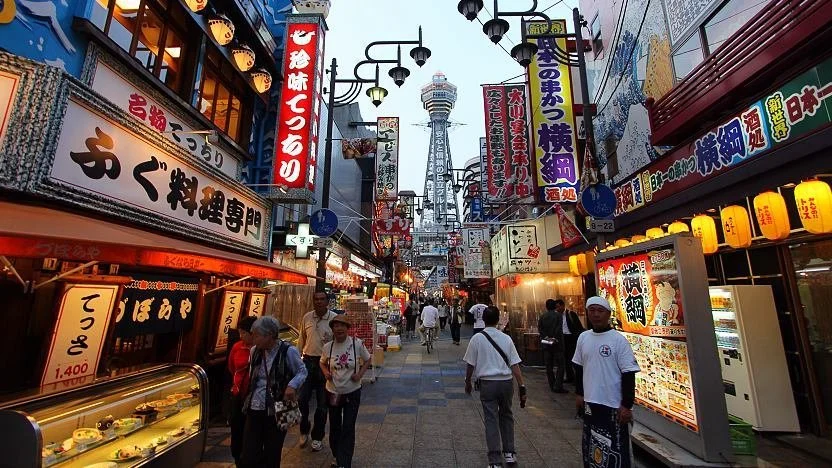
The neighborhood around Tsutenkaku Tower that tourists mostly pass through on the way to something else. Don't. Shinsekai is Osaka working-class food culture at its most concentrated: kushikatsu bars where you're handed a cup of communal sauce and told firmly not to double-dip, cheap beer, Taiwanese shaved ice, old men playing shogi. The whole area operates on its own frequency. A plate of kushikatsu and a beer costs about $10.
Northern & Southern Islands
Sapporo Ramen Alley
Address: Ramen Yokocho, South 5 West 3, Chuo Ward, Sapporo
Vibe: Narrow, smoky, old-school, correct
Price: $
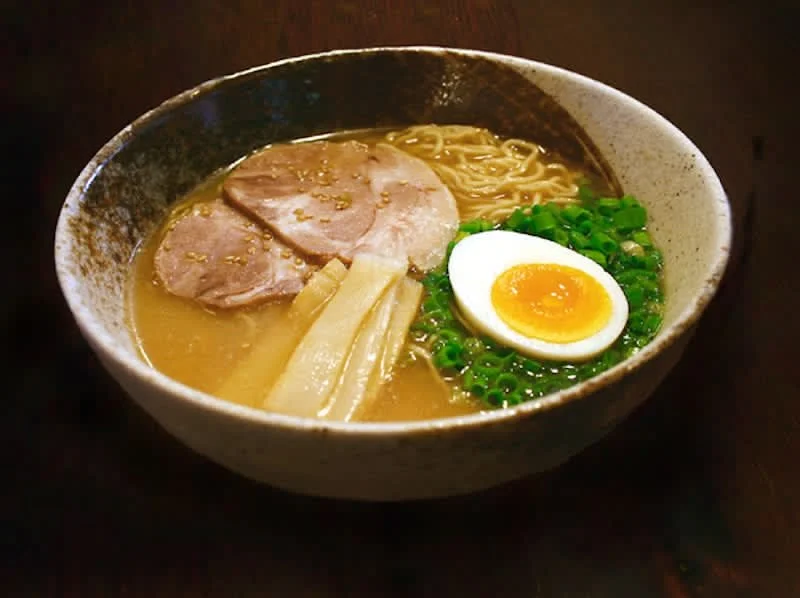
Must-order: Miso ramen with butter and corn; extra noodles; gyoza on the side from wherever has them
Image courtesy of JNTO
Ramen Yokocho in Susukino — a narrow alley barely wide enough for two people — has been running since 1951. Seventeen shops, all serving Sapporo-style miso ramen with corn, butter, and noodles built for weather that gets genuinely brutal. Each shop has its own recipe and loyal regulars. The right move is to arrive after 8pm when the alley is fully lit, pick the counter with the most locals, and order whatever the house specialty is. Do not overthink it.
Hakodate Morning Market
Address: Wakamatsucho, Hakodate, Hokkaido (adjacent to JR Hakodate Station)
Vibe: Early, cold, deeply worth it
Price: $
Must-order: Uni don (sea urchin on rice) — get two if the first one is good, and it will be; ikura (salmon roe); fresh squid sashimi
Image courtesy of Japan Guide
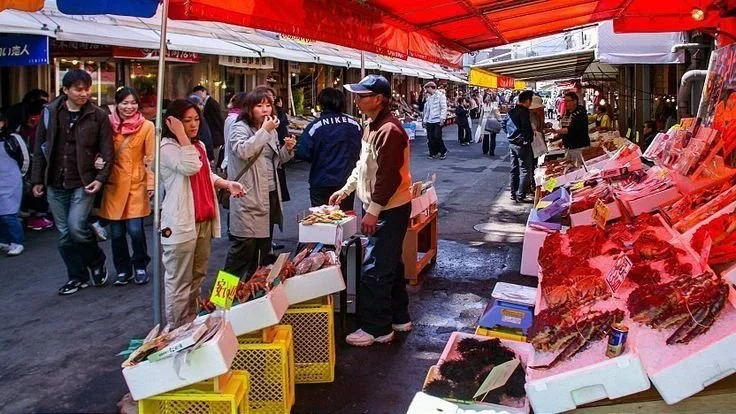
Hakodate's morning market opens at 5am and runs until noon, and the first two hours are the ones worth being awake for. The sea urchin from Hokkaido's waters is among the best in the world — briny, sweet, and nothing like what you've had elsewhere. Several stalls sell it direct on rice, in small bowls, with minimal ceremony. The squid tanks allow you to fish your own if that's the kind of morning you want to have. Get there early.
A&W
Address: Multiple locations across Okinawa; Naha airport branch is the most convenient
Vibe: American retro, island casual, genuinely fun
Price: $
Must-order: Root beer float in a frosted mug; Mozaburger (the local specialty); curly fries
Image courtesy of A&W Okinawa
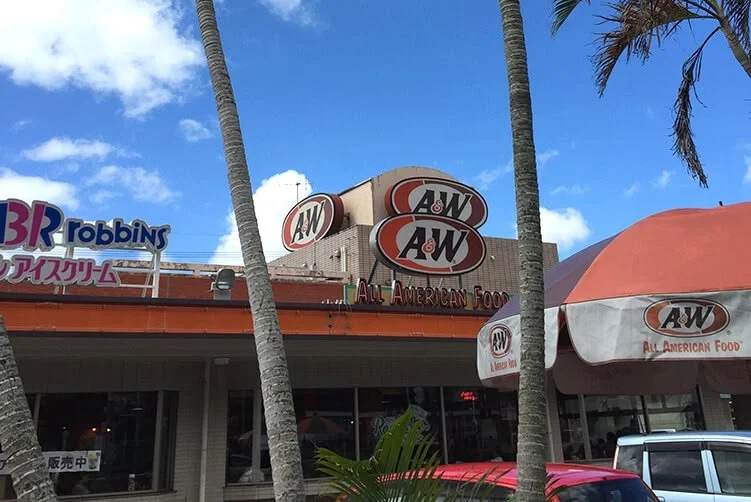
Every island has its own fast food logic and Okinawa's is A&W, which has operated here since 1963 — the first American fast food chain in Japan, introduced during the US occupation, and never left. The root beer is cold and comes in frosted mugs. The curly fries are correct. It is completely unpretentious and completely of this place. You will feel like you're in neither Japan nor America and that is the entire point of Okinawa.
Makishi Public Market
Address: 2-1 Matsuo, Naha, Okinawa (Makishi, near Kokusai-dori)
Vibe: Market, communal, interactive
Price: $
Must-order: Whatever looks strangest at the fish counter; mimi-gaa (pig ear salad) from the deli section; fresh sea grapes (umi-budo) eaten immediately
Image courtesy of Okinawa Island Guide
Naha's covered public market is the one where you buy your fish on the ground floor and take it upstairs to one of the restaurants to have it cooked. That's the entire system and it works perfectly. The fish counter sells everything from tuna to the bright-colored tropical fish unique to Okinawan waters. The restaurants upstairs charge a small cooking fee. Bring something you've never seen before and ask what to do with it.
Coffeeshops
We’re talking about weed.
Boerejongens
Address: Several locations (Utrechtsestraat, Baarsjesweg, Sloterdijk)
Vibe: Sleek, high-end, almost like a designer pharmacy. Staff in white coats, clear menus, polished interiors — cannabis with a luxury touch.
Price: €€€
Must-order: White Choco block hash or their premium kush strains.
Boerejongens has reinvented what a coffeeshop can feel like: professional, elevated, and stylish. It’s the opposite of the grungy stereotype, making it a favorite for those who want a premium, design-forward cannabis experience. Think of it as the haute couture version of Amsterdam weed culture.

Image courtesy of Boerejongens
Abraxas
Address: Jonge Roelensteeg 12-14, 1012 PL Amsterdam
Vibe: Mystical, artistic, and slightly otherworldly. Multi-level space with carved wood, stained glass, and ambient music.
Price: €€€
Must-order: Their Jack Herer strain or a hash joint.
Abraxas feels like stepping into a fantasy den — lots of carved detail, incense, and soft lighting. It’s one of the most atmospheric coffeeshops in town, known as much for its setting as its menu. A good choice if you want a memorable, immersive environment alongside quality cannabis.

Image courtesy of Abraxas
Dampkring
Address: Handboogstraat 29, 1012 XM Amsterdam
Vibe: Famous, bohemian, slightly trippy. Known globally as the coffeeshop featured in Ocean’s Twelve.
Price: €€€
Must-order: Amnesia Haze or NY Diesel.
Dampkring has a playful, psychedelic interior with warm wood, swirling designs, and a vibrant atmosphere. It’s large by Amsterdam standards and draws both locals and tourists who want a mix of quality cannabis and cinematic fame. A good mid-day stop with plenty of energy.

Image courtesy of Dampkring
Coffeeshop Amsterdam
Address: Haarlemmerstraat 44, 1013 ES Amsterdam
Vibe: Modern, bright, and spacious compared to most. More lounge than dive, with contemporary interiors and a younger crowd.
Price: €€€
Must-order: Their house strains like Amsterdam Genetics’ White Choco or Kosher Tangie Kush.
Coffeeshop Amsterdam strikes a nice balance between atmosphere and quality. It feels modern and comfortable — a good place to actually hang out and relax, not just buy and leave. Their menu, curated by Amsterdam Genetics, is consistently strong.

Image courtesy of Sjefietshe
Tweede Kamer
Address: Heisteeg 6, 1012 WC Amsterdam
Vibe: Cozy, old-school, intimate. Known for being one of the first true connoisseur shops, with a relaxed, authentic feel.
Price: €€
Must-order: Their Amnesia Haze or Nepalese hash.
Tweede Kamer has been part of the coffeeshop scene since the 1980s and retains a local, down-to-earth atmosphere. The staff are knowledgeable and genuinely helpful in guiding choices. It’s small, with only a few tables, but the focus here is on quality and authenticity.

Image courtesy of Tweede Kamer
The Bulldog
Address: Oudezijds Voorburgwal 90, 1012 GG Amsterdam
Vibe: Tourist-friendly, historic, lively. The city’s first coffeeshop, opened in 1975, with a bar-like energy.
Price: €€
Must-order: A classic pre-rolled joint, or try a Bulldog space cake for the experience.
The Bulldog is a rite of passage for first-timers. It’s not where locals go for the very best product, but it’s fun, central, and part of Amsterdam’s cannabis history. Expect energy, chatter, and lots of people ticking it off their list.

Image courtesy of Bulldog
Barney’s Coffeeshop
Address: Haarlemmerstraat 102, 1013 EW Amsterdam
Vibe: Award-winning, stylish, and a little more upscale than most. Housed in a 500-year-old building with polished wood interiors.
Price: €€€
Must-order: Their G13 Haze or Cookies Kush are staples.
Barney’s is one of the most professional and polished cannabis destinations in Amsterdam. The staff know their menu inside and out, and the strains regularly win international awards. It’s a great place for someone who wants quality with a touch of sophistication rather than a backpacker vibe.

Image courtesy of Barney’s Coffeeshop
Grey Area
Address: Oude Leliestraat 2, 1015 AW Amsterdam
Vibe: Legendary, compact, and cult-classic. Small, no-frills interior but buzzing with locals and international cannabis aficionados.
Price: €€
Must-order: Famous for their strong sativa strains — try the Grey Haze or whatever the day’s top shelf is.
Grey Area is one of the city’s most iconic coffeeshops, frequented by connoisseurs and even musicians passing through on tour. It’s tiny, so don’t expect to sit forever, but the quality is exceptional and consistently praised. If you’re looking for potency and reputation, this is the spot.

The Night Starts Here
The best kind of pregame.
The Siren
Address: Rokin 83, 1012 LN Amsterdam
Vibe: Maximalist Mediterranean meets nightlife theatre. Warm materials, bold design, gold accents, statement pieces.
Price: €€€€
Must-order: Lobster Linguine
The Siren makes the opening act feel like a headline. You want somewhere where the décor, the presentation, the food, and the drinks all feel like part of an experience. For nights where “ordinary dinner” isn’t enough.

Image courtesy of The Siren
Secret Garden
Address: Reguliersdwarsstraat 38, 1017 BM Amsterdam
Vibe: Exotic, lush décor blending green elements, art, nightlife aesthetic. There’s a bar/lounge + fine dining + DJ components. Feels like stepping into something special.
Price: €€€
Must-order: Any ceviche and the esquites corn salad.
Secret Garden is perfect for the kind of night where you want dinner that feels elevated, but you also want anticipation: music, drinks, potential for after-hours. It balances refinement and revelry.

Image courtesy of Secret Garden
Canvas At Volkshotel
Address: Wibautstraat 150, 1091 GR Amsterdam (Amsterdam East)
Vibe: Multi-level creative hotel with bars, restaurants, rooftop views, and performance spaces. Starts more relaxed, dinner + drinks, then moves into late-night dancing.
Price: €€€
Must-order: Spring Salad and Burrata
Volkshotel is a scene. It allows you to start beautifully (food, view, drink) but with obvious outlets for people who want more energy later. It’s good for larger groups with mixed agendas (some want to dance, some want to talk), because you can ebb and flow.

Image courtesy of Volkshotel
W Lounge
Address: Spuistraat 175, 1012 VN Amsterdam
Vibe: Rooftop terrace vibes, luxurious design, good mix of locals and visitors, strong cocktails. Ambience that works before and after dinner: glamorous but not intimidating.
Price: €€€
Must-order: Jumbo shrimp salad.
W Lounge gives you the height, the view, the energy rising with the night. Excellent when you want atmosphere + style + a gradual crescendo. Solid choice if you’re starting with dinner, and don’t want to lose momentum.

Image courtesy of W Lounge
Super Lyan
Address: Nieuwezijds Voorburgwal 3, 1012 RC Amsterdam (Kimpton De Witt Hotel)
Vibe: Bold, colorful, playful cocktail bar with global acclaim (an outpost of London’s White Lyan). It’s experimental but still accessible — music, energy, and a crowd that’s already gearing up for a night out.
Price: €€€
Must-order: The Beeswax Old Fashioned and halloumi fries.
Super Lyan sets the mood instantly: it’s inventive, stylish, and already buzzing by early evening. Drinks here are crafted with precision but designed to be fun, not intimidating. Pair with snacks or head here post-dinner — either way, it’s the kind of cocktail bar that bridges the gap between dining and dancing.

Image courtesy of Sjefietshe
Ventuno
Address: Amstelvlietstraat 4, 1096 GG Amsterdam (21st floor of Ruby & Emma Hotel)
Vibe: Glamorous rooftop, dramatic skyline views, Italian-American inspired food with flair. Cocktails + live entertainment every evening.
Price: €€€
Must-order: The truffle steak tartar.
Ventuno feels like a statement. It’s not about underground: it’s high style, elevated energy. Perfect for arriving early, soaking in views, making cocktails feel cinematic, and then leaning into the night from there.

Image courtesy of Ventuno
Soulkitchen
Address: Amstelstraat 30, 1017 DA Amsterdam
Vibe: Nikkei fusion cuisine meets club energy. Starts as beautifully curated dinner + cocktail lounge, then gradually the lights dim, DJs spin, and it becomes a full party space.
Price: €€€
Must-order: Try their ceviche & tiradito dishes.
Soulkitchen works beautifully as a “dinner that turns up” spot. It’s polished yet warm, energetic without being exhausting too early. Great friends group energy, good food so you don’t need to eat elsewhere first, and a flow that carries you into the night.

Image courtesy of Soulkitchen
Supperclub
Address: Singel 460, 1017 AZ Amsterdam
Vibe: Lavish, theatrical, immersive. Supperclub is legendary for its white beds, shared tables, surprise acts and performances, all wrapped up in a sensory-rich environment that demands attention.
Price: €€€€
Must-order: A full surprise 5-course “dinnershow” menu
Supperclub is ideal when you want your pre-game to feel like an event. You start with dinner that already feels over the top — artistic, dramatic, special — and by the end the space has transformed. It’s one of the rare spots where you could stay from early evening well past midnight without feeling like you’ve peaked too early. Perfect for setting a high-energy tone.

Image courtesy of Supperclub