Kyoto, Kansai
& The Inland Sea
Kyoto, Kansai & The Inland Sea.
A thousand-year-old capital that still runs on its own clock, a city that eats better than anywhere in Japan, and a stretch of sea with islands most people fly over without knowing they're there. You could spend a week in Kyoto and not scratch it. You could eat your way through Osaka in three days and come back for more. And the Inland Sea — Naoshima, Teshima, Setoda — is the part of Japan that changes how you think about the rest of it.
This is the region's edit. Where to eat, where to sleep, what's actually worth your time.
Every Moment, Considered.
Need To Know
-
Spring (late March–early April) is cherry blossom season and it's as beautiful as everyone says — which also means it's as crowded as everyone says. Book everything months ahead or just accept that you're sharing it with the world.
Autumn (mid-November) is arguably better — the foliage in Kyoto's temple gardens is genuinely one of the most beautiful things you'll see anywhere, and the crowds are slightly more manageable.
Summer is hot, humid, and full of festivals that are worth the sweat if you plan around them.
Winter is underrated — fewer tourists, clear skies, and a quiet Kyoto that feels like it belongs to you. January and February in Kyoto on a weekday morning is the city at its most itself.
-
Kyoto is the obvious anchor and the right one — base yourself in Gion or Higashiyama if atmosphere is the priority, or Nakagyo if you want to be central and walkable to everything.
Osaka is 15 minutes away by Shinkansen and worth a night or two specifically for the food and nightlife — it's a completely different energy and the contrast makes both cities better.
For the Inland Sea, Onomichi is the gateway — stay there or take the ferry directly to Naoshima or Setoda. Don't try to do all of it in one trip. Pick your lane.
-
Everyone comes to Japan for Kyoto. The ones who come back add Osaka to the itinerary. It's louder, grittier, and significantly less precious — and the food is better than anywhere else in the country, including Tokyo, depending on who you ask.
Dotonbori at midnight with a beer and a takoyaki skewer is one of those travel moments that doesn't make it into the guidebooks but stays with you for years. Give it at least one full day.
Two if you eat the way we do.
Hala Hit List
Dark wood booths, white-jacketed staff, coffee that comes with cream and sugar already in it because that's how Kyoto does it. Open since 1940. Don't argue with the system.
Inoda Coffee, first thing
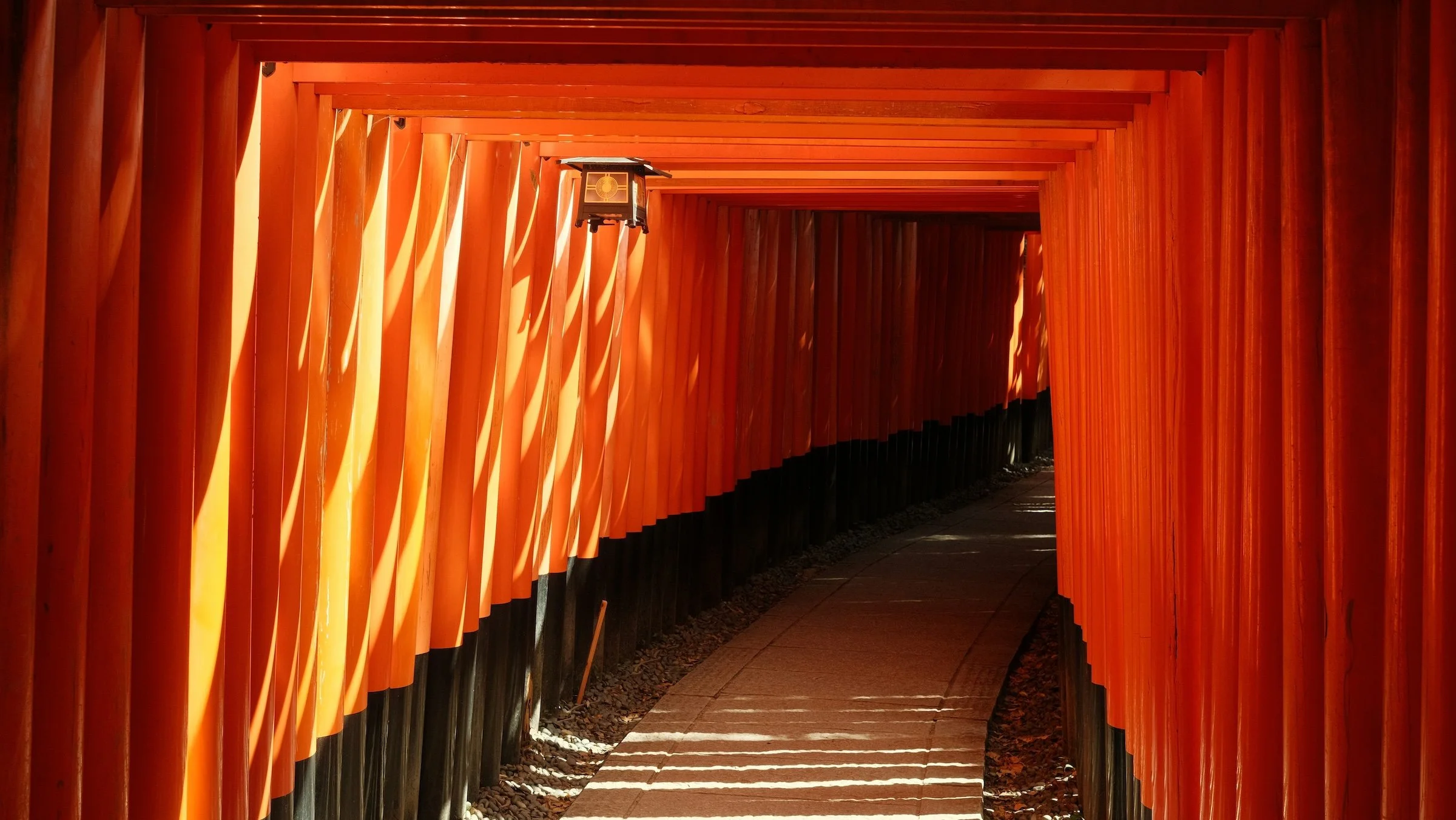
Fushimi Inari at dawn
Everyone goes. Almost nobody goes past the first twenty minutes. The mountain is yours after that. Set an alarm.
Wood-fired, seasonal, completely its own thing. The least Kyoto restaurant in Kyoto, but trust us, this is exactly why it works.
Dinner at Monk
A night at Sowaka
Twenty-three rooms in a restored machiya two minutes from Yasaka Shrine. The kind of place you book once and spend the next year trying to get back to.
Kuromon Market, Osaka
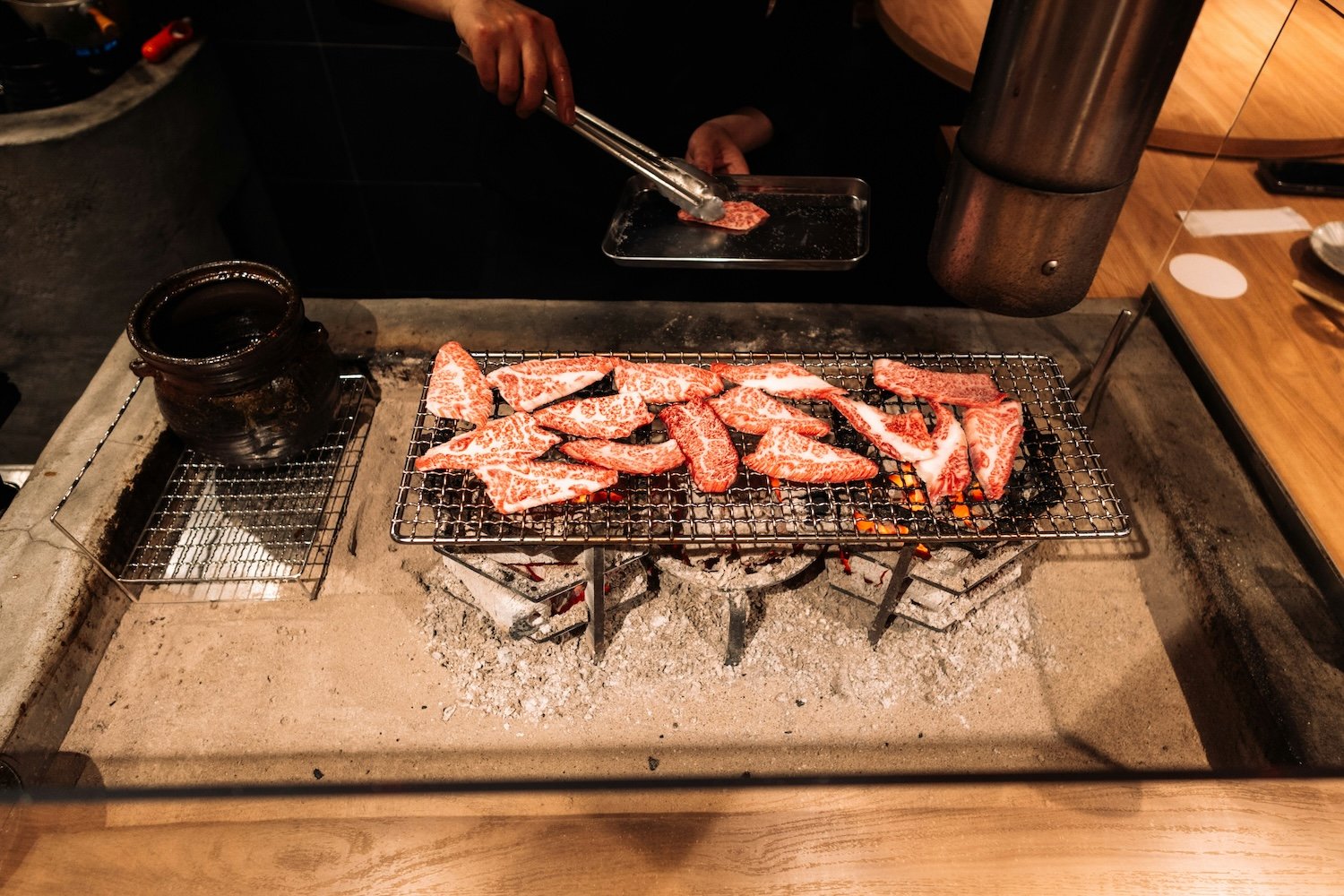
Show up hungry. Point at things. Eat sea urchin on rice standing up at a counter. This is what Osaka actually is.
The ferry to Naoshima
Get on it. Bring nothing you don't need. Explore the museums, views, and architecture. Stay longer than you planned.
If You Have 48 Hours
ARRIVE AND BREATHE
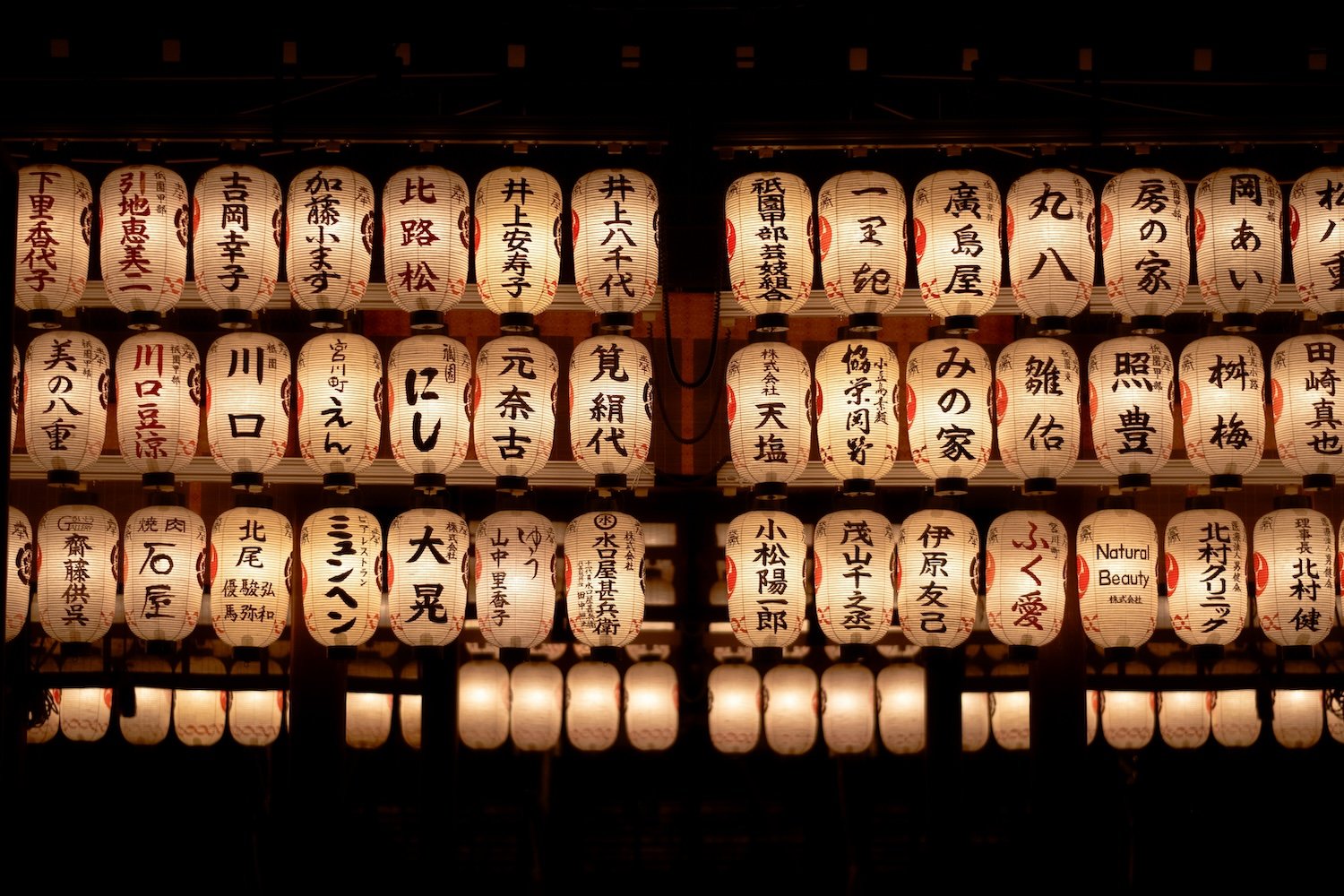
Check into Sowaka in Gion — if it's sold out, Ace Hotel Kyoto is the move. Drop your bags and walk. No agenda, just the backstreets of Higashiyama — stone lanes, paper lanterns, the smell of incense from somewhere you can't locate. Stop at Arabica below the temple steps for coffee. Dinner at Monk near the Philosopher's Path — wood-fired, seasonal, book ahead. Walk back through Gion after dark. It looks exactly like it's supposed to.
GOLDEN HOUR AND LATE NIGHT
Bee's Knees for cocktails — eight seats, Kyoto's best bar, the kind of place you find and immediately want to tell everyone about. Then Shinpuku Saikan when you're hungry again. It's open late, it costs almost nothing, and the soy ramen is exactly right at midnight. This is Kyoto after dark and most people completely miss it.
MARKETS & TEMPLE
Up early. Nishiki Market before the crowds — tako tamago on a stick, fresh pickles, whatever looks good. Walk south to Fushimi Inari and keep going past the point everyone else turns back. The mountain is yours after the first fork. Take your time. Afternoon: Kagizen Yoshifusa for kuzukiri and tea. Slow down. You're in Kyoto.
EAT OSAKA, COME BACK
Take the 15-minute train to Osaka. Kuromon Market for lunch — sea urchin on rice, wagyu skewer, eat standing up. Walk to Dotonbori, get takoyaki from Wanaka, have a beer by the canal. Back in Kyoto for dinner at Kikunoi if you planned ahead — this is the kaiseki meal that justifies the whole trip. If not, Gion Uokeya U is the right call. Neither will disappoint.
Where We Eat
Our Go To’s
Easy. Casual. Reliable. Delicious.
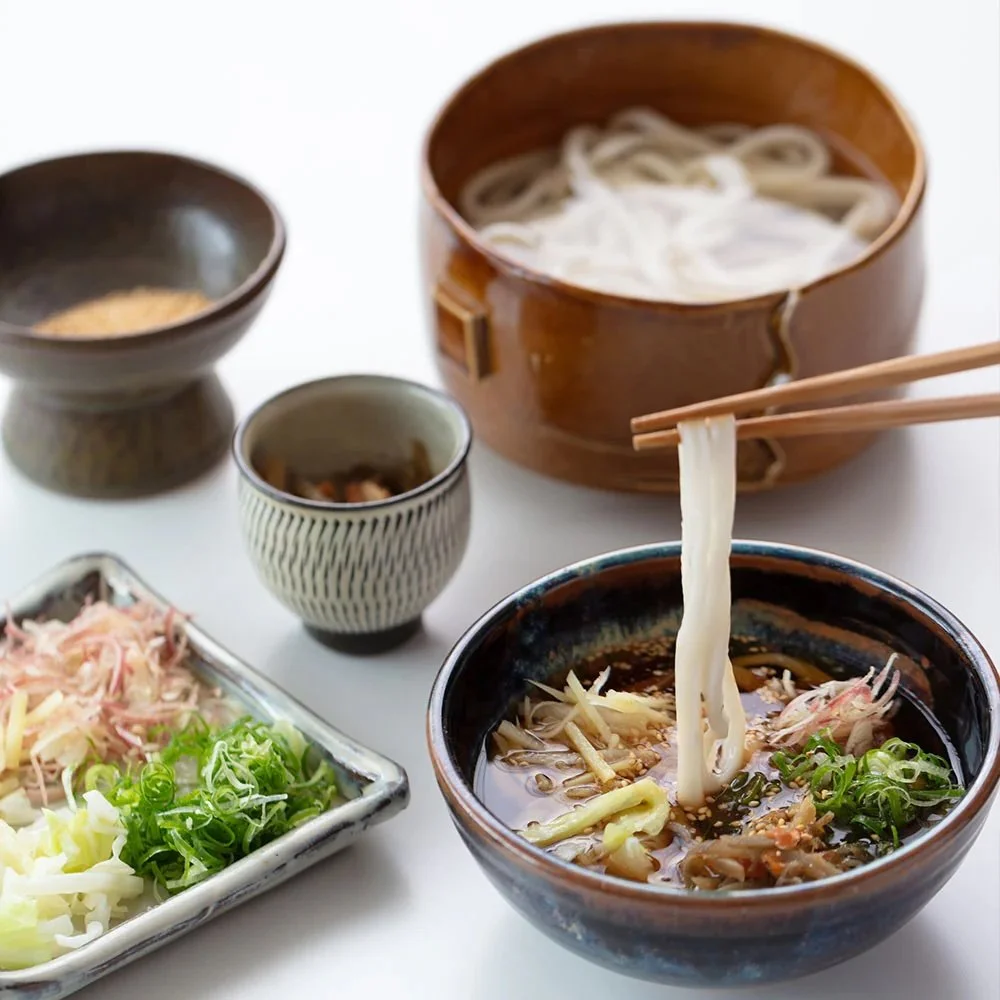
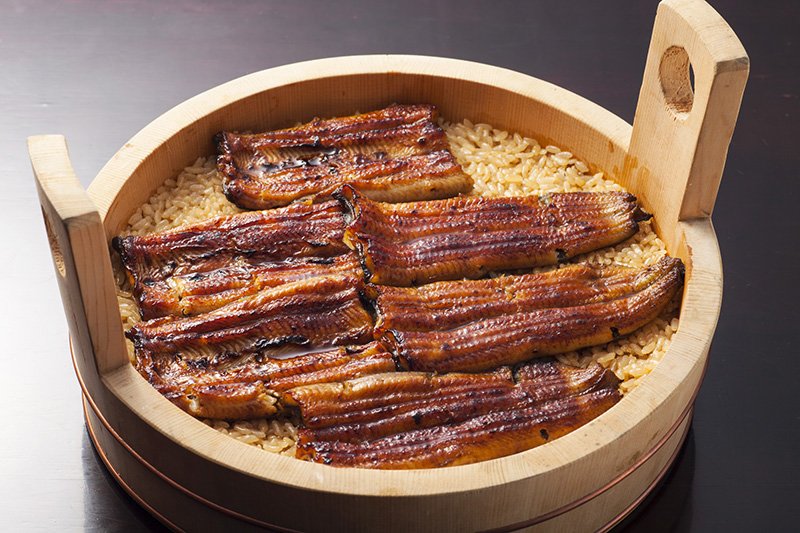
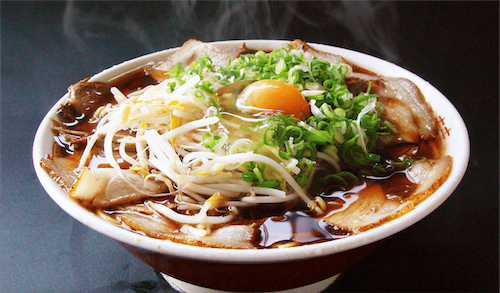
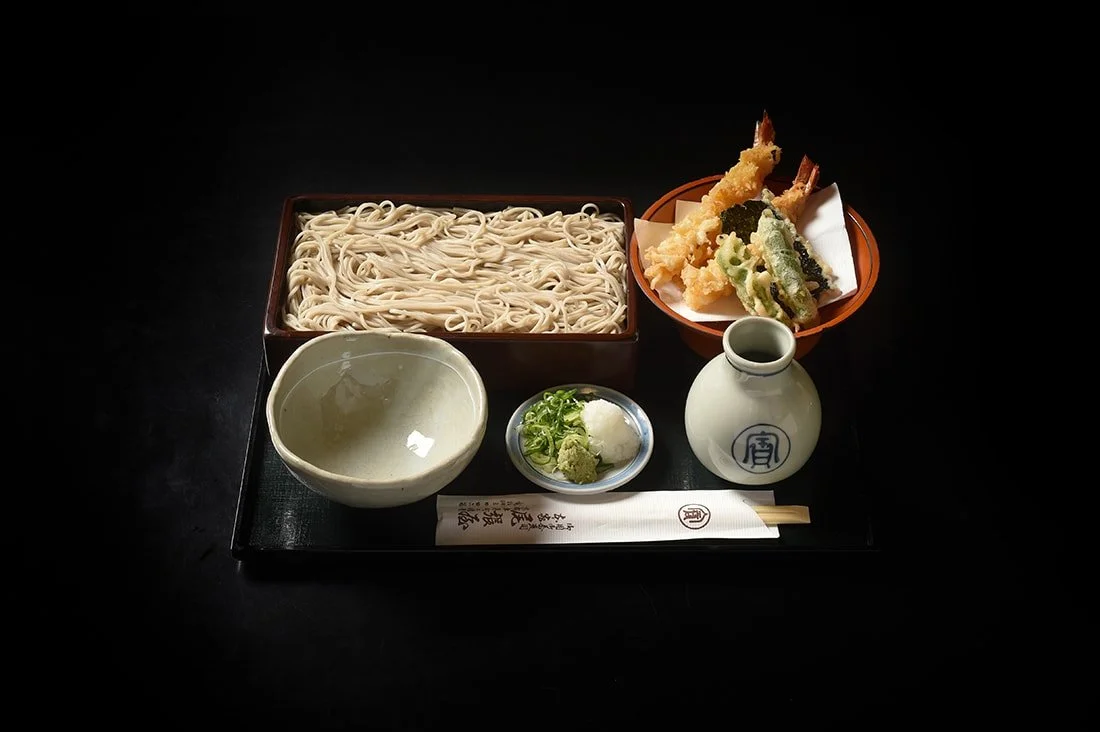
Omen
Address: 74 Okazakiminamigoshocho, Sakyo Ward, Kyoto
Vibe: Calm, traditional, quietly local
Price: $
Must order: Cold udon with seasonal vegetables; sesame dipping sauce
Omen is Kyoto casual done right. The udon is perfectly chewy, the vegetables are pristine, and everything feels thoughtful without tipping into formality. It’s restorative, light, and ideal after a day of temples — exactly the kind of place that becomes a reliable habit.
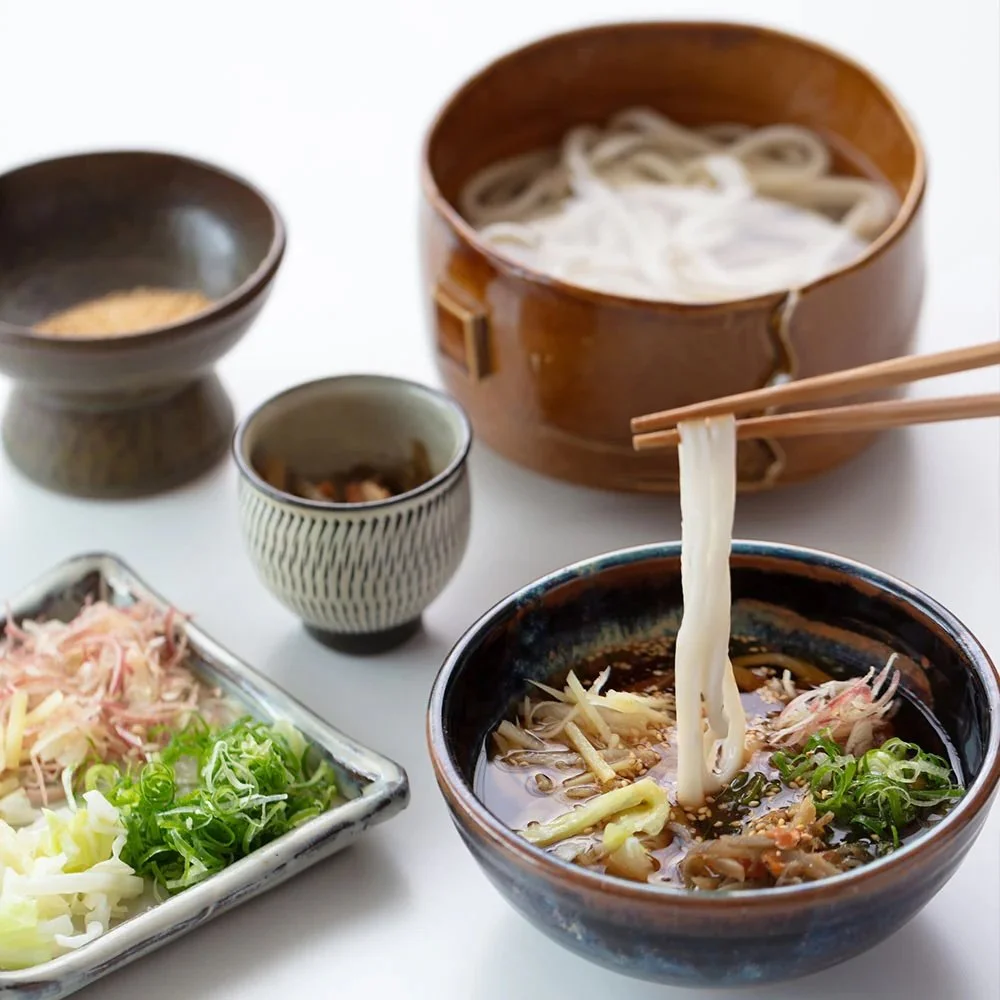
Image courtesy of Omen
Gion Uokeya U
Address: 570-122 Gionmachi Minamigawa, Higashiyama Ward, Kyoto
Vibe: Traditional, unfussy, neighborhood favorite
Price: $$
Must order: Seasonal set meals; grilled fish is a must
A low-key alternative to Kyoto’s more formal kaiseki rooms, Uokeya U offers seasonal cooking with warmth and ease. The food is precise but comforting, and the atmosphere feels genuinely local rather than staged.
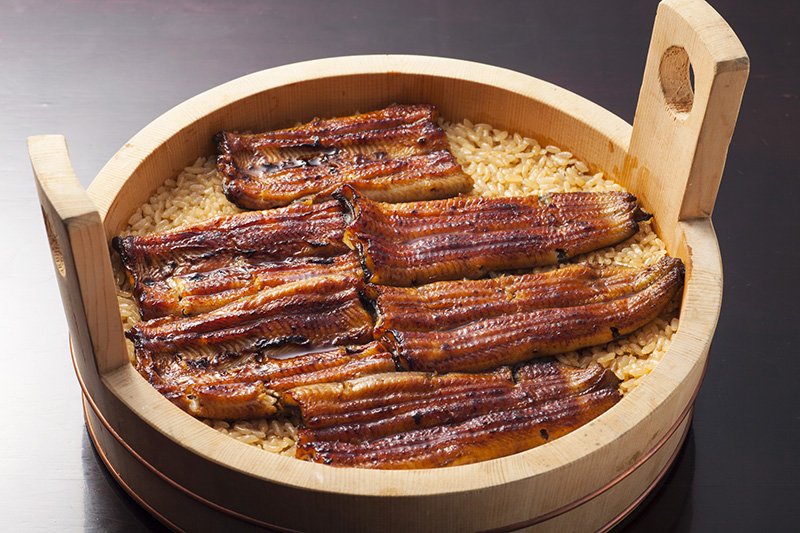
Image courtesy of Gion Uokeya U
Honke Owariya
Address: 322 Kamiosaka-cho, Nakagyo Ward, Kyoto
Vibe: Historic, understated, old-school
Price: $
Must order: Tempura soba; herring soba
One of Kyoto’s oldest restaurants, Owariya remains quietly excellent. The soba is delicate, the broths are restrained, and the experience feels timeless rather than touristic. A dependable classic for lunch or an early dinner. They don’t take reservations, so be prepared to wait.
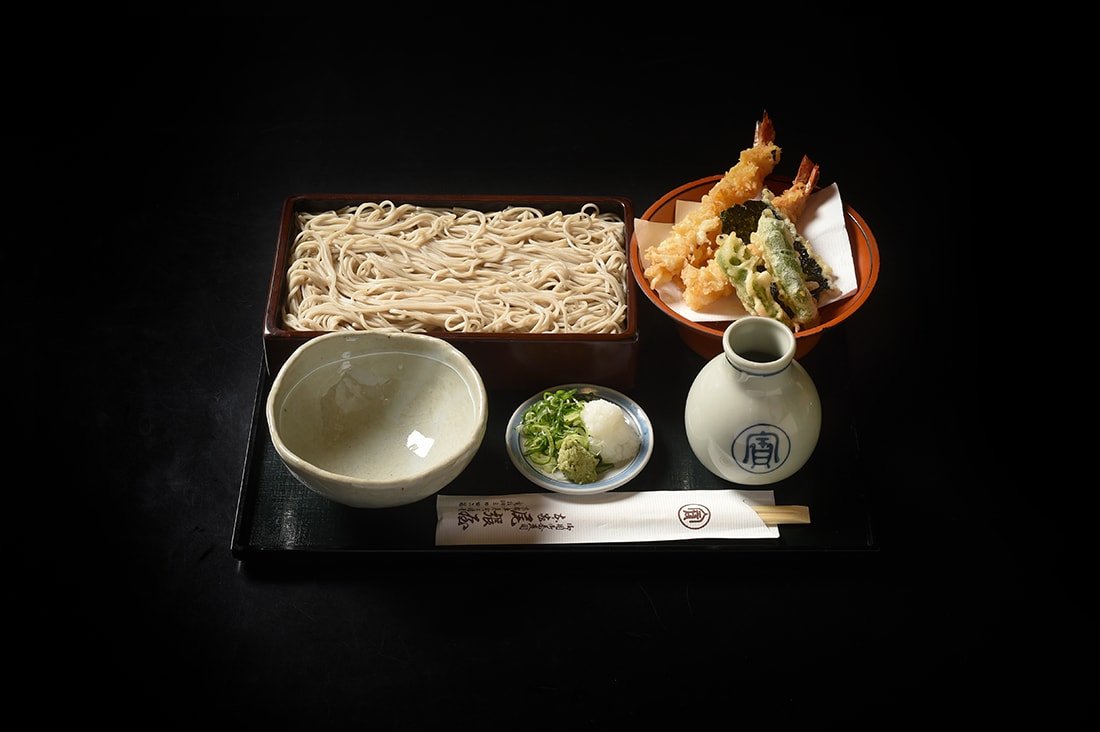
Image courtesy of Honke Owariya
Shinpuku Saikan
Address: 569 Higashidaimonjicho, Shimogyo Ward, Kyoto
Vibe: No-frills, local, late-night friendly
Price: $
Must order: Classic soy-based ramen; fried rice on the side
A Kyoto institution that’s open when many others aren’t. The broth is dark, savory, and deeply comforting — especially good after a long day or late night. It prioritizes authenticity over complexity. It’s casual, fast, and completely unpretentious.
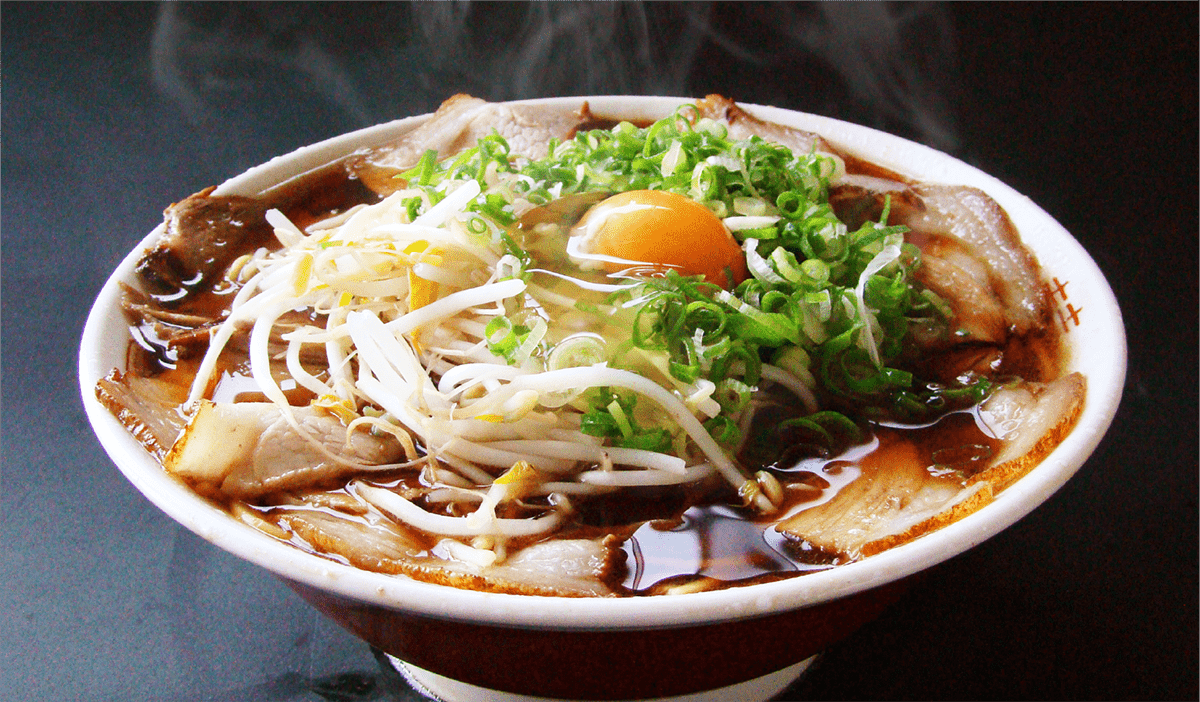
Image courtesy of Shinpuku Saikan
Mizuno
Address: 1-4-15 Dotonbori, Chuo Ward, Osaka
Vibe: Bustling, classic Osaka energy
Price: $
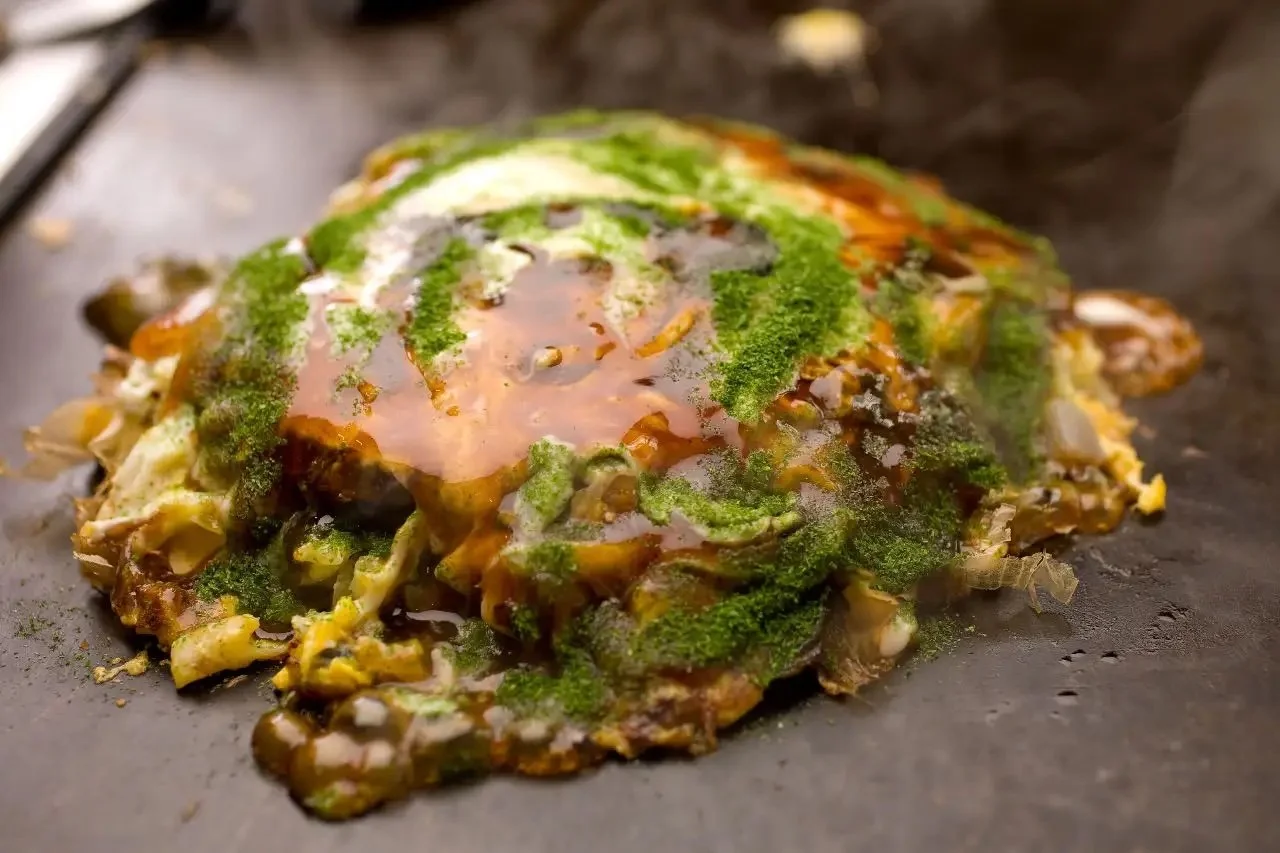
Must order: Yamaimo-heavy okonomiyaki; pork and seafood combos
Mizuno is Osaka comfort food at its most iconic. Fluffy, savory okonomiyaki cooked with confidence in a lively setting. It’s busy for a reason — casual, satisfying, cheap, and very Osaka.
Image courtesy of Mizuno
Kushikatsu Daruma
Address: Multiple locations; Shinsekai is the original
Vibe: Loud, fun, unapologetically local
Price: $
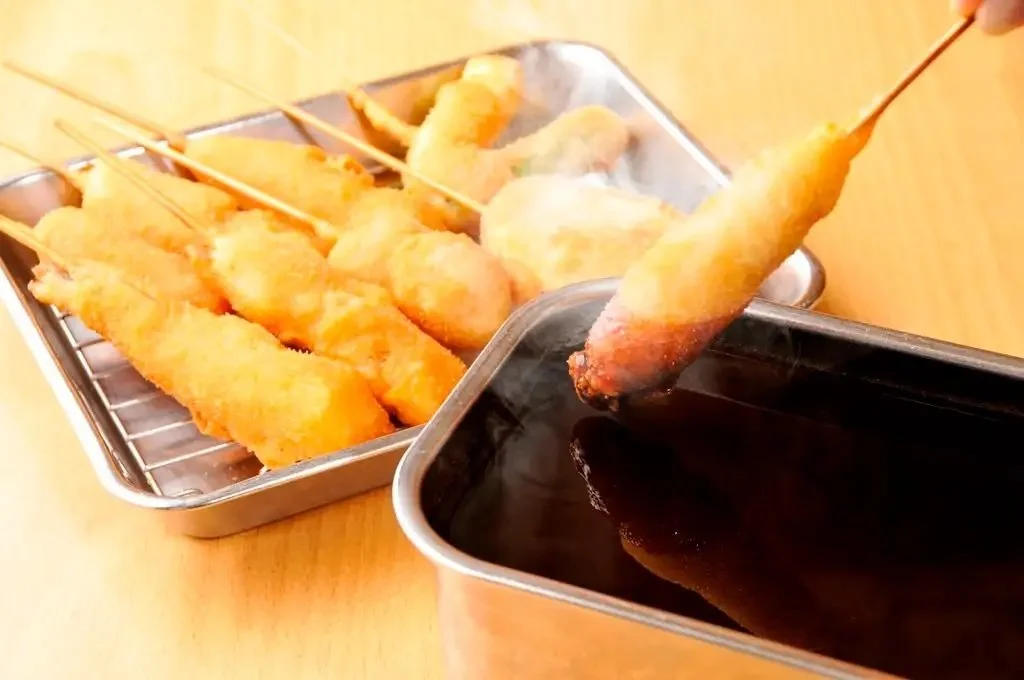
Must order: Mixed kushikatsu set; remember no double-dipping
This is Osaka street food culture distilled. Fried skewers, cold beer, and zero ceremony. It’s chaotic in the best way and exactly what you want when leaning into the city’s personality. This chain has locations all over the city - you can’t go wrong with this choice.
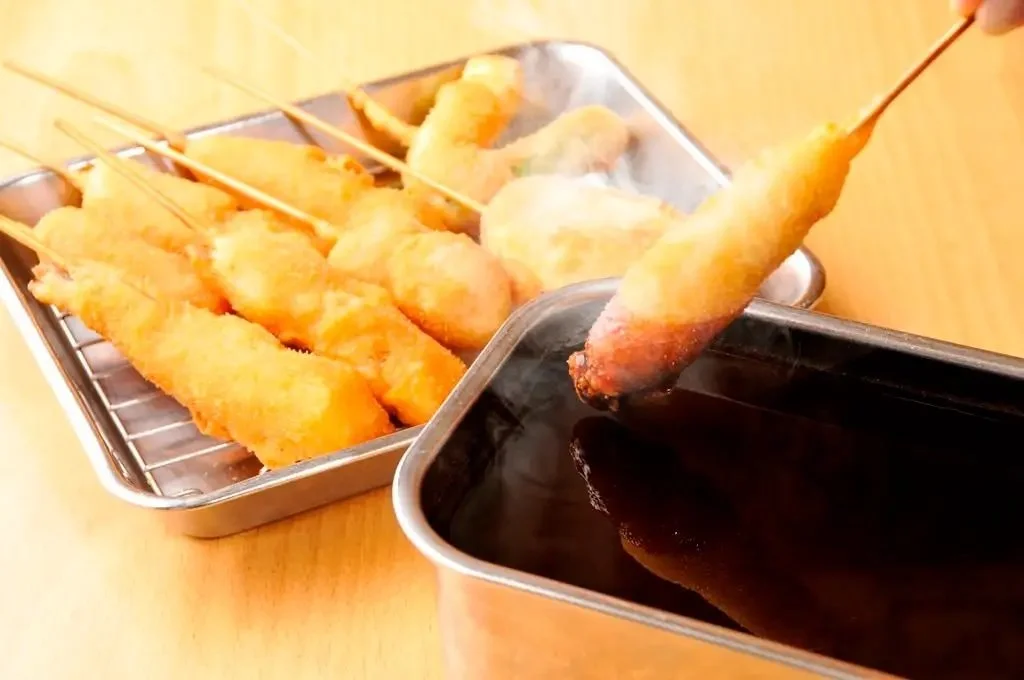
Image courtesy of Kushikatsu Daruma
Splurge
Special places for special occassions.
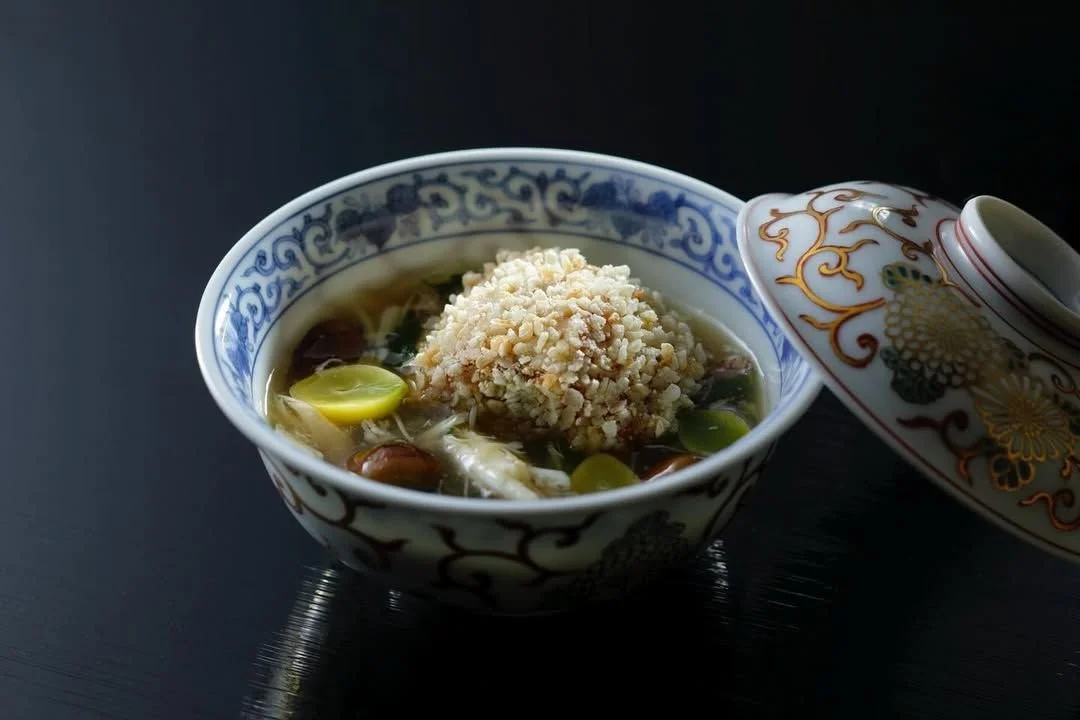
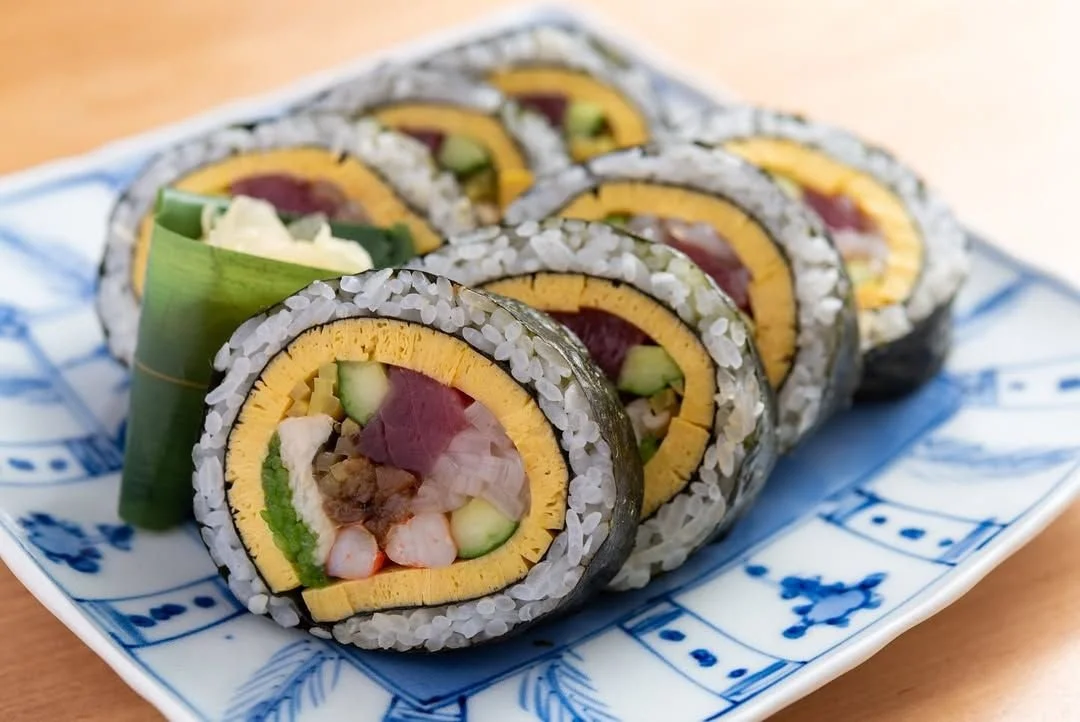
Kikunoi Honten
Address: 459 Shimokawaracho, Higashiyama Ward, Kyoto
Vibe: Serene, classical, deeply Kyoto
Price: $$$$
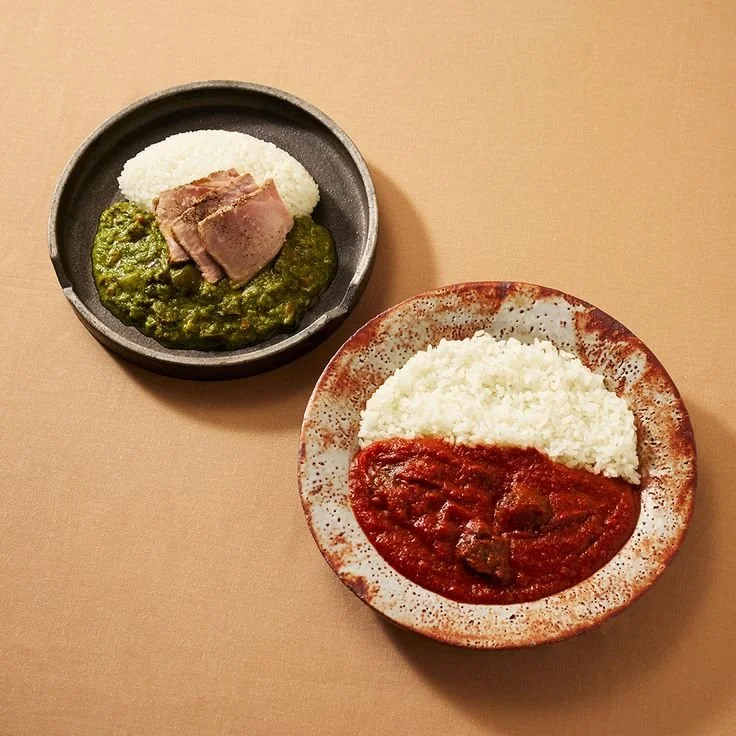
Must order: Seasonal kaiseki tasting menu
Kikunoi is the benchmark for Kyoto kaiseki — elegant, seasonal, and emotionally grounded without feeling stiff. The cooking is precise and deeply rooted in tradition, but always warm and human. Each course reflects not just the season, but Kyoto’s culinary philosophy as a whole. This is a splurge that defines place as much as it defines luxury.
Image courtesy of Kikunoi Honten
Hyotei
Address: 35 Nanzenji Kusakawacho, Sakyo Ward, Kyoto
Vibe: Historic, restrained, quietly ceremonial
Price: $$$$
Must order: Full kaiseki menu; signature soft-boiled egg
Dining at Hyotei feels like stepping into Kyoto’s living history. The flavors are subtle, the pacing unhurried, and the setting profoundly calm. This is not about novelty — it’s about continuity, ritual, and a level of refinement that comes from centuries of repetition. A deeply atmospheric splurge.
Image courtesy of Hyotei
Gion Sasaki
Address: 570-123 Gionmachi Minamigawa, Higashiyama Ward, Kyoto
Vibe: Intimate, modern-traditional, chef-driven
Price: $$$$
Must order: Chef’s seasonal tasting menu
Gion Sasaki bridges classical kaiseki and contemporary sensibility with remarkable confidence. The room is intimate, the cooking focused, and the experience feels personal rather than formal. It’s refined without being precious, making it an excellent splurge for diners who want Kyoto tradition with a slightly modern edge.
Image courtesy of Gion Sasaki
Monk
Address: 2 Ginkakujicho, Sakyo Ward, Kyoto
Vibe: Rustic, intentional, quietly cult-favorite
Price: $$$ - $$$$
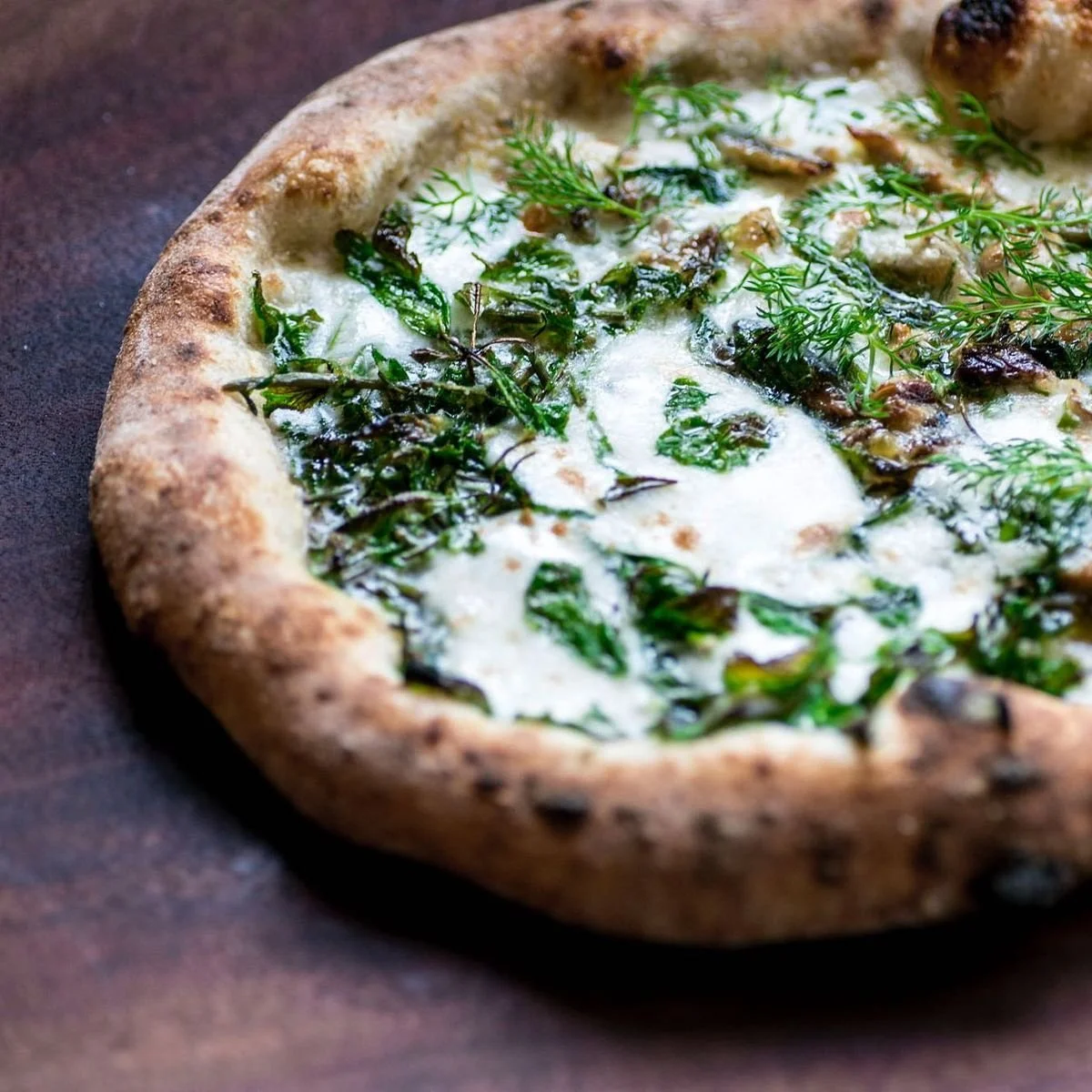
Must order: Seasonal tasting menu; wood-fired pizza courses
Monk is unlike anything else in Kyoto. Centered around a wood-fired hearth, the menu evolves constantly, guided by season and intuition rather than strict tradition. The atmosphere is relaxed but focused, and the food feels alive and expressive. It’s a splurge that feels creative, grounded, and deeply satisfying.
Image courtesy of Monk
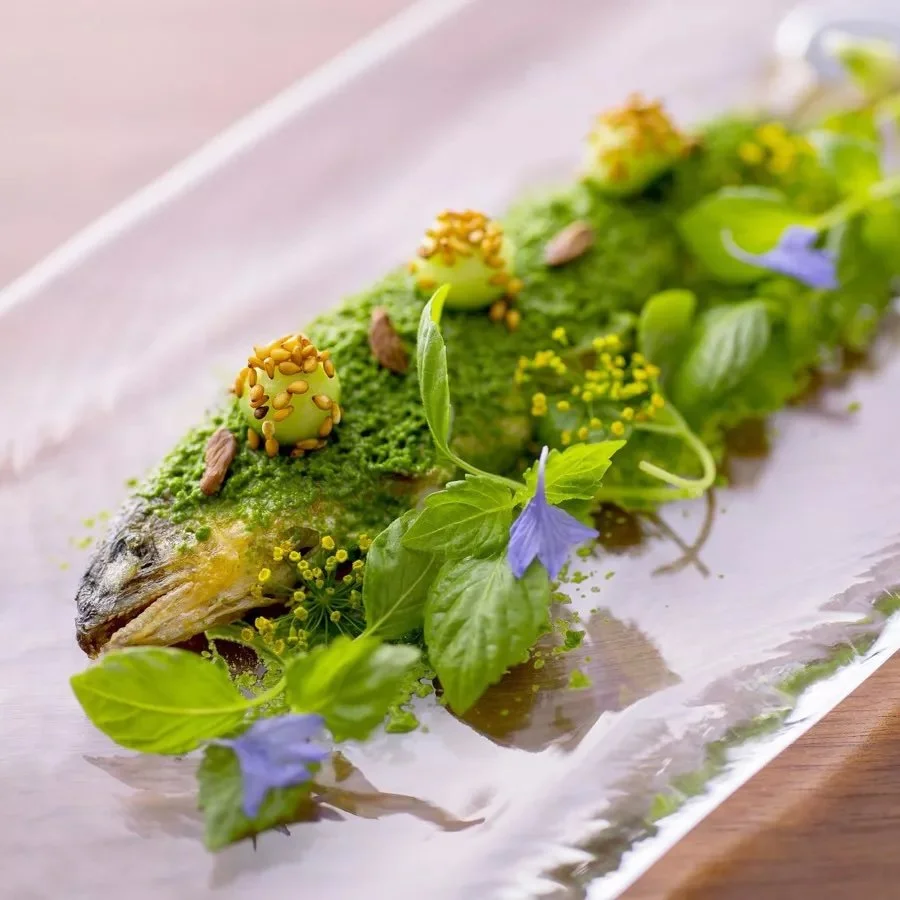
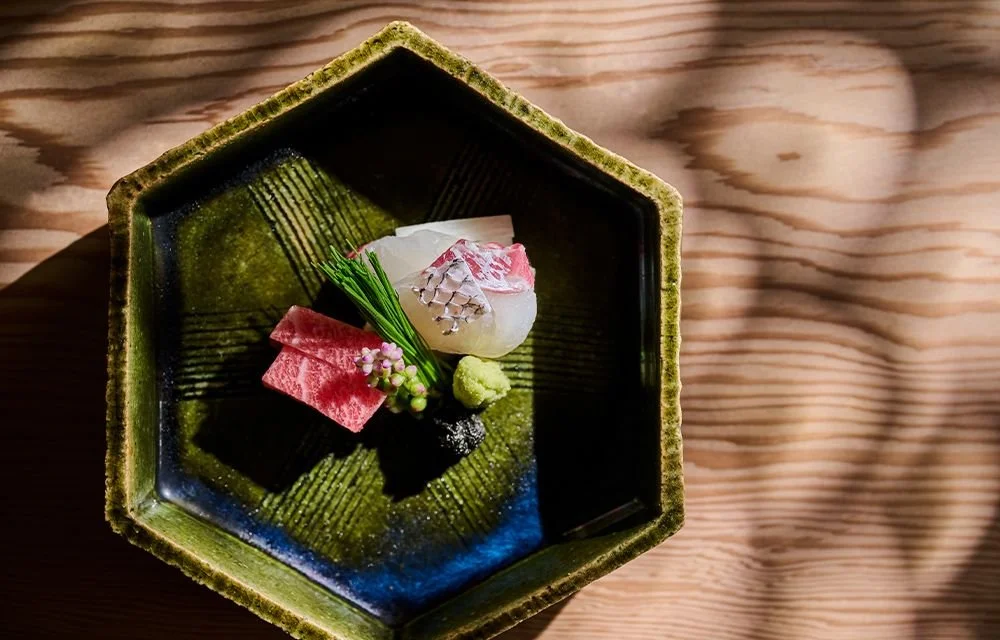
Hajime
Address: 1-9-11 Edobori, Nishi Ward, Osaka
Vibe: Minimalist, cerebral, architectural
Price: $$$$
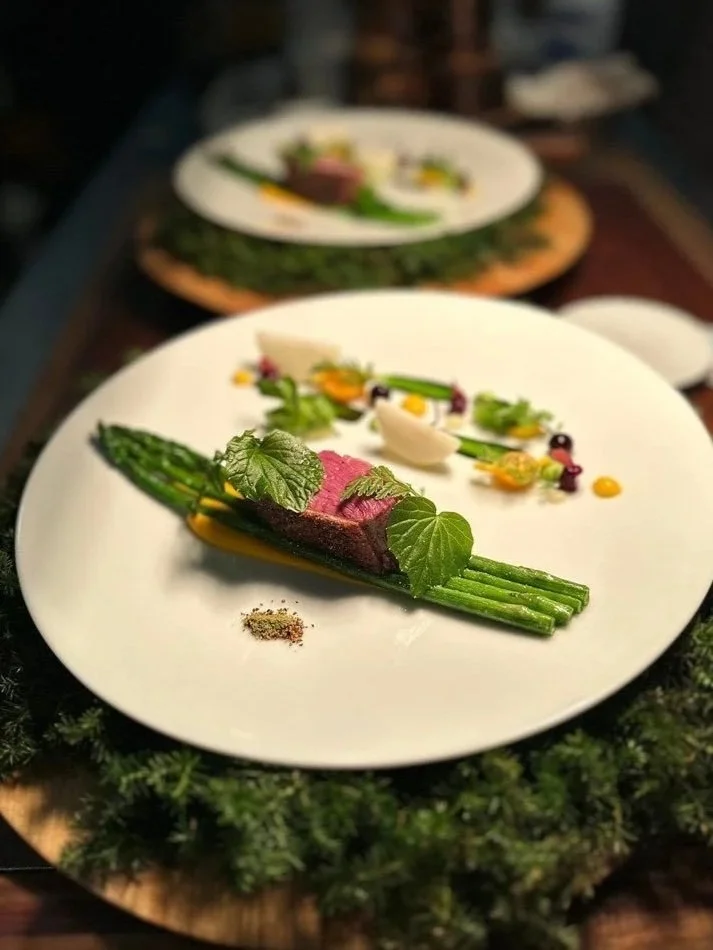
Must order: Tasting menu
Hajime is Osaka’s most intellectually ambitious restaurant. The cooking is modern, precise, and deeply conceptual, yet grounded in flavor and balance. The experience is focused and immersive, rewarding diners who enjoy thoughtful pacing and serious technique. A true splurge for those who appreciate cuisine as craft.
Image courtesy of Hajime
Fujiya 1935
Address: 2-4-13 Koraibashi, Chuo Ward, Osaka
Vibe: Elegant, European-inflected, polished
Price: $$$$
Must order: Tasting menu
Fujiya 1935 offers a distinctly Kansai interpretation of modern European fine dining. The cooking is refined and assured, with subtle Japanese influences woven throughout. It’s calm, beautifully paced, and quietly luxurious — a splurge that feels classic rather than experimental.
Image courtesy of Fujiya 1935
Kodaiji Jugyuan
Address: 353 Masuyacho, Higashiyama Ward, Kyoto
Vibe: Zen-like, contemplative, design-forward
Price: $$$$
Must order: Tasting menu
Jugyuan offers a more contemporary, meditative take on kaiseki. The cuisine is minimalist, the presentation architectural, and the atmosphere profoundly calm. This is a splurge for diners who appreciate restraint, negative space, and food that rewards attention rather than spectacle.
Image courtesy of Kodaiji Jugyuan
Where We Wake Up
We take breakfast seriously.
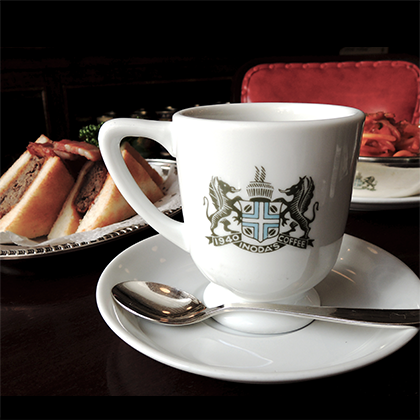
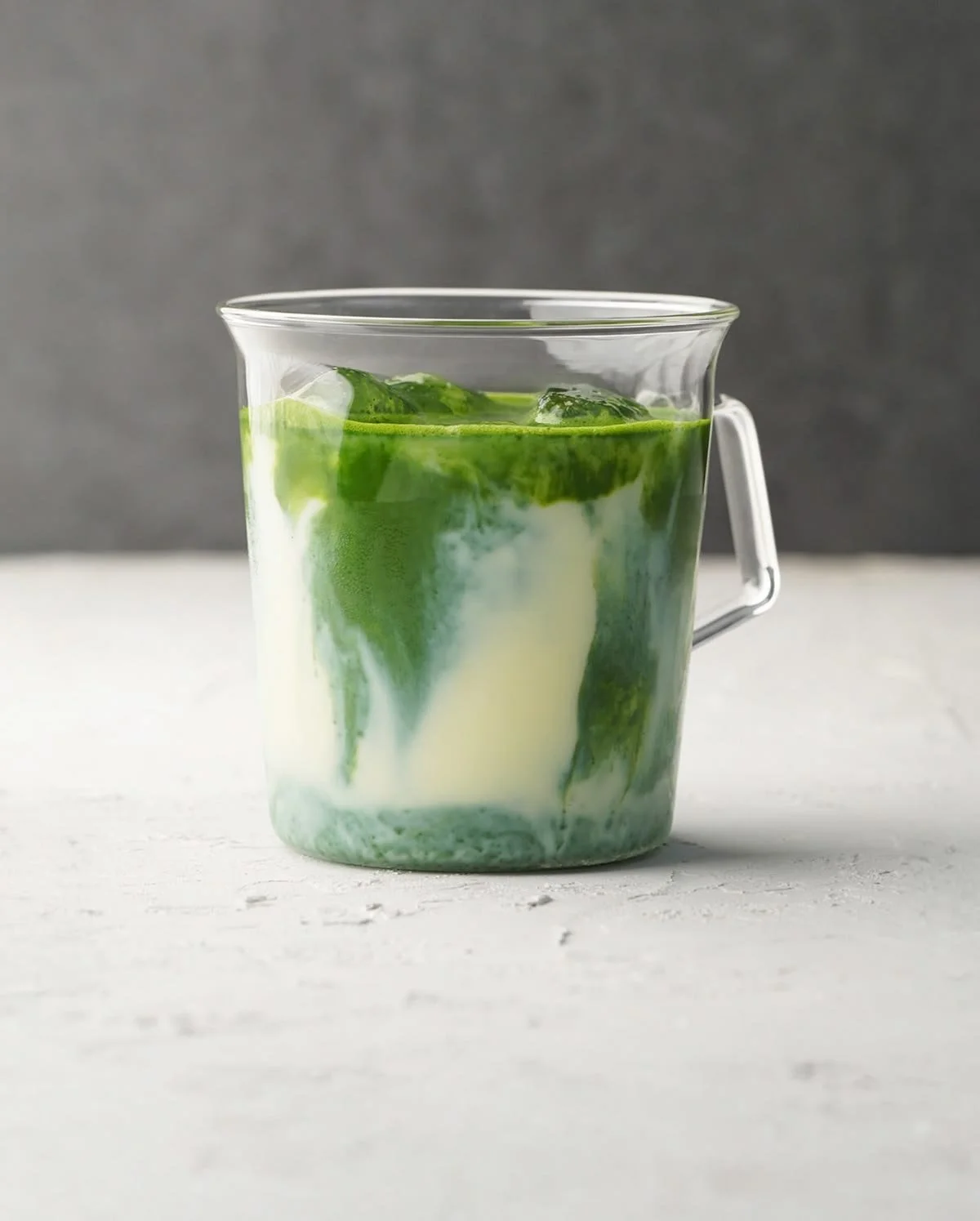
Inoda Coffee
Address: 140 Doyucho, Nakagyo Ward, Kyoto (Sanjo main branch)
Vibe: Timeless, formal in a gentle way, deeply Kyoto
Price: $$
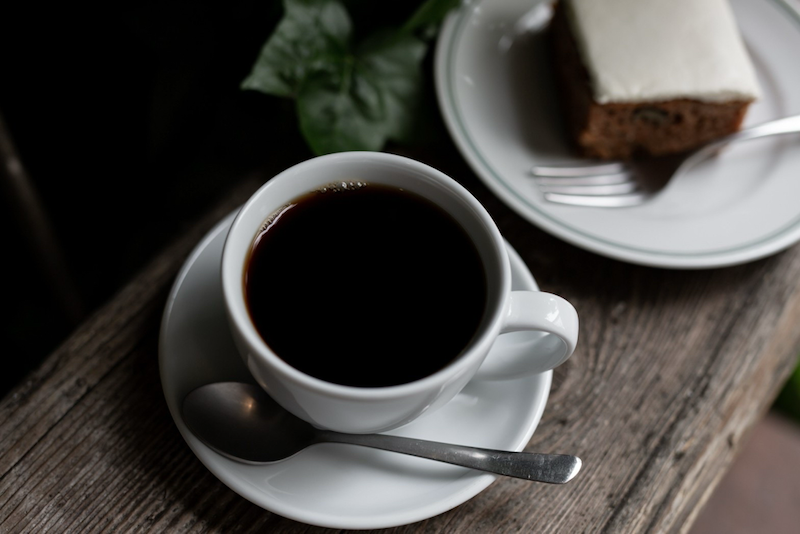
Must-order: The Arabica blend; morning set with egg salad sandwich and seasonal fruit; their coffee jelly in warmer months
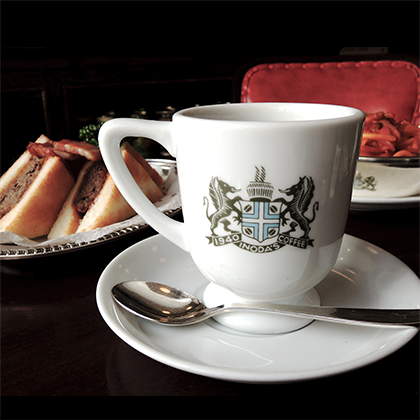
Image courtesy of Inoda Coffee
Kyoto's most beloved coffee institution, open since 1940. The original Sanjo branch is the one — dark wood booths, white-jacketed staff, and coffee served the Kyoto way: already lightened with cream and sugar unless you say otherwise. It is not trying to be specialty coffee. It is trying to be Inoda Coffee, which is something better.
Nakamura Tokichi Honten
Address: 10 Uji Ichiban, Uji, Kyoto
Vibe: Historic, meditative, unhurried
Price: $$
Must-order: Matcha set with seasonal wagashi; cold matcha on ice in summer; the warabi mochi
Image courtesy of Nakamura Tokichi
A 170-year-old tea house in Uji — the matcha capital of Japan — where breakfast means something completely different. The morning menu is built around matcha in every possible form: soft serve, tea, jelly, soba, warabi mochi. The garden is quiet in the early hours. This is not a restaurant that rushes.
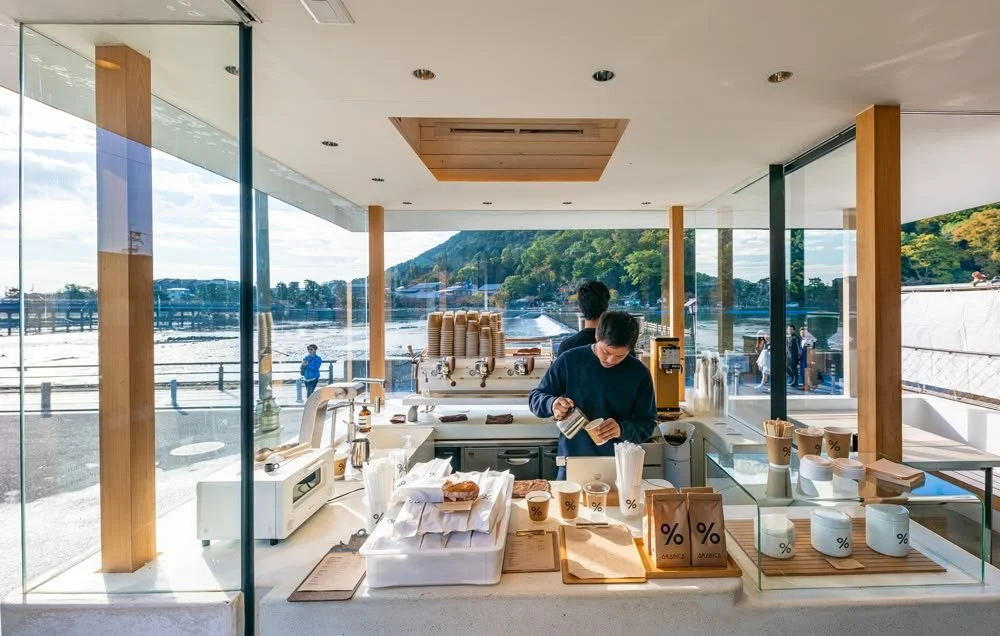
Arabica Kyoto
Address: 87-5 Hoshinocho, Higashiyama Ward, Kyoto
Vibe: Minimal, precise, visually stunning
Price: $$
Must order: Flat white or cortado; the latte if you want something softer; nothing else is needed
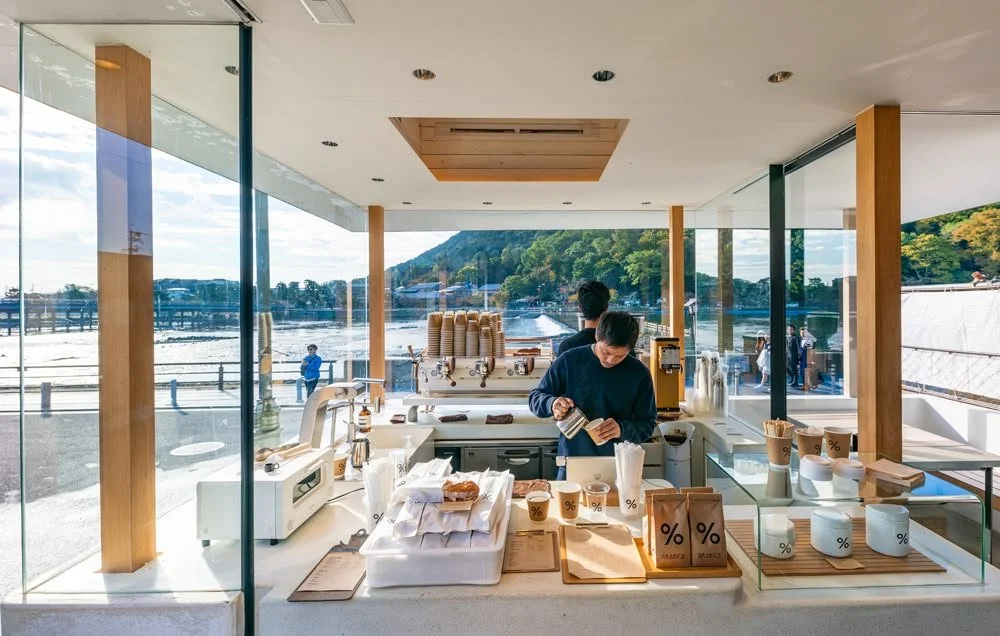
Image courtesy of Travel Caffeine
The most photographed coffee shop in Japan for a reason — an all-white corner space below Higashiyama with a single espresso machine and a view of stone steps and cedar trees. The owner trained under the World Barista Champion and it shows. Simple menu. Perfect execution. Always a line before 9am.
Sarasa Nishijin
Address: 634-1 Murasakino Minamifunaokamachi, Kita Ward, Kyoto
Vibe: Nostalgic, atmospheric, neighborhood
Price: $
Must-order: Morning set; daily curry; cafe au lait
Image courtesy of Sarasa Nishijin
A former public bathhouse turned kissaten in Kyoto's Nishijin weaving district. The original tile work is intact. The ceilings are high. The coffee is good and the food — curry, sandwiches, daily specials — is honest and generous. It feels like a preserved world, which in a way it is. The Nishijin neighborhood around it is worth the walk — quiet streets, textile shops, almost no tourists before noon.
Street Eats
Cheap and legendary.
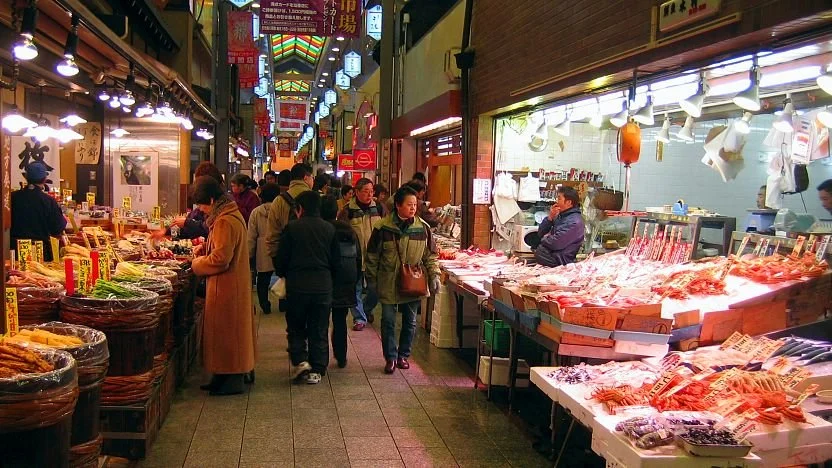
Nishiki Market
Address: Nishiki Market, Nakagyo Ward, Kyoto (runs between Teramachi and Takakura)
Vibe: Dense, flavorful, centuries-old
Price: $
Must-order: Yudofu (simmered tofu) from Motoyu; tako tamago (octopus with quail egg) on a skewer; Kyoto pickles from any of the tsukemono stalls; fresh fu (wheat gluten) snacks
Image courtesy of Japan Guide
Nishiki is Kyoto's kitchen — a covered market running five blocks through the center of the city, dense with vendors selling pickles, tofu, fish, skewers, dashi, and things that don't translate. It's genuinely local despite the foot traffic. The best approach: no agenda, stop at anything with a line, eat standing up. Come before noon when stalls are fully stocked and vendors aren't packing down.
Dotonbori
Address: Dotonbori, Chuo Ward, Osaka (along the canal)
Vibe: Maximalist, loud, delicious
Price: $
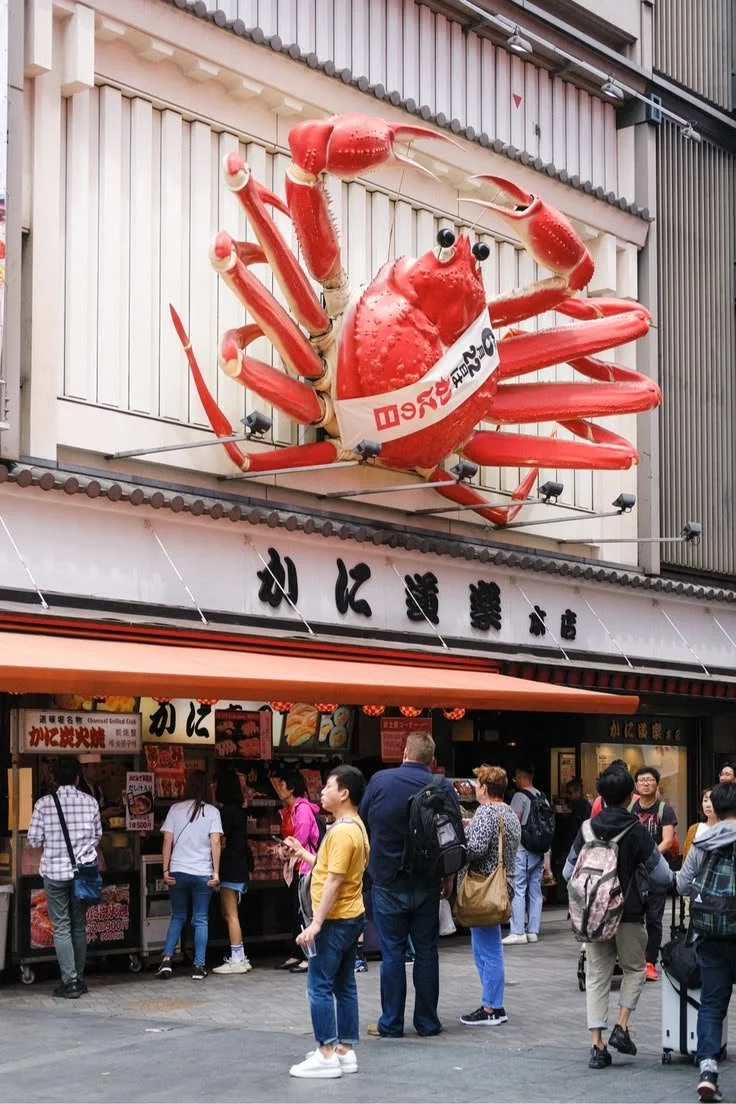
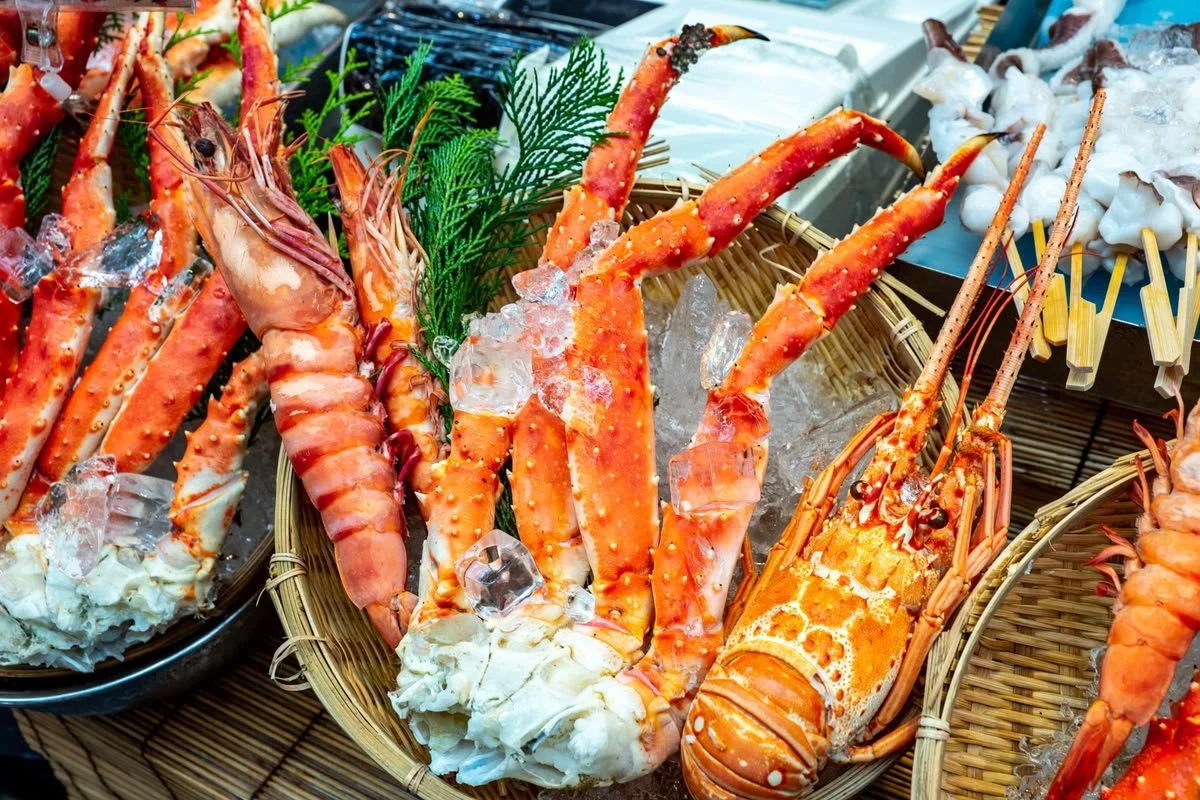
Must-order: Takoyaki from Wanaka or Aizuya; okonomiyaki at any counter that's full; kushikatsu from a standing bar; fresh crab legs if you want to spend a little more
Image courtesy of Dreamy World
Osaka's most famous food street is loud and relentless and correct. The neon, the giant mechanical crab, the crowds — none of it is a gimmick because the food underneath it is genuinely excellent. This is where you eat takoyaki standing on the bridge, drink beer at 11am without anyone caring, and eat okonomiyaki at a counter where the grill is one foot from your face. Dotonbori doesn't do restraint. That's the point.
Kuromon Market
Address: 2-4-1 Nipponbashi, Naniwa Ward, Osaka
Vibe: Market chaos, incredible quality, eat-as-you-walk
Price: $
Must-order: Fresh sea urchin on rice; wagyu skewer; tuna sashimi cut to order; tamagoyaki on a stick
Image courtesy of Japan Guide
Osaka's answer to Tsukiji, but smaller, louder, and even more geared toward eating on the spot. Vendors sell directly from counters — wagyu, tuna, sea urchin, fugu — and most will prepare it for you immediately. The market has been operating since 1902 and the enthusiasm has not faded. Come hungry, bring cash, and plan to spend two hours going nowhere in particular.
Shinsekai, Osaka
Address: Shinsekai, Naniwa Ward, Osaka
Vibe: Retro, unpretentious, deeply local
Price: $
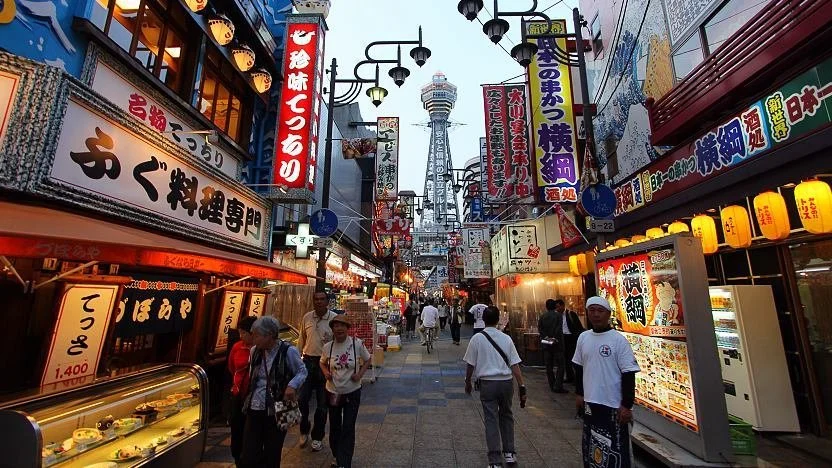
Must-order: Mixed kushikatsu set — onion, shrimp, asparagus, quail egg; cold Asahi; don't double-dip the sauce
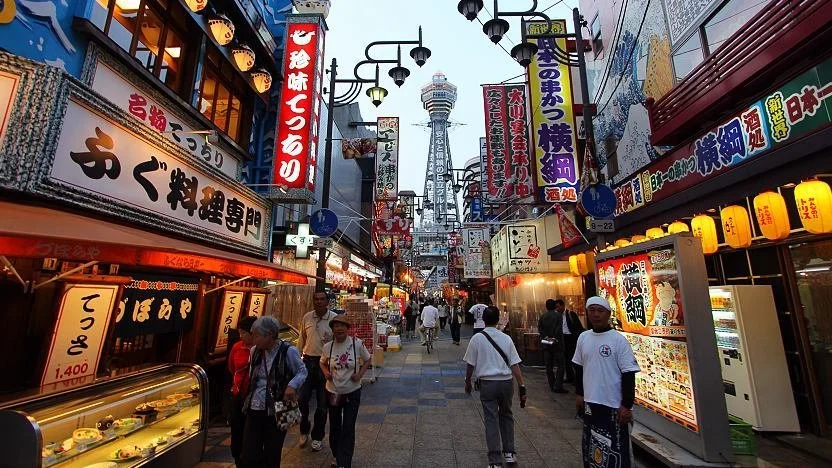
Image courtesy of Japan Guide
The neighborhood around Tsutenkaku Tower that tourists mostly pass through on the way to something else. Don't. Shinsekai is Osaka working-class food culture at its most concentrated: kushikatsu bars where you're handed a cup of communal sauce and told firmly not to double-dip, cheap beer, Taiwanese shaved ice, old men playing shogi. The whole area operates on its own frequency. A plate of kushikatsu and a beer costs about $10.
Sweet Tooth
Desserts and such.
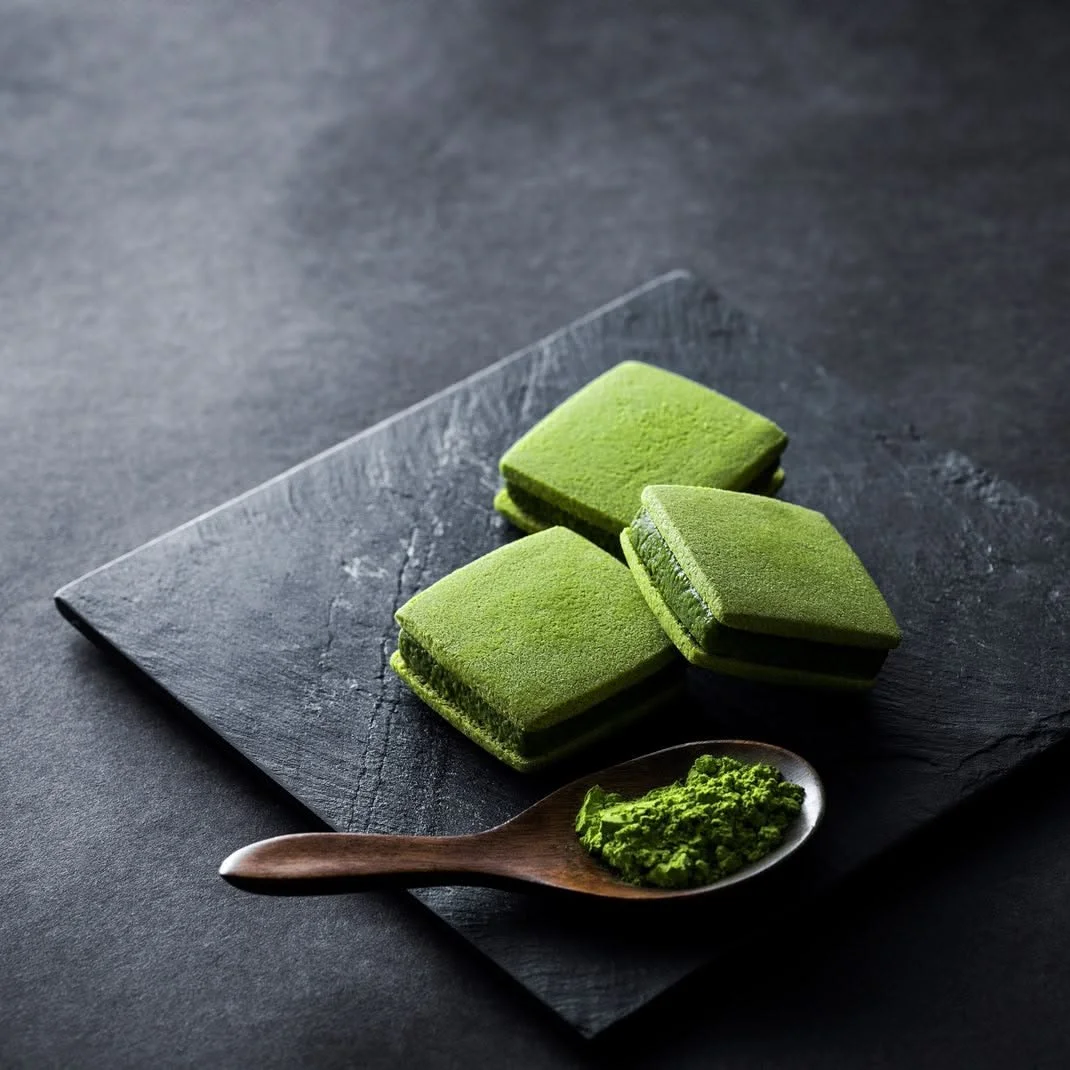
Nakamura Tokichi Honten
Address: 10 Uji Ichiban, Uji, Kyoto
Vibe: Historic, garden-calm, matcha-serious
Price: $$
Must-order: Warabi mochi with kuromitsu; matcha soft serve; seasonal matcha parfait; green tea to drink alongside everything
Image courtesy of Tokichi
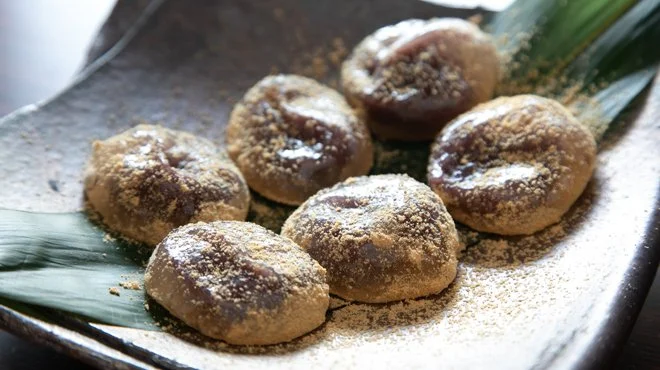
Already listed in Where We Wake Up, but deserves a second mention here specifically for the matcha desserts. The warabi mochi is the one — soft, wobbly, served cold with a generous pour of kuromitsu and a dusting of kinako. The matcha soft serve is the other. Uji matcha is categorically different from what gets used everywhere else — more bitter, more complex, more green — and eating it at the source in a 170-year-old tea house with a garden is as good as sweets get in Japan.
Gion Tsujiri
Address: 573-3 Gionmachi Minamigawa, Higashiyama Ward, Kyoto
Vibe: Kyoto institution, matcha-focused, reliably excellent
Price: $$
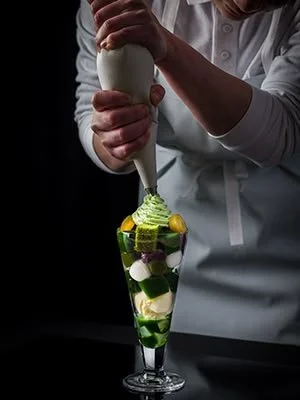
Must-order: Matcha parfait — the signature and the reason for the line; matcha warabi mochi; cold matcha latte
Image courtesy of Gion Isujiri
One of Kyoto's oldest and most respected matcha houses, with a counter in Gion that has been doing brisk business since 1860. The matcha parfait is the flagship — layers of soft serve, mochi, red bean, jelly, and matcha-soaked sponge stacked in a tall glass. It's not subtle. It is extremely good. The line moves steadily; come in the afternoon when the tourist rush has thinned slightly.
Kagizen Yoshifusa
Address: 264 Gionmachi Kitagawa, Higashiyama Ward, Kyoto
Vibe: Ancient, austere, deeply Kyoto
Price: $$
Must-order: Kuzukiri with black sugar syrup — the only right order; seasonal namagashi with matcha
Image courtesy of Kagizen
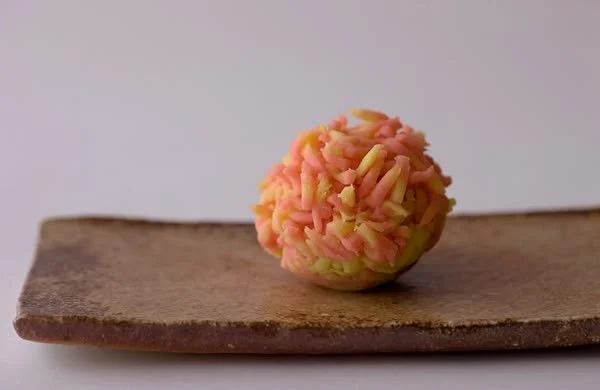
Kyoto's oldest surviving confectionery — operating since 1716 — and the most restrained sweet shop on this entire list. The kuzukiri here is the reason to visit: translucent strips of arrowroot jelly served ice-cold in a bowl with black sugar syrup for dipping. It barely tastes of anything until it doesn't, and then you understand it completely. The tearoom is quiet and slow. This is not Instagram food. This is Kyoto food.
Namiyoshian
Address: 1-7-31 Shikitsuhigashi, Naniwa Ward, Osaka 556-0012
Vibe: Old Osaka, unpretentious, completely local
Price: $
Must-order: Aburi-mitarashi dango — grilled, glazed, eaten immediately; dorayaki; monaka wafers filled with anko; goldfish jello in summer if you're there for the visual alone
Image courtesy of Tabelog
Operating since 1858 out of a quiet stretch of Oku-Namba — the "deep Namba" that most visitors walk straight past on their way to Dotonbori — Namiyoshian is the wagashi shop Osaka locals actually go to. The signature is aburi-mitarashi: dango skewers grilled to order over flame, lacquered in a sweet soy glaze that caramelizes at the edges. The shape is slightly different from Tokyo versions — flatter, more substantial — which is entirely on-brand for a city that has opinions about food. The shop is calm, the architecture is traditional, and the contrast with the chaos five minutes away is total.
The Night Starts Here
The best kind of pregame.
Bee's Knees
Address: 2F, corner of Kiritoshi and Shinmonzen, Higashiyama Ward, Kyoto
Vibe: Intimate, serious, deeply Kyoto
Price: $$$
Must-order: The seasonal yuzu cocktail; anything featuring Japanese whisky; ask the bartender what came in from the market this week
Image courtesy of Bee’s Knees
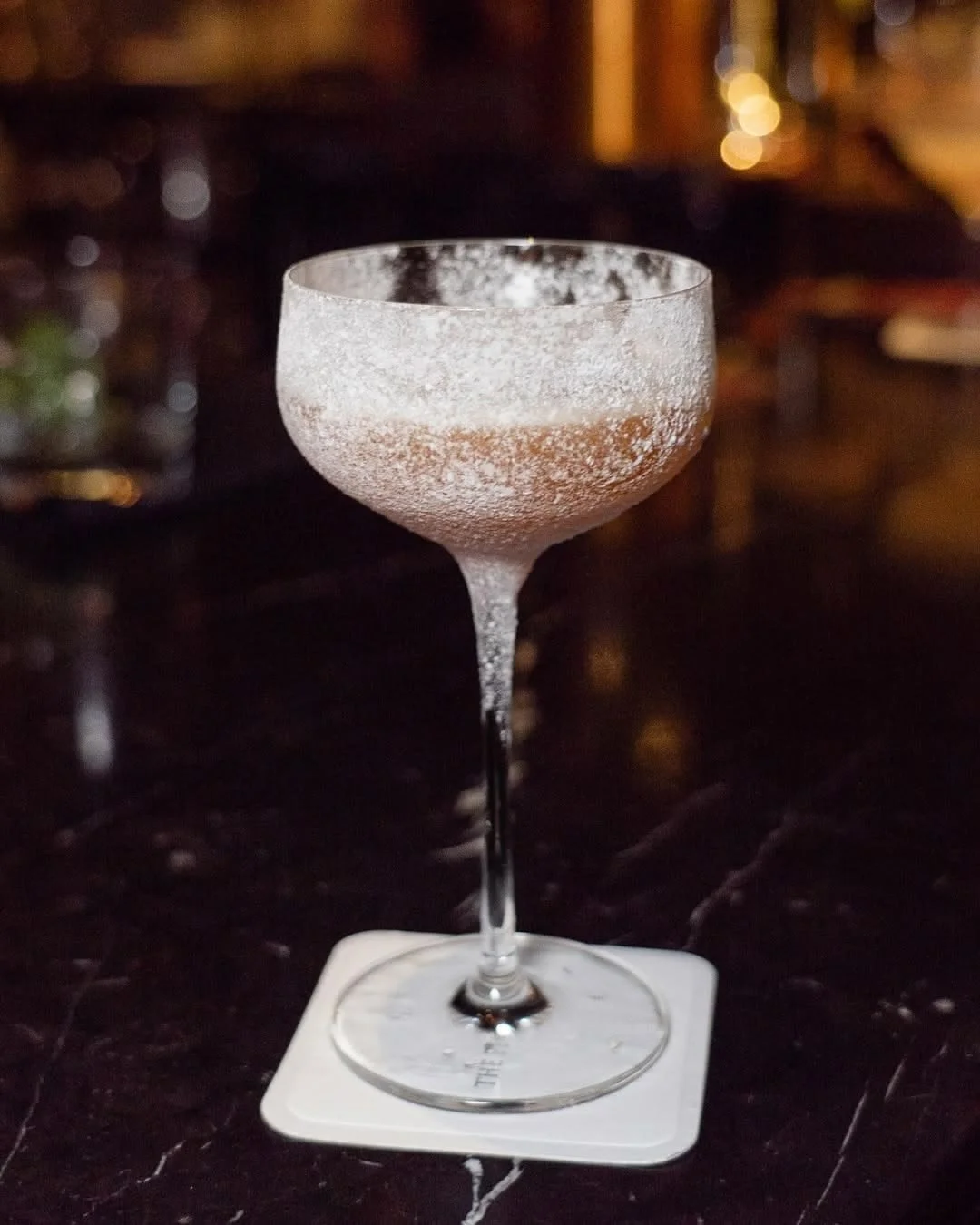
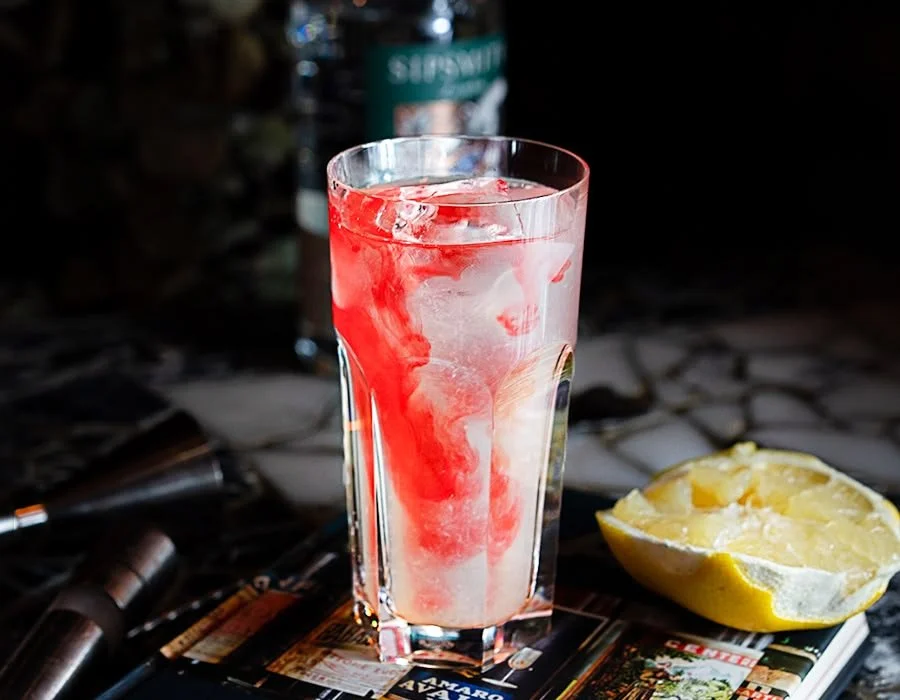
Kyoto's best cocktail bar, full stop. Tucked into a machiya townhouse in the Gion area, Bee's Knees operates on a similar philosophy to Tokyo's great bars — no shouting, serious craft, Japanese ingredients treated with reverence. The menu changes seasonally and always features something made with local yuzu, matcha, or sake. The room is small and warm and entirely at odds with the tourist chaos two blocks away. Reserve ahead, especially on weekends.
Bar Nayuta
Address: Shinsaibashi area, Chuo Ward, Osaka (confirm current address before visiting — they have moved previously)
Vibe: Serious, spirit-forward, Osaka energy
Price: $$$
Must-order: Anything featuring local Japanese spirits; ask for the bartender's current obsession — the answer changes monthly
Image courtesy of Bar Nayuta
Osaka's answer to the Tokyo craft cocktail scene — and a more than worthy one. Bar Nayuta in the Shinsaibashi area has built a reputation for cocktails that lean into Japanese spirits — shochu, awamori, local sake — in a way that feels more inventive than reverential. The room is moody and handsome. The bartenders know exactly what they're doing. It's the kind of bar that gets mentioned by other bartenders, which is the only endorsement that matters.
Dotonbori After Dark
Address: Dotonbori canal, Chuo Ward, Osaka
Vibe: Maximalist, loud, completely of itself
Price: $
Must-order: Takoyaki from a standing stall; canned beer or highball from any konbini; whatever's coming off the grill at any counter with a crowd
Image courtesy of @maoartderetcher
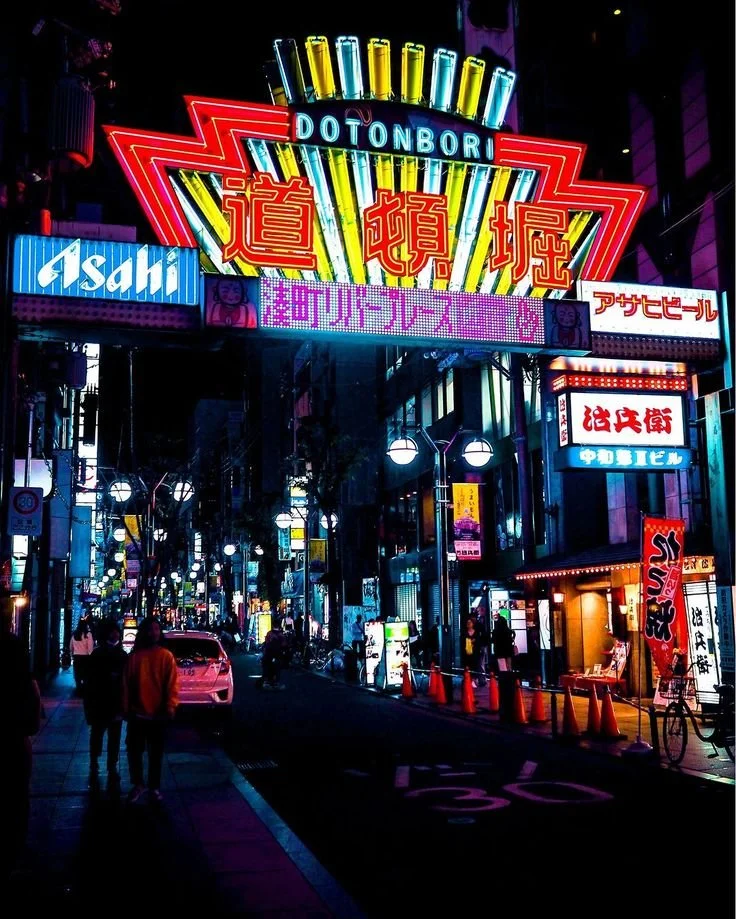
If Bar Nayuta is where you go for craft, Dotonbori after midnight is where you go because you're not ready to stop. The canal district transforms after 11pm — the restaurants are still going, the street food stalls are at peak smoke, and the bars along the water stay open until the last person leaves. No single spot to recommend here: just walk the canal, order a beer from a vending machine if you want, get takoyaki from the busiest stall, and watch Osaka be Osaka. It costs nothing and it's completely alive.
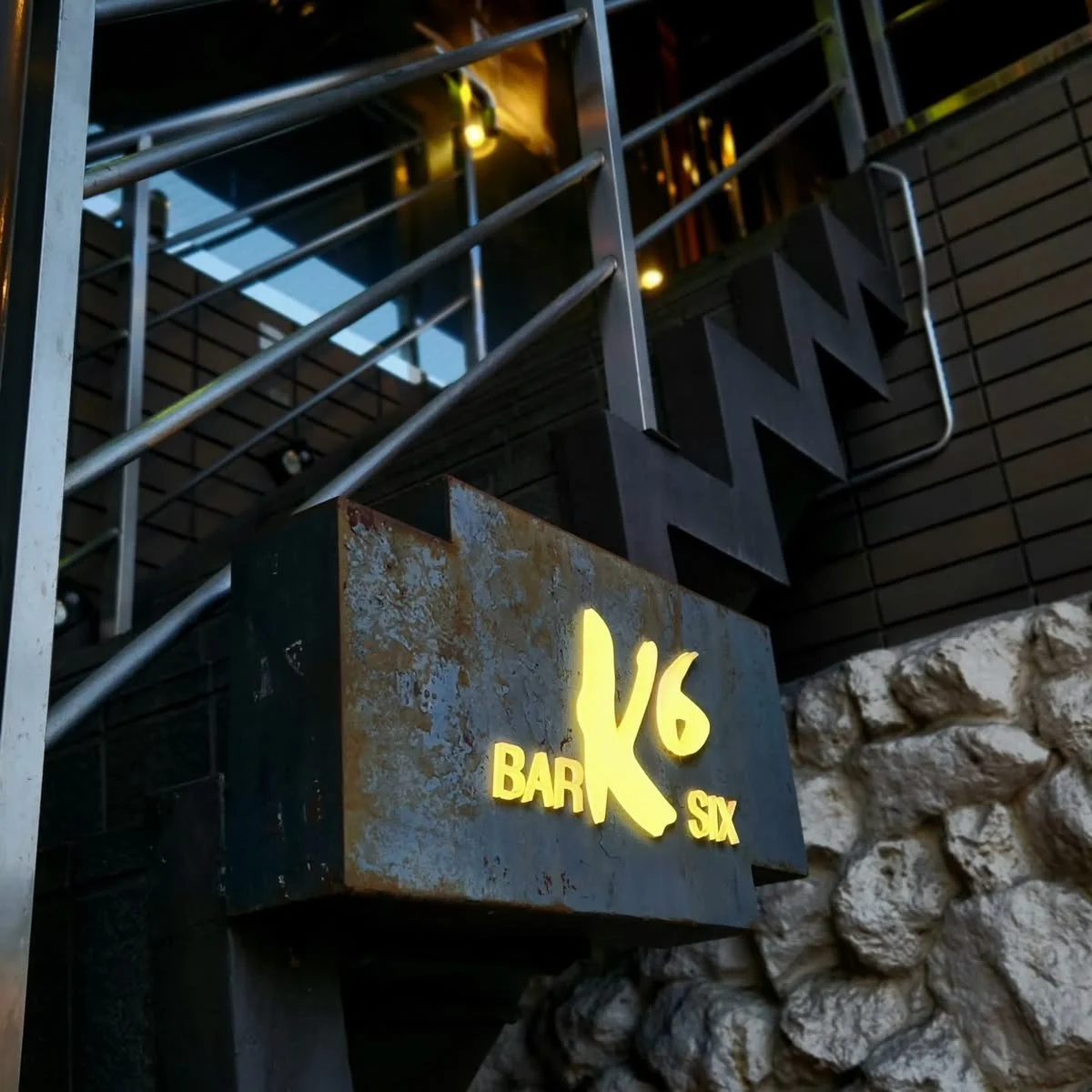
Bar K6
Address: Vals Building, Kiyamachi Nijo Higashi-iru, Nakagyo Ward, Kyoto (next to Ritz-Carlton Kyoto)
Vibe: Old-school serious — dark wood, suited staff, not a place for loud groups
Price: $$$
Must-order: Kinkan (kumquat) Moscow mule — the house cocktail everyone mentions; any rare Japanese single malt the bartender recommends; sake-based cocktail if you want something local
Image courtesy of Bar K6
1,200 bottles of sake. 600 single malt Scotch whiskies, some of them genuinely rare. A suited bartender who will make you whatever you describe without a menu, at prices that will embarrass what you've been paying for cocktails at home. Bar K6 has been the serious drinker's reference point in Kyoto for years. The room is dark and warm and slightly formal, next to the Ritz-Carlton on the Kamogawa. There's a ¥300 cover charge. The haggis pizza on the food menu is exactly as strange as it sounds.
Where We Sleep
$ - $$
Azumi Setoda
Setoda
Location: Setoda, Ikuchijima Island — Setouchi Inland Sea
Price: ~$400/night
Vibe: Coastal, slow, quietly exceptional
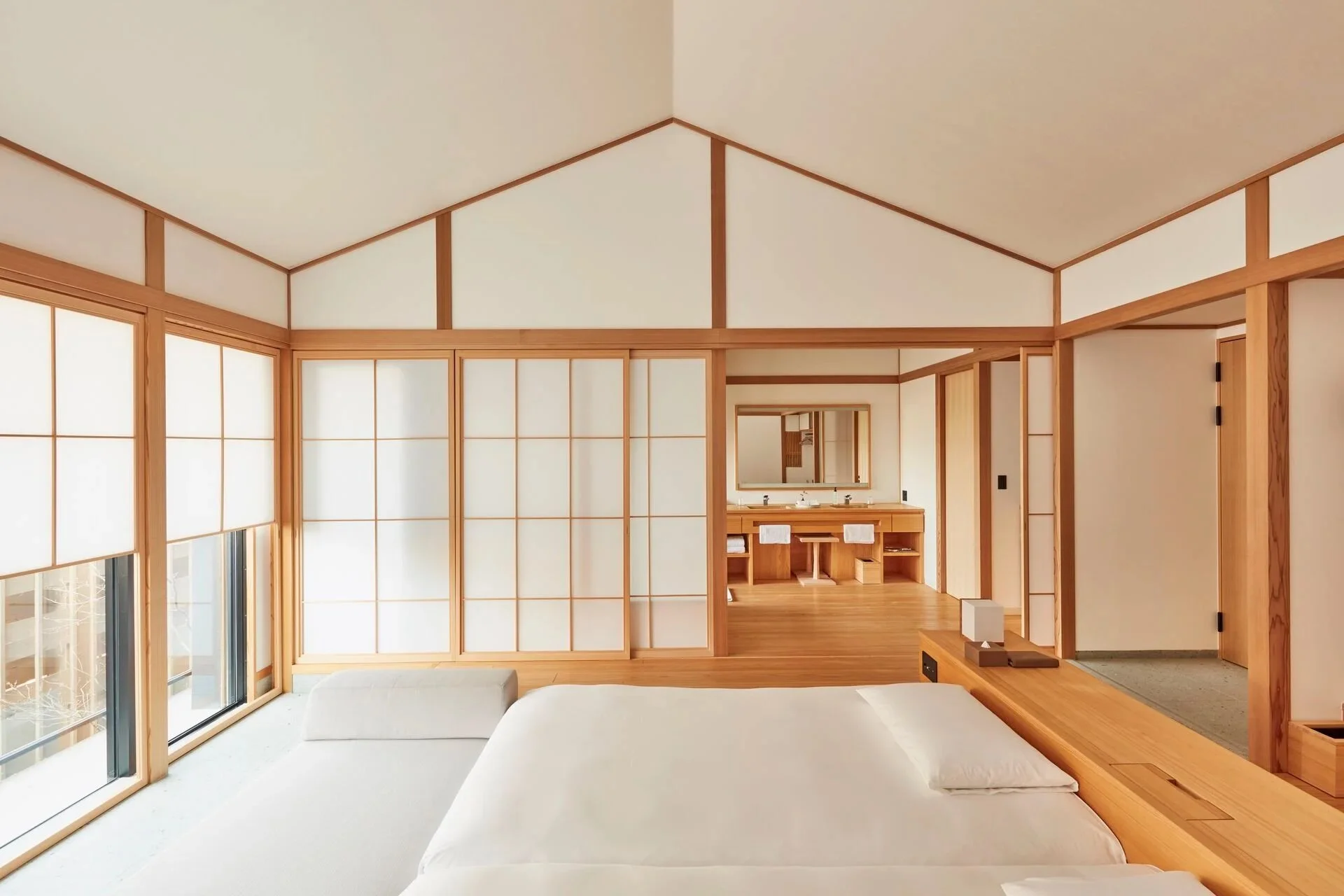
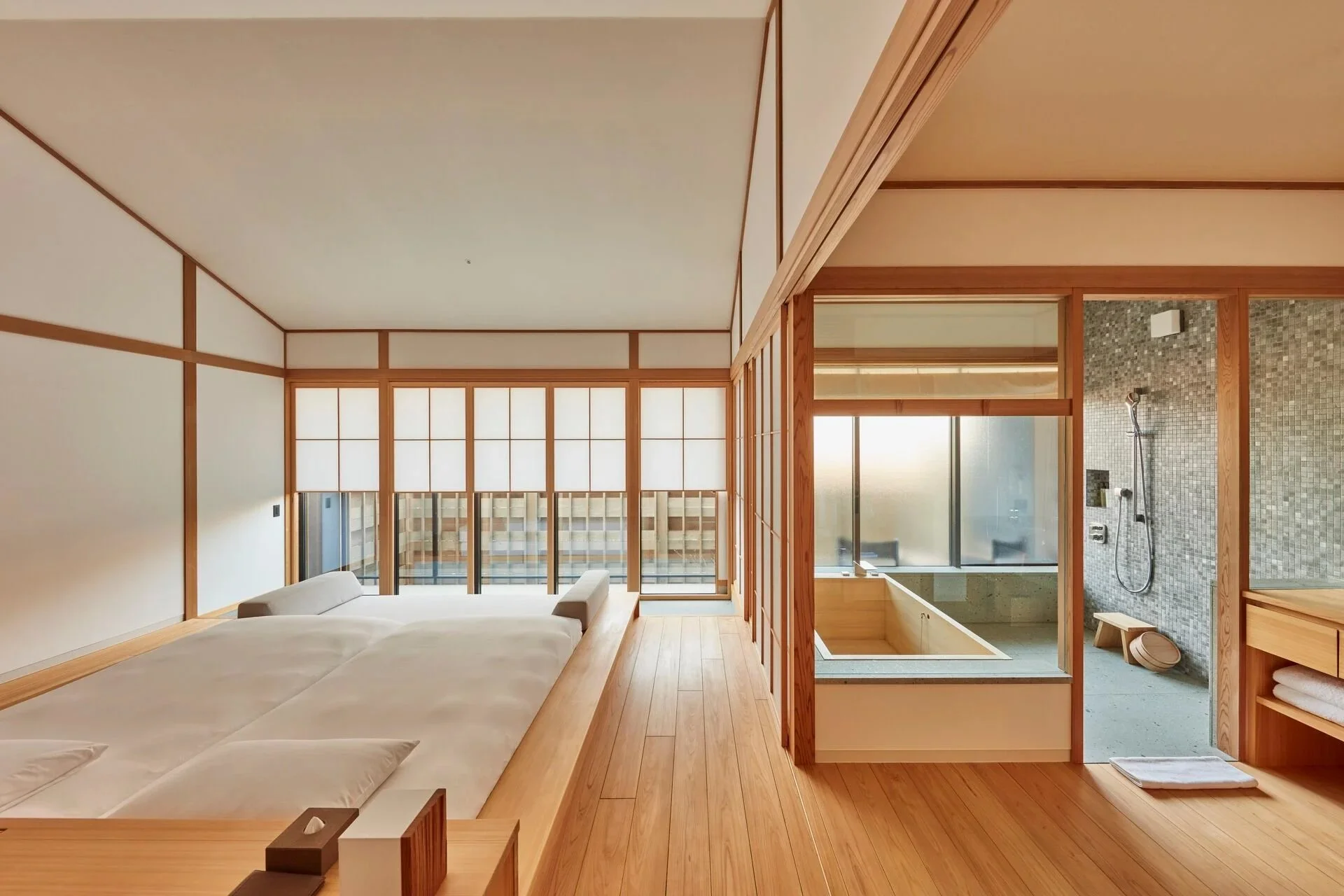
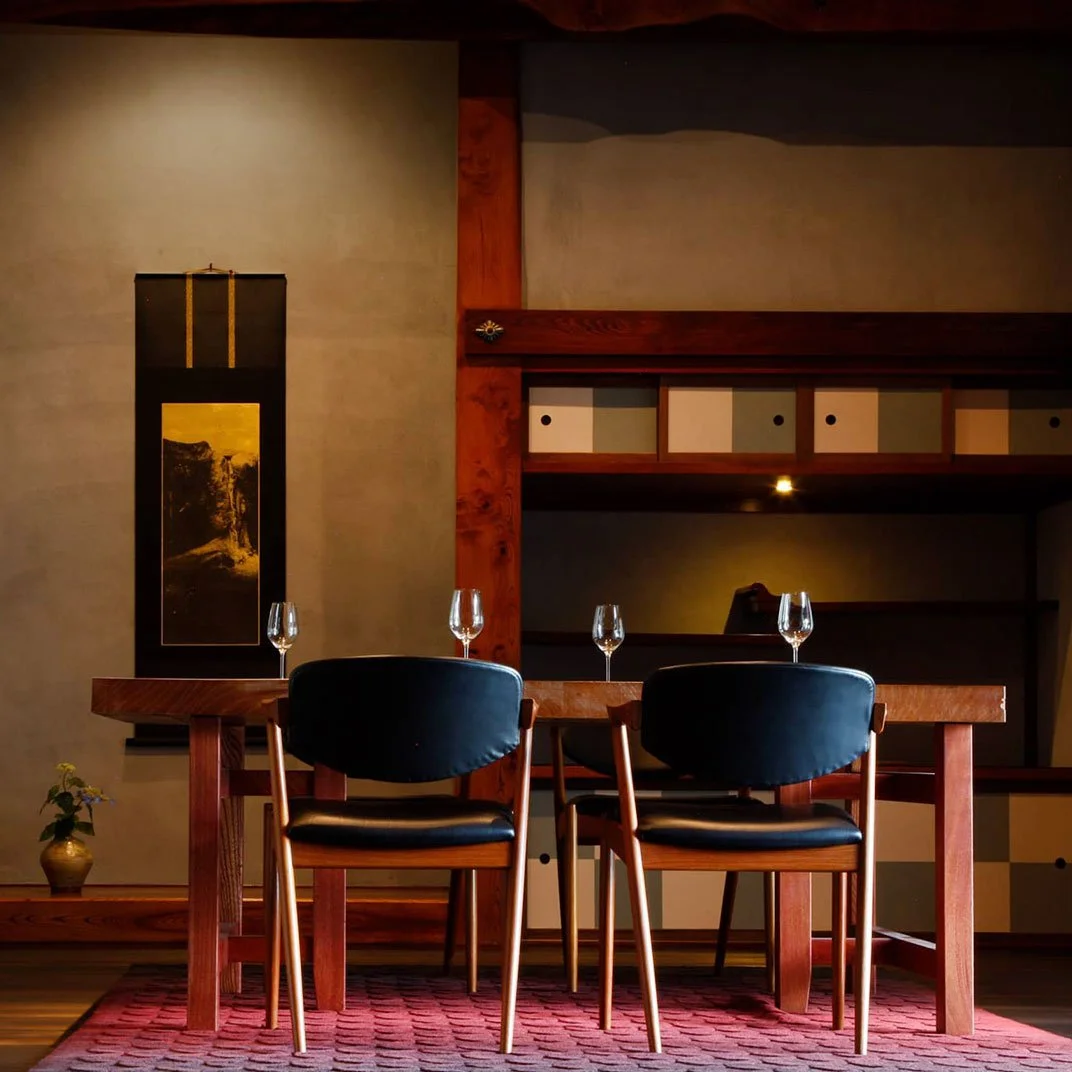
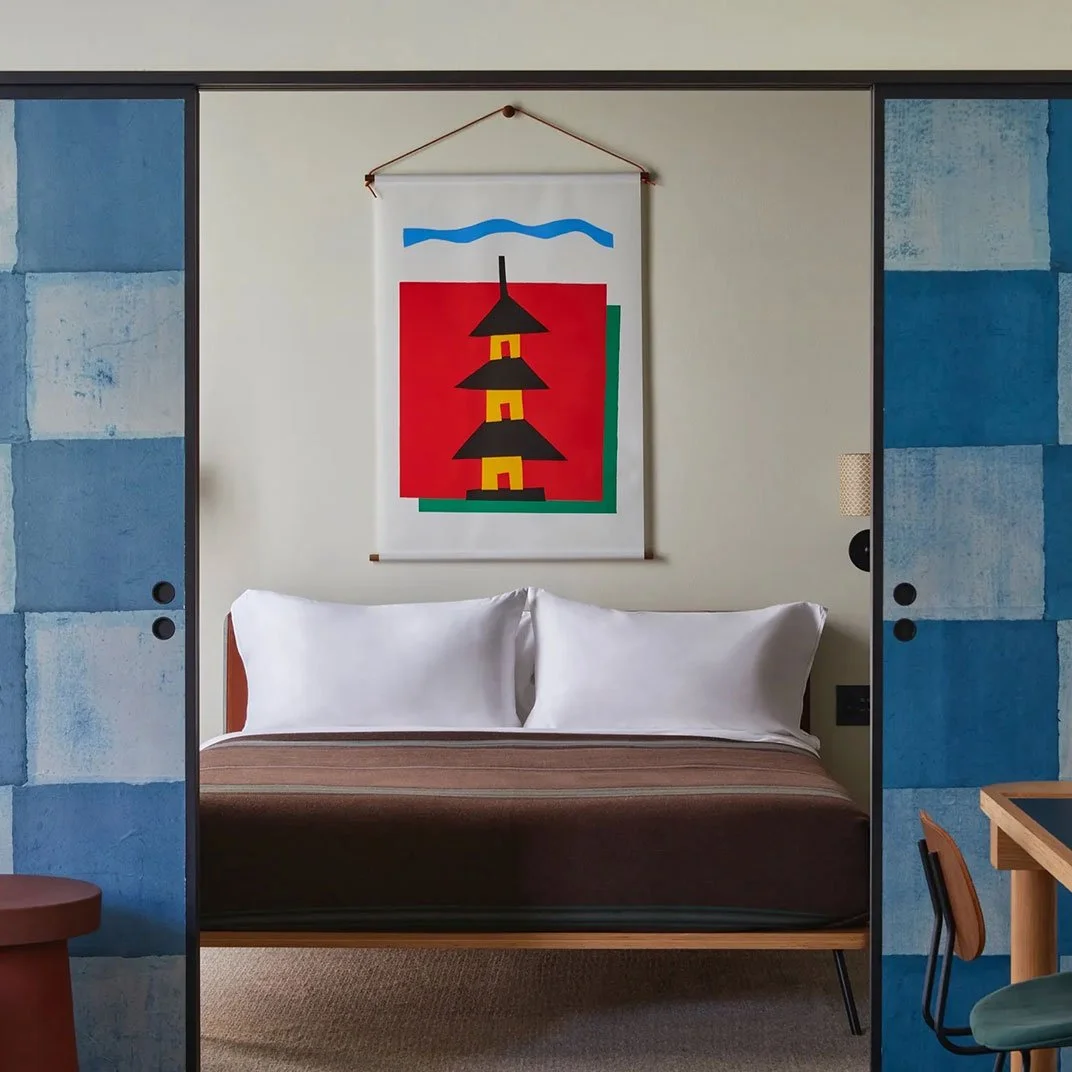
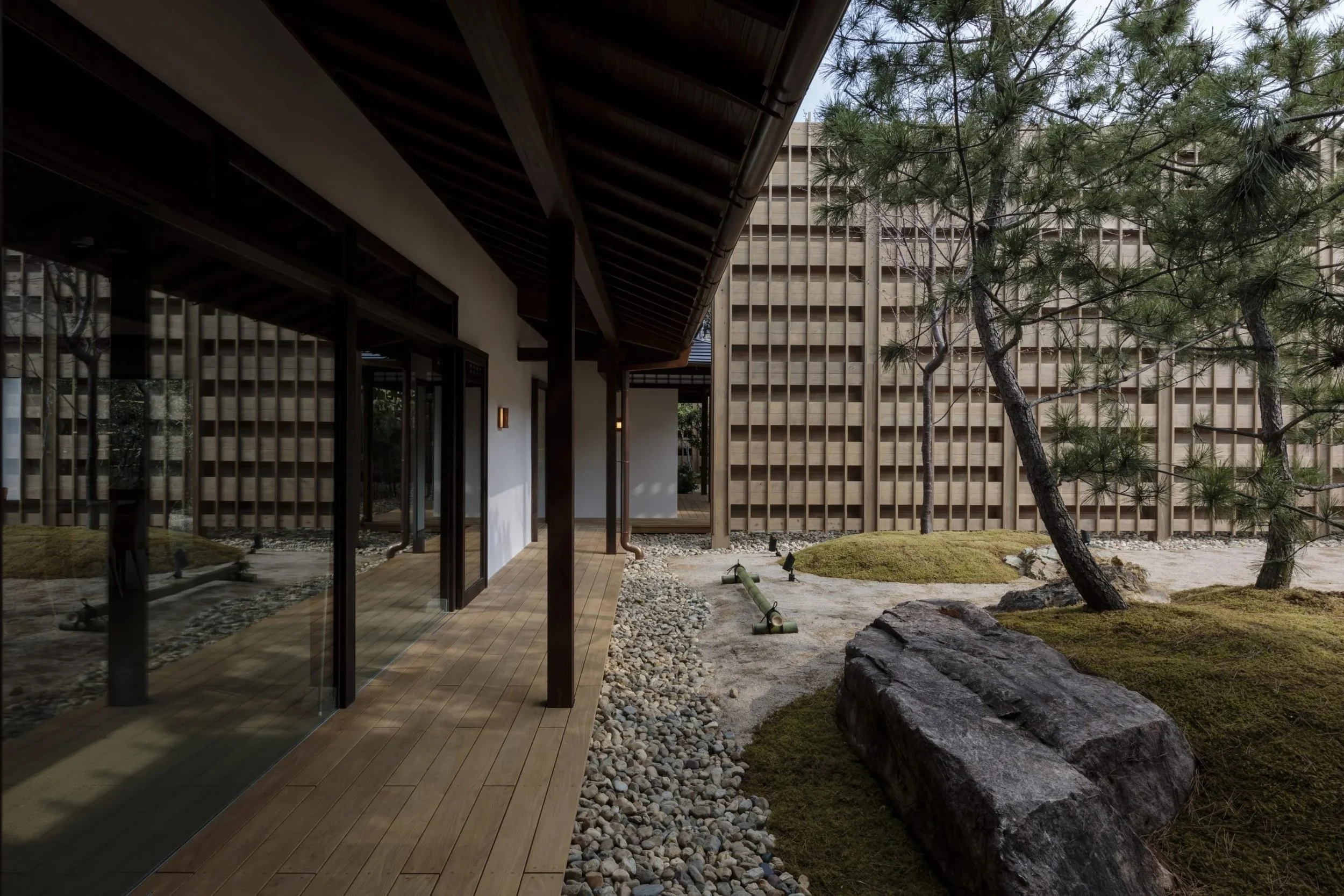
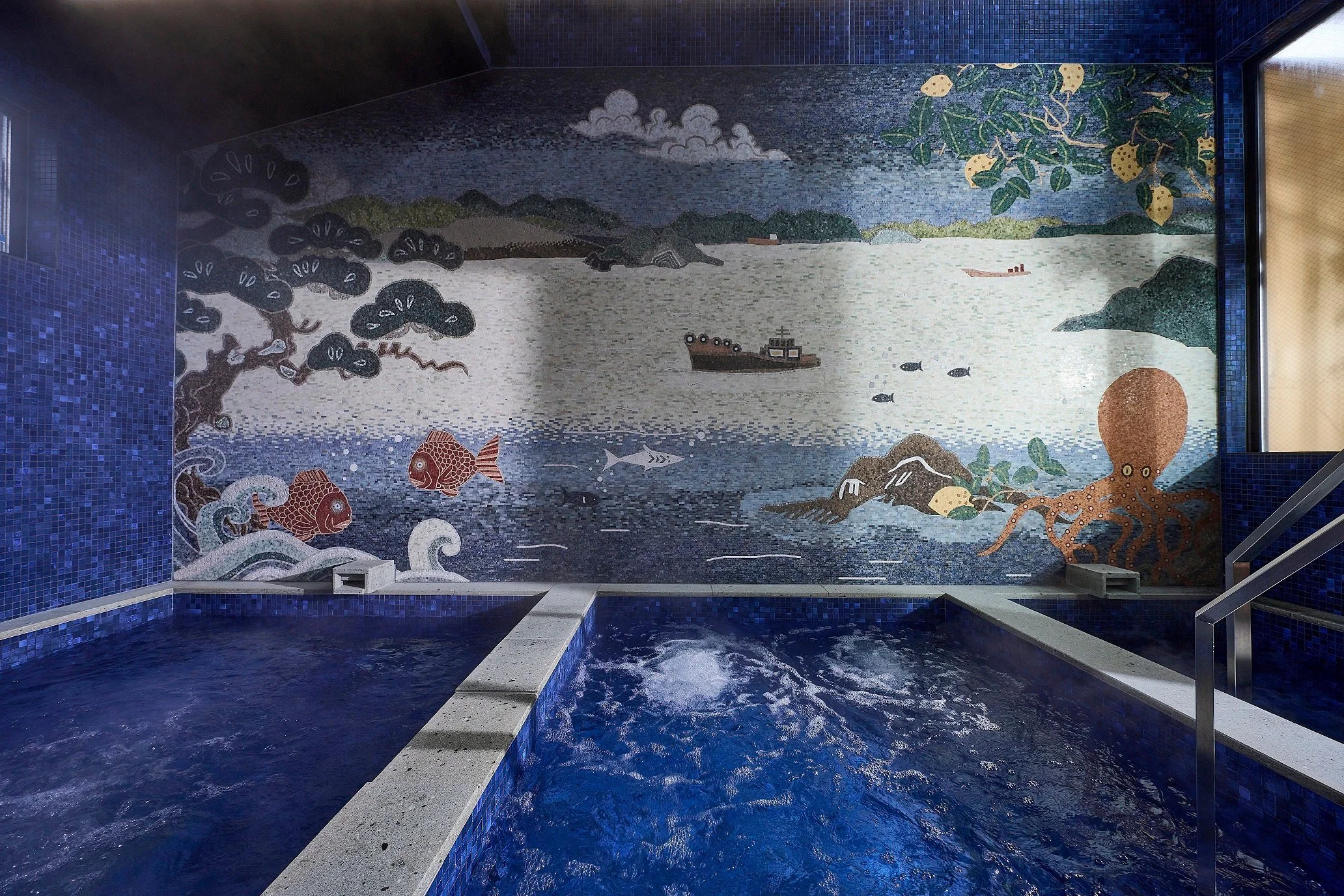
A 140-year-old saltpan merchant's residence on a small island in the Inland Sea, restored with such care you can feel the original building through everything the architects added. Twenty-two rooms, deep soaking tubs, free stocked minibar, heated floors, and a ten-course dinner that multiple guests call the best meal of their Japan trip. The town of Setoda has about 6,000 people and moves accordingly. This is where you come to actually decompress.
22 rooms; the Niwa rooms have balconies — worth requesting
Dinner at the on-site restaurant is genuinely exceptional — book it in advance, don't skip it for the convenience store
Attached Yubune bathhouse offers sauna and natural spring bathing — available to day visitors too
Ideal base for cycling the Shimanami Kaido, one of Japan's great bike routes
Getting here requires a ferry or bridge from Onomichi — factor in the journey, it's part of the experience
Rooms are floor-level Japanese style; low mattresses, minimal furniture — not for everyone
Some interior rooms have no view. Specify an exterior room when booking.
All images courtesy of Azumi Setoda
Satoyama Jujo
Niigata
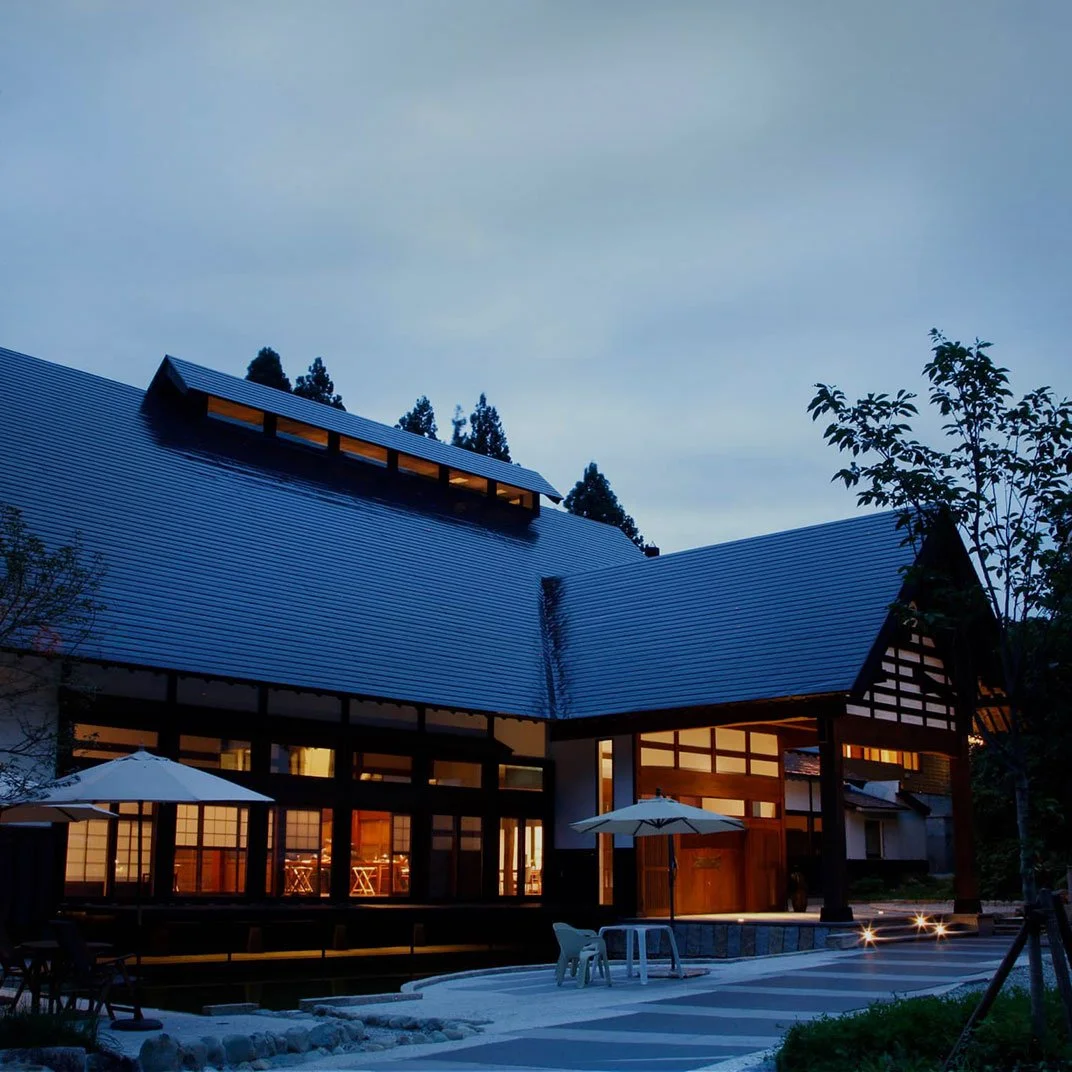
Location: Minami-Uonuma, Niigata Prefecture
Price: ~$330/night
Vibe: Mountain, minimal, Michelin-stamped
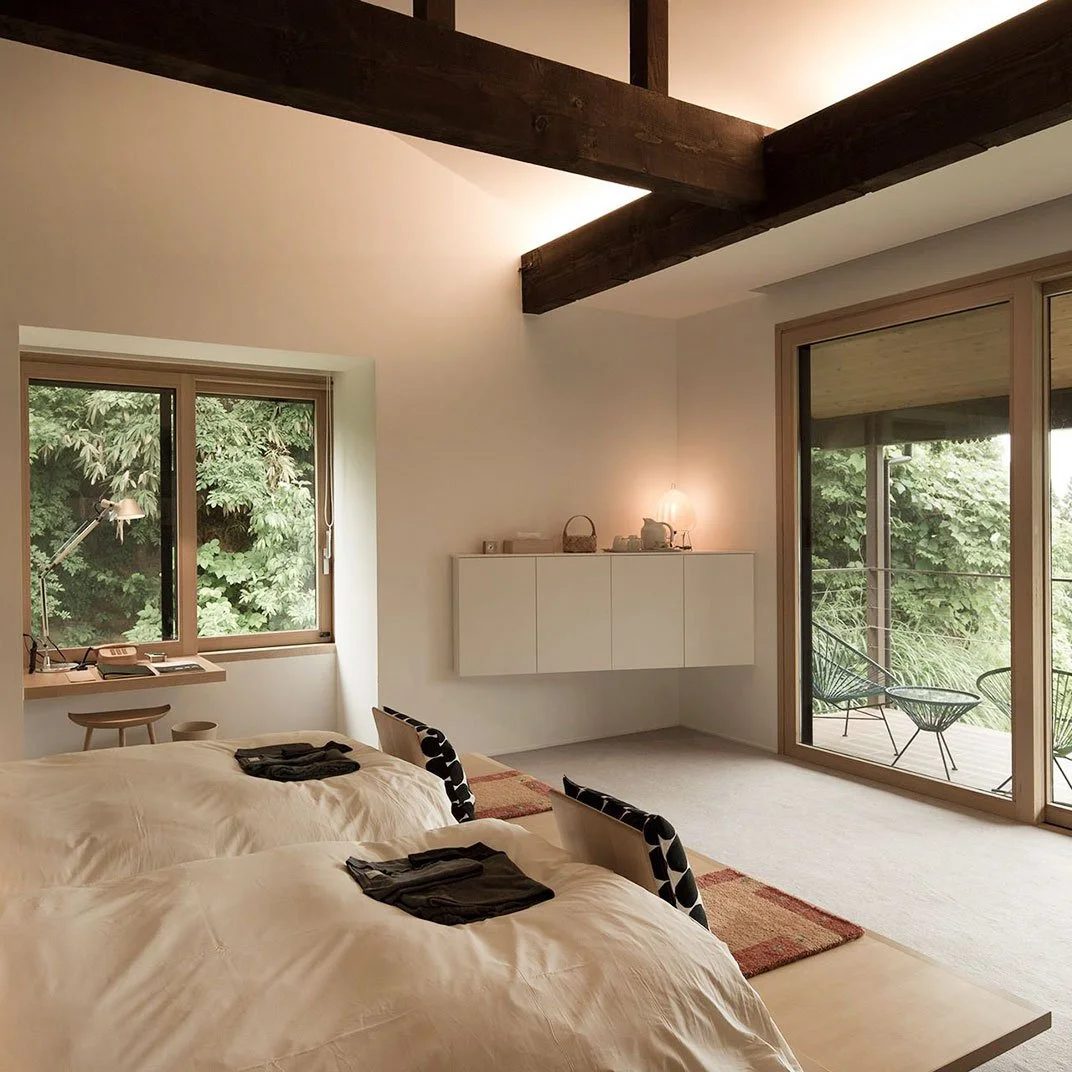
Twelve rooms in a 150-year-old farmhouse on the edge of Japan's best rice country, with mountain onsen, Michelin-starred cuisine, and enough snow in winter to make the whole thing feel genuinely remote. The chef trained at a three-Michelin-star Kyoto restaurant and learned Ayurveda in Sri Lanka — the food is its own reason to come. Satoyama Jujo also won a Michelin Key for 2025. Worth every kilometer of the journey from Tokyo.
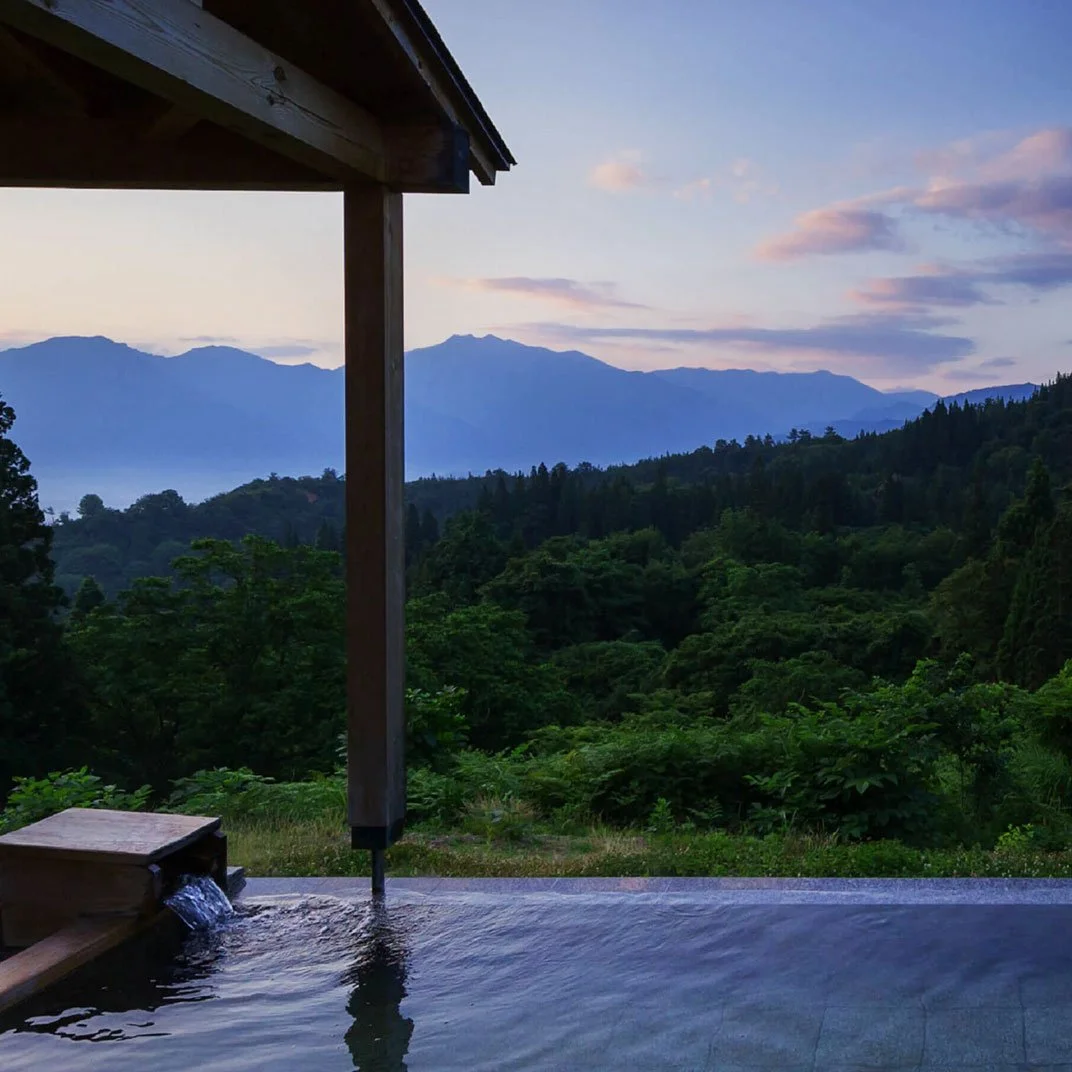
12 rooms in the main property plus two restored kominka farmhouses available for full private buyouts
The kitchen sources directly from local Niigata farmers — the rice alone is worth noting, this region produces Japan's best
Winter is the peak season; the snowscape around the onsen is something else
Access via Shinkansen to Echigo-Yuzawa then taxi (~25 min, ~¥7,000) — arrange through the hotel
The Echigo-Tsumari Art Triennale is a two-minute drive — one of Japan's most ambitious outdoor art projects
The outdoor onsen overlooks the mountains; with only 12 rooms you'll likely have it to yourself in the early morning
Beds are very low and very soft — if you're a firm-mattress person, flag it when booking.
All images courtesy of Satoyama Jujo
Ace Hotel
Kyoto
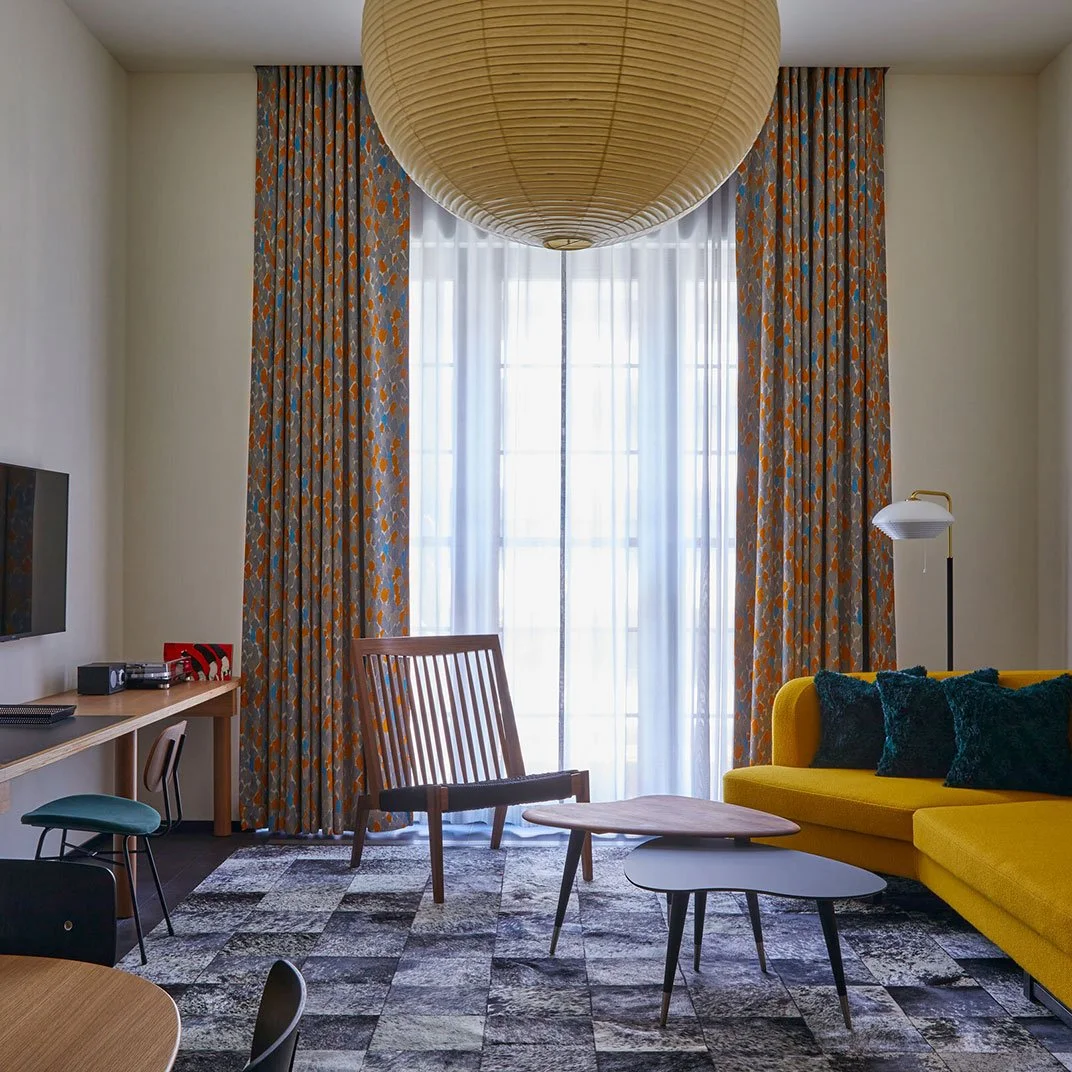
Location: Nakagyo Ward, central Kyoto
Price: ~$220/night
Vibe: Relaxed, design-forward, genuinely great value
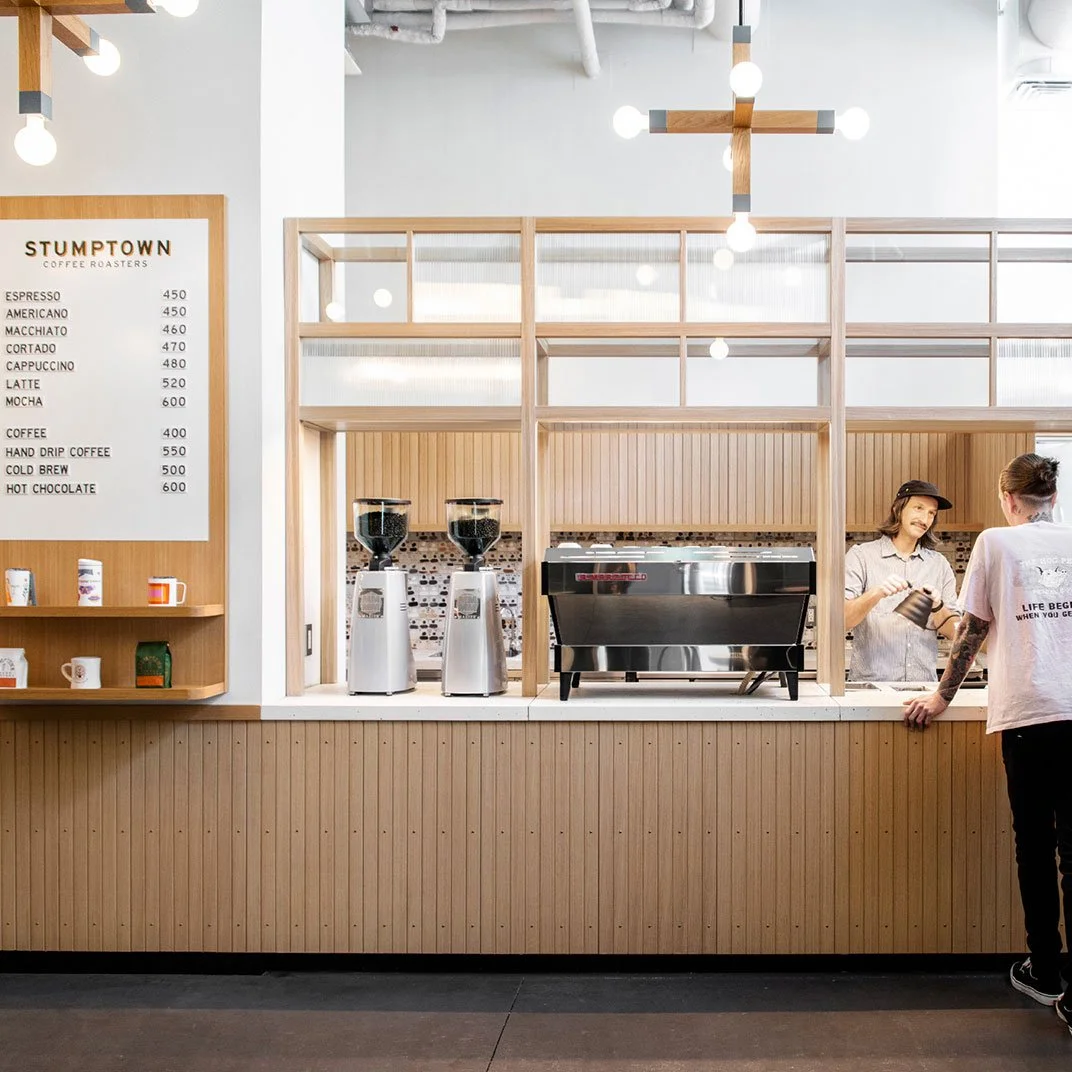
213 rooms designed by Kengo Kuma with ash-wood accents, deep soaking tubs, TEAC turntables, and Pendleton blankets. Some rooms come with a Gibson guitar. This is Ace at its most grown-up — less scene, more livable — and the Kyoto location is its best one. Karasuma Oike Station is steps away. Stumptown Coffee and two solid restaurants on site. At this price point for the location and room quality, it's one of the best value hotels on this entire page.
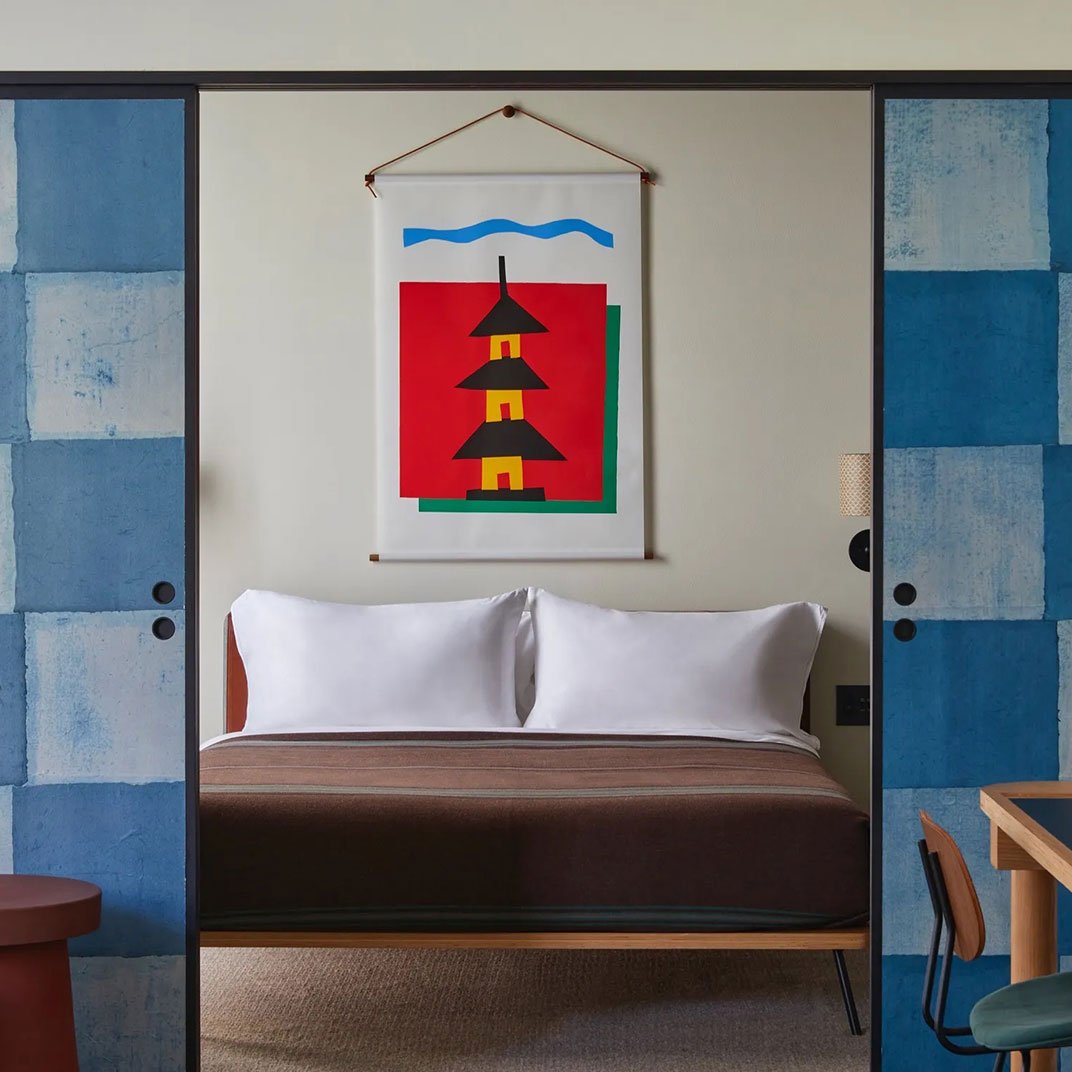
Michelin Key selected; consistently praised for staff warmth and location
Housekeeping is opt-in — put the 'Now' sign on your door if you want your room cleaned, otherwise it won't happen automatically
Not a traditional Kyoto experience — if you want ryokan immersion this isn't it. If you want a beautifully designed, well-located base to explore from, it's excellent.
213 rooms — large enough that availability is rarely an issue even in peak season
Free bikes for guests — Nishiki Market, Fushimi Inari, and the Philosopher's Path are all easy rides
Tatami family rooms available — genuinely spacious, record player included, good for longer stays
Karasuma Oike Station literally at the door: direct subway access everywhere in the city
All images courtesy of Ace Hotel Kyoto
Ryokan Kurashiki
Kurashiki
Location: Kurashiki Bikan Historical Quarter, Okayama Prefecture
Price: ~$330/night
Vibe: Heritage, hushed, canal-side perfection
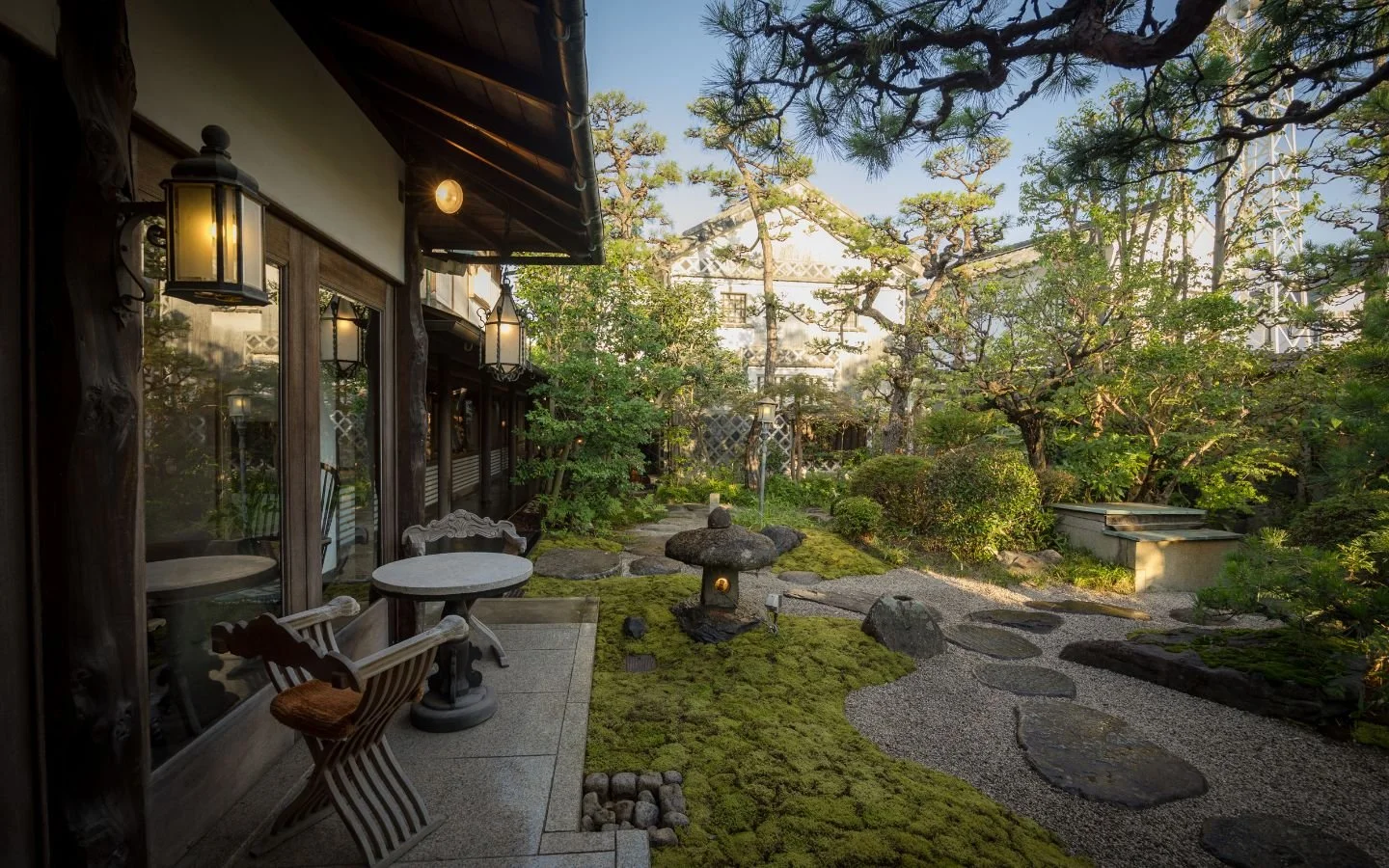
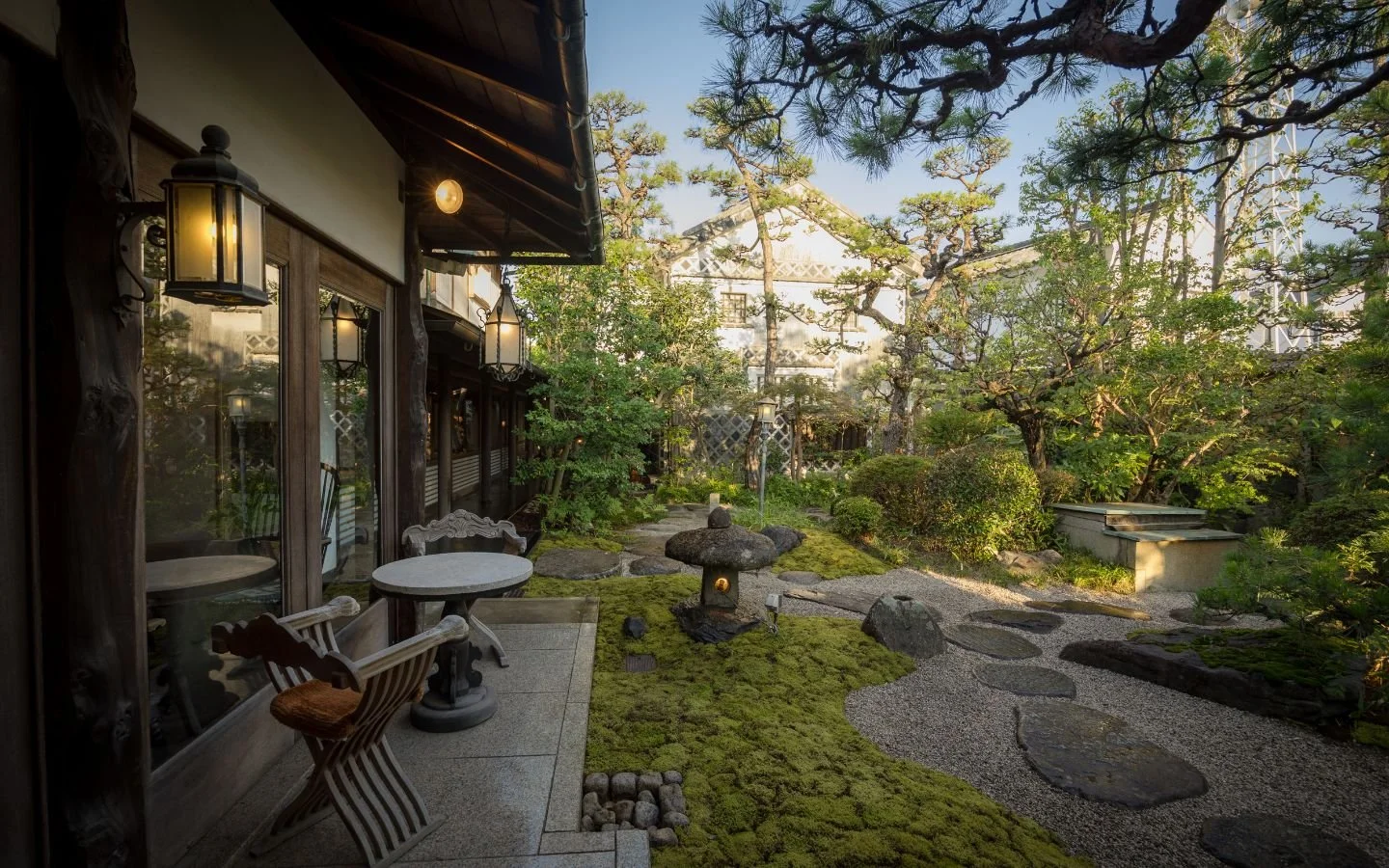
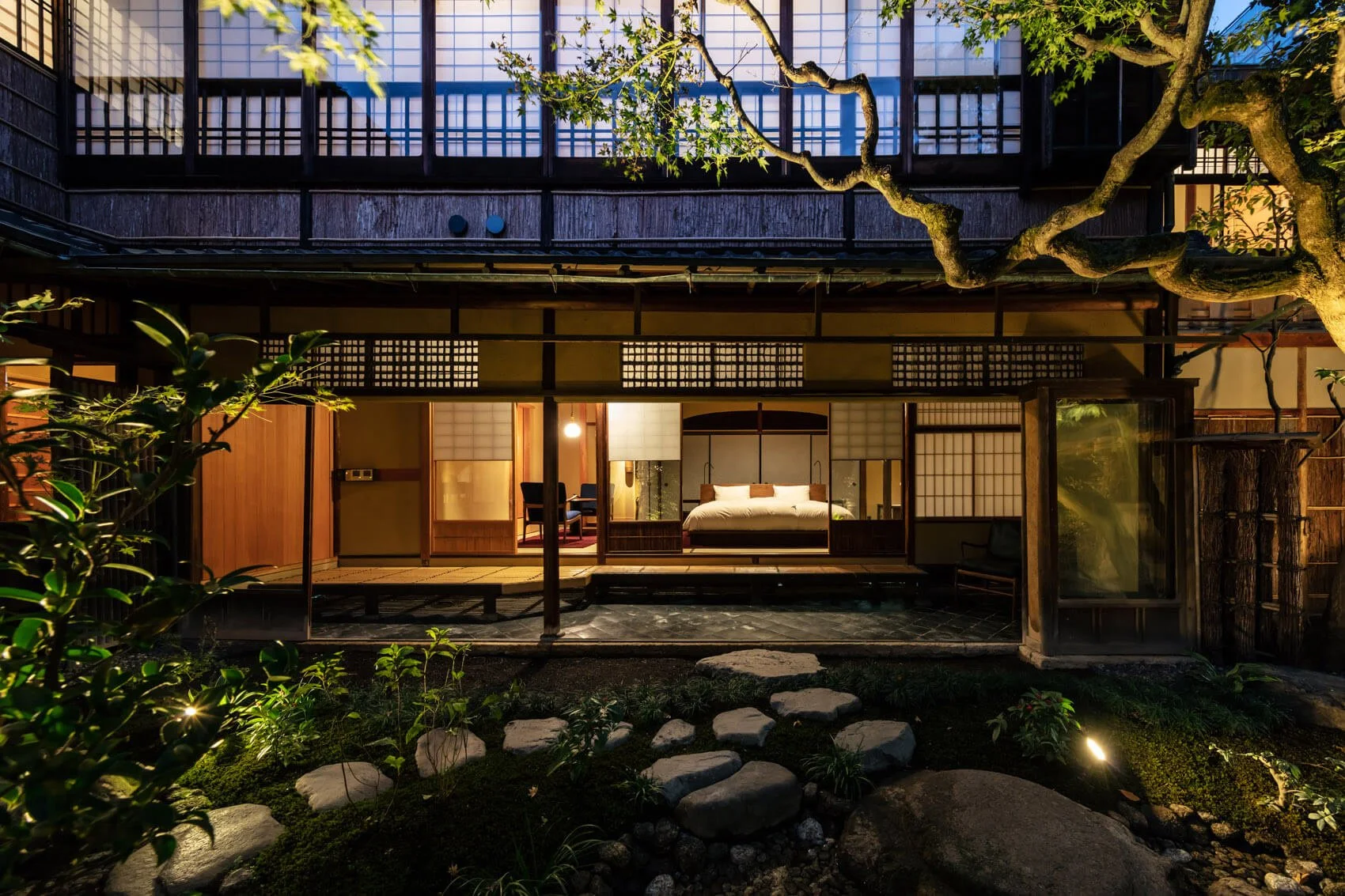
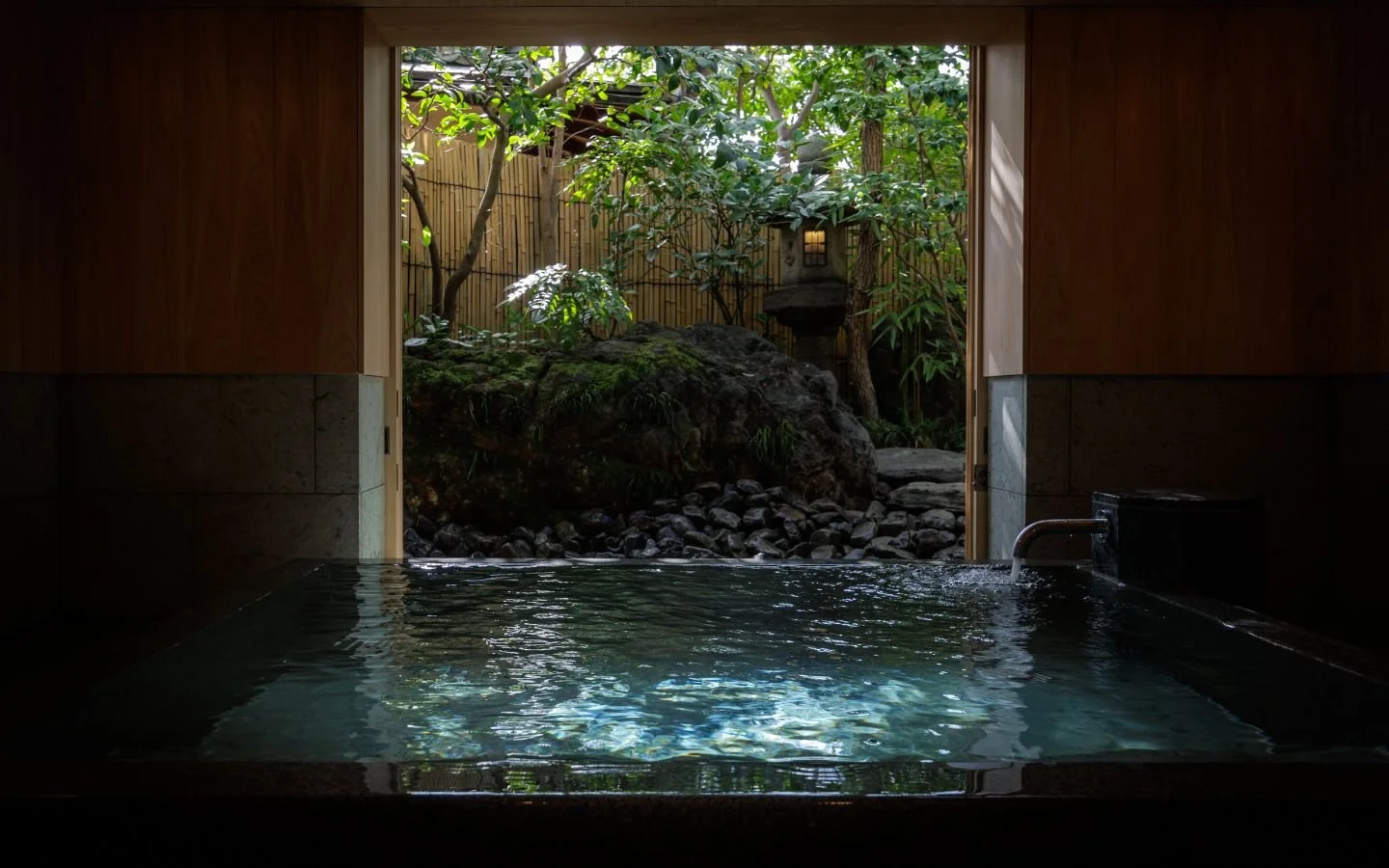
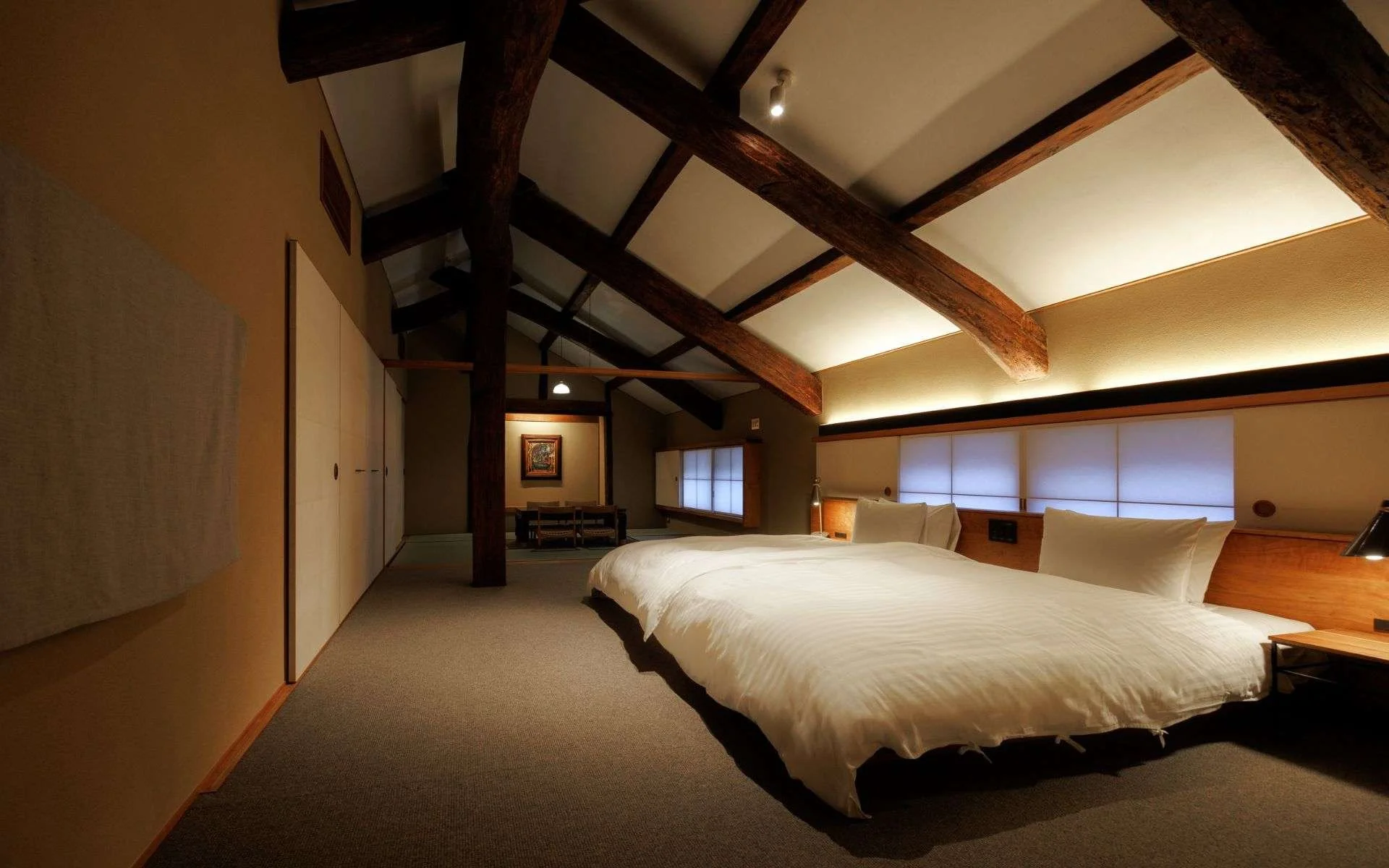
Eight rooms spread across a cluster of buildings — one dating back 280 years — right on the canal in Kurashiki's preserved historic quarter. Rates include a nine-course kaiseki dinner and breakfast, both consistently described as Michelin-worthy. After sunset when the day visitors leave, the canal lights come on and the streets go completely quiet. This is one of those stays that people mention years later.
Only 8 rooms — books out well in advance, especially weekends and peak season
Rates include dinner and breakfast — factor this into the price comparison, it's not cheap but it's not just a room
The Kura room is the most atmospheric — a 280-year-old rice storehouse with original beams — but has the bedroom upstairs and bath downstairs, which some older guests find inconvenient
Kurashiki itself is one of Japan's most underrated destinations — less visited than Kyoto, just as beautiful in its own way
Ohara Museum of Art is steps away — one of the best Western art collections in Japan, genuinely surprising
Book through the hotel directly; Michelin Guide lists reservations as request-only
This is not a budget-friendly stay — but the kaiseki dinner alone would cost ¥20,000+ at a standalone restaurant. Looked at that way, the value is real.
All images courtesy of Ryokan Kurashiki
Sowaka
Kyoto
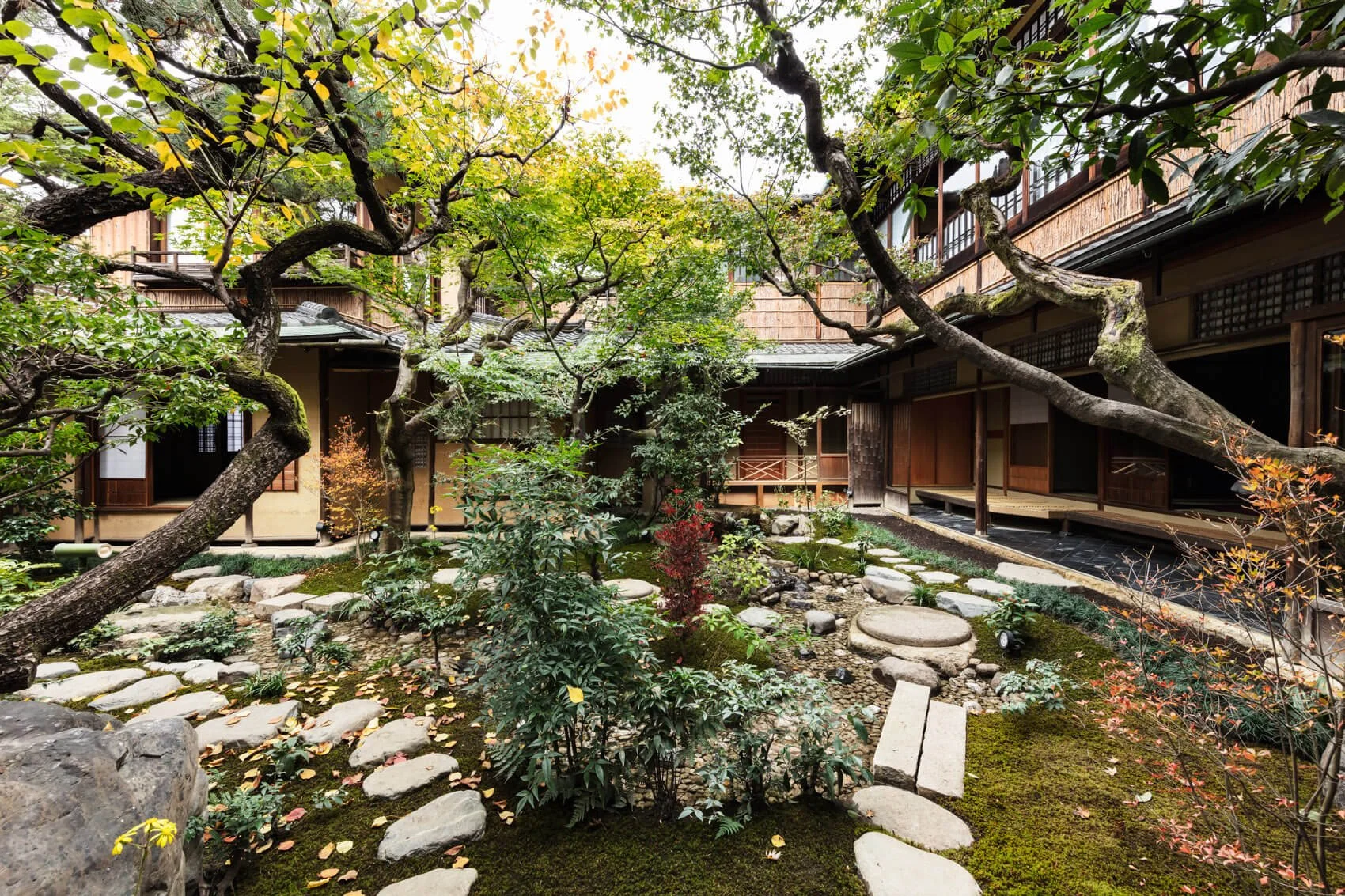
Location: Gion, Higashiyama, Kyoto
Price: ~$530/night
Vibe: Boutique Gion perfection — quiet, personal, deeply Kyoto
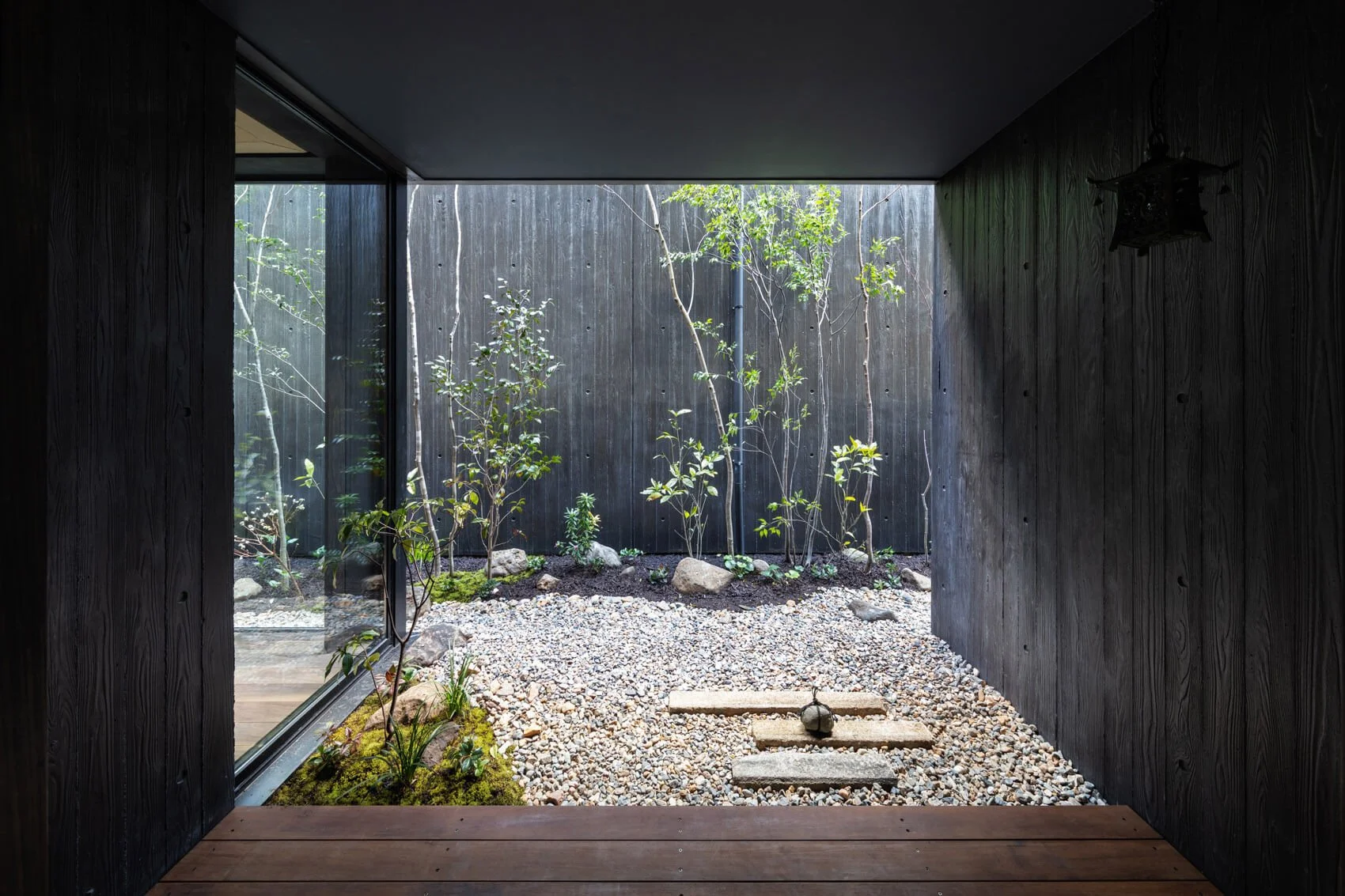
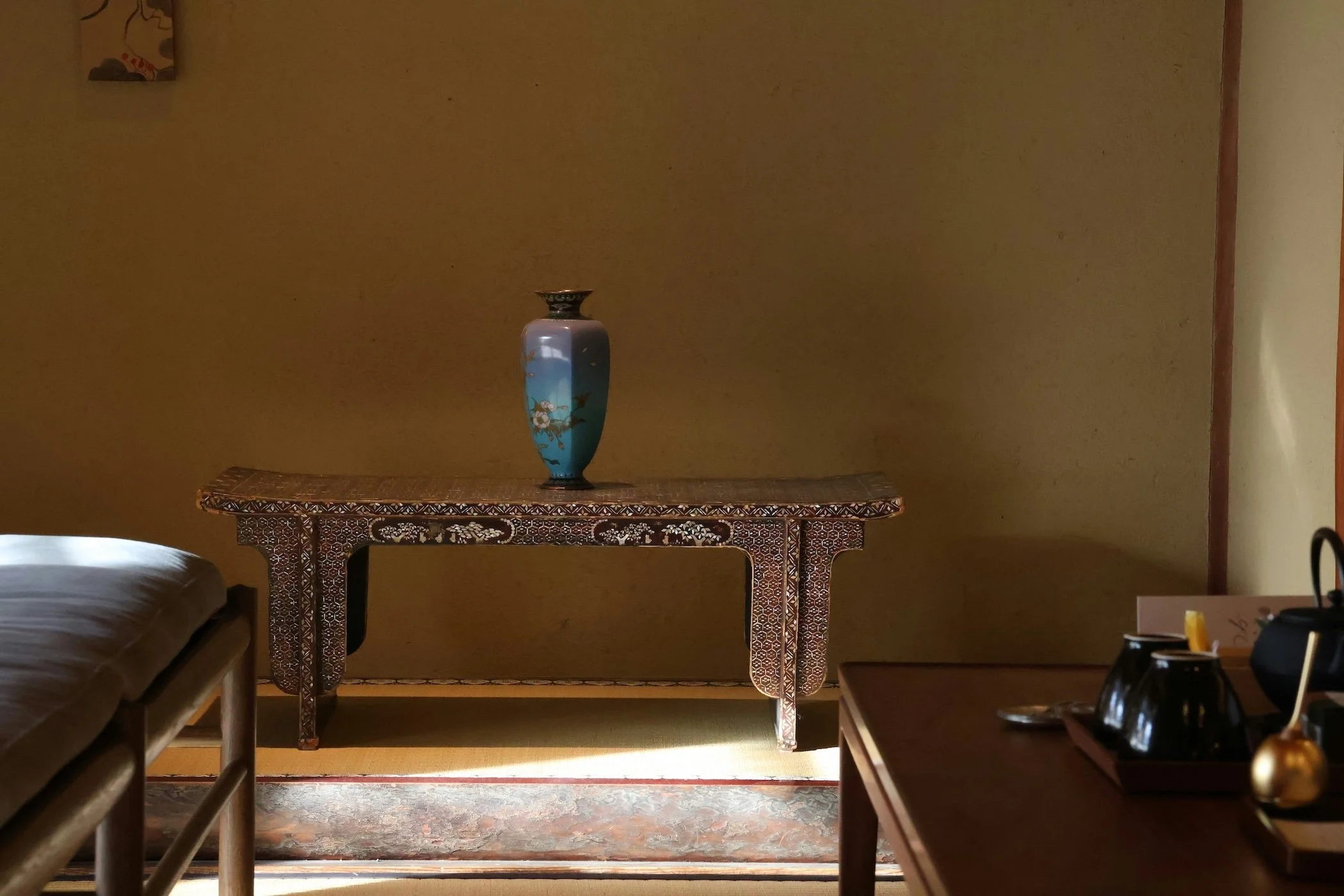
Twenty-three rooms across a collection of restored machiya and a former teahouse in the heart of Gion, two minutes from Yasaka Shrine. Every room is individually designed — cashmere mattresses, hinoki soaking tubs, private gardens or courtyard views. The service is the thing guests keep coming back for: small enough that staff remember you, polished enough that nothing is ever asked twice. One consistent note in reviews: it's expensive, and during cherry blossom season some feel the price-to-value tips.
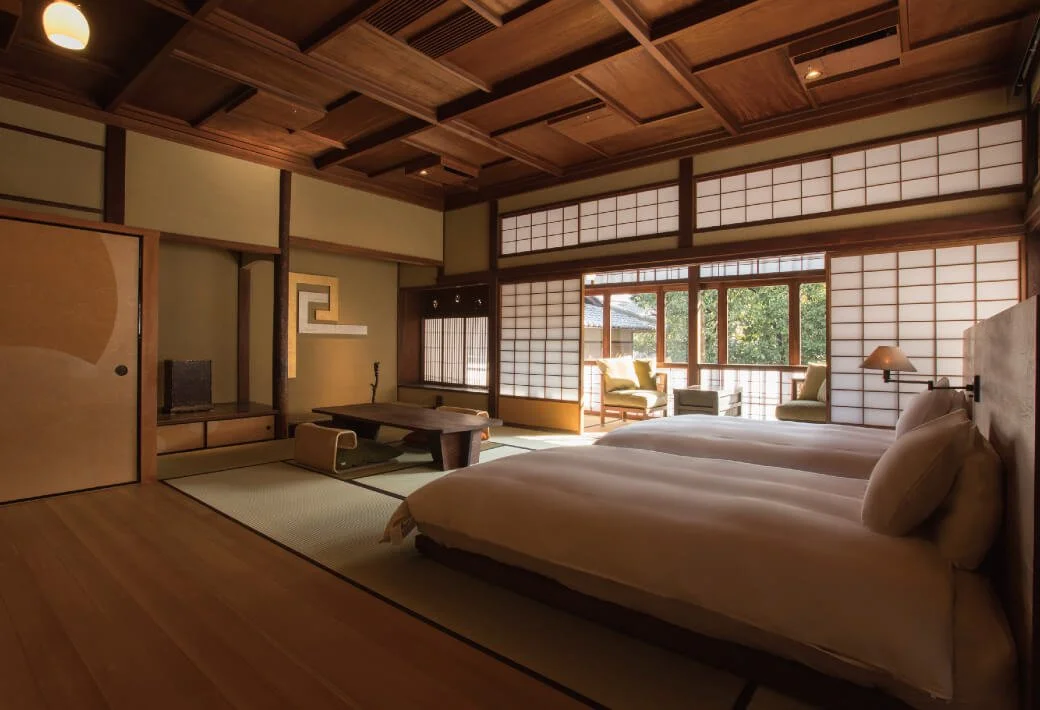
23 rooms, all individually designed — no two are the same
Ishibe Alley — one of Kyoto's most beautiful preserved stone lanes — is 650 feet from the front door
Breakfast is Japanese-style and genuinely excellent; choose it over the continental option
La Bombance Gion restaurant on site is Michelin-starred
No elevator — rooms accessed via stairs; flag mobility needs when booking
Small Luxury Hotels of the World member
Book the room with a private garden if available — the courtyard rooms are beautiful but the garden rooms are the ones worth stretching for.
All images courtesy of Sowaka
Nipponia Tomonoura
Hiroshima Coast
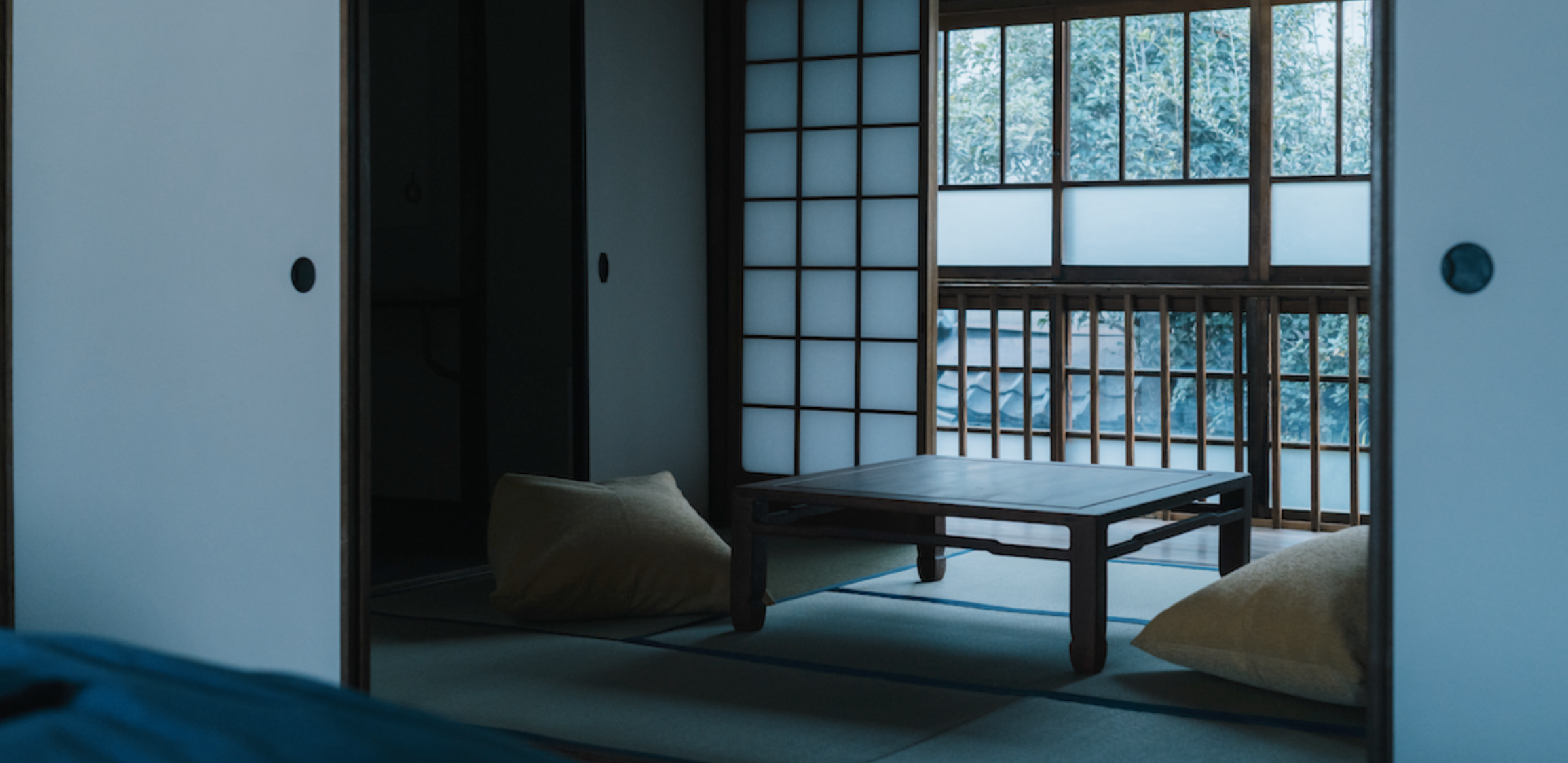
Location: Tomonoura port town, Hiroshima Prefecture
Price: ~$200/night
Vibe: Historic port town, slow, completely off the tourist track
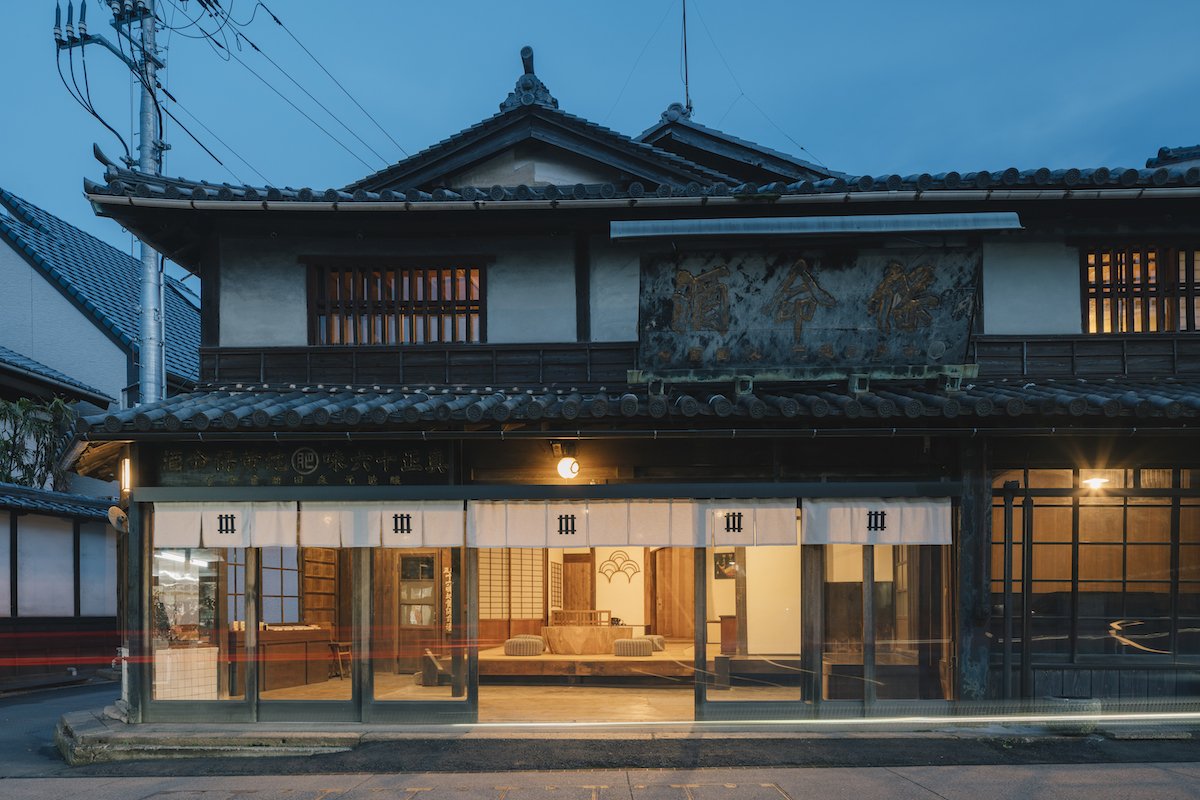
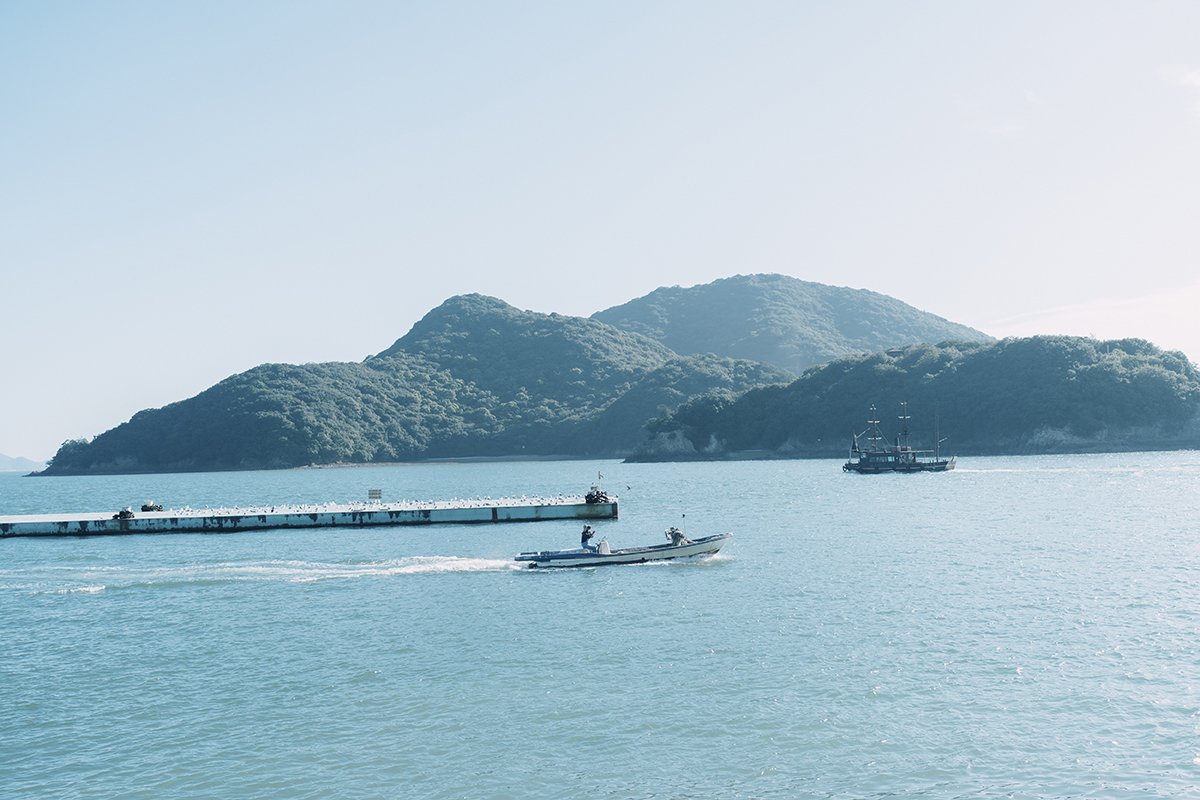
Tomonoura is a preserved Edo-period fishing village on the Seto Inland Sea — the kind of place Miyazaki used as reference for Ponyo, where fishing boats still moor in the same harbor they've used for centuries. Nipponia's rooms are spread across restored merchant houses woven into the town's fabric, each one different, each one accessed on foot through narrow port streets. Staff walk you to your room. The town has almost no tourists. That's the entire point.
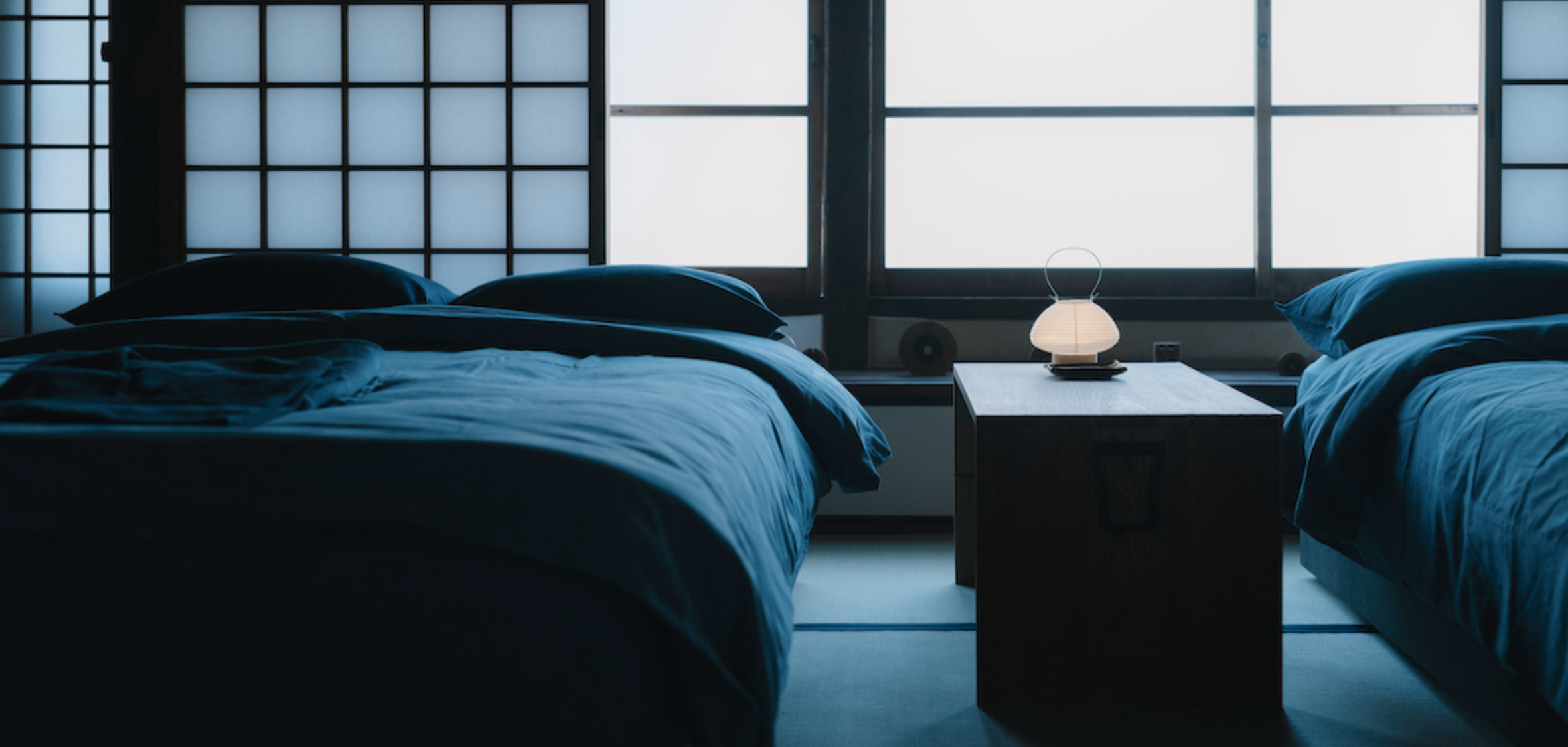
Rooms spread across multiple restored historic buildings — you essentially have your own townhouse
Getting here requires a bus from Fukuyama Station (~30 min) — part of the appeal, not an inconvenience
Guided walks of the town available through the hotel — Yuriko is mentioned by name in multiple reviews, request her
Fukuzenji Temple is steps away, with one of the most celebrated views in the Inland Sea
Pairs naturally with Hiroshima city or Azumi Setoda for a longer Setouchi itinerary
Very limited English signage in the town itself — the hotel staff are your resource, lean on them
This is genuinely off the radar. Most people passing through Japan will never find it. That's exactly why it's here.
All images courtesy of Nipponia
$$$ - $$$$

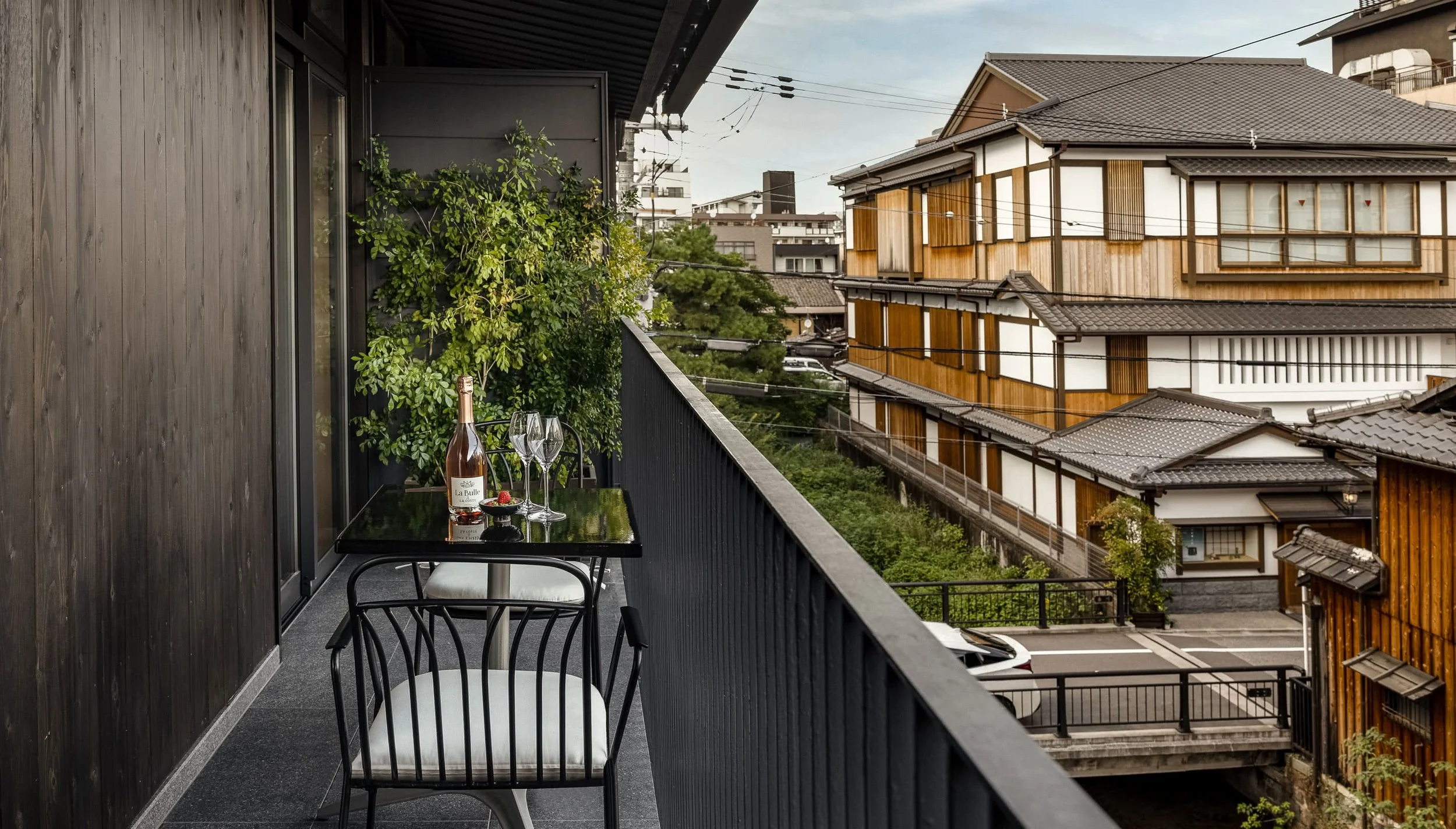
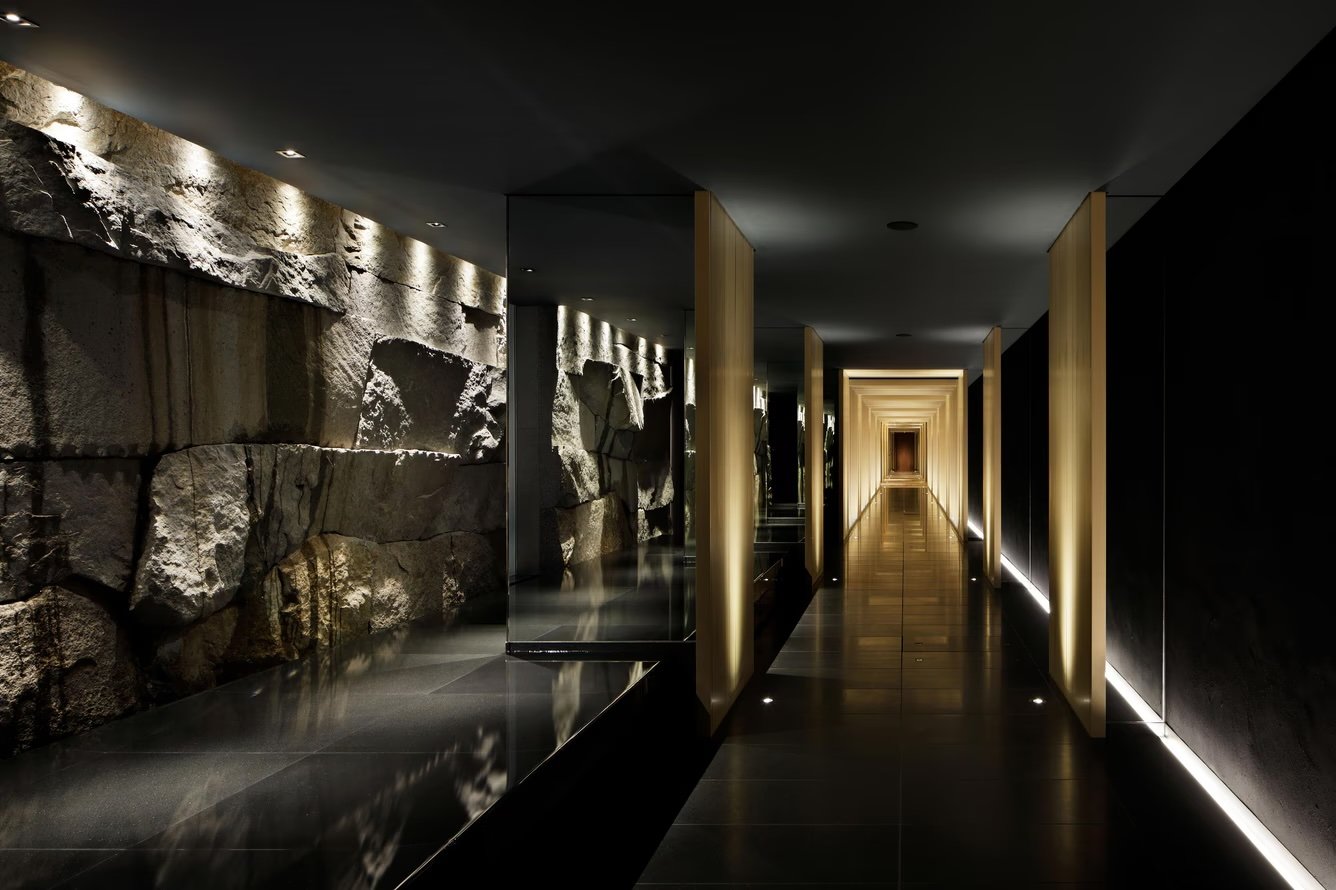
Amanemu
Ise-Shima
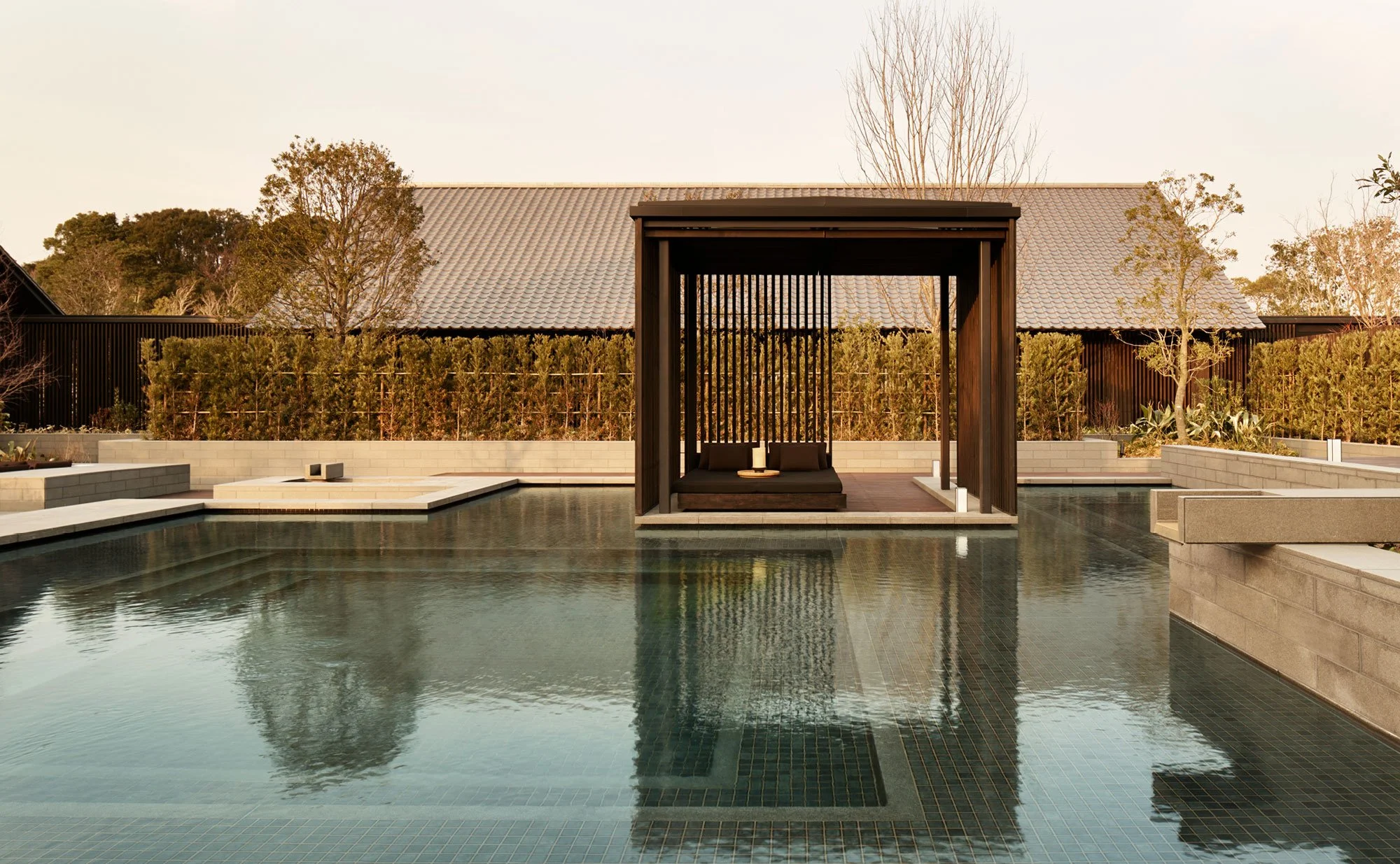
Location: Ise-Shima National Park, Mie Prefecture
Price: ~$1,600/night
Vibe: Aman in the forest, onsen-first, properly remote
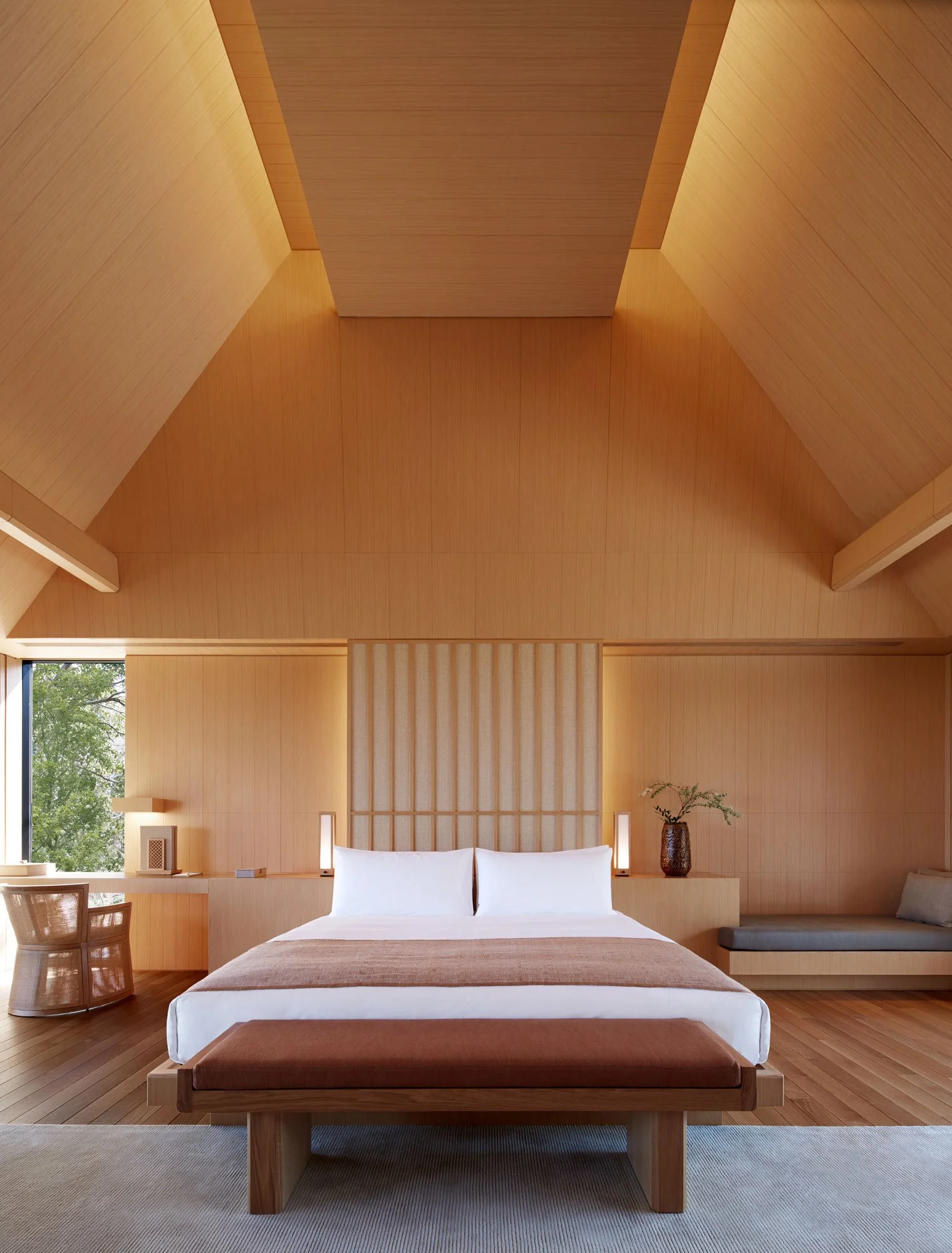
Thirty-two suites embedded in the forested hills above Ago Bay in Ise-Shima National Park. Every suite has a private onsen fed by natural mineral springs — the kind of hot spring water that's been piped directly from the source rather than treated and recirculated. The design is Minko-inspired: low wooden forms, sliding timber shutters, large windows that bring the forest inside. Unlike Aman Tokyo, this one is genuinely isolated — the nearest town is a taxi ride away and that's entirely the point. Dinner is kaiseki in a room facing the trees. Breakfast is whatever you want, delivered when you want it.
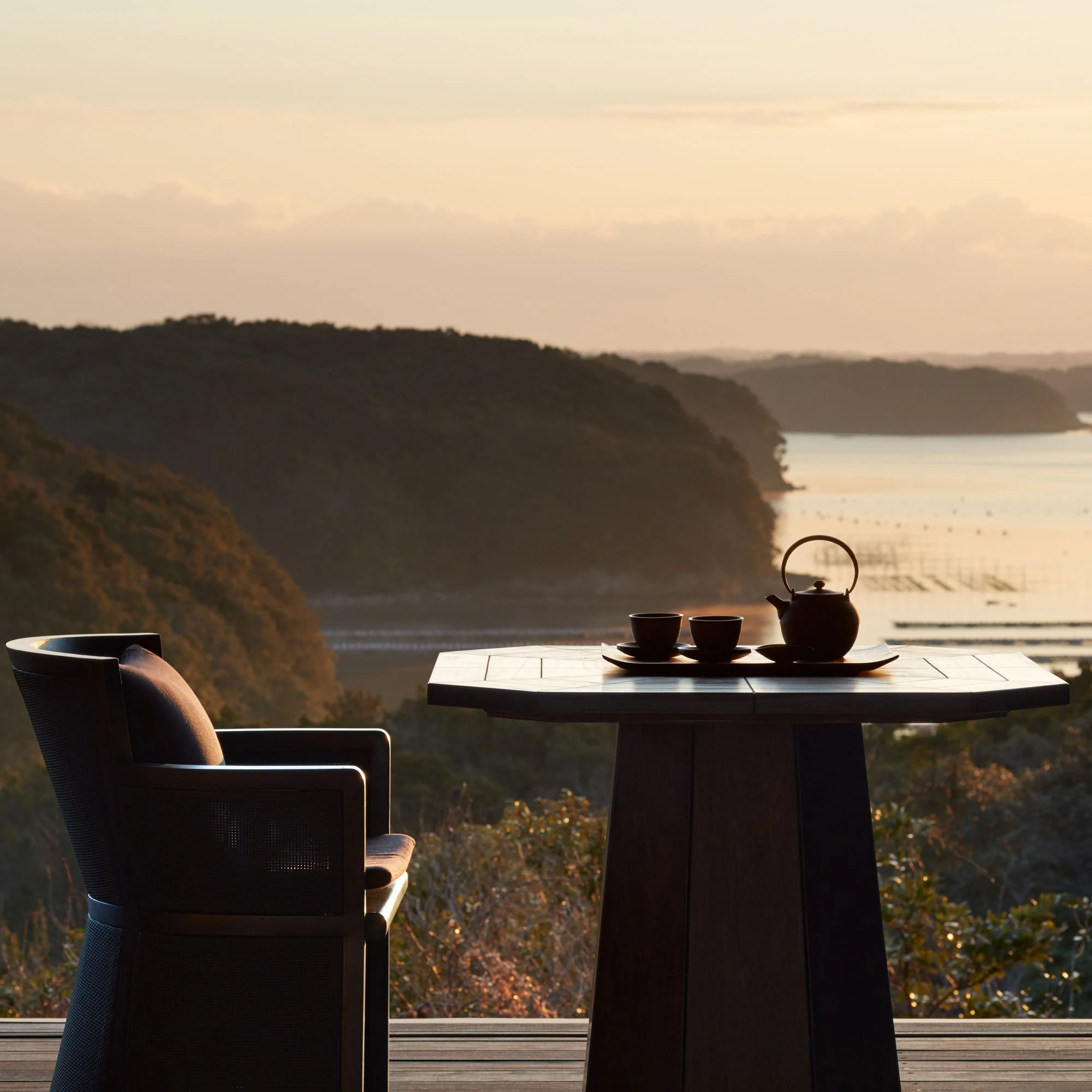
32 suites, all with private indoor and outdoor onsen — no shared bath facilities, total privacy
Aman Spa includes a 25-metre pool, multiple treatment rooms, and access to additional thermal bathing pools fed by the same mineral springs
20-minute drive from Ise Grand Shrine — Japan's most sacred Shinto site, worth building a half-day around
Access by express train from Nagoya (~1.5 hrs to Shima-Isobe Station), then hotel car — arrange the transfer through the hotel at booking
Peak rates spike in spring (cherry blossom) and autumn; shoulder seasons offer meaningfully better pricing for the identical experience
Watsu (underwater bodywork) treatments available at the spa — genuinely exceptional and rarely found at this level anywhere in Japan
The location is remote enough that you should plan to spend at least two nights. One night here feels rushed — the rhythm of the place takes a full day to absorb.
All images courtesy of Amanemu
The Shinmonzen
Kyoto
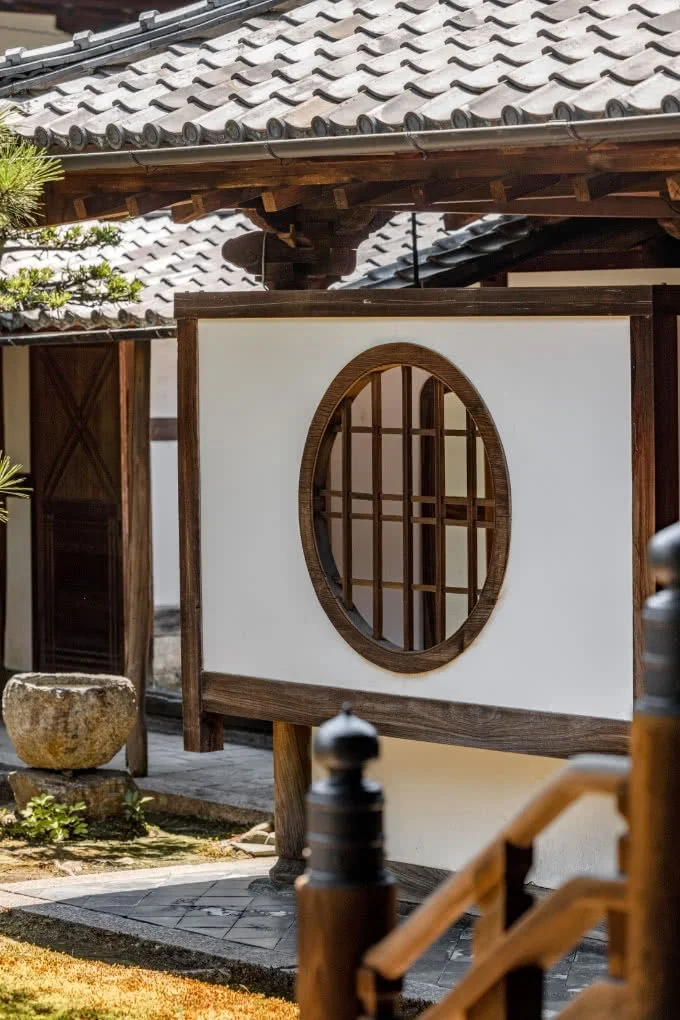
Location: Shinmonzen Street, Gion, Kyoto
Price: From ~$1,000/night
Vibe: Nine rooms. Tadao Ando. The Shirakawa River directly outside. That's it.
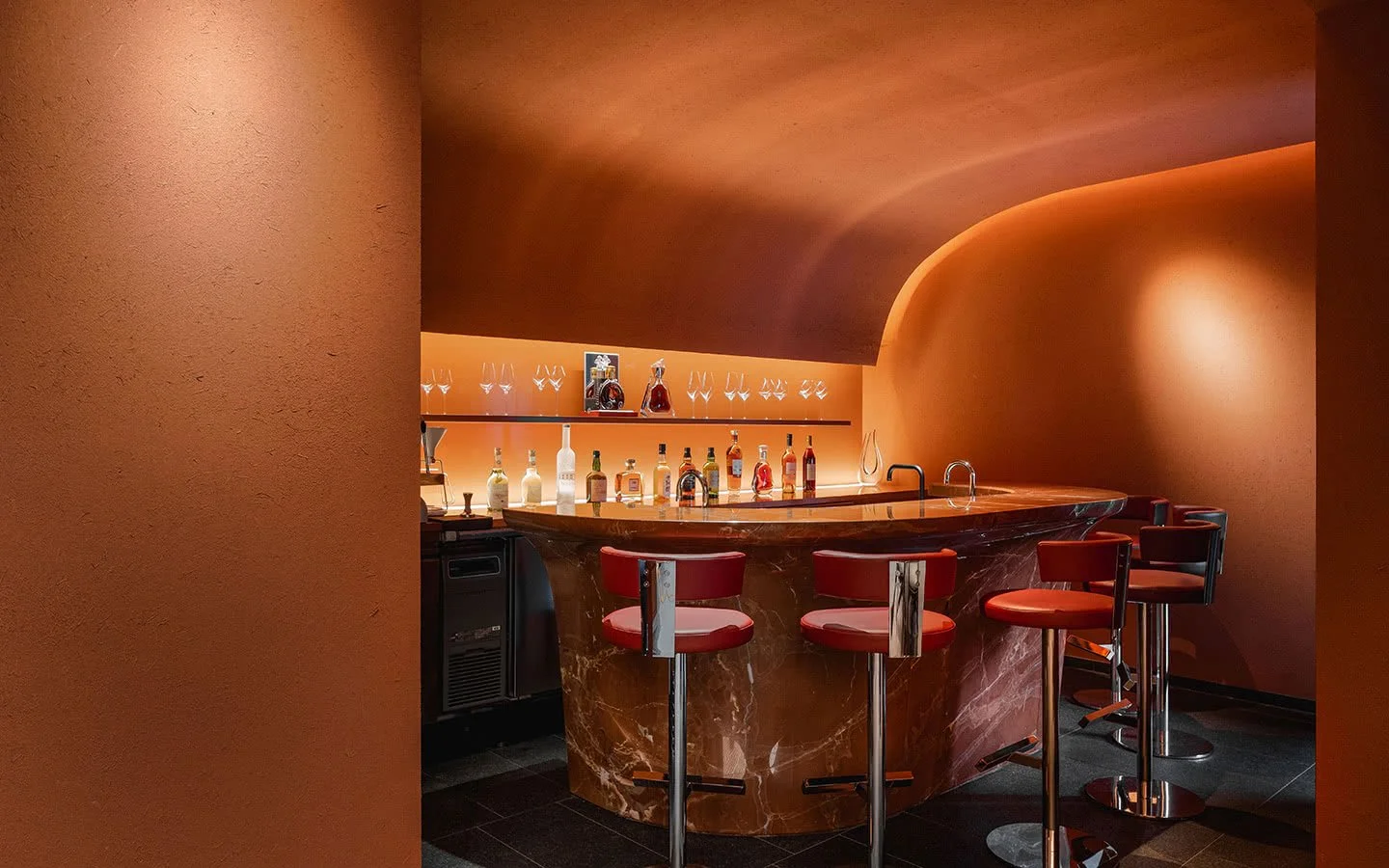
Designed by Tadao Ando — nine suites on one of the rare streets in Kyoto with no overhead power lines, right on the Shirakawa River canal in Gion. The design is softened concrete and warm timber, ryokan in spirit with none of the convention. The service is the thing every guest talks about: a staff that knows your name before you've unpacked, will book restaurants without being asked, and has been known to arrange a riverside breakfast on the stone steps outside. Jean-Georges has a restaurant here. The reviews read like love letters.
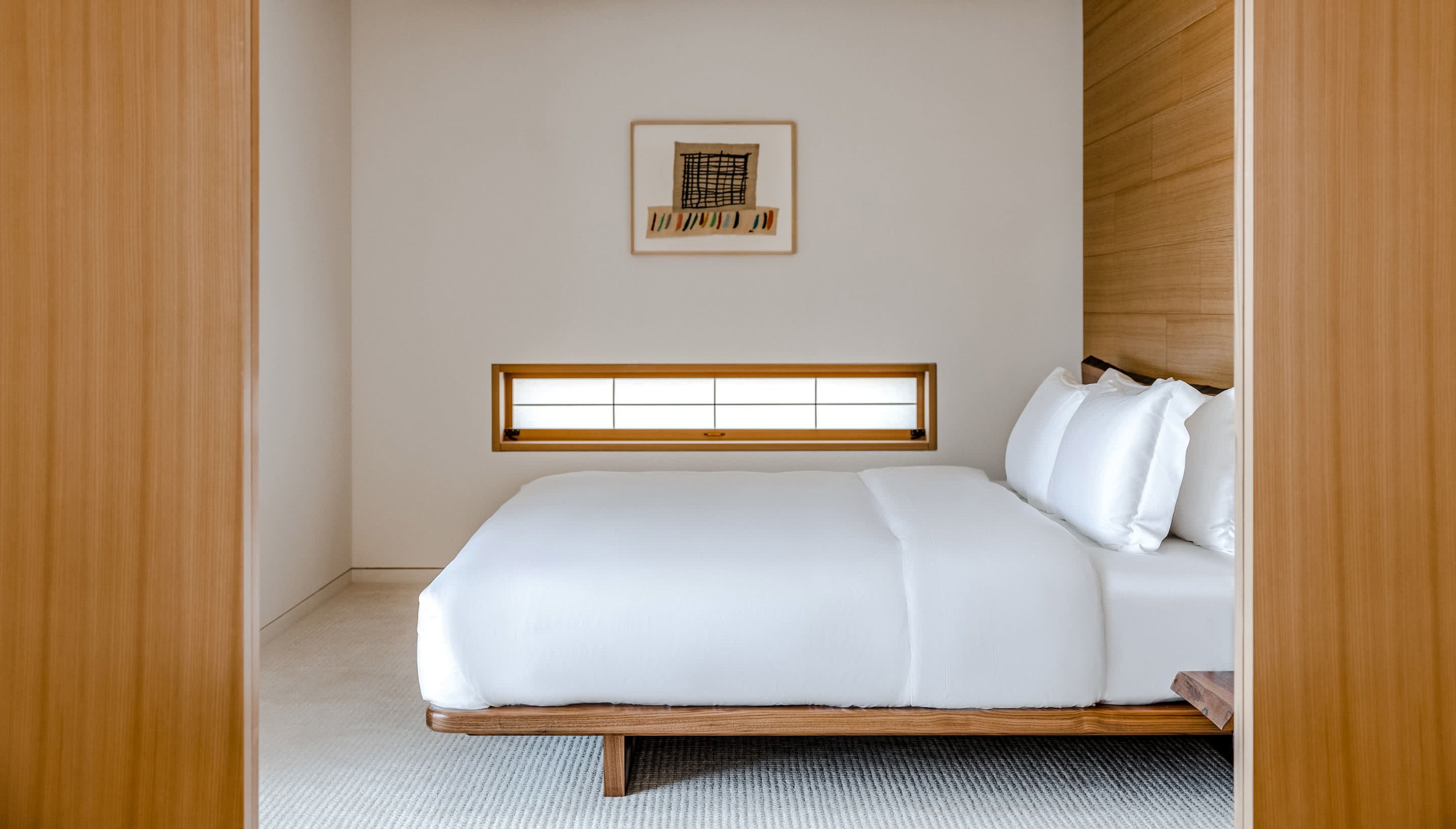
9 suites only — the most intimate property on this entire page
Every suite faces the Shirakawa River canal — the willow trees, the stone bridges, the machiya townhouses opposite
Breakfast in bed is the move — specifically the eggs, which many of our reviewers describe as transformative (not a word we use lightly)
Shinmonzen Street is lined with antique and art galleries — a serious browsing afternoon before dinner
5-minute walk to Yasaka Shrine; Ishibe Alley and the Philosopher's Path both nearby
No elevator — flag mobility requirements at booking
At this price and this room count, book as far ahead as possible. This sells out months in advance for peak season. If dates are flexible, the shoulder seasons — November and late March — offer the best balance of availability and atmosphere.
All images courtesy of Shinmonzen
The Mitsui
Kyoto
Location: Nijo, Nakagyo Ward, Kyoto
Price: From ~$750/night
Vibe: Historic site, world-class spa, Michelin-stamped
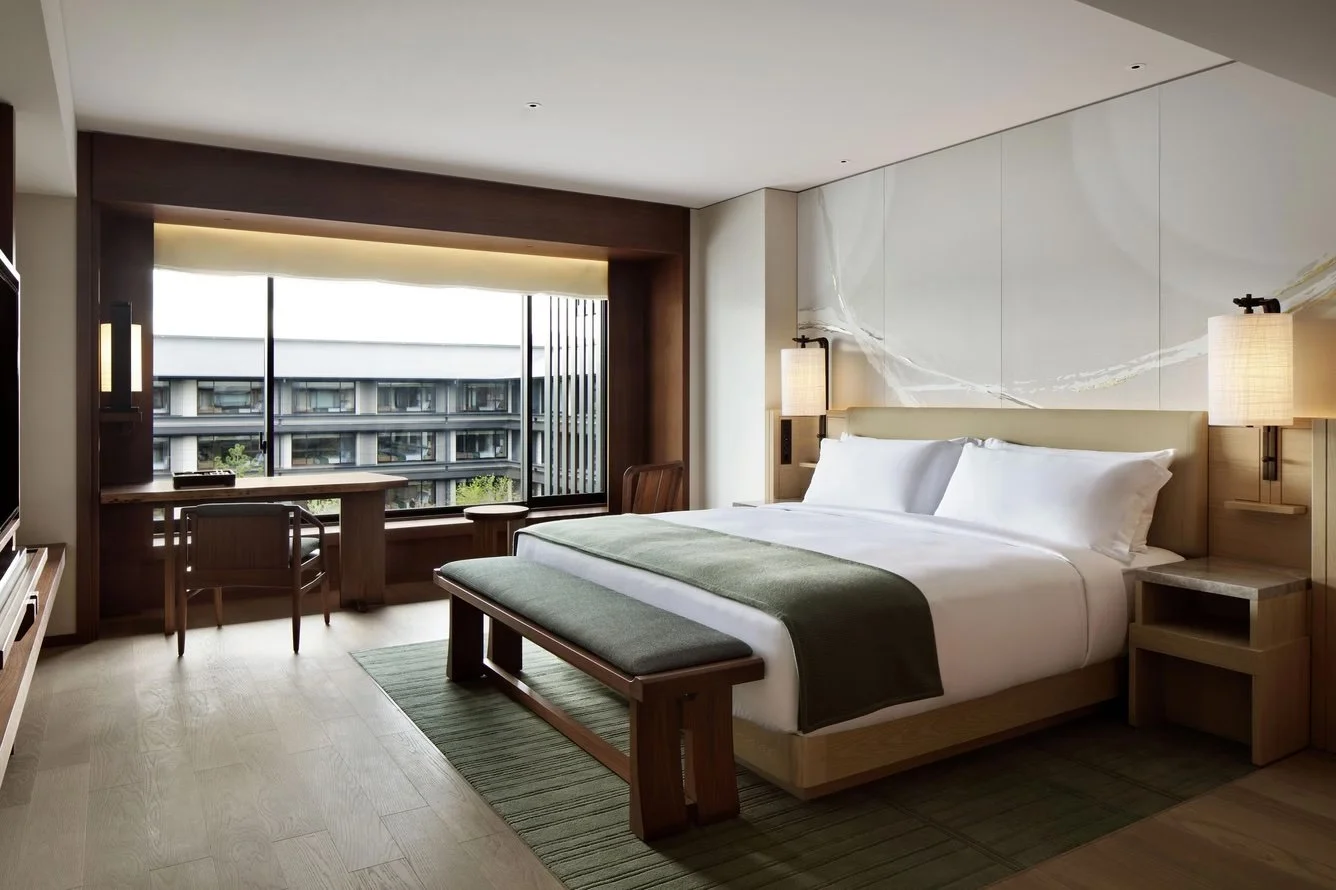
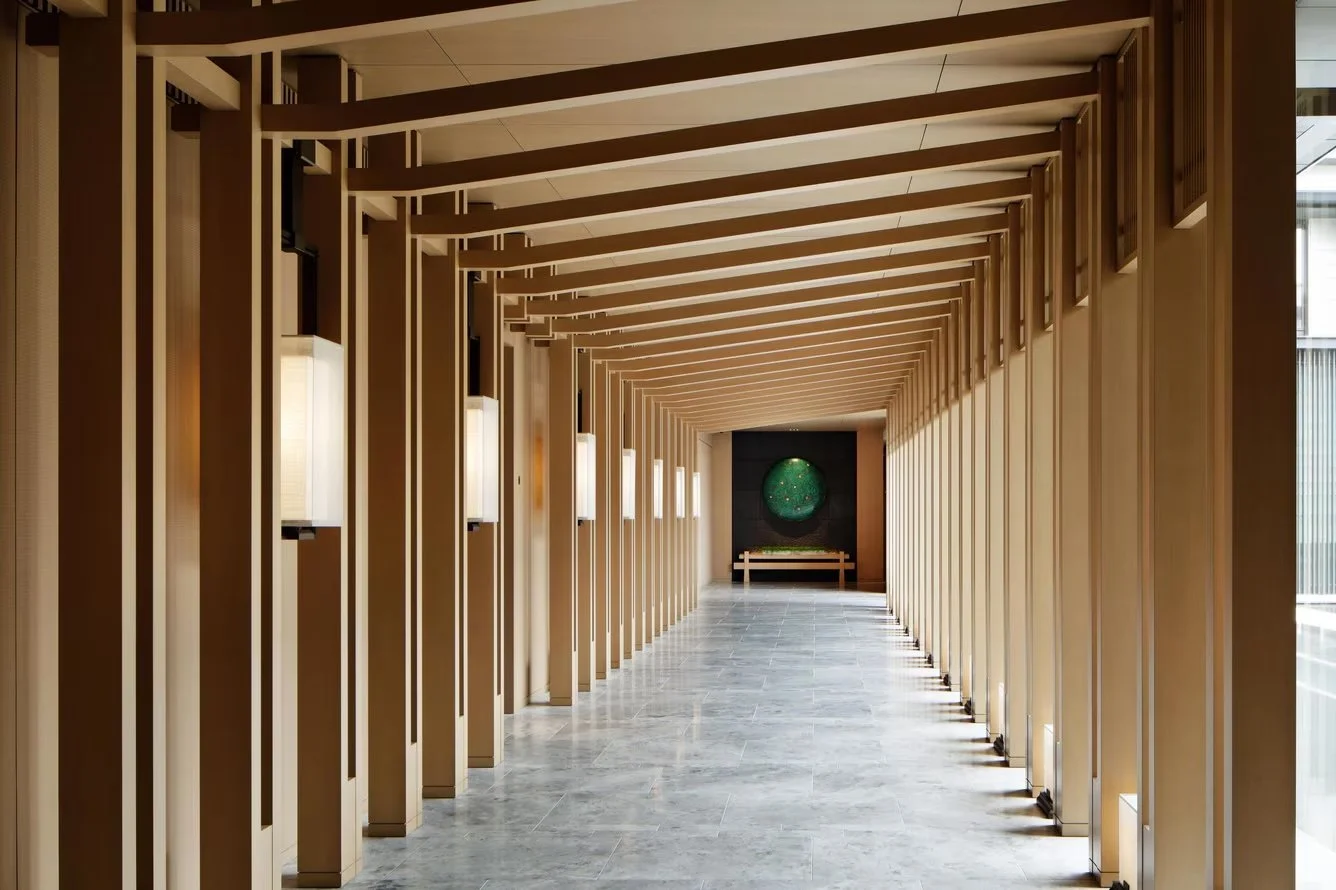
Built on a 250-year-old estate that was home to the executive branch of the Mitsui family — one of Japan's most powerful merchant dynasties — and designed around the Way of Tea tradition. 160 rooms, Forbes Five-Star in its first year, Michelin Key 2025, World's 50 Best Hotels 2025. The signature TOKI restaurant is Michelin-starred, led by a chef representing Japan at the Bocuse d'Or 2027. The indoor mineral hot spring spa is one of the most consistently praised hotel spas in Kyoto. The garden is most beautiful at night when it's lit.
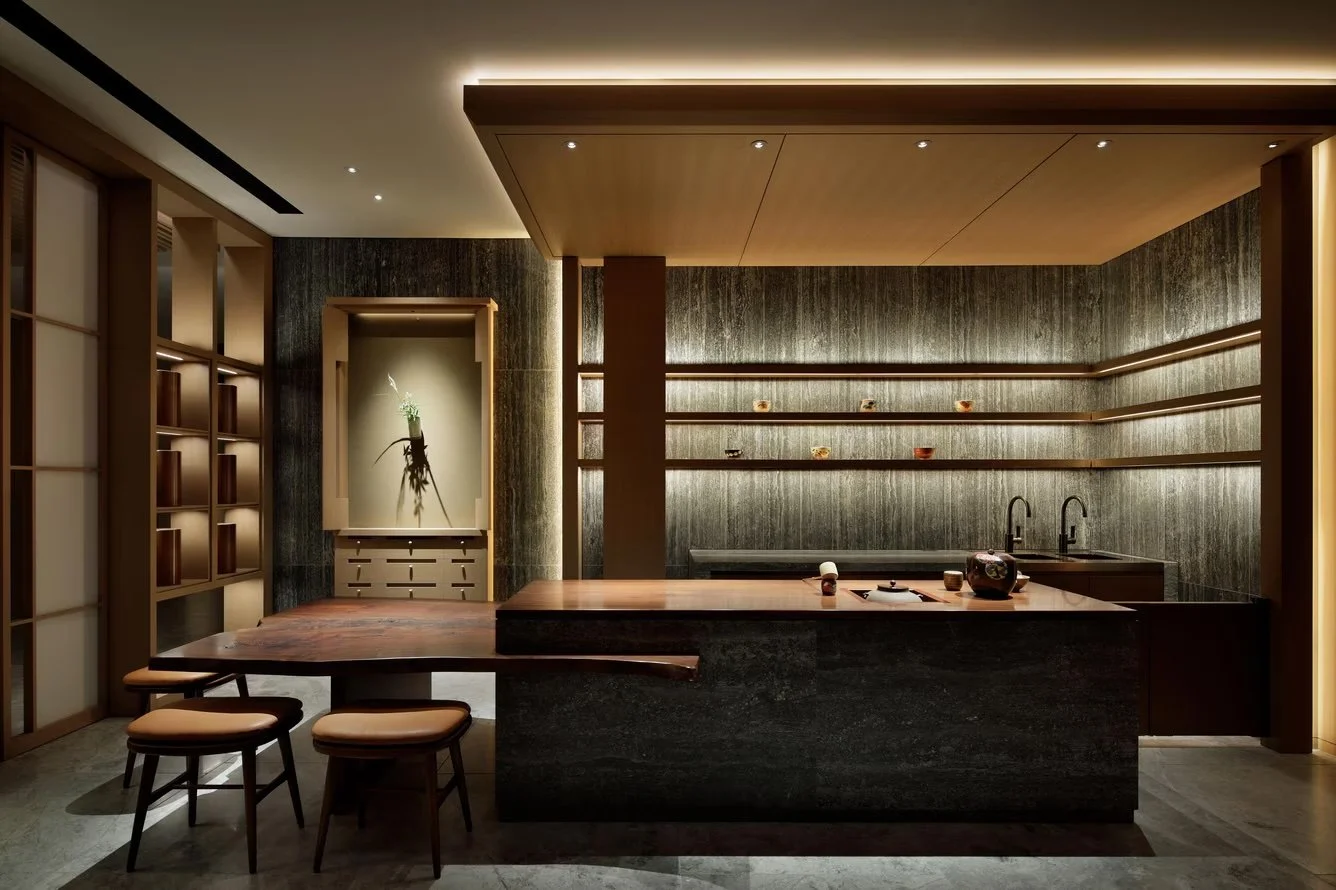
160 rooms — large enough to usually have availability even in peak season
The mineral hot spring (onsen) is available to all guests — heated lounge chairs, nightly face masks, the works
TOKI restaurant is the dining destination; book separately, don't skip it
Nijo Castle is a 7-minute walk — pair it with a morning in the garden before checkout
Breakfast is good but the buffet format changed since opening — Japanese breakfast is the better choice over Western
Location note: slightly removed from the Gion and Higashiyama action — quiet, which some love and some find inconvenient depending on how you want to move through Kyoto
Some occasional service inconsistencies, particularly at check-in during peak periods. The spa and restaurant are consistently excellent. The rooms are the thing — garden view rooms on higher floors are the ones worth requesting.
All images courtesy of Mitsui
Six Senses
Kyoto
Location: Higashiyama, Kyoto
Price: ~$780/night
Vibe: Design-forward, wellness-serious, faces a 16th-century shrine
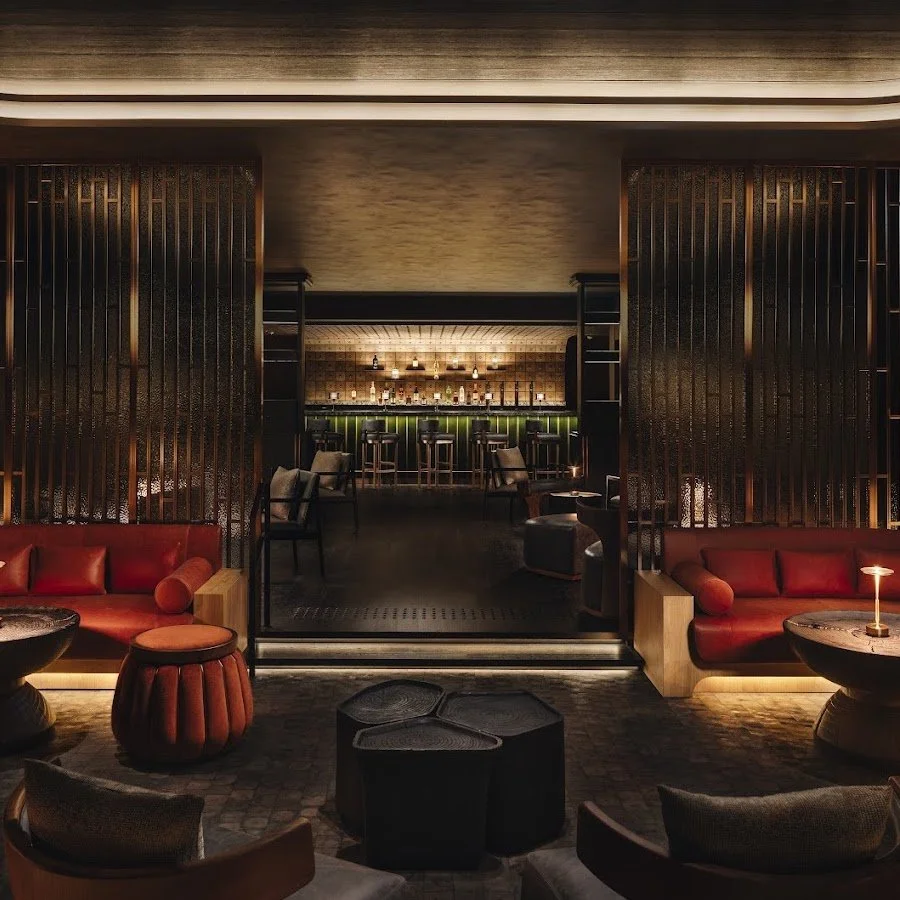
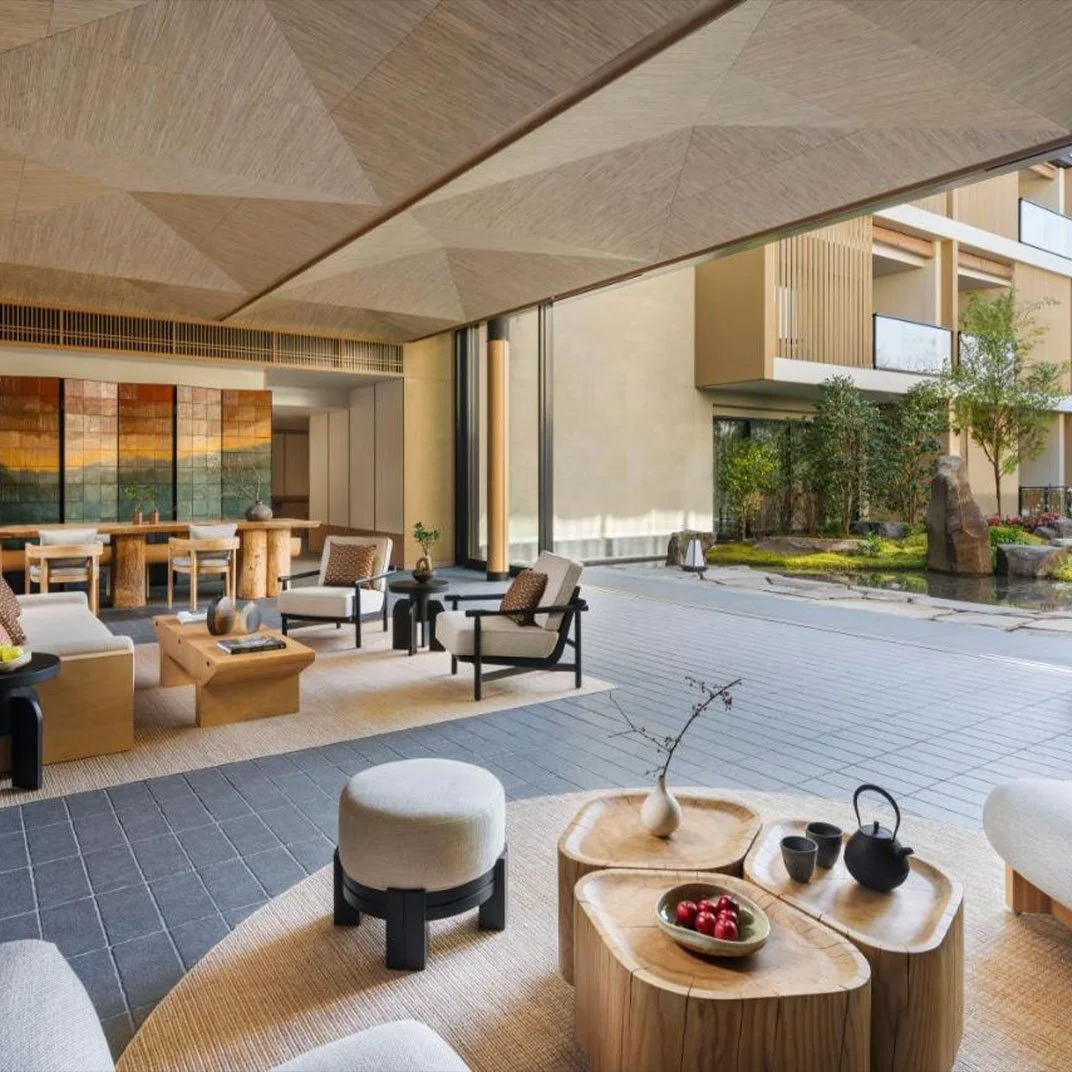
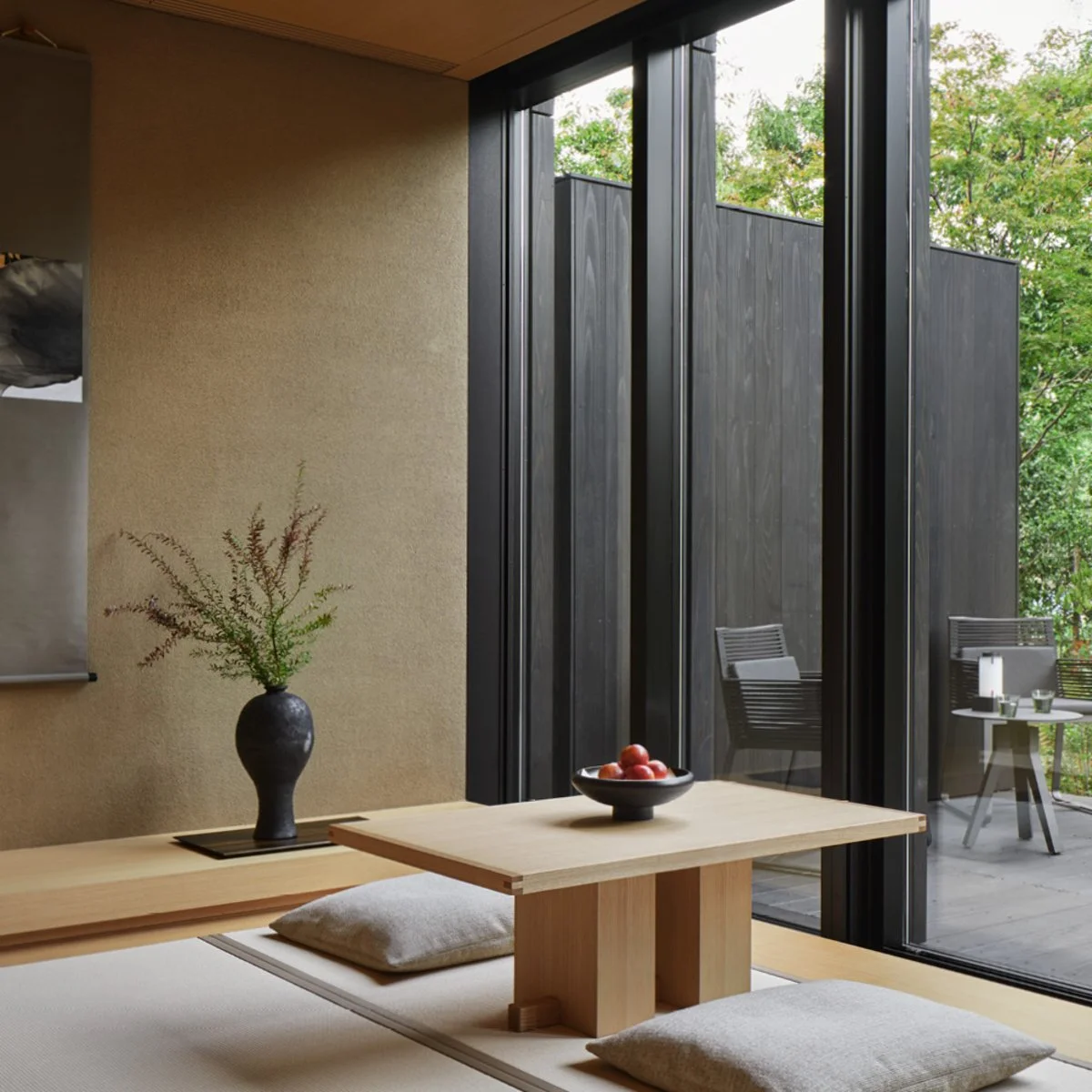
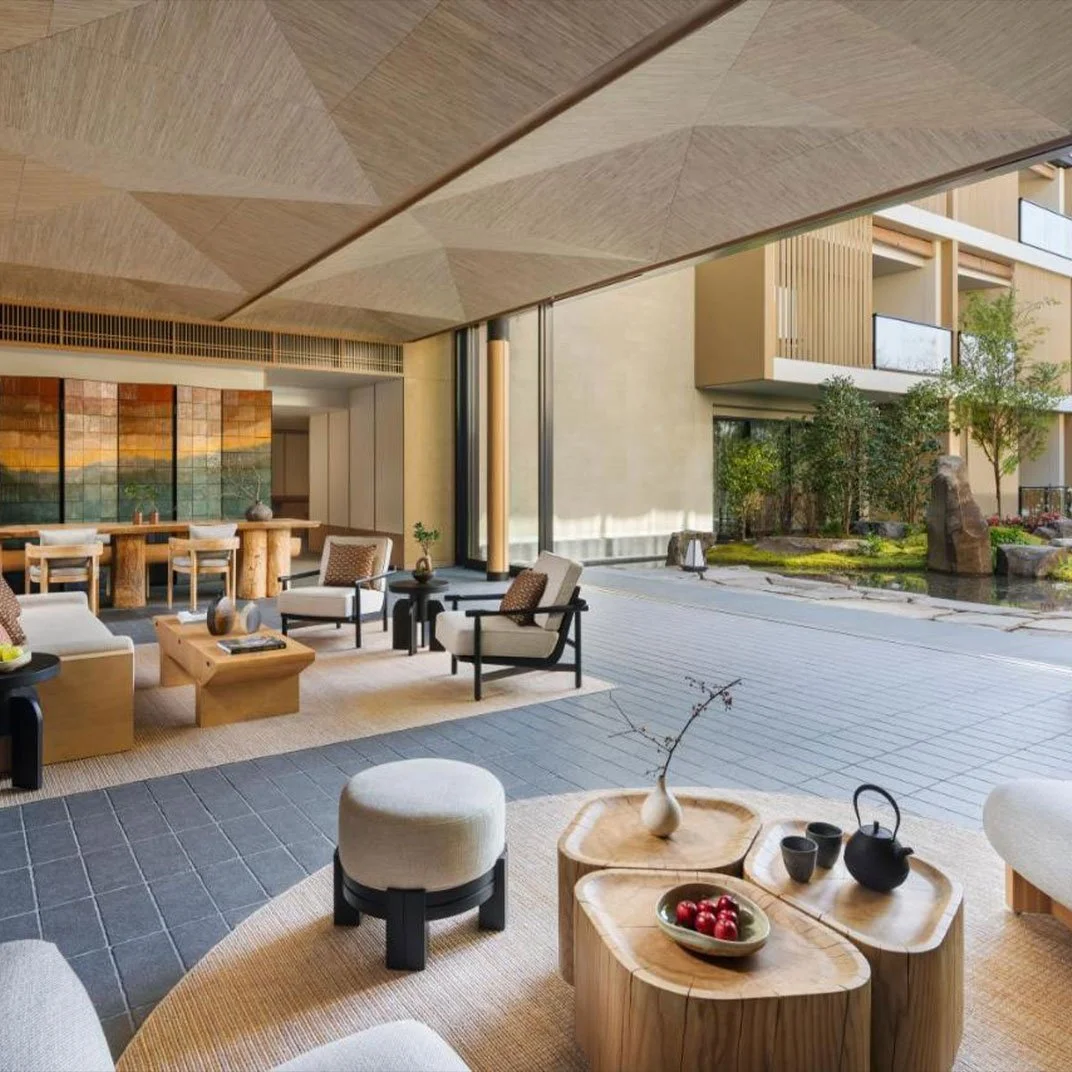
81 rooms in Higashiyama, with views split between the hotel's interior courtyard garden and the 16th-century Toyokuni Shrine directly opposite. The design is rooted in the Tale of Genji and the Moon Rabbit — folklore woven into architecture rather than decoration. The spa is the star: indoor pool, sauna, and a treatment program that takes Japanese wellness seriously. Minibar is stocked with homemade and locally sourced snacks. Each room has a yoga mat. The fox masks left in each room as a welcome gift consistently delight guests. Breakfast is excellent and available buffet or à la carte.
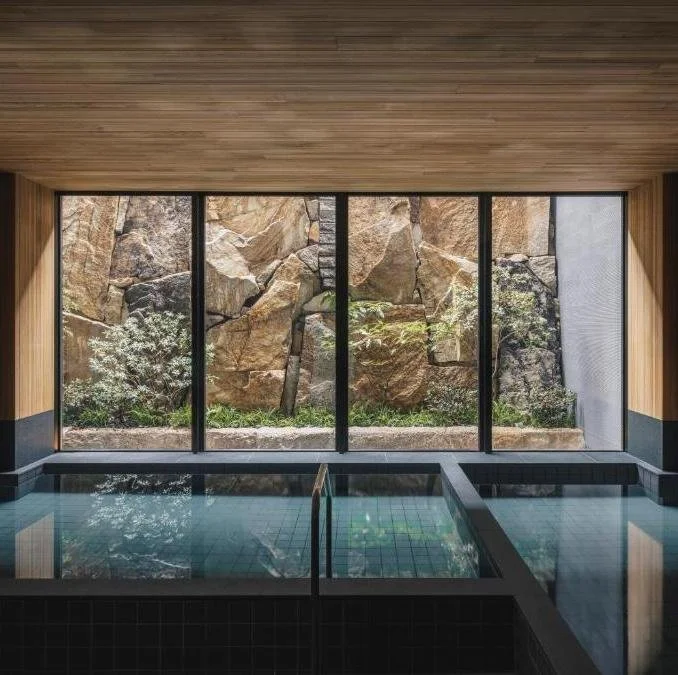
Water pressure in some rooms can be hit or miss — a small but consistent note worth knowing
Family-friendly in a way most luxury Kyoto hotels aren't — a rare option at this level if you're traveling with children
At $780+ this is competing directly with The Mitsui and Sowaka. The differentiators are the wellness facilities, the Higashiyama location, and the design language — if those matter to you, it earns the price. If you're purely after room quality and service, The Mitsui edges it.
81 rooms; Superior King rooms at 42sqm are the entry point — generous by Kyoto standards
Sekki restaurant is the main dining venue; Japanese-influenced, seasonal, consistently praised
Kyoto National Museum is a 5-minute walk; Sanjusangendo Temple is 8 minutes
The spa requires advance booking for treatments — plan this before arrival, not on the day
All images courtesy of Six Senses
Aman
Kyoto

Location: Okitayama, Kita Ward, Kyoto — forest, foot of Mount Hidari Daimonji
Price: ~$2,400/night
Vibe: Most private spot in Kyoto. Nothing else like it.
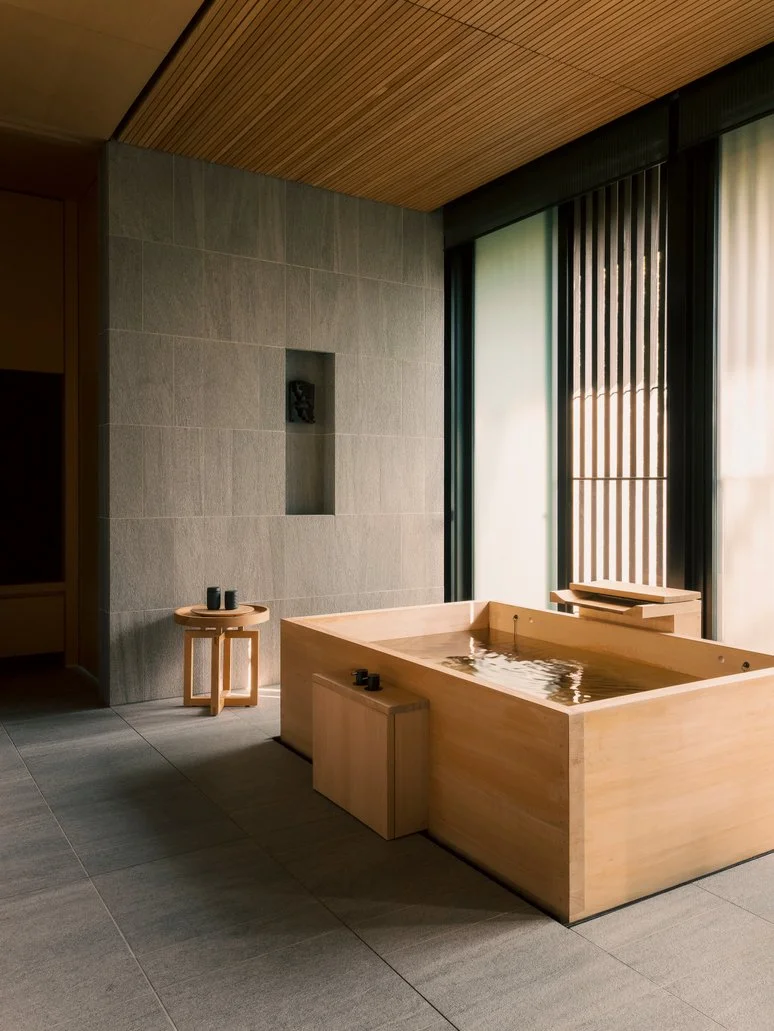
A former textile museum site that became an 80-acre private garden and forest at the foot of a mountain, 30 minutes by car from central Kyoto. 24 rooms and 2 villas — all designed by the late Kerry Hill, all paying contemporary homage to the ryokan, all framing forest that changes completely by season. The complimentary garden tour (request Sakura by name) is one of the best things available at any hotel in Japan — a 90-minute deep dive into design, stone, water, and the history of how this place came to exist. The Living Pavilion is open all day with complimentary drinks and snacks. The kaiseki dinner is excellent.
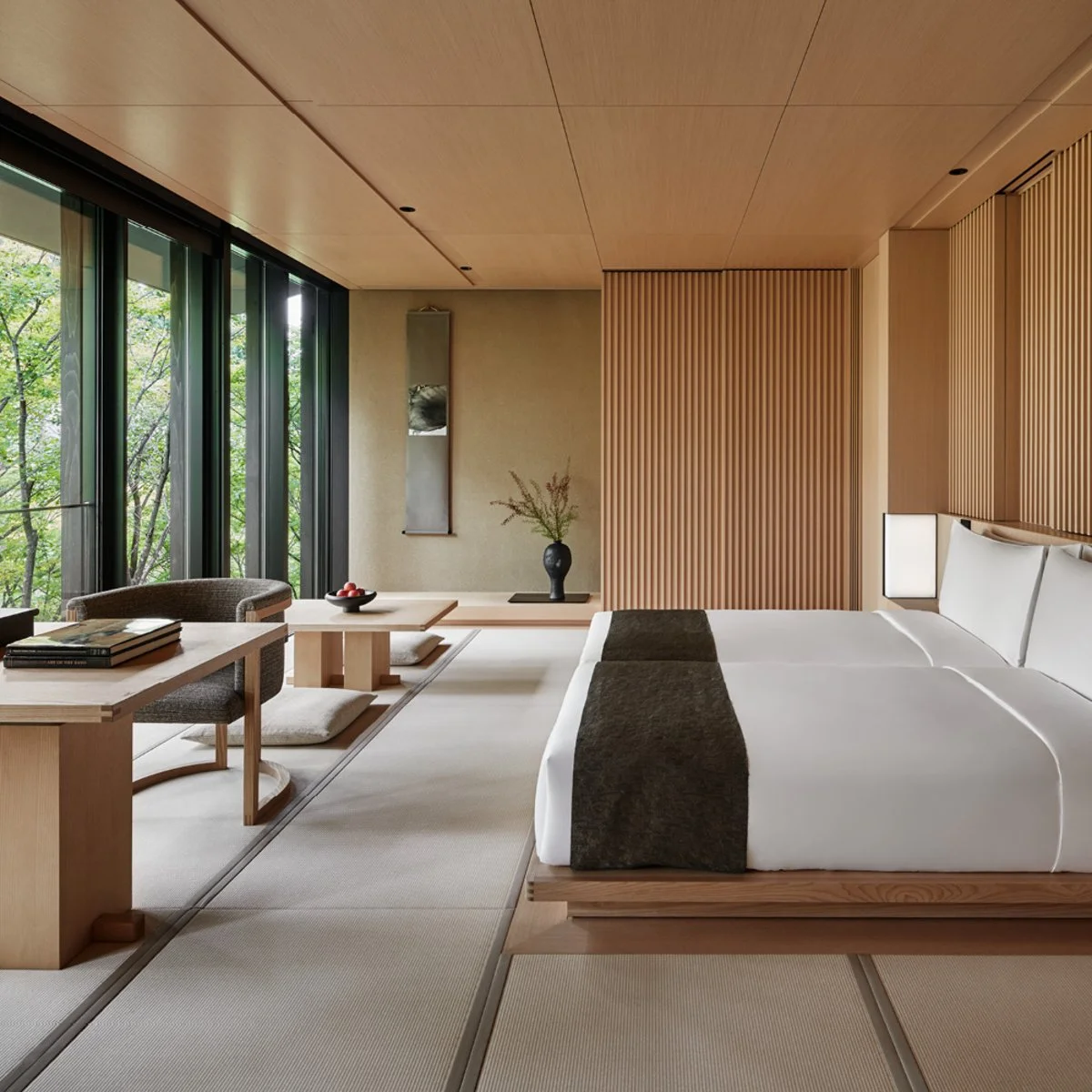
24 rooms and 2 villas — the most intimate Aman property in Japan
Complimentary garden tour is non-negotiable — request it at booking, go on your first morning
Natural hot spring onsen on site; forest bathing walks and meditation available daily
Kinkaku-ji (Golden Pavilion) is a 10-minute drive — 16 other UNESCO World Heritage Sites within reach
No public transport access — the hotel is only reachable by car or a 30-minute walk from the nearest station; arrange the hotel car at booking
Autumn foliage (mid-November) and early summer green maple are the peak seasons — worth planning around
Dining centers on refined Japanese cuisine with seasonal Kyoto ingredients, served with Aman restraint
The rooms are smaller than Aman Tokyo — the entry-level rooms are modest for the price. The suites are the experience this place was designed for. If budget is a factor, Aman Tokyo delivers more room per dollar. If you want forest, silence, and one of the world's great gardens, nothing touches this.
All images courtesy of Aman
What We Do
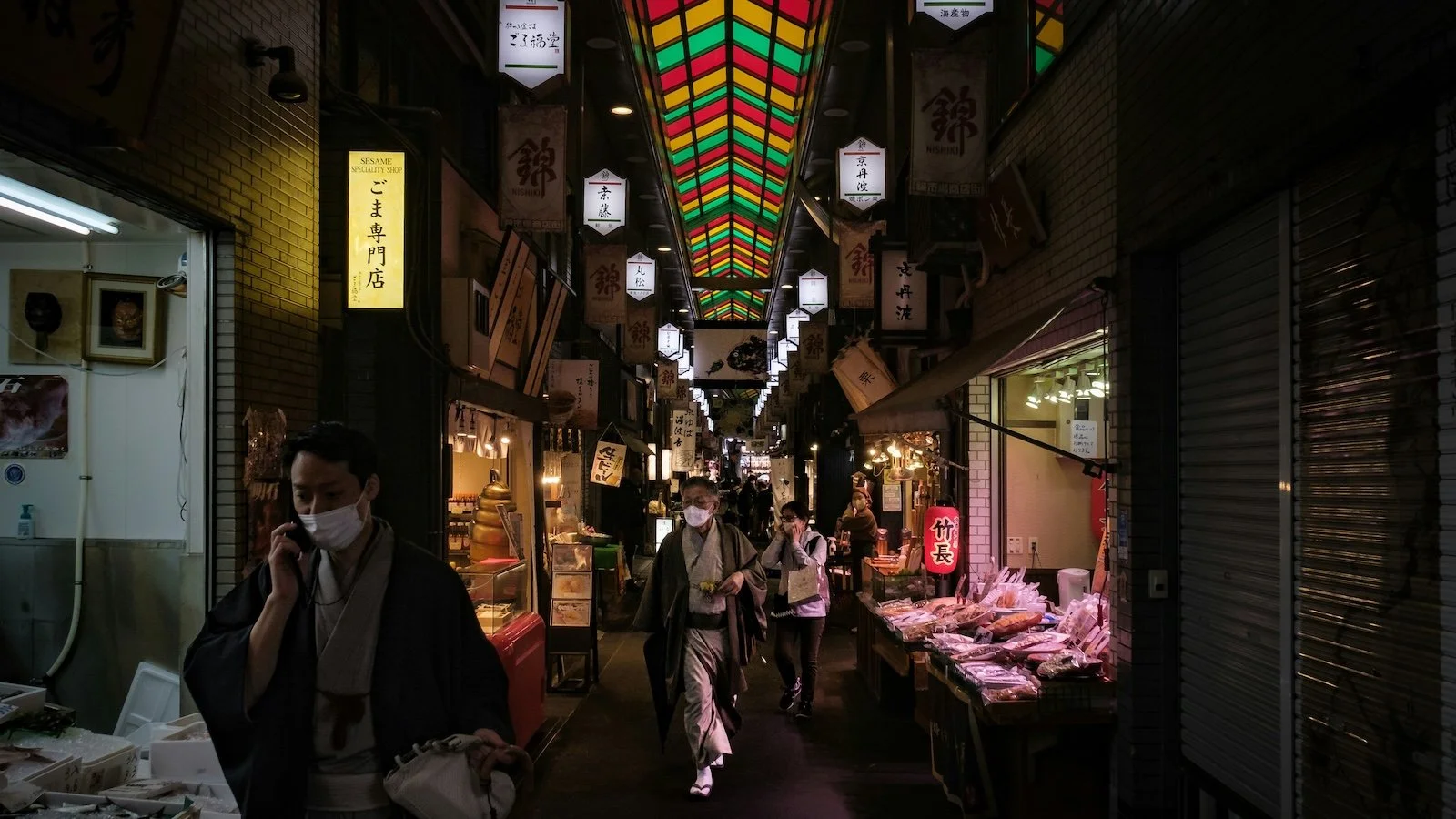
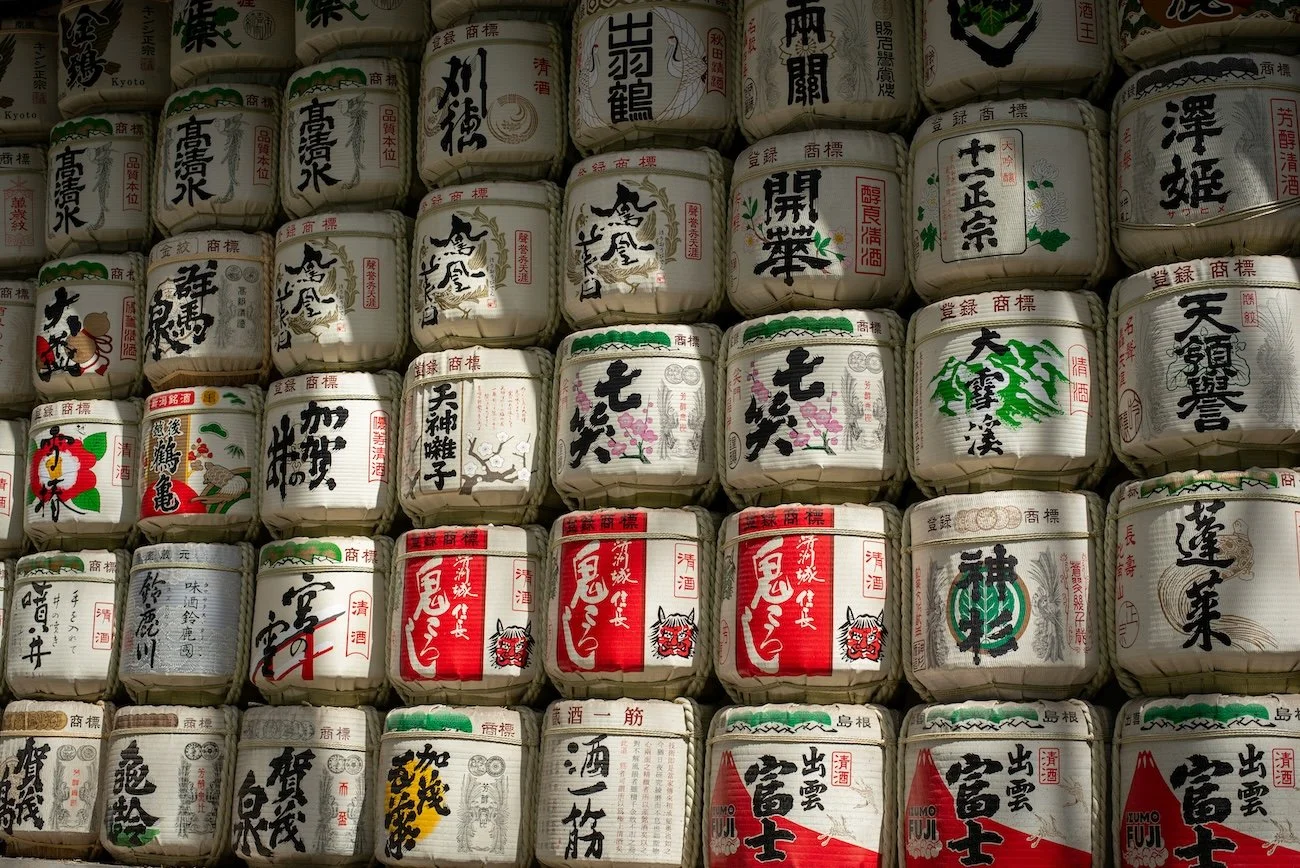
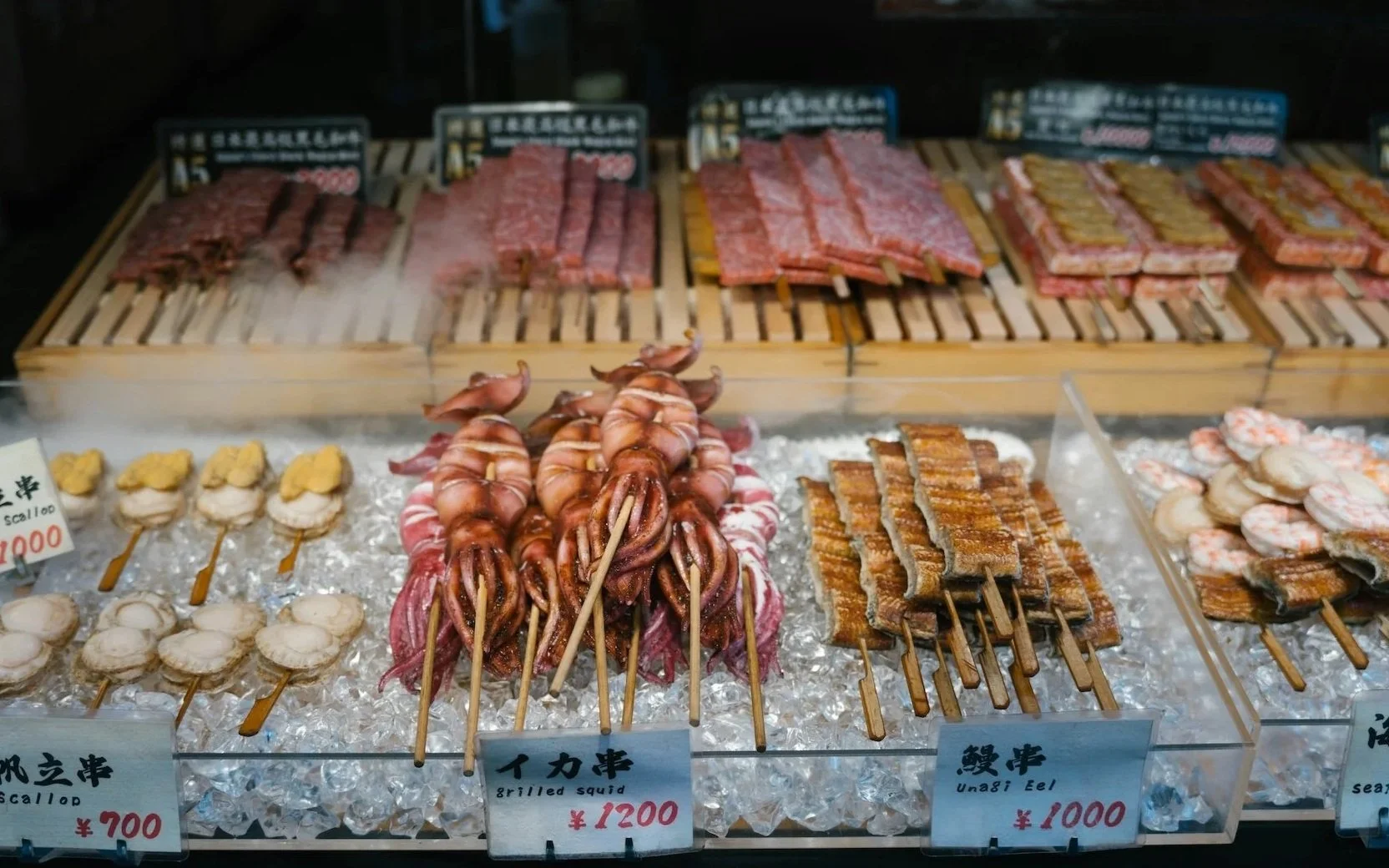
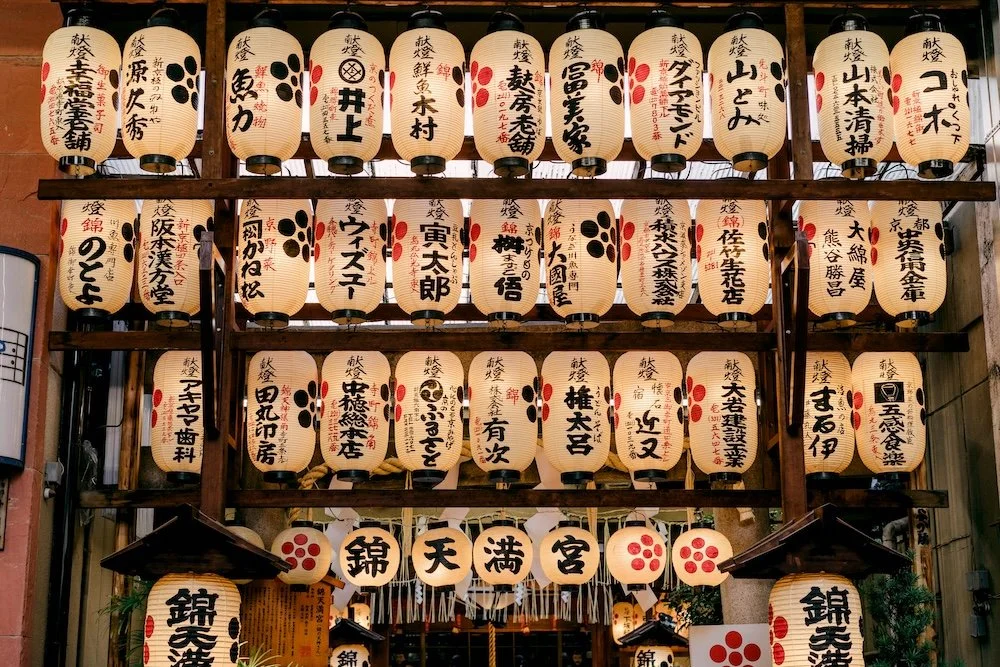
Nishiki Market Food Tour
What’s Included:
Guided walk through Nishiki Market with a local expert
Tastings at family-owned stalls: freshly grilled seafood, Kyoto pickles, yuba donuts, tofu, hand-roasted tea
Cultural and historical context throughout — this market has been running for 400 years
Small group format, capped at 12 guests
Pair It With:
Do this on your first day in Kyoto before you've figured out what you want to eat — the tour will tell you. Come back independently to the stalls you liked most. You'll know exactly which ones.
Nishiki Market is something most visitors walk through and leave slightly confused by. Arigato's Kyoto tour fixes that. The guides — consistently praised by name across hundreds of reviews — move deliberately through the five-block covered arcade, stopping at the right stalls, explaining what you're actually eating, and giving the market the context it needs to land properly. The wagyu beef skewer, the soy milk donuts, the Kyoto pickles, the tako tamago — all of it makes more sense with someone who knows which vendors have been there for generations and which ones opened last year. The lunch afterward at a restaurant the tourist circuit hasn't found yet is consistently the highlight.
Location: Nishiki Market, Nakagyo Ward, Kyoto — meeting point provided at booking; tour departs from Gion-Shijo area
Price: From ~$100 USD per person including tastings and lunch
Vibe: Market-deep, culturally rich, genuinely informative
Need to Know: Some stops can't accommodate severe dietary restrictions — flag anything serious at booking. Morning slots are best when the market is freshest and fullest.
Sake Tasting
What’s Included:
Gekkeikan Okura Sake Museum: self-guided tour of brewing history, traditional tools — includes tasting of three sakes and a souvenir bottle on entry for ¥600 (~$4)
Kizakura Brewery: sake and craft beer tasting, kappa museum, restaurant on site
Yamamoto Honke: small family brewery with unpasteurized nama-zake you cannot buy anywhere else
Fushimi Sake Brewery Alley (Fushimizu): 18-brewery tasting selection in one sitting
Pair It With:
Do Fushimi as a half-day from Kyoto city center, then return for dinner in Gion. The boat tour along the sake district canal is worth 45 minutes of your afternoon if weather allows.
Fushimi is one of Japan's three great sake-producing regions — the others are Nada in Hyogo and Saijo in Hiroshima — and it's been brewing since the Momoyama Period thanks to the exceptional soft water drawn from underground springs beneath the city. Gekkeikan alone has been running since 1637. The district isn't a tourist construction; it's a working sake town that happens to welcome visitors, and the difference is palpable. You can do it completely independently — Gekkeikan's museum is one of the best-value cultural experiences in Kyoto at ¥600 — or book a guided tour through GetYourGuide that adds 18 brewery tastings and historical context for around $65. Either way, come thirsty and leave by boat if you can.
Location: Fushimi District, Kyoto — 30 minutes from Kyoto Station via Kintetsu line to Tambabashi, transfer to Keihan line to Chushojima Station
Price: Self-guided from ¥600 (~$4) at Gekkeikan; guided tours from ~$65 per person
Vibe: Historic, working brewery district, completely genuine
Need to Know: Gekkeikan Museum is closed during Obon (August 8–13) and year-end holidays (December 8–January 16). The district is walkable between breweries — wear comfortable shoes. Guided tours book through GetYourGuide with multiple departure times.
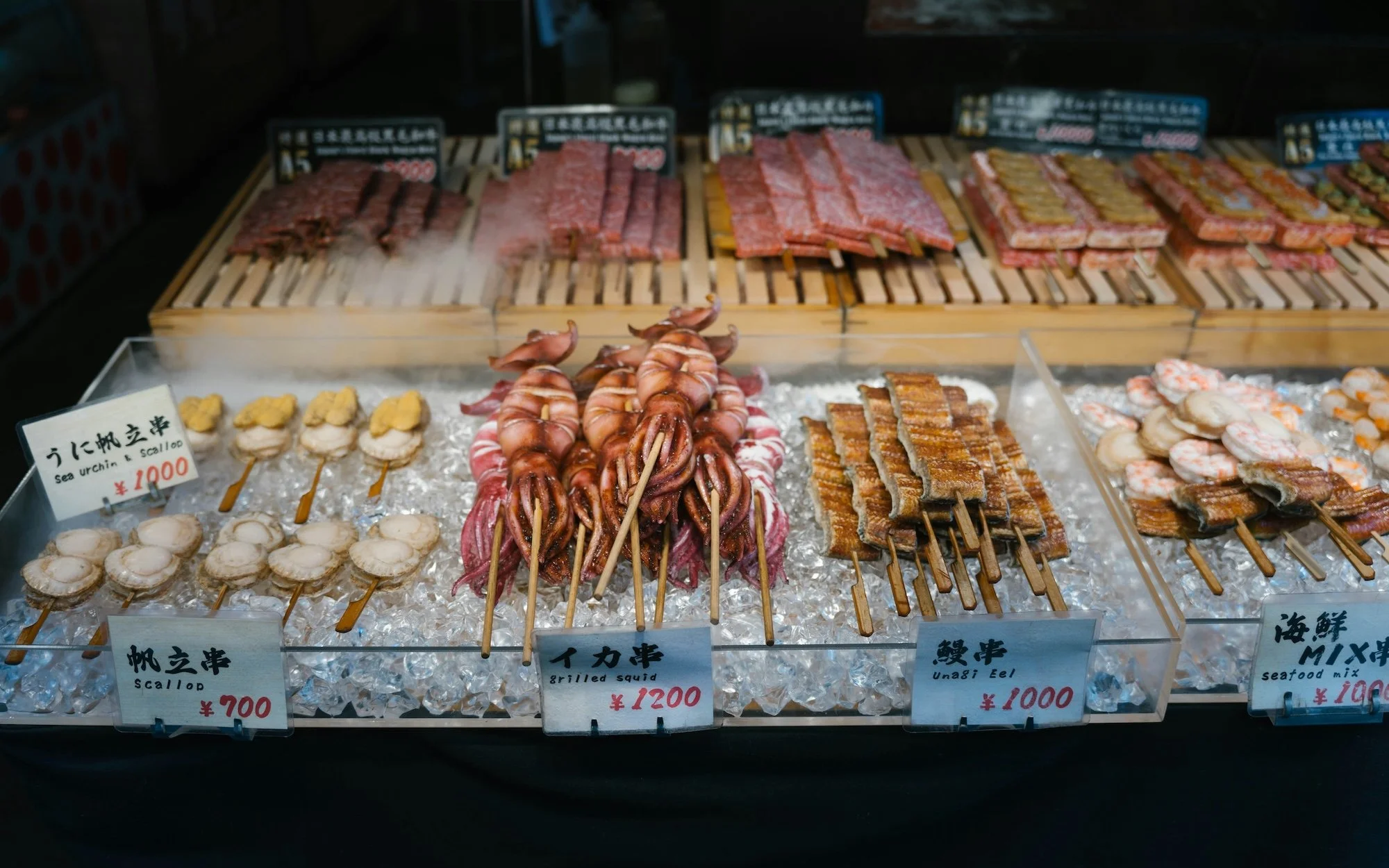
Nishiki Market + Cooking Class
What’s Included:
Guided walk through Nishiki Market with your instructor
Choose your ingredients directly from the market stalls — the fish, the vegetables, the tofu
Short taxi to Cooking Sun's studio in a traditional Kyoto house
Hands-on cooking class: tempura, donburi, sashimi, or seasonal dishes depending on what you chose at the market
Pair It With:
Book this for a morning early in your Kyoto stay — the market context then the cooking class is the right sequence for understanding how Kyoto actually eats. Leaves you free for temples and neighborhoods in the afternoon.
The format here is what makes it work. You start at Nishiki Market with your instructor — who explains what you're looking at and why it matters — then you choose what you'll be cooking directly from the stalls. Not a pre-set menu, your actual ingredients, selected by you, from vendors who've been supplying Kyoto kitchens for generations. A short taxi ride later you're in a traditional Kyoto house, apron on, learning how to fry tempura correctly or assemble a proper donburi. Instructor Chie is mentioned by name across dozens of reviews with the kind of warmth that makes a cooking class feel like something more than a class. Multiple travelers describe it as the best thing they did in Kyoto.
Location: Nishiki Market meeting point (exact location provided at booking); Cooking Sun studio in central Kyoto
Price: From ~$90–$120 USD per person depending on format; private options available
Vibe: Market-to-kitchen, hands-on, genuinely personal
Need to Know: Book ahead — private slots fill faster than group ones. Dietary restrictions can usually be accommodated with advance notice; flag anything serious at booking. The class runs approximately 3 hours from market to table.
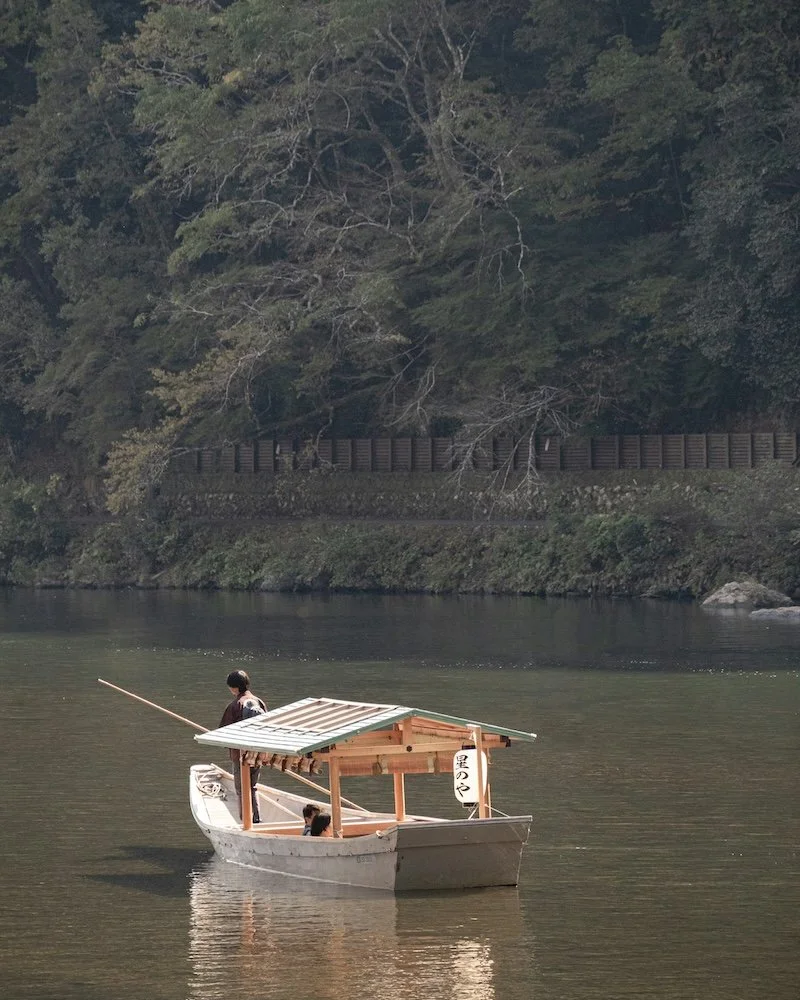
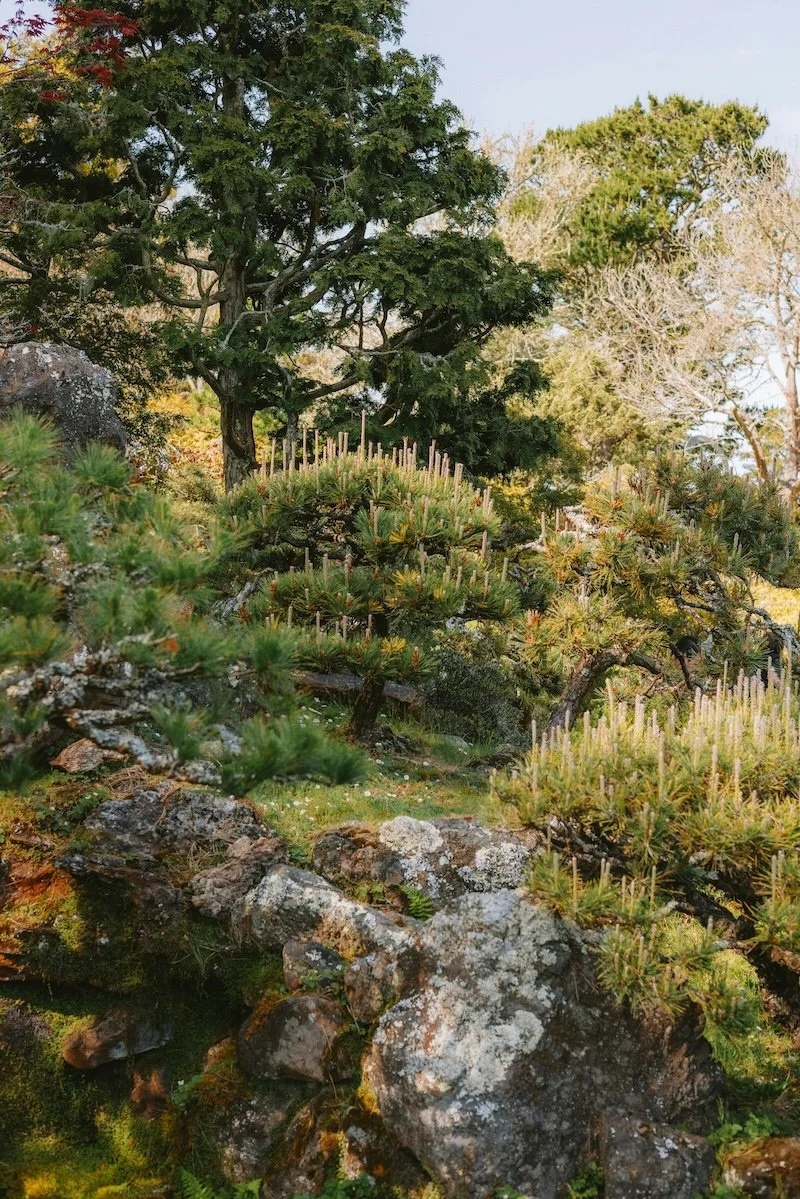
Hozugawa River Boat Ride + Sagano Scenic Railway
What’s Included (Self-Guided):
Sagano Scenic Railway — the "Romantic Train" — open-sided vintage carriages through the Hozu Gorge from Saga-Torokko to Kameoka-Torokko (25 minutes, seasonal cherry blossom and autumn foliage)
Hozugawa River Boat Ride — 16km, 2-hour downstream journey through the gorge by traditional flat-bottomed boat, poled by boatmen in traditional dress
Kameoka departure point: Kameoka Port, 10 minutes by taxi from Kameoka-Torokko Station
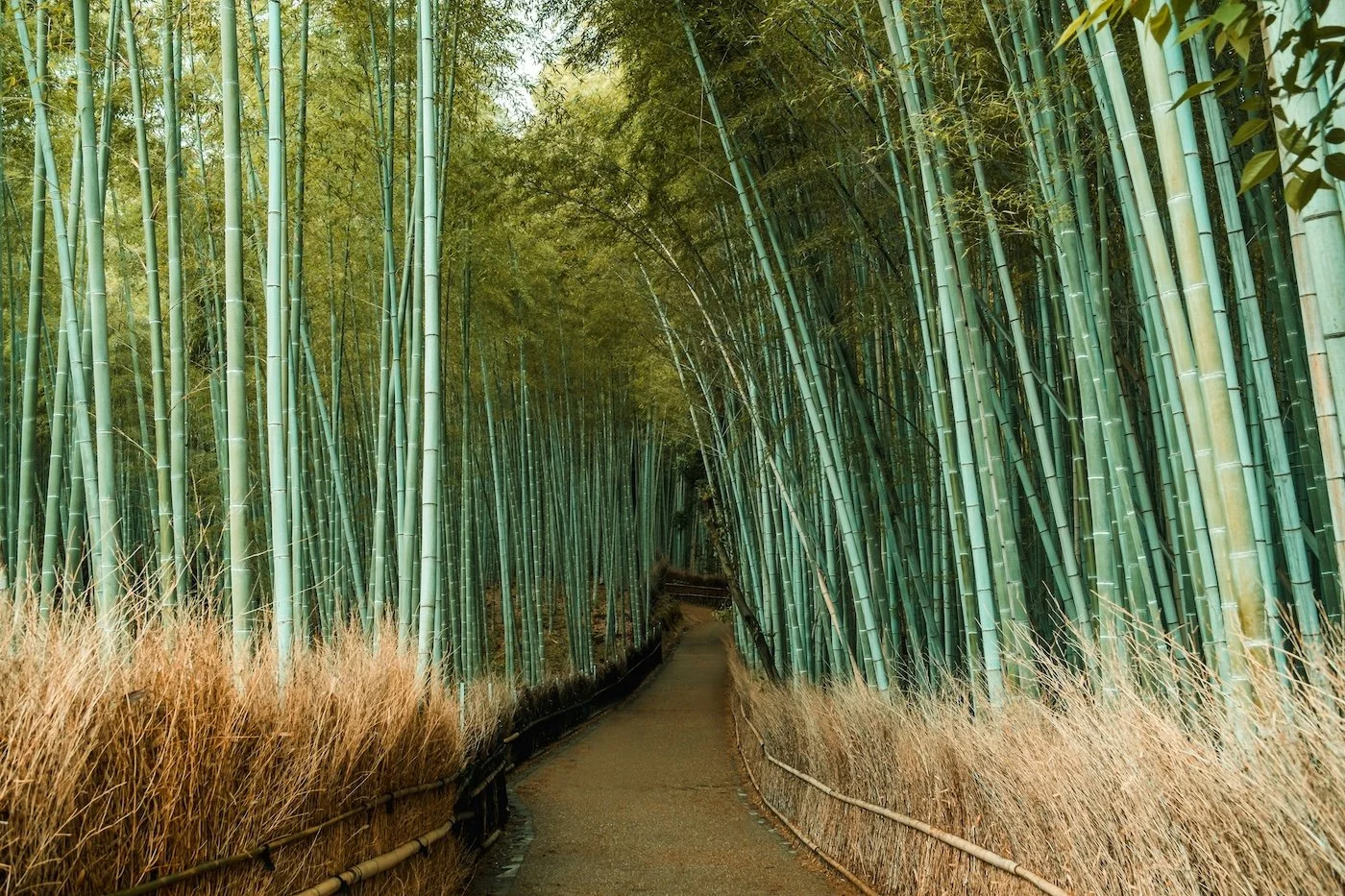
Arrival in Arashiyama — walk straight into the bamboo grove, Tenryu-ji garden, or lunch on the river
Pair It With:
Do the Sagano Railway first (west to east, Saga to Kameoka), then the boat ride back downstream. You arrive in Arashiyama in the early afternoon with the rest of the day to explore the district — bamboo grove, Hokoku-ji, river lunch. Perfect sequencing.
The Sagano Scenic Railway runs through a gorge that Kyoto's tourist infrastructure mostly leaves alone — no temples, no souvenir shops, just the Hozu River and the forested canyon walls that close in around it. The vintage carriages have no glass in the windows, which is the point — you feel the air and hear the river. The boat ride back covers the same gorge from water level, which is an entirely different experience: downstream through rapids the boatmen navigate with oars and bamboo poles, past rock faces and overhanging trees, arriving quietly at Arashiyama. Neither experience is extreme. Both are quietly extraordinary. Together they make one of the best half-days in the Kansai region.
Location: Saga-Torokko Station, Arashiyama, Kyoto — 15 minutes from Kyoto Station via JR San-in Line to Saga-Arashiyama
Price: Sagano Scenic Railway ¥880 (~$6) one way; Hozugawa River Boat Ride ¥4,100 (~$27) per person
Vibe: Slow, forested, genuinely beautiful
Need to Know: Sagano Railway runs March–December only — no service in January and February. Boat rides run year-round including winter (heated blankets provided). Book boat tickets in advance during spring and autumn — it sells out. The railway also sells out on weekends; reserve online at least a week ahead.
Fushimi Inari Full Hike
What’s Included (Self-Guided):
Full 4-hour round trip hike to the summit of Mount Inari (233 meters) and back — covering all four major peaks: Sannomine, Ninomine, Ichinomine, and Mitsurugi-cho
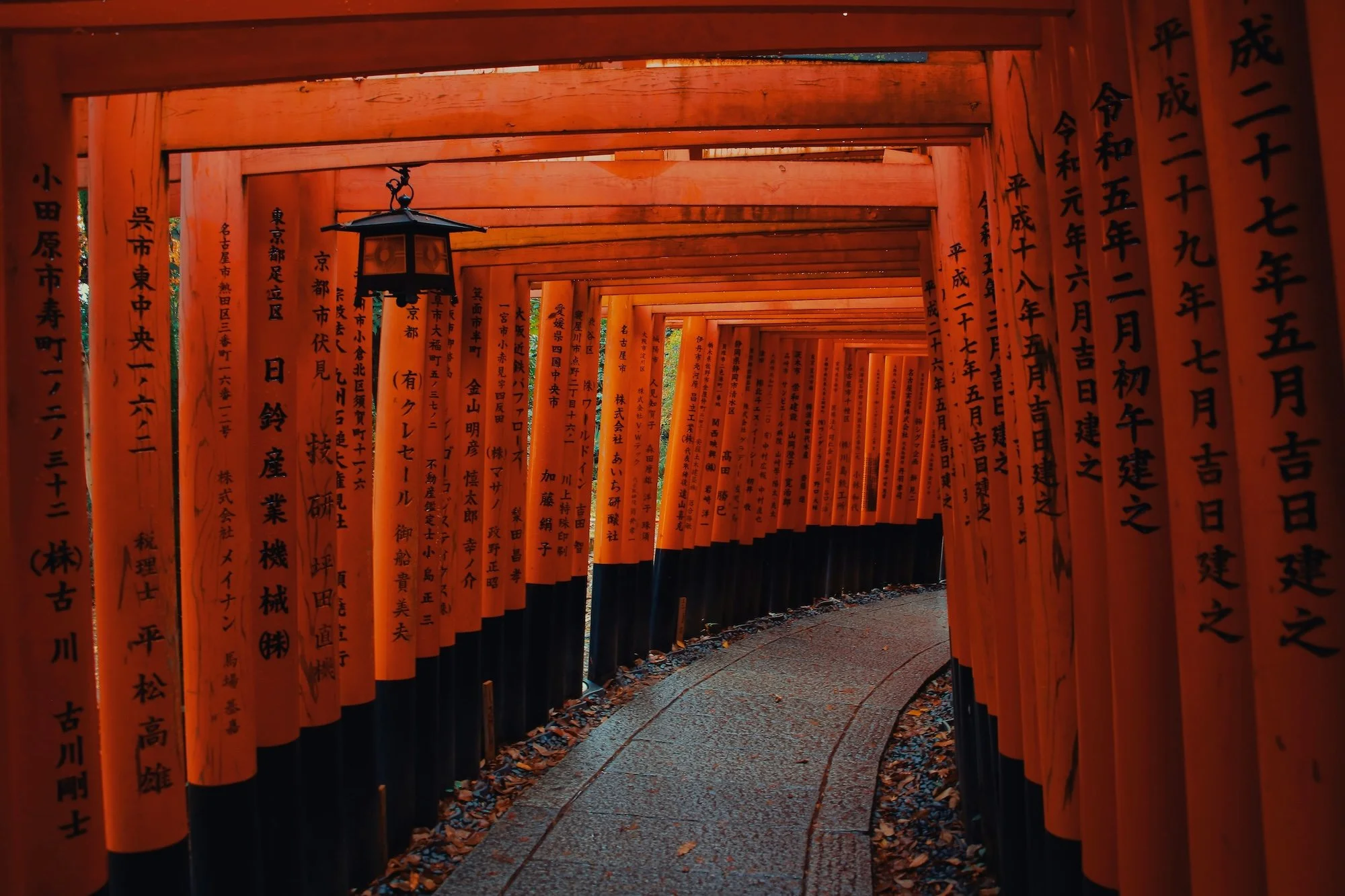
10,000+ torii gates — the famous orange tunnels extend the entire way up, not just the first 15 minutes that 95% of visitors see
Summit shrine complex with panoramic views of Kyoto, Osaka Bay on clear days,
Teahouses along the route serving inarizushi, warmed sake, and tea
Nighttime hike option — the gates are lit until midnight, completely different atmosphere, almost no crowds after 9pm
Pair It With:
Arrive at 6am or after 8pm. The first hour of daylight in the lower gates — before the tour groups arrive — is peaceful. The nighttime walk is the option most people don't know exists and is arguably the better experience.
Fushimi Inari is one of Japan's most visited sites, which is why most people see only the first 20 minutes of it. The famous torii tunnels that fill every travel photo extend continuously to the summit — four kilometres up through a forested mountain, past smaller shrine complexes, stone foxes, moss-covered lanterns, and teahouses that have been feeding pilgrims for centuries. The crowds thin dramatically after the first fork in the path. By the time you reach Yotsutsuji — the halfway point with the first real city views — you're mostly alone. The full summit takes about two hours up and ninety minutes down at a comfortable pace. The views from the top on a clear day extend to Osaka Bay. Go early, go late, or go in rain — all three are better than the peak-hour tourist version.
Location: Fushimi Inari Taisha, 68 Yabunouchi-cho, Fukakusa, Fushimi Ward, Kyoto — JR Nara Line from Kyoto Station to Inari Station (5 minutes, ¥150)
Price: Free — the shrine and mountain are completely free to enter and hike at any hour
Vibe: Sacred, forested, genuinely meditative once you're past the crowds
Need to Know: The hike is entirely on stone steps — manageable in good sneakers but hard on knees coming down. Bring water; the teahouses along the route charge tourist prices. Phone signal is patchy above Yotsutsuji — download offline maps before you start. The summit is unlit — bring a torch if going after dark.
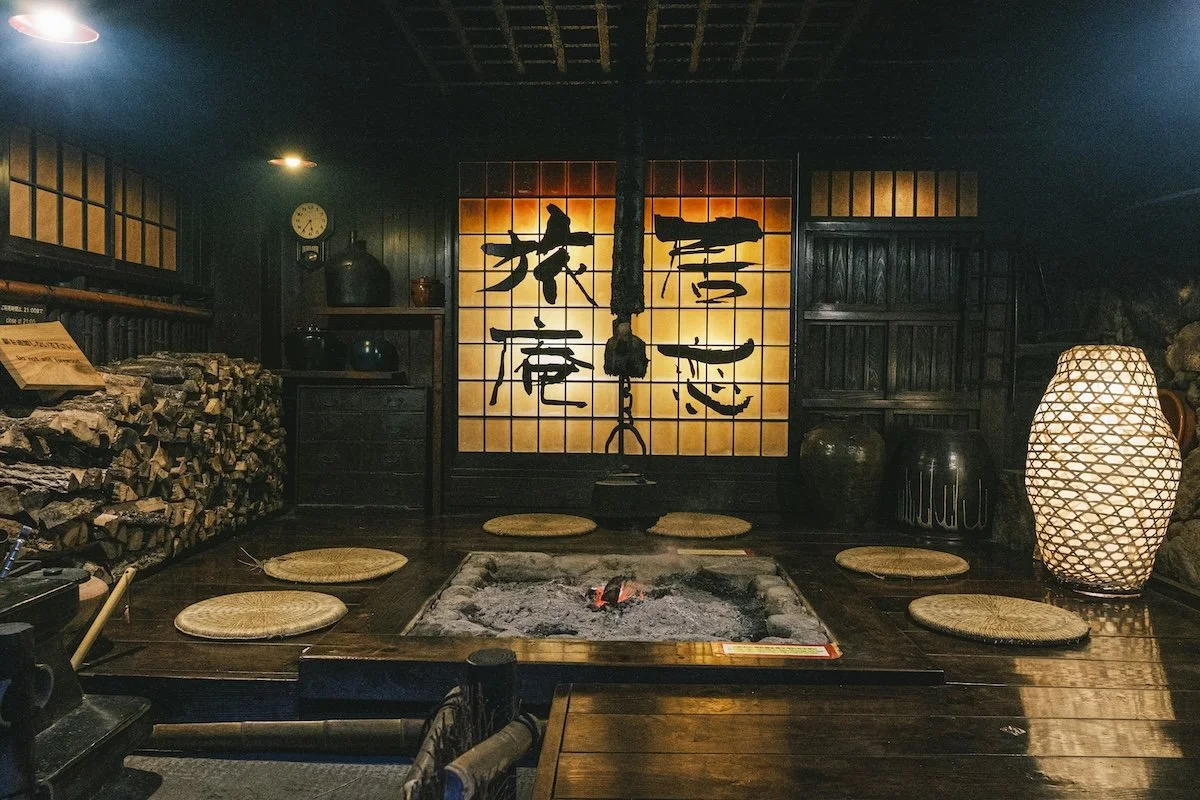
Kinosaki Onsen
What’s Included (Self-Guided or Overnight):
Seven public bathhouses (sotoyu) — each with a distinct character
Yukata evening walk — guests of any ryokan receive a yukata and wooden geta sandals; the entire town walks between bathhouses in them after dark
Kinosaki Ropeway — cable car to Mount Daishi summit
Kasanoya — the town's oldest confectionery shop (est. 1889), worth stopping for the matcha mochi
The Maruyama River flows directly through the canal that bisects the town
Pair It With:
This is the one that demands an overnight stay. The day trip version is fine — one ryokan, three bathhouses, the evening walk. But Kinosaki at 6am when the mist is still on the canal and the bathhouses open for the morning session is something else. If you can build in a night, do it.
Kinosaki Onsen has been a hot spring town for 1,400 years. Seven distinct public bathhouses — each architecturally different, each with its own mineral composition and atmosphere — are distributed across a canal town compact enough to walk between them in twenty minutes. The system is simple: stay at any ryokan, receive your yukata and wooden sandals, and spend the evening moving between baths. The whole town participates in the same ritual simultaneously — old men in yukata, couples with wet hair, children running on the stone bridges. It's one of those places where the tourist experience and the local experience are exactly the same thing, because the locals have been doing it this way for generations. The most beautiful bathhouse is Goshono-yu, designed to evoke an imperial villa. The most atmospheric is Mandarayu, carved into a cave. The one worth going to last, when you're warm and unhurried, is Kouno-yu by the river.
Location: Kinosaki, Toyooka, Hyogo Prefecture — JR Kyoto Line limited express from Kyoto Station to Kinosaki Onsen Station (2 hours 20 minutes, ~¥5,500 with JR Pass)
Price: Day pass for all seven bathhouses: ¥1,300 (~$9); individual baths ¥700–¥900; ryokan overnight rates from ¥15,000/person including dinner and breakfast
Vibe: Canal town, lantern-lit, properly traditional
Need to Know: Each bathhouse has a designated closed day on a rotating schedule — check the weekly calendar on arrival so you don't walk to one that's shut. Tattoos are not permitted in any of the seven public bathhouses — this is strictly enforced. The town fills completely on weekends in autumn; weekday visits and overnight stays in shoulder season are significantly more peaceful.
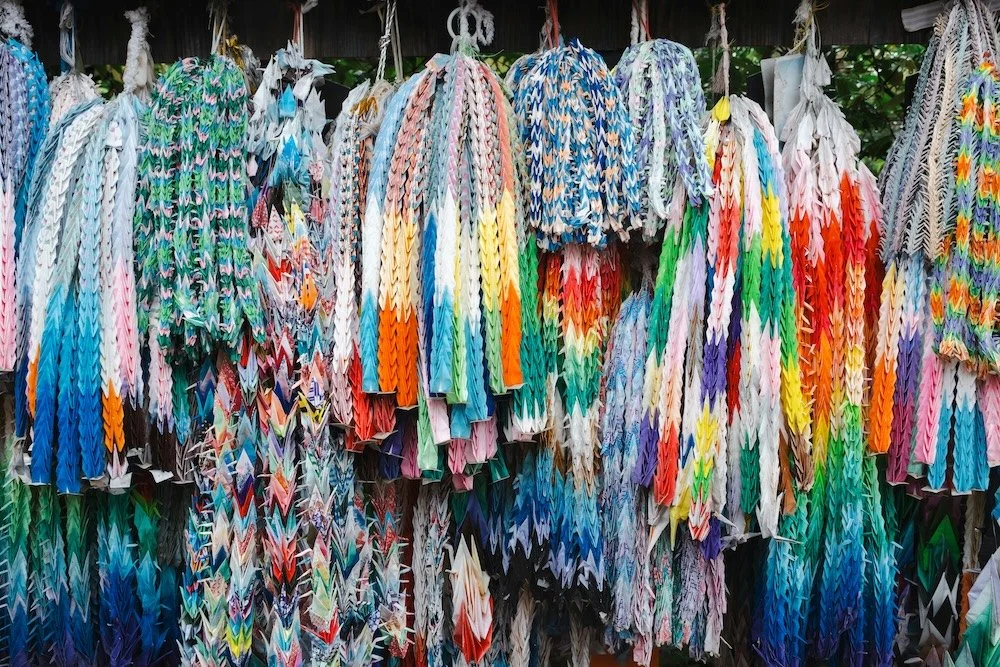
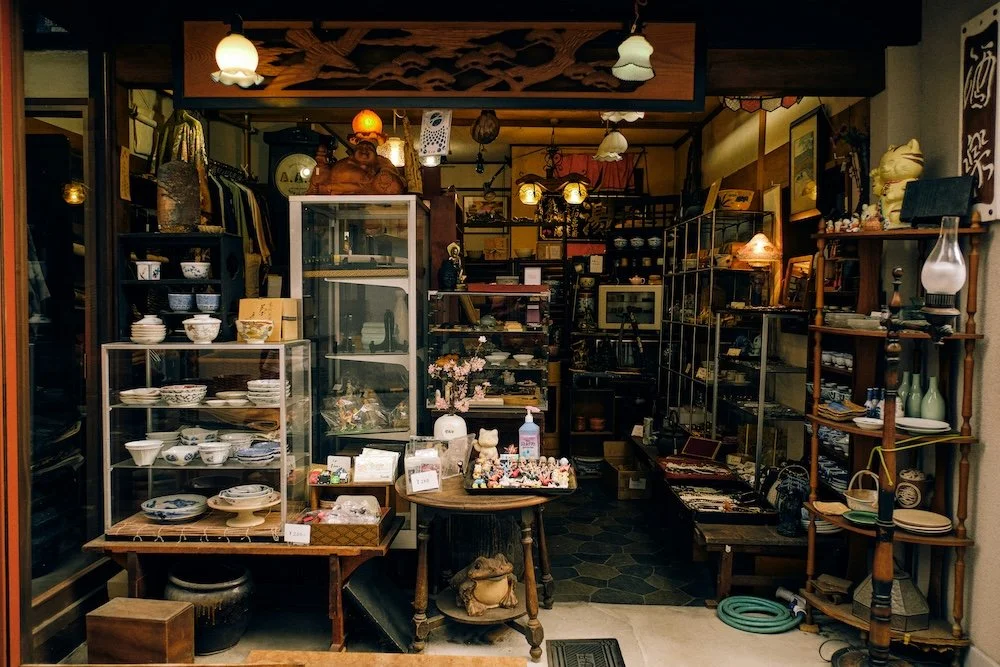
Nishijin Textile Center + District
What’s Included:
Free entry, live handloom weaving demonstrations by artisans on the second floor, historical archives on the third floor, silk goods shop, kimono rental from 150 styles, hand weaving class using a mini loom (¥2,530, ~30 minutes, reservations required)
The Nishijin district itself — a working weaving neighborhood with over 700 small companies still producing silk fabric for kimono and obi
Kyoto Nishijin Sarasa café — a 60-year-old public bathhouse turned café; one of the better coffee programs in the neighborhood (5-minute walk from the center)
Pair It With:
Build half a morning around it — weaving center first, then walk the surrounding streets slowly. The neighborhood around Daitoku-ji temple is within walking distance and has a completely different character from the Gion-Higashiyama temple district.
Nishijin-ori has been the fabric of the imperial court since the 5th century. The neighborhood still produces it — you can hear the mechanical looms through the walls of buildings on Horikawa-dori, and the Textile Center exists specifically to make this accessible without requiring you to know anybody. The free entry and live demonstrations are the draw; the hand weaving class — where you sit at a mini loom and make something to take home — is worth the ¥2,530. The kimono fashion shows listed on the website happen inconsistently; don't plan your visit around them, but stay if one's scheduled. The silk goods shop on the second floor has genuinely beautiful accessories at prices that are fair by Kyoto standards. The district itself is the best argument for spending a morning on the northwest side of a city that most people navigate on the southeast axis.
Location: Horikawa-dori Imadegawa, Minamiiri Nishi-gawa, Kamikyo Ward, Kyoto — 10-minute walk from Imadegawa Station (Karasuma Subway Line); 30 minutes by Bus #9 from Kyoto Station
Price: Free entry to the center; hand weaving class ¥2,530 (~$17); kimono rental from ¥1,500
Vibe: Working craft district, unhurried, genuinely Kyoto
Need to Know: Center is closed Mondays and year-end holidays (Dec 29–Jan 3). The hand weaving class requires advance reservation on the official website — book at least 2 days ahead.
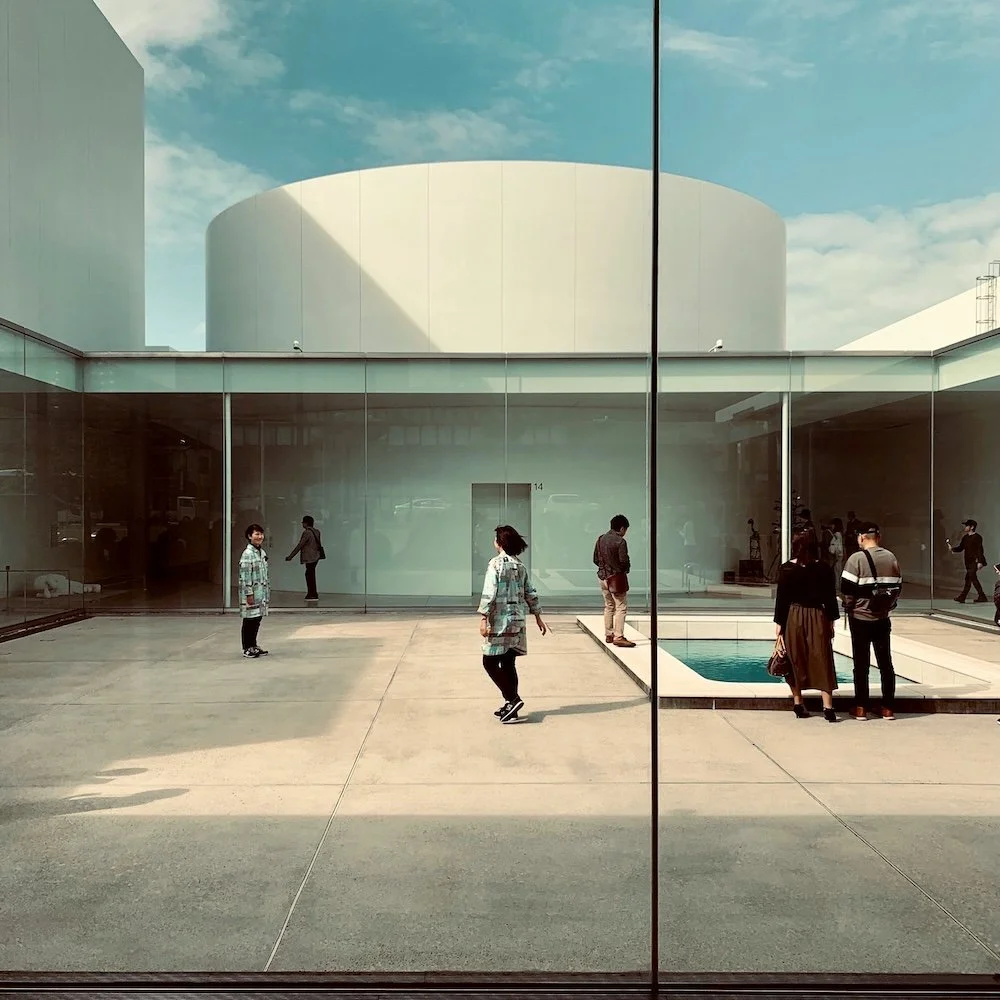
21st Century Museum of Contemporary Art
What’s Included:
The Swimming Pool by Leandro Erlich — the permanent commission where you stand in the bottom of a filled swimming pool, looking up through glass and water at visitors standing above
Blue Planet Sky by James Turrell — a room with a square opening in the ceiling framing only sky; what happens to your perception after five minutes in this room is genuinely surprising
Color Activity House by Olafur Eliasson — a pavilion of glass panels in different colors that layer and shift as you move through them
Public zones free; temporary exhibitions on ticketed basis
Pair It With:
A complete Kanazawa day: museum in the morning, market for lunch, Higashi Chaya in the afternoon, sake at a bar in the evening.
Kanazawa's contemporary art museum is consistently one of the ten most visited art museums in the world — not because it's famous in the way the Louvre is famous, but because it's extraordinary in ways that are hard to anticipate. The SANAA building alone is worth the trip: a single-story disc of glass and concrete, 112 meters in diameter, with no hierarchy of entrance or exit, no front or back. Erlich's swimming pool has been making people stop and stare since 2004 and still does it. Turrell's sky room requires fifteen minutes of patience and delivers a perceptual shift that's difficult to describe afterward. The free public zones — the library, the corridors, the exterior installations — mean you can spend two hours here without spending a yen if timing doesn't work for temporary exhibitions. The paid temporary exhibitions are worth checking in advance; the quality is consistently high.
Location: 1-2-1 Hirosaka, Kanazawa, Ishikawa — 10-minute walk from Kanazawa Station (East Exit); Kanazawa Loop Bus to Hirosaka/21st Century Museum stop, 1-minute walk
Price: Free public zones; temporary exhibitions ~¥1,000 adults (~$7)
Vibe: Architectural, genuinely mind-bending, world-class
Need to Know: As of 2025 advance booking is required for popular exhibitions — tickets sell out on the day of opening at 9am JST. Book through the museum website before arriving in Kanazawa. Galleries open 10am–6pm; closed Mondays.
Teramachi Antique District
What’s Included:
A north-south street lined with antique shops, bookstores, tea shops, and lacquerware dealers that the shopping crowds a block east mostly miss
Yanagihara Kimono — one of the best vintage kimono dealers in the city, with an amazing selection of pre-war obi and Meiji-era textiles
Coto Kyoto antique market — held on the 21st of every month at Toji Temple, which features 1,200+ stalls of antiques, ceramics, textiles, and folk crafts from across Japan
Kamisoe — a specialist Kyoto washi paper shop on Teramachi with over 2,000 varieties of handmade Japanese paper
Ippodo Tea — the most respected tea dealer in Kyoto (est. 1717)
Pair It With:
Teramachi runs directly into Nishiki Market at the southern end — the natural morning sequence is Teramachi north then south through Nishiki for lunch.
Most visitors to Kyoto know Kawaramachi-dori — the main shopping boulevard with department stores and international brands. Teramachi, one block west and running parallel, is where the city's specialist culture actually lives. Antique ceramics dealers with unlabeled stock, lacquerware shops with items from the 18th century, washi paper dealers with paper made from specific plants grown in specific valleys. Kamisoe's washi selection is extraordinary and the prices are honest. The antique market at Toji on the 21st of each month is the full version — 1,200 stalls, genuine dealers, not tourist goods — and worth specifically planning a trip around if dates align.
Location: Teramachi-dori, Nakagyo Ward, Kyoto; nearest subway: Kyoto Shiyakusho-mae Station (Tozai Line)
Price: Free to browse; Ippodo café from ¥900; Toji antique market free entry, vendor pricing varies
Vibe: Specialist, unhurried, deeply Kyoto
Need to Know: Most antique shops on Teramachi open late — plan for 11am onwards. The December 21st market (known as Shimai Kobo) is the largest of the year and worth specifically planning for. Ippodo is closed Sundays.
Let’s Plan Something Unforgettable
Need help with the details? Book a consultation or upgrade for full itinerary design, seamless bookings, and support every step of the way.